
Legislative Activity
Track Mike's sponsored bills, co-sponsored legislation, and voting record
This Act posthumously awards a Congressional Gold Medal to pioneering, barrier-breaking cyclist Marshall "Major" Taylor and authorizes the sale of duplicate bronze medals.
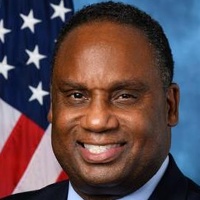
Jonathan Jackson
Representative
IL
Jonathan Jackson
Representative
IL
This bill posthumously awards a Congressional Gold Medal to Marshall "Major" Taylor, recognizing the pioneering Black cyclist for his historic achievements and his fight against racial prejudice. The medal will be struck by the Secretary of the Treasury and presented to Taylor's great-granddaughter. The Act also authorizes the sale of bronze duplicates to cover production costs.
The MONARCH Act of 2025 establishes a dedicated fund and grant program to urgently restore habitat and implement conservation plans for the critically declining Western Monarch Butterfly population.
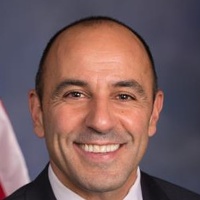
Jimmy Panetta
Representative
CA
Jimmy Panetta
Representative
CA
The MONARCH Act of 2025 addresses the critical decline of the western monarch butterfly population, which has dropped by over 99% in recent decades due to habitat loss and climate change. This bill establishes the Western Monarch Butterfly Rescue Fund to provide grants for habitat restoration projects led by local and Tribal entities. Furthermore, it mandates the implementation of the existing Western Monarch Butterfly Conservation Plan through a partnership with the National Fish and Wildlife Foundation. Finally, the Secretary of the Interior must submit an annual report to Congress detailing the status of the butterflies and the effectiveness of funded conservation efforts.
This Act establishes temporary eligibility for U.S. government war risk insurance for commercial vessels trading with Ukraine and creates a State Department initiative to encourage private investment and secure vital exports like grain.
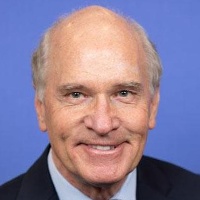
William Keating
Representative
MA
William Keating
Representative
MA
The Ukraine War Risk Insurance Act aims to support Ukraine's economy and national defense by ensuring vital maritime trade can continue. It temporarily expands eligibility for U.S. government war risk insurance for commercial vessels transporting cargo to or from Ukraine. Furthermore, the Act establishes a new State Department initiative to encourage private investment and facilitate the export of critical goods like grain. Finally, it directs the U.S. to diplomatically support international efforts to provide war risk coverage for Ukrainian shipments.
This bill establishes a comprehensive "Domestic Workers Bill of Rights" to extend federal labor protections, including overtime, paid sick leave, and anti-discrimination coverage, to domestic employees while creating a standards board to advise on future working conditions.
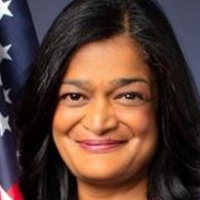
Pramila Jayapal
Representative
WA
Pramila Jayapal
Representative
WA
The Domestic Workers Bill of Rights Act seeks to significantly expand labor protections for domestic employees by bringing them under standard federal laws, including eligibility for overtime pay and mandated paid sick leave. The bill establishes written employment agreements, sets clear privacy boundaries for workers in private homes, and creates a Standards Board to recommend ongoing improvements to wages and benefits. Furthermore, it establishes enforcement mechanisms and temporarily increases federal Medicaid funding for in-home care services to help offset compliance costs.
The FIGHT Act of 2025 strengthens federal prohibitions against animal fighting, enhances enforcement mechanisms, and allows citizens to sue violators of animal fighting provisions.
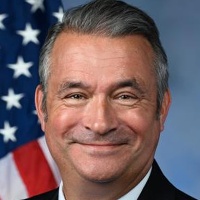
Don Bacon
Representative
NE
Don Bacon
Representative
NE
The FIGHT Act of 2025 significantly strengthens federal prohibitions against animal fighting ventures, specifically targeting the sponsorship, exhibition, and gambling associated with these events. This legislation clarifies the definition of a rooster for legal purposes and bans the interstate transport of roosters for fighting. Furthermore, it empowers private citizens to file lawsuits against violators, allowing for civil penalties and the potential seizure of property used to facilitate illegal animal fighting.
This resolution commemorates the nine-year anniversary of the Pulse nightclub shooting, honoring the victims, first responders, and the community's resilience while urging continued action on gun safety.
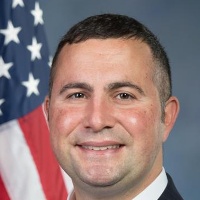
Darren Soto
Representative
FL
Darren Soto
Representative
FL
This resolution formally commemorates the ninth anniversary of the tragic Pulse nightclub shooting in Orlando, Florida, on June 12, 2016. It honors the lives lost, recognizes the bravery of first responders, and reaffirms community unity in the face of hate. Furthermore, the resolution calls for continued efforts to reduce gun violence and support those affected by this act of terrorism.
The BUDS Resolution allows legislation in the House of Representatives to have two primary sponsors, one from the majority and one from the minority party, to encourage bipartisan introduction of bills.
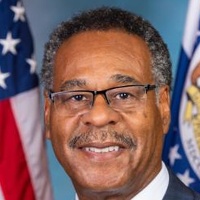
Emanuel Cleaver
Representative
MO
Emanuel Cleaver
Representative
MO
The Building Unity through Dual Sponsors (BUDS) Resolution amends House rules to allow public bills and resolutions to have two primary sponsors, provided one is from the majority party and the other from the minority party. This formalizes bipartisan introduction of legislation from the outset. The resolution also adjusts related rules concerning cosponsorship and required submission statements for these jointly sponsored measures.
The My Body, My Data Act of 2025 establishes strict limits on the collection, use, and sharing of personal reproductive and sexual health information, while granting individuals robust rights to access, correct, and delete their sensitive data.
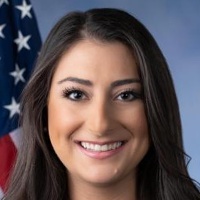
Sara Jacobs
Representative
CA
Sara Jacobs
Representative
CA
The My Body, My Data Act of 2025 establishes strict federal protections for personal reproductive and sexual health information held by regulated entities. This law limits data collection and sharing to only what is strictly necessary for providing requested services. It grants individuals the rights to access, correct, and delete this sensitive data, and requires clear public privacy policies detailing data handling practices. Finally, the Act prohibits retaliation against individuals who exercise these new privacy rights and grants enforcement authority to the FTC while allowing individuals to sue violators.
This Act permanently protects inventoried roadless areas within the National Forest System from new road construction and logging, upholding existing federal "Roadless Rule" prohibitions.
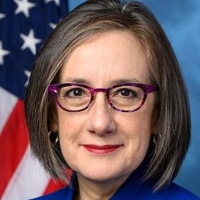
Andrea Salinas
Representative
OR
Andrea Salinas
Representative
OR
The Roadless Area Conservation Act of 2025 aims to provide lasting protection for inventoried roadless areas within the National Forest System. This legislation codifies existing federal regulations, known as the "Roadless Rule," which generally prohibits the construction of new roads or the cutting of timber in these sensitive zones. The purpose is to safeguard critical ecological benefits, clean water sources, and wildlife habitats while maintaining the Forest Service's multiple-use management mission.
The STOP CSAM Act of 2025 strengthens protections for child victims in federal court, mandates technology companies to report suspected child sexual exploitation, and expands civil remedies for victims against perpetrators and online platforms.
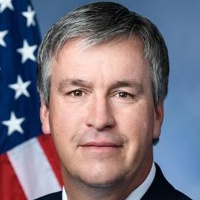
Barry Moore
Representative
AL
Barry Moore
Representative
AL
The STOP CSAM Act of 2025 significantly strengthens protections for child victims and witnesses in federal court by expanding definitions of harm and restricting the public disclosure of their identities. It mandates new, strict reporting duties for tech providers regarding child sexual exploitation material, backed by substantial criminal and civil penalties for non-compliance. Furthermore, the Act creates broad new civil remedies allowing victims to sue responsible online platforms and app stores for damages related to exploitation that occurred during their childhood. Finally, it improves restitution procedures, particularly for vulnerable victims, while ensuring existing state and tribal protections remain intact.
This Act establishes new procedures for Federal Firearms Licensees when background checks are delayed, mandates reporting on delayed and denied transfers, and removes a specific time limit from existing background check law.

James Clyburn
Representative
SC
James Clyburn
Representative
SC
The Enhanced Background Checks Act of 2025 reforms federal firearm background check procedures, establishing a formal petition process for buyers when the system delays a decision beyond 10 business days. This bill removes the previous 10-day time limit on background checks under the Brady Act while mandating extensive reporting from the GAO and FBI on the effectiveness and outcomes of these delayed transfers. Furthermore, the Attorney General must report on the law's impact on domestic violence victims within 150 days of enactment.
The Runaway and Homeless Youth and Trafficking Prevention Act of 2025 updates federal programs to enhance support, prevention, and data collection for runaway, homeless, and trafficked youth through updated grant requirements and service mandates.
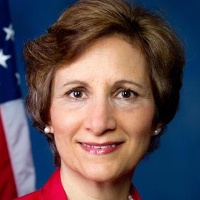
Suzanne Bonamici
Representative
OR
Suzanne Bonamici
Representative
OR
The Runaway and Homeless Youth and Trafficking Prevention Act of 2025 updates federal programs to better support and protect runaway, homeless, and trafficked youth. This legislation modernizes grant programs to ensure services are trauma-informed, culturally sensitive, and address critical needs like housing, education, and mental health. It also expands communication channels to include online outreach and strengthens coordination across federal agencies to combat youth homelessness and exploitation.
This Act mandates that most private firearm transfers must go through a licensed dealer to ensure background checks are performed on all purchasers.
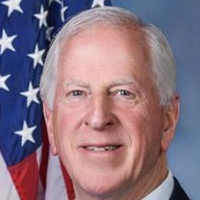
Mike Thompson
Representative
CA
Mike Thompson
Representative
CA
The Bipartisan Background Checks Act of 2025 aims to strengthen existing federal background check systems to prevent prohibited persons from acquiring firearms. This bill primarily mandates that most private firearm transfers must be facilitated through a licensed dealer who will conduct a background check. The legislation includes specific exceptions for family gifts, law enforcement, and temporary transfers under emergency circumstances.
The ADINA Act mandates that drugs containing major food allergens or ingredients derived from gluten-containing grains must clearly display this information on their labels.
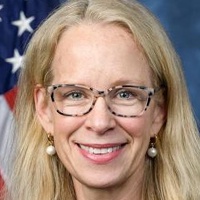
Kelly Morrison
Representative
MN
Kelly Morrison
Representative
MN
The ADINA Act mandates that prescription and over-the-counter drugs must clearly label if they contain ingredients derived from major food allergens or gluten-containing grains. This new requirement aims to protect consumers by ensuring transparency regarding potential allergens in medications. Drugs failing to include this specific warning will be considered misbranded under federal law.
The Pride In Mental Health Act of 2025 establishes grants and federal initiatives to improve mental health services and research specifically for LGBTQ+ youth while explicitly prohibiting the use of funds for conversion therapy.
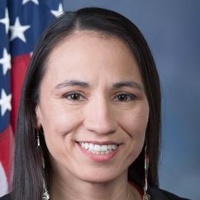
Sharice Davids
Representative
KS
Sharice Davids
Representative
KS
The Pride In Mental Health Act of 2025 establishes a new grant program to improve mental health and substance abuse outcomes for LGBTQ+ youth through culturally competent care and resource development. These grants strictly prohibit funding for conversion therapy practices. The bill also mandates federal data collection on LGBTQ+ youth mental health and requires a report on the needs of those in foster care.
This bill mandates that direct-to-consumer advertisements for prescription drugs covered by Medicare or Medicaid must clearly disclose the 30-day Wholesale Acquisition Cost (WAC) if it exceeds $35.
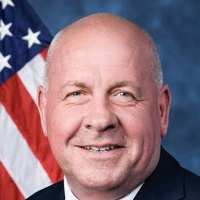
David Taylor
Representative
OH
David Taylor
Representative
OH
The Drug-price Transparency for Consumers Act of 2025 mandates that direct-to-consumer advertisements for prescription drugs covered by Medicare or Medicaid must disclose the Wholesale Acquisition Cost (WAC) for a 30-day supply, provided the cost exceeds $35. This aims to increase consumer awareness of drug pricing, as current advertising practices often drive demand for expensive, newly approved medications without providing cost transparency. Failure to comply with this new disclosure requirement will result in significant civil monetary penalties.
The STOCK Act 2.0 expands financial reporting requirements for government officials, bans certain conflicted investments including cryptocurrencies for high-ranking officials, applies ethics rules to Federal Reserve bank leaders, and mandates electronic, publicly searchable financial disclosure forms across the government.
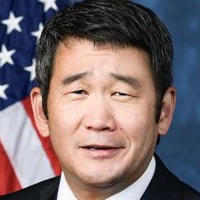
Dave Min
Representative
CA
Dave Min
Representative
CA
The STOCK Act 2.0 significantly enhances ethics and transparency rules for federal officials by requiring timely reporting of government payments received by covered persons and their families. It expands ethics oversight to include Federal Reserve bank leaders and bans high-ranking officials from holding or trading specific assets, including cryptocurrencies. Furthermore, the bill mandates that financial disclosure and transaction reports across Congress, the Executive Branch, and the Judiciary be made publicly available in searchable, accessible online databases.
The Don't Miss Your Flight Act establishes a grant program to fund infrastructure improvements connecting to public airports to reduce traffic and increase access.

Steve Cohen
Representative
TN
Steve Cohen
Representative
TN
The "Don't Miss Your Flight Act" establishes a new grant program managed by the Secretary of Transportation to fund infrastructure improvements connecting to public airports. These grants aim to reduce traffic, increase capacity, and improve access roads, rail, or transit lines within five miles of an airport. Funding is specifically allocated to benefit large and medium hub airports, drawing $1 billion annually from the Highway Trust Fund between 2027 and 2031.
This bill removes certain numerical caps on specific employment-based immigrant visas to better allocate green cards.
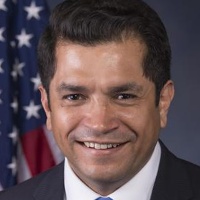
Jimmy Gomez
Representative
CA
Jimmy Gomez
Representative
CA
The Protect Vulnerable Immigrant Youth Act aims to reform employment-based immigration by eliminating certain numerical caps for specific visa categories. This legislation amends existing law to adjust how preference statuses are allocated for these immigrant visas. The overall goal is to streamline the process for certain employment-based immigrants.
This Act formally establishes the science-based Advisory Committee on Immunization Practices (ACIP) and mandates that changes to the National Vaccine Injury Compensation Program's injury table must be supported by a preponderance of the best available scientific evidence.
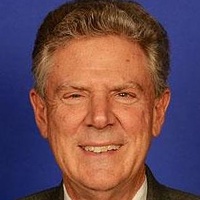
Frank Pallone
Representative
NJ
Frank Pallone
Representative
NJ
The Family Vaccine Protection Act formally establishes the Advisory Committee on Immunization Practices (ACIP) into law, requiring all its vaccine recommendations to be based on the preponderance of the best available, peer-reviewed scientific evidence. This legislation mandates strict procedures for the CDC Director to adopt or reject ACIP advice, including notifying Congress if a recommendation is rejected. Furthermore, the Act requires that any changes to the National Vaccine Injury Compensation Program's injury table must also be supported by strong scientific evidence.