Legislative Activity
Track Jimmy's sponsored bills, co-sponsored legislation, and voting record
The Myakka Wild and Scenic River Act of 2025 designates approximately 34 miles of Florida’s Myakka River as a component of the National Wild and Scenic Rivers System to ensure its long-term protection through cooperative federal and local management.
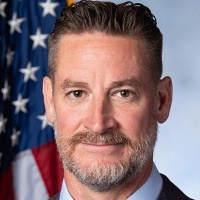
W. Steube
Representative
FL
W. Steube
Representative
FL
The Myakka Wild and Scenic River Act of 2025 designates approximately 34 miles of the Myakka River in Sarasota County, Florida, as a component of the National Wild and Scenic Rivers System. This legislation ensures long-term protection through cooperative management between the Secretary of the Interior and local Florida agencies, while explicitly prohibiting the use of eminent domain for land acquisition. The bill maintains existing land management practices and leverages the established Myakka River Management Coordinating Council to oversee the river's preservation.
The SAVE Moms and Babies Act of 2025 prohibits the FDA from approving new abortion drugs and imposes strict federal restrictions on the distribution, usage, and reporting requirements for existing abortion medications.
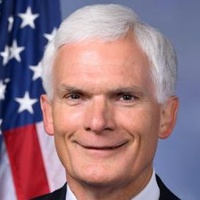
Robert Latta
Representative
OH
Robert Latta
Representative
OH
The SAVE Moms and Babies Act of 2025 prohibits the FDA from approving new abortion drugs and restricts the use of existing ones. The bill mandates strict safety protocols, including in-person administration requirements, expanded adverse event reporting, and limitations on gestational age for drug use.
This bill prohibits federal funding for abortions and for health insurance plans that cover abortions, clarifies these prohibitions under the Affordable Care Act, and requires health plans to disclose the extent of their abortion coverage and any related surcharges.
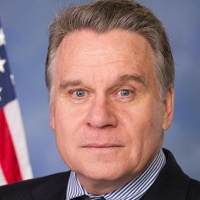
Christopher Smith
Representative
NJ
Christopher Smith
Representative
NJ
The "No Taxpayer Funding for Abortion and Abortion Insurance Full Disclosure Act of 2025" seeks to prohibit the use of federal funds for abortions and for health plans that cover abortions, while allowing individuals and entities to purchase separate abortion coverage with non-federal funds. It clarifies that premium tax credits and cost-sharing reductions under the Affordable Care Act (ACA) cannot be used for health plans that include abortion coverage. The Act also revises notice requirements for health plans, mandating clear disclosure of abortion coverage and any associated premium surcharges to enrollees. Exceptions to the funding restrictions are included for cases of rape, incest, or when the mother's life is in danger.
The Birthright Citizenship Act of 2025 limits automatic birthright citizenship to children born in the U.S. to at least one parent who is a U.S. citizen, a lawful permanent resident, or an alien serving in the U.S. armed forces.
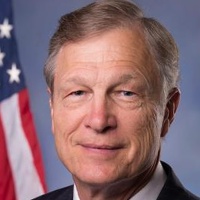
Brian Babin
Representative
TX
Brian Babin
Representative
TX
The Birthright Citizenship Act of 2025 proposes to limit automatic birthright citizenship to children born in the United States who have at least one parent who is a U.S. citizen, a lawful permanent resident, or an alien serving in the U.S. armed forces. This legislation would exclude children born to parents without legal status or those on temporary visas from receiving automatic citizenship. These changes would apply only to individuals born on or after the date of the Act's enactment.
This bill increases the railroad track maintenance tax credit, introduces annual inflation adjustments, and extends the eligibility period for qualifying expenditures.

Mike Kelly
Representative
PA
Mike Kelly
Representative
PA
This bill amends the Internal Revenue Code to expand the railroad track maintenance credit by increasing the per-mile tax credit to $6,100 and implementing annual inflation adjustments starting in 2026. It also extends the eligibility window for qualifying maintenance expenditures to include costs incurred through 2023. These updates aim to provide greater financial support for ongoing railroad infrastructure improvements.
This bill reclassifies silencers under federal tax law, removes federal registration requirements for legally transferred silencers, preempts state taxation and registration of silencers in commerce, and mandates the destruction of existing federal silencer registration records.

Ben Cline
Representative
VA
Ben Cline
Representative
VA
The Hearing Protection Act aims to remove silencers from the purview of the National Firearms Act (NFA) by treating them similarly to standard firearms under federal tax law. This legislation preempts certain state and local taxes and registration requirements related to silencers involved in interstate commerce. Furthermore, the bill mandates the destruction of existing federal silencer registration records and updates federal marking requirements for manufacturers.
The READY Accounts Act establishes tax-advantaged savings accounts that allow individuals to deduct contributions and make tax-free withdrawals for qualified home disaster mitigation and recovery expenses.

Laurel Lee
Representative
FL
Laurel Lee
Representative
FL
The READY Accounts Act establishes tax-advantaged savings accounts designed to help homeowners prepare for and recover from natural disasters. Individuals can make tax-deductible contributions to these accounts and withdraw funds tax-free to pay for qualified disaster mitigation improvements or uninsured repair costs.
The Legal Workforce Act mandates that all U.S. employers use a phased-in electronic verification system to confirm the employment eligibility of all new and existing employees.
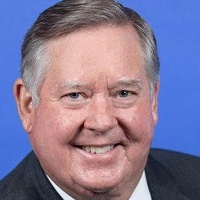
Ken Calvert
Representative
CA
Ken Calvert
Representative
CA
The Legal Workforce Act mandates that all U.S. employers use a new, electronic verification system to confirm the work eligibility of every new hire. This legislation replaces the existing E-Verify program with a phased-in, mandatory process that requires employers to verify both identity and work authorization for all employees. Additionally, the bill increases penalties for hiring unauthorized workers, establishes new fraud prevention measures, and preempts state laws to create a uniform national employment verification policy.
The FIND Act prohibits federal agencies from contracting with entities that discriminate against the firearm and ammunition industry, ensuring fair access to government contracts for these businesses. Contractors must certify they do not discriminate against firearm entities, with violations leading to contract termination.
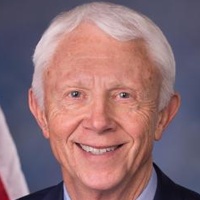
Jack Bergman
Representative
MI
Jack Bergman
Representative
MI
The FIND Act prohibits federal agencies from contracting with entities that discriminate against the firearm and ammunition industry. It requires federal contractors to certify they do not discriminate against firearm entities and prohibits them from awarding subcontracts to entities that do not provide a similar certification. Violations of these clauses will result in contract termination. The act defines "discriminate" as making judgments or refusing/limiting services based on biased criteria, rather than case-by-case evaluations, empirical data, financial risk, or legal non-compliance.