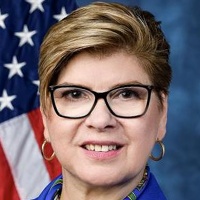
Legislative Activity
Track Nellie's sponsored bills, co-sponsored legislation, and voting record
This resolution affirms that U.S. policy on mifepristone access must respect over 25 years of scientific evidence proving its safety and ensure equitable access based on the best available science.

Diana DeGette
Representative
CO
Diana DeGette
Representative
CO
This resolution expresses the sense of the House that policies governing access to mifepristone for medication abortion must be based on over 25 years of proven safety and effectiveness data. It affirms that access to this time-sensitive care should be equitable, transparent, and guided by the best available, peer-reviewed science, not political interference. The bill supports the FDA's authority to regulate based on evidence, including telemedicine and pharmacy dispensing.
This Act funds data collection, research, public communication, and task force recommendations to improve maternal health outcomes during public health emergencies.
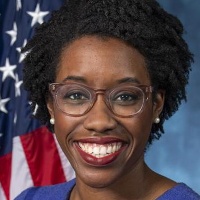
Lauren Underwood
Representative
IL
Lauren Underwood
Representative
IL
The Maternal Health Pandemic Response Act aims to improve maternal and infant health outcomes during public health emergencies. It authorizes significant funding for enhanced data collection, surveillance, and research across various CDC programs. Furthermore, the bill mandates public data disclosure, requires public health communication campaigns, and establishes a task force to develop federal recommendations for ensuring safe, respectful, and equitable maternity care during crises.
This resolution designates specific dates to honor law enforcement officers killed in the line of duty and expresses support for all officers.
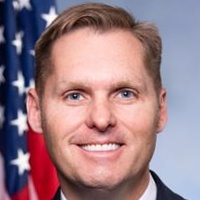
Michael Guest
Representative
MS
Michael Guest
Representative
MS
This resolution officially designates May 15, 2026, as Peace Officers Memorial Day and the week of May 10-16, 2026, as National Police Week. It honors the service and sacrifice of law enforcement officers killed in the line of duty, specifically recognizing 363 officers lost in 2025. The bill expresses unwavering support for law enforcement and acknowledges the need for proper resources to ensure officer safety.
This resolution recognizes the 75th anniversary of the American College of Obstetricians and Gynecologists and honors its vital role in advancing women's health through clinical excellence, education, advocacy, and research.
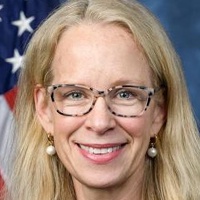
Kelly Morrison
Representative
MN
Kelly Morrison
Representative
MN
This resolution celebrates the 75th anniversary of the American College of Obstetricians and Gynecologists (ACOG). It recognizes ACOG's critical role in advancing women's health through excellence in clinical practice, education, advocacy, and research. The bill honors ACOG's dedication to improving maternal health and supporting obstetrician-gynecologists nationwide.
This bill establishes the Combating Organized Retail Crime Act of 2025 to enhance federal prosecution tools against organized retail and supply chain crime and create a DHS-led coordination center to align law enforcement efforts.
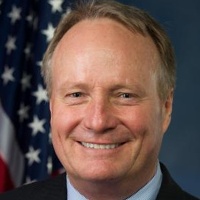
David Joyce
Representative
OH
David Joyce
Representative
OH
The Combating Organized Retail Crime Act of 2025 aims to combat sophisticated, cross-jurisdictional organized retail and supply chain theft. It achieves this by strengthening federal laws regarding money laundering and stolen property offenses, including lowering monetary thresholds for prosecution. Furthermore, the bill establishes a dedicated Center within the Department of Homeland Security to coordinate federal, state, and local enforcement efforts against these criminal organizations.
This resolution recognizes the historical and cultural significance of Cinco de Mayo, commemorating the Mexican victory at the Battle of Puebla and encouraging its observance in the United States.
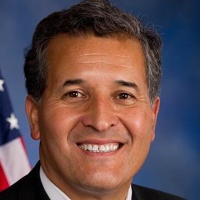
Juan Vargas
Representative
CA
Juan Vargas
Representative
CA
This resolution officially recognizes the cultural and historical significance of Cinco de Mayo, commemorating the 1862 Mexican victory at the Battle of Puebla. It highlights the holiday as a symbol of self-determination, unity, and the strong ties between the U.S. and Mexico. The bill encourages the American public to observe this important day with appropriate activities.
This act establishes a tax credit for businesses selling New Jersey-promoting products and grants preference to these businesses when leasing commercial space from port authorities.
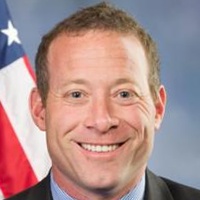
Josh Gottheimer
Representative
NJ
Josh Gottheimer
Representative
NJ
The Jersey Pride Tax Credit Act of 2026 establishes a 25% tax credit for businesses selling products that promote New Jersey. Additionally, the bill mandates that port authorities give leasing preference to businesses selling these eligible "Jersey pride" products when renting commercial space. This aims to incentivize and support businesses highlighting the state.
This Act expands eligibility for certain Small Business Administration loans to include businesses owned by lawfully present non-citizens and those with principal residences outside the U.S.
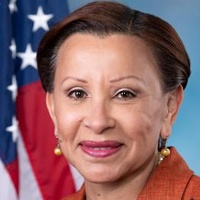
Nydia Velázquez
Representative
NY
Nydia Velázquez
Representative
NY
The Investing in the American Dream Act expands eligibility for Small Business Administration (SBA) loans and guarantees. It allows small businesses owned by certain lawfully present immigrants, refugees, and even some individuals residing outside the U.S. to qualify for covered loans. This legislation ensures that businesses meeting specific ownership and location criteria are not denied SBA assistance solely based on the immigration status of their eligible owners.
This Act mandates a comprehensive report to Congress detailing emerging military, cyber, and political threats to the Baltic states and recommending strategies to enhance their security and U.S. partnership.
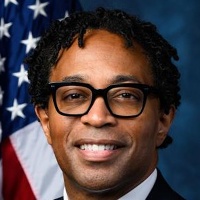
Wesley Bell
Representative
MO
Wesley Bell
Representative
MO
The Baltic Security Assessment Act of 2025 affirms the critical importance of Estonia, Latvia, and Lithuania to U.S. national security amidst Russian aggression. This bill mandates that the Secretary of State and Secretary of Defense deliver a comprehensive report to Congress detailing emerging military, cyber, and political threats to the Baltic states. The report must also recommend specific actions to enhance U.S. and NATO defense cooperation and bolster Baltic resilience.
This Act establishes federal programs to address the impact of climate change risks, like extreme heat and pollution, on maternal and infant health through grants, education, research, and risk zone identification.
Lauren Underwood
Representative
IL
Lauren Underwood
Representative
IL
The Protecting Moms and Babies Against Climate Change Act directs the Department of Health and Human Services to address how climate change risks, like extreme heat and pollution, harm maternal and infant health. The bill establishes grant programs to support local efforts and education, and mandates research and strategies to identify high-risk zones for pregnant individuals and young children. Its goal is to reduce adverse outcomes such as preterm birth, low birth weight, and maternal mortality linked to climate change.
This Act reforms Chapter 11 bankruptcy by imposing strict deadlines, establishing new grounds for dismissal based on bad faith or futility, and limiting the automatic stay in cases involving certain corporate restructuring and mass tort claims.
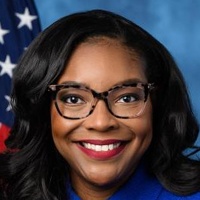
Emilia Sykes
Representative
OH
Emilia Sykes
Representative
OH
The Consumer Protection and Corporate Accountability in Bankruptcy Act of 2026 overhauls Chapter 11 bankruptcy rules by imposing strict deadlines for conversion to Chapter 7 and establishing new grounds, including "bad faith" and "objective futility," for case dismissal. It also limits the court's power to halt certain government actions and creates a significant new exception to the automatic stay for specific mass tort or liability claims against nondebtor entities following corporate restructuring. These changes aim to prevent debtors from abusing the bankruptcy process for tactical advantage or to shield related parties from liability.
This bill establishes a competitive grant program to fund training, recruitment, and retention efforts aimed at addressing critical workforce shortages in the public transportation industry.
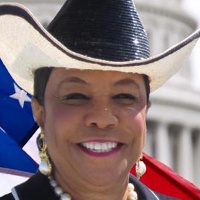
Frederica Wilson
Representative
FL
Frederica Wilson
Representative
FL
The Transit Workforce Development Act establishes a competitive grant program through the Department of Transportation to address critical workforce shortages in public transit maintenance. This funding supports training, recruitment, and retention efforts for essential transit workers like mechanics and technicians. The bill also expands existing funding flexibility, allowing transit agencies to use more federal bus and facility funds specifically for broader workforce development training.
This bill officially renames the United States Postal Service facility in Spring Lake, New Jersey, as the James J. Howard Post Office.
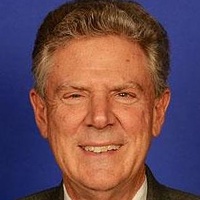
Frank Pallone
Representative
NJ
Frank Pallone
Representative
NJ
This bill officially renames the United States Postal Service facility located at 2407 State Route 71, Suite 1, in Spring Lake, New Jersey. The facility will now be known as the James J. Howard Post Office. This designation will apply to all future official federal references to the location.
This resolution designates April 10 as "Dolores Huerta Day" to honor the enduring legacy and civil rights contributions of the trailblazing labor leader.
Sylvia Garcia
Representative
TX
Sylvia Garcia
Representative
TX
This resolution designates April 10 as "Dolores Huerta Day" to honor the enduring legacy of the trailblazing labor and civil rights leader. It recognizes her foundational role in the farm workers movement, her advocacy for equality, and her lifelong commitment to nonviolent activism. The bill celebrates her historic achievements and encourages the continued pursuit of civil rights for all.
The Maternal Vaccination Act establishes a federal awareness and equity campaign to increase vaccination rates among pregnant and postpartum individuals and their children.
Terri Sewell
Representative
AL
Terri Sewell
Representative
AL
The Maternal Vaccination Act establishes a dedicated awareness and equity campaign to increase vaccination rates among pregnant and postpartum individuals. By providing targeted funding and expanding immunization program grants, the bill ensures that healthcare providers are better equipped to support maternal health, with a specific focus on reaching underserved and minority communities.
This resolution formally recognizes the persistence of the gender wage gap in the United States and reaffirms a commitment to achieving equal pay for equal work.
Lois Frankel
Representative
FL
Lois Frankel
Representative
FL
This resolution formally recognizes the persistent gender wage gap in the United States and its significant negative impact on women, families, and the national economy. It highlights the systemic factors contributing to pay disparities across various demographics and occupations. Ultimately, the resolution reaffirms Congress's commitment to achieving equal pay for equal work.
The Advanced Wastewater Treatment Assistance Act of 2026 authorizes $1 billion in EPA grants for advanced wastewater treatment projects, with a focus on disadvantaged communities, and mandates a study on the effectiveness of these technologies in capturing emerging contaminants.
Haley Stevens
Representative
MI
Haley Stevens
Representative
MI
The Advanced Wastewater Treatment Assistance Act of 2026 authorizes $1 billion in EPA grants to support advanced wastewater treatment projects, with a significant focus on serving disadvantaged communities. The bill also mandates a comprehensive study by the National Academies to evaluate the effectiveness of these technologies in capturing emerging contaminants, including PFAS and nanomaterials.
The Safe Passage to the World Cup Act prohibits federal civil immigration enforcement at public transit hubs in 2026 World Cup host cities during the tournament.
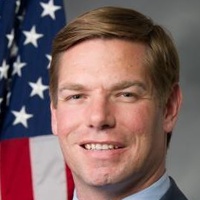
Eric Swalwell
Representative
CA
Eric Swalwell
Representative
CA
The Safe Passage to the World Cup Act prohibits federal immigration enforcement on public transit in 2026 FIFA World Cup host cities from June 11 to July 19, 2026. This temporary restriction ensures safe travel for attendees and residents, while maintaining exceptions for exigent circumstances involving public safety or national security.
The Momnibus Act is a comprehensive legislative package designed to improve maternal health outcomes and reduce racial disparities by addressing social determinants, expanding nutritional and mental health support, diversifying the perinatal workforce, and investing in data-driven, community-based care.
Lauren Underwood
Representative
IL
Lauren Underwood
Representative
IL
The Momnibus Act is a comprehensive legislative package designed to end preventable maternal mortality and close racial and ethnic disparities in maternal health outcomes. By addressing social determinants of health, expanding nutritional and mental health support, and investing in a diverse, culturally competent workforce, the bill provides a holistic framework for improving care. Through targeted federal grants, enhanced data collection, and innovative technology, the Act aims to ensure that all pregnant and postpartum individuals receive the equitable, high-quality care they deserve.
The Energy Bills Relief Act aims to lower energy costs for families by reversing clean energy rollbacks, expanding assistance programs, streamlining grid upgrades, and increasing transparency in utility regulation.
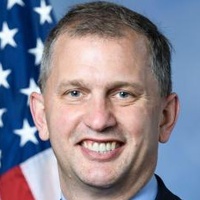
Sean Casten
Representative
IL
Sean Casten
Representative
IL
The Energy Bills Relief Act is a comprehensive bill designed to lower energy costs for American families, accelerate the deployment of low-cost, clean energy, and modernize the nation's electricity grid. It achieves this by reversing harmful policies against renewables, expanding energy assistance programs, streamlining grid connection processes, and increasing transparency in utility regulation. Ultimately, the legislation aims to create a more reliable, affordable, and cleaner energy system while ensuring communities have a stronger voice in energy development.