
Legislative Activity
Track Chellie's sponsored bills, co-sponsored legislation, and voting record
This resolution supports the goals of National Domestic Violence Awareness Month, highlights the pervasive and devastating impact of intimate partner violence across all demographics, and calls for increased funding for prevention and support programs.

Al Green
Representative
TX
Al Green
Representative
TX
This resolution designates October as National Domestic Violence Awareness Month to highlight the widespread and devastating impact of intimate partner violence across all demographics. It recognizes the urgent need to eliminate domestic violence and supports increased funding for intervention and prevention programs. The resolution underscores the severe physical, emotional, and economic toll this abuse takes on individuals, families, and communities.
This bill extends and modifies various tax credits for energy production, efficiency improvements, and clean vehicle adoption to lower energy costs and support American energy leadership.
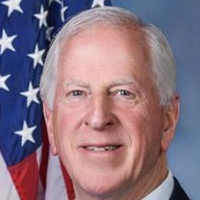
Mike Thompson
Representative
CA
Mike Thompson
Representative
CA
The American Energy Independence and Affordability Act is a comprehensive bill designed to lower energy costs by extending and adjusting key tax incentives across energy production, efficiency, and clean vehicle adoption. It stabilizes support for renewable energy manufacturing, extends deadlines for energy-efficient building credits, and ensures consumer incentives for electric vehicles remain available through 2032. Overall, the legislation aims to provide long-term certainty for energy investments and consumer adoption of cleaner technologies.
The FARM Act mandates that Original Equipment Manufacturers provide owners and independent repair providers with fair access to the necessary documentation, parts, software, and tools to repair farm equipment.

Marie Gluesenkamp Perez
Representative
WA
Marie Gluesenkamp Perez
Representative
WA
The FARM Act establishes the "Right to Repair" for agricultural equipment by requiring Original Equipment Manufacturers (OEMs) to provide owners and independent repair providers with necessary documentation, parts, software, and tools on fair and reasonable terms. This ensures farmers and independent mechanics can diagnose, maintain, and repair farm equipment without being solely reliant on the OEM. The Federal Trade Commission (FTC) is tasked with enforcing these requirements, treating violations as unfair or deceptive practices subject to specific civil penalties for non-compliant OEMs. The Act also includes provisions allowing circumvention of certain digital locks for repair purposes while explicitly protecting OEM trade secrets and safety/emissions compliance.
This act permanently establishes the structure and staffing of the Office of Head Start to ensure continued comprehensive support for eligible children and families.
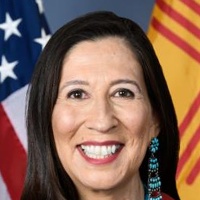
Teresa Leger Fernandez
Representative
NM
Teresa Leger Fernandez
Representative
NM
The Every Child Deserves a Head Start Act of 2025 aims to solidify the foundational support for the Head Start program, recognizing its vital role in early childhood development. This bill permanently establishes the structure and staffing levels of the Office of Head Start, including its 12 regional offices, as they existed before January 20, 2025. The legislation strictly limits the Secretary of Health and Human Services from altering this established structure or reducing staff without specific Congressional notification procedures. Ultimately, the Act ensures the consistent delivery of essential educational and support services to eligible children and families nationwide.
This act ensures that state and local funds used to keep Head Start and Early Head Start programs running during a federal government shutdown are fully reimbursed.
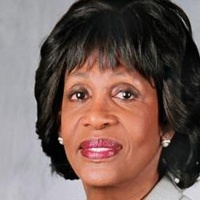
Maxine Waters
Representative
CA
Maxine Waters
Representative
CA
The Head Start Shutdown Protection Act of 2025 ensures that states, local governments, or school districts are reimbursed for any of their own funds used to keep Head Start and Early Head Start programs operational during a lapse in federal appropriations. This legislation protects these vital early childhood education services from disruption caused by government shutdowns. By guaranteeing reimbursement, the Act encourages local entities to maintain program continuity without bearing the financial burden.
This resolution expresses the House of Representatives' support for designating the second Monday in October 2025 as "Indigenous Peoples' Day" to honor the history, culture, and contributions of Indigenous Peoples.
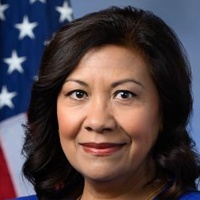
Norma Torres
Representative
CA
Norma Torres
Representative
CA
This resolution expresses the strong support of the House of Representatives for designating the second Monday in October 2025 as "Indigenous Peoples' Day." It aims to formally recognize and honor the history, culture, and enduring contributions of Indigenous Peoples in the United States. The measure encourages public observance and supports the eventual establishment of this day as an official Federal holiday.
This bill, the Healthy Meals Help Kids Learn Act of 2025, increases federal reimbursement rates for school lunches and breakfasts starting in late 2025.
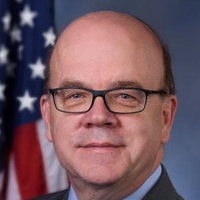
James McGovern
Representative
MA
James McGovern
Representative
MA
The Healthy Meals Help Kids Learn Act of 2025 aims to increase federal reimbursement rates for school meals. Specifically, it provides an additional 45 cents per lunch and 28 cents per breakfast served by school food authorities starting November 1, 2025. These adjusted rates will be subject to future inflation adjustments.
The School Food Modernization Act provides federal loan guarantees, grants, and training to upgrade school food facilities and improve staff skills for serving healthier meals.
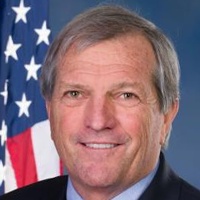
Mark DeSaulnier
Representative
CA
Mark DeSaulnier
Representative
CA
The School Food Modernization Act aims to improve school meal programs by providing financial assistance for facility upgrades and equipment purchases through loan guarantees and grants. It also establishes a new grant program to fund third-party training for school food service staff on nutrition standards and efficiency. Finally, the bill requires reports to Congress on program implementation and a study on how states use administrative funds for workforce training.
This resolution expresses deep concern over the surge in book banning and threats to free expression, urging the immediate restoration of removed materials in federal schools and the repeal of restrictive directives.
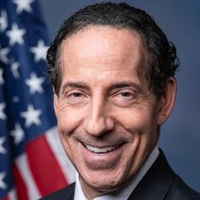
Jamie Raskin
Representative
MD
Jamie Raskin
Representative
MD
This resolution expresses deep concern over the growing trend of book banning and threats to freedom of expression in U.S. schools and libraries. It asserts that such censorship undermines democratic values and harms students by restricting access to diverse ideas and histories. The bill urges local entities to follow best practices for book challenges and calls for the immediate reinstatement of books removed from Department of Defense schools. Ultimately, it reaffirms the nation's commitment to First Amendment rights and the freedom to read.
This Act temporarily halts certain legal and financial actions against federal employees and their contractors during a government shutdown to protect their civil rights and financial stability.
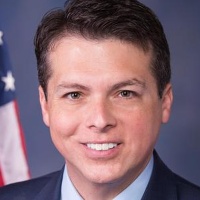
Brendan Boyle
Representative
PA
Brendan Boyle
Representative
PA
The Federal Employees Civil Relief Act aims to protect federal employees and contractors from negative civil actions during a government shutdown. It temporarily pauses various legal and administrative proceedings, including evictions, foreclosures, and debt collections, when a worker is furloughed or working without pay. The bill also grants federal workers the ability to defer income tax payments without penalty and prevents negative credit reporting based on seeking relief under this Act.
This Act establishes new initiatives and increases funding to coordinate, expand, and research organic science, farming transitions, and market data through 2030.
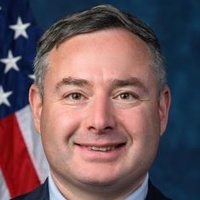
Eugene Vindman
Representative
VA
Eugene Vindman
Representative
VA
The Organic Science and Research Investment Act of 2025 aims to significantly boost federal support for organic agriculture. It establishes a new Initiative to coordinate and expand USDA organic research efforts while increasing funding for the existing Organic Research and Extension Initiative through 2030. The bill also creates dedicated funding for research focused on the transition to organic farming and mandates a comprehensive economic impact study of the organic sector.
This Act establishes the Marine Energy Acceleration Fund to invest one billion dollars in demonstration projects, research, site assessment, and workforce development to advance ocean wave, tidal, and current energy technologies.

Nanette Barragán
Representative
CA
Nanette Barragán
Representative
CA
The Marine Energy Technologies Acceleration Act establishes the Marine Energy Acceleration Fund to boost power generation from ocean waves, tides, and currents. This legislation directs significant funding toward demonstration projects that connect to local power grids and supports research and development to improve technology efficiency and lower costs. Furthermore, the bill mandates efforts to assess promising energy sites, streamline the permitting process, and develop a skilled workforce for the emerging marine energy industry.
This Act mandates federal health programs like Medicare and Medicaid to cover medically necessary specialized foods and formulas prescribed for managing severe digestive or inherited metabolic disorders.
James McGovern
Representative
MA
James McGovern
Representative
MA
The Medical Foods and Formulas Access Act of 2025 mandates federal health programs, including Medicare and Medicaid, to cover medically necessary specialized foods and formulas prescribed for managing severe digestive or inherited metabolic disorders. This ensures patients with conditions like urea cycle disorders or short bowel syndrome receive essential, prescribed nutrition when standard food is insufficient. The bill aims to standardize access to these life-sustaining treatments across federal and state health plans.
This act automatically reinstates Department of Energy financial assistance awards that were previously canceled based on the May 15, 2025 Secretarial Memorandum.
Nanette Barragán
Representative
CA
Nanette Barragán
Representative
CA
The Stop the Trump Electricity Price Hikes Act immediately reinstates financial assistance awards previously canceled by the Department of Energy (DOE). This action specifically reverses cancellations based on the May 15, 2025 Secretarial Memorandum. The bill ensures these awards continue as if they had never been terminated.
This resolution expresses U.S. support for recognizing September 29, 2025, as the International Day of Awareness of Food Loss and Waste to combat global hunger and climate change.
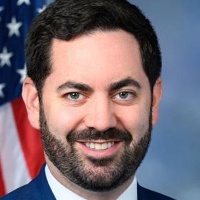
Michael Lawler
Representative
NY
Michael Lawler
Representative
NY
This resolution expresses the support of Congress for recognizing September 29, 2025, as the "International Day of Awareness of Food Loss and Waste." It highlights the severe global impacts of food waste on hunger and climate change, noting that nearly 40% of all food produced is lost annually. By supporting this awareness day, the bill encourages efforts to meet the U.S. goal of halving food loss and waste by 2030.
This Act establishes the National Gun Violence Research Program to fund comprehensive research, repeal data restrictions, and coordinate federal efforts to study and prevent gun violence.

Valerie Foushee
Representative
NC
Valerie Foushee
Representative
NC
The National Gun Violence Research Act of 2025 aims to significantly increase federal research into the causes, consequences, and prevention of gun violence. This bill repeals previous restrictions that limited data collection and research by agencies like the ATF, CDC, and NIH. It establishes a new National Gun Violence Research Program to coordinate efforts, fund grants through agencies like the NSF and HHS, and develop voluntary safety standards through NIST.
This Act provides appropriations and mandates contract price adjustments to compensate federal contractor employees for losses incurred due to funding lapses or government shutdowns.
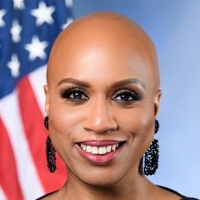
Ayanna Pressley
Representative
MA
Ayanna Pressley
Representative
MA
The Fair Pay for Federal Contractors Act of 2025 ensures that employees of federal contractors are compensated for losses incurred due to government funding lapses or shutdowns. It requires federal agencies to adjust existing contracts to cover reasonable costs associated with furloughs, pay cuts, or mandatory leave taken by contractor employees. The bill appropriates necessary funds to cover these contract price adjustments and mandates public reporting on the compensation provided.
The No Shame at School Act of 2025 mandates that schools must eliminate meal debt stigma by prohibiting overt identification of students who owe fees and ensuring immediate action to certify eligible children for free or reduced-price meals.

Ilhan Omar
Representative
MN
Ilhan Omar
Representative
MN
The No Shame at School Act of 2025 mandates that schools must stop shaming students over unpaid meal debt by prohibiting overt identification or segregation of students who owe fees. This law requires local agencies to actively pursue free meal certification for students with outstanding balances and prevents schools from taking food away after it has been served. Furthermore, it establishes strict rules for debt collection, forbidding communication directed at the child and banning the use of third-party debt collectors.
The Trust Through Transparency Act of 2025 mandates body camera usage for immigration enforcement agents, establishes specific video retention schedules, and requires annual public reporting on compliance and disciplinary actions.
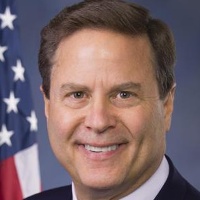
Donald Norcross
Representative
NJ
Donald Norcross
Representative
NJ
The Trust Through Transparency Act of 2025 mandates that federal immigration enforcement agents wear body cameras during public-facing duties. The bill establishes specific rules for retaining video footage, generally requiring deletion after six months unless exceptions like use of force or a filed complaint apply. Furthermore, it requires annual public reporting to Congress on compliance and establishes an advisory panel to recommend best practices for camera usage and data management.
This act expands physical therapists' participation in the National Health Service Corps loan repayment program and ensures Medicare coverage for their services at Rural Health Clinics and Federally Qualified Health Centers.

Diana DeGette
Representative
CO
Diana DeGette
Representative
CO
The Physical Therapist Workforce and Patient Access Act of 2025 aims to increase patient access to physical therapy, recognizing its importance in pain management and recovery. This bill integrates physical therapists into the National Health Service Corps, making them eligible for loan repayment in underserved areas. Furthermore, it mandates that Medicare Rural Health Clinics and Federally Qualified Health Centers cover physical therapy services starting in 2027.