
Legislative Activity
Track Alex's sponsored bills, co-sponsored legislation, and voting record
The FAIR Act mandates a 3.3% base pay increase and a 1% locality pay adjustment for federal civilian employees in 2026.
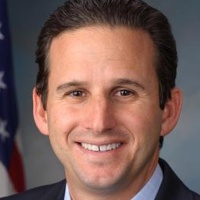
Brian Schatz
Senator
HI
Brian Schatz
Senator
HI
The FAIR Act proposes a 3.3% pay increase for federal civilian and wage-grade employees for the 2026 calendar year. Additionally, the bill mandates a 1% increase in locality pay adjustments for federal civilian employees.
This bill establishes a pilot program to provide manufactured and modular housing for disaster survivors and offers financial assistance for closing costs to those purchasing homes through federal mortgage programs.

Bill Cassidy
Senator
LA
Bill Cassidy
Senator
LA
The Disaster Housing Reform for American Families Act establishes a five-year pilot program to expedite the construction of manufactured and modular homes as temporary housing for disaster survivors. This legislation also authorizes financial assistance to help disaster-affected families cover closing costs when purchasing homes through federal mortgage programs. Additionally, the bill provides a framework for transitioning these temporary structures into permanent affordable housing once the disaster recovery period concludes.
This bill authorizes the awarding of a Congressional Gold Medal to wildland firefighters in recognition of their dedicated service, sacrifice, and commitment to protecting the nation's forests, grasslands, and communities.

John Barrasso
Senator
WY
John Barrasso
Senator
WY
The Wildland Firefighters Congressional Gold Medal Act honors the courage, sacrifice, and essential service of the nation’s wildland firefighters. This legislation authorizes the presentation of a Congressional Gold Medal to be awarded collectively to these frontline responders in recognition of their dedication to protecting our communities and natural resources. The medal will be housed at the National Interagency Fire Center, with bronze duplicates made available for public purchase.
The Saving the Civil Service Act establishes strict limitations on moving federal positions out of the competitive service to protect merit-based hiring and prevent the politicization of the civil service.

Timothy Kaine
Senator
VA
Timothy Kaine
Senator
VA
The Saving the Civil Service Act protects the merit-based federal hiring system by placing strict limits on the ability of agencies to move civil service positions into the excepted service. It requires employee consent for job transfers, caps the number of positions that can be reclassified during a presidential term, and mandates annual reporting to Congress. These measures ensure that federal employment remains grounded in professional standards rather than political appointments.
This bill authorizes the awarding of Congressional Gold Medals to the 1980 U.S. Olympic Men's Ice Hockey Team in recognition of their historic "Miracle on Ice" victory.

Kevin Cramer
Senator
ND
Kevin Cramer
Senator
ND
The Miracle on Ice Congressional Gold Medal Act authorizes the presentation of Congressional Gold Medals to the 1980 U.S. Olympic Men’s Ice Hockey Team in recognition of their historic victory. This legislation honors the team’s extraordinary achievement, which served as a defining moment in American sports and a source of national inspiration during the Cold War. The medals will be permanently displayed at three prominent institutions dedicated to Olympic and hockey history.
This bill establishes a commission to study the history of slavery and systemic discrimination in the United States and to develop formal proposals for reparations for African Americans.
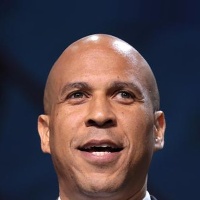
Cory Booker
Senator
NJ
Cory Booker
Senator
NJ
The Commission to Study and Develop Reparation Proposals for African Americans Act establishes a 13-member commission tasked with investigating the legacy of slavery and systemic discrimination in the United States. The commission is charged with documenting these historical injustices and their ongoing impact on living African Americans to develop formal proposals for reparatory justice. Ultimately, the body will submit its findings and recommendations for remedies, including potential compensation and educational initiatives, to Congress.
The Health Care Affordability Act of 2025 expands eligibility for premium tax credits and adjusts contribution requirements to lower health insurance costs for more households.

Jeanne Shaheen
Senator
NH
Jeanne Shaheen
Senator
NH
The Health Care Affordability Act of 2025 expands access to premium tax credits by removing the current income eligibility cap, allowing more households to qualify for financial assistance. The bill also introduces a new sliding scale for premium contributions to ensure health insurance costs remain more manageable for families. These changes are set to take effect for taxable years beginning after December 31, 2025.
The Washington, D.C. Admission Act provides for the admission of the State of Washington, Douglass Commonwealth, while maintaining a smaller federal district as the seat of the U.S. government.

Chris Van Hollen
Senator
MD
Chris Van Hollen
Senator
MD
The Washington, D.C. Admission Act provides for the admission of the State of Washington, Douglass Commonwealth, while maintaining a smaller federal district to serve as the seat of the U.S. government. This legislation establishes the framework for the transition, including the transfer of property, the restructuring of local and federal authorities, and the granting of full congressional representation to the new state's residents. It also creates a transition commission to ensure the orderly shift of legal, financial, and administrative responsibilities.
The Sunshine Protection Act of 2025 proposes making daylight saving time the permanent, year-round standard time across the United States, effectively ending the practice of biannual clock changes.

Rick Scott
Senator
FL
Rick Scott
Senator
FL
The Sunshine Protection Act of 2025 proposes making daylight saving time the permanent, year-round standard time across the United States. This change would eliminate the need to biannually "spring forward" and "fall back" by shifting all time zones forward by one hour. States currently exempt from daylight saving time would retain the option to remain on standard time.