
Legislative Activity
Track Frank's sponsored bills, co-sponsored legislation, and voting record
The EACH Act of 2025 mandates that all federally funded health programs and facilities must cover and provide abortion services, while also prohibiting federal interference with private insurance coverage.
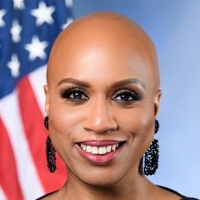
Ayanna Pressley
Representative
MA
Ayanna Pressley
Representative
MA
The EACH Act of 2025 aims to ensure equal access to abortion coverage by requiring all federally funded health programs and facilities to cover abortion services. This legislation prohibits federal interference with state or private insurance coverage of abortion and repeals Section 1303 of the Affordable Care Act. Ultimately, the bill seeks to eliminate financial and insurance barriers to abortion care, particularly for low-income individuals relying on programs like Medicaid.
This constitutional amendment prohibits immunity from criminal prosecution for federal officials based on their official duties and bars the President from self-pardoning.
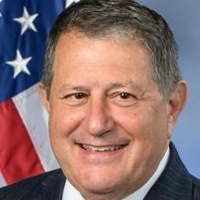
Joseph Morelle
Representative
NY
Joseph Morelle
Representative
NY
This proposed constitutional amendment would eliminate immunity from criminal prosecution for federal officials, including the President, based on their official duties. It also explicitly prohibits the President from issuing a self-pardon for any federal crimes. If ratified, these changes would take effect immediately.
This bill places a temporary moratorium on the closure or restriction of access to National Oceanic and Atmospheric Administration (NOAA) facilities until 180 days after a required justification report is submitted to Congress.
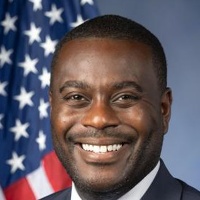
Gabe Amo
Representative
RI
Gabe Amo
Representative
RI
The Stop NOAA Closures Act places a temporary moratorium on the closure or restriction of access to any National Oceanic and Atmospheric Administration (NOAA) facilities. This freeze remains in effect until 180 days after key officials submit a required report to Congress detailing the criteria and process for any future facility changes. After the moratorium lifts, any major facility action will still require a 30-day advance notice and justification report to Congress, except in cases of immediate emergency threatening staff safety.
This Act mandates federal standards requiring employers to implement comprehensive heat illness and injury prevention programs to protect workers from dangerous heat stress.
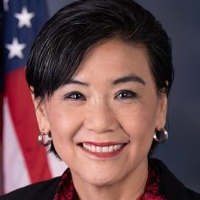
Judy Chu
Representative
CA
Judy Chu
Representative
CA
The Asunción Valdivia Heat Illness, Injury, and Fatality Prevention Act of 2025 mandates that employers protect workers from dangerous heat stress by establishing comprehensive safety standards. This Act requires the Secretary of Labor to create evidence-based rules covering engineering controls, administrative procedures, required training, and paid rest breaks to prevent heat-related illness. Furthermore, the law establishes strict enforcement mechanisms, whistleblower protections, and specific timelines for the implementation of these new federal heat protection standards.
This bill establishes strict limits and reporting requirements for donations made to Presidential Libraries and Centers, particularly targeting lobbyists, federal contractors, and foreign nationals while a president is in or recently out of office.

Jared Moskowitz
Representative
FL
Jared Moskowitz
Representative
FL
This bill amends federal law to establish strict limits and reporting requirements for donations made to Presidential Libraries and Centers. It prohibits certain restricted entities, such as lobbyists and federal contractors, from donating while a President is in office or for two years after they leave. The legislation also imposes an aggregate $10,000 lifetime donation cap per person and mandates public disclosure of all significant contributions.
This resolution demands the immediate handover of all unclassified federal documents related to the Jeffrey Epstein investigation within 14 days, authorizing subpoenas if the executive branch fails to comply.
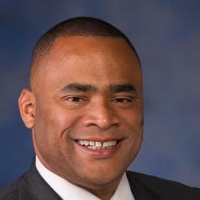
Marc Veasey
Representative
TX
Marc Veasey
Representative
TX
This resolution demands that federal agencies immediately release all unclassified documents related to the Jeffrey Epstein investigation. Congress is asserting its constitutional authority to compel transparency regarding Epstein's network, client lists, and internal agency communications. Agencies have 14 days to comply before the House initiates subpoena proceedings to force disclosure.
This resolution commends Petty Officer 3d Class Scott Ruskan for his heroic rescue of 165 people during the devastating central Texas floods and thanks all first responders involved.
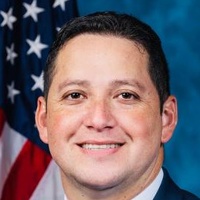
Ernest Gonzales
Representative
TX
Ernest Gonzales
Representative
TX
This resolution officially commends Petty Officer 3d Class Scott Ruskan for his heroic actions during the devastating central Texas floods of July 2025. It specifically recognizes him for personally rescuing 165 individuals and coordinating triage efforts under hazardous conditions. Furthermore, the bill extends deep gratitude to all federal, state, and volunteer responders who risked their lives during this major natural disaster.
This bill mandates a comprehensive report detailing the current and future state of the U.S.-Greece security cooperation, focusing on basing rights and strategic investments.

Grace Meng
Representative
NY
Grace Meng
Representative
NY
This bill mandates a comprehensive report from the Secretary of Defense detailing the current state and future potential of the U.S.-Greece security relationship. The report must specifically address basing rights, investments made under the 2021 Mutual Defense Cooperation Agreement, and analyze options for expanding U.S. military presence in Greece. This oversight ensures Congress is fully informed about strategic cooperation in the Eastern Mediterranean.
This resolution condemns Russia's forced deportation and Russification of Ukrainian children and demands their return before any final peace agreement is reached.
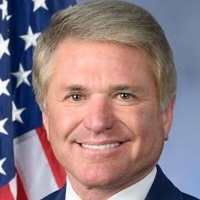
Michael McCaul
Representative
TX
Michael McCaul
Representative
TX
This resolution strongly condemns Russia for the abduction and forced "Russification" of Ukrainian children, highlighting these actions as grave violations of international law. It emphasizes that these children must be safely returned to Ukraine before any final peace agreement to end the war is considered. The document also underscores the heightened risks of trafficking, violence, and trauma faced by Ukrainian children due to the ongoing invasion.
The Equal Dignity for Married Taxpayers Act updates the Internal Revenue Code by replacing gendered language with gender-neutral terms to ensure consistent and equal application of tax laws for all legally married couples.
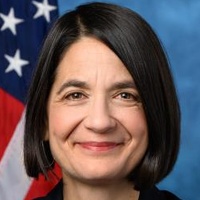
Becca Balint
Representative
VT
Becca Balint
Representative
VT
The Equal Dignity for Married Taxpayers Act modernizes the Internal Revenue Code by replacing gendered language with gender-neutral terms for all legally married couples. This sweeping update ensures consistency across tax rules regarding filing status, deductions, and credits, regardless of the spouses' genders. The bill clarifies that married couples are often treated as a single entity for specific tax purposes. Ultimately, this legislation updates terminology to reflect equal dignity for all married taxpayers.
This resolution expresses Congressional support for LGBTQI+ equality and designates June 26th as "LGBTQI+ Equality Day" to commemorate key legal victories and highlight the need for further anti-discrimination legislation.
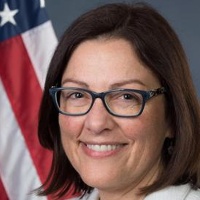
Suzan DelBene
Representative
WA
Suzan DelBene
Representative
WA
This resolution expresses the House's support for the rights and freedoms of LGBTQI+ individuals across the United States. It recognizes key Supreme Court decisions that advanced equality and highlights the ongoing need for comprehensive legal protections against discrimination. Finally, the bill proposes designating June 26th as "LGBTQI+ Equality Day" to commemorate these legal victories.
This Act mandates that federal officers involved in border security or immigration enforcement must clearly display identification, wear visible uniforms or badges, and not conceal their faces during detentions or arrests.

Dan Goldman
Representative
NY
Dan Goldman
Representative
NY
The No Secret Police Act of 2025 mandates that federal officers engaged in border security or immigration enforcement must clearly display identification, wear visible badges or uniforms, and refrain from wearing face coverings during detentions or arrests. This ensures accountability by requiring clear identification from Department of Homeland Security (DHS) personnel. The bill also requires the Secretary of Homeland Security to report on current tactical gear policies and research methods to improve officer visibility.
The SHADE Act establishes a HUD-led grant program to fund tree planting and maintenance in historically redlined or urban heat island areas, prioritizing projects with strong community support and resident protection plans.
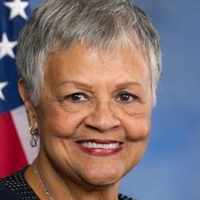
Bonnie Watson Coleman
Representative
NJ
Bonnie Watson Coleman
Representative
NJ
The Saving Hazardous And Declining Environments (SHADE) Act establishes a new, federally funded grant program to support tree planting initiatives. Administered by HUD and the Forest Service, this program prioritizes projects in historically redlined or urban heat island areas. Applicants must submit detailed 5-year plans that include community involvement and strategies to prevent resident displacement. The program is authorized to receive $50 million annually from fiscal year 2026 through 2036.
This Act prohibits the use of "panic defenses" in federal court that attempt to excuse or mitigate crimes based on a victim's sexual orientation or gender identity.
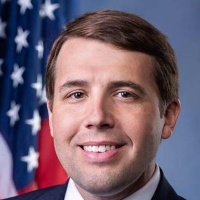
Chris Pappas
Representative
NH
Chris Pappas
Representative
NH
The LGBTQ+ Panic Defense Prohibition Act of 2025 bans the use of "panic defenses" in federal court, which attempt to excuse or lessen a defendant's culpability for a crime based on the victim's sexual orientation or gender identity. This legislation recognizes that these outdated defenses rely on prejudice and undermine justice for LGBTQ+ individuals. The Act also requires the Attorney General to report annually on violent federal crimes motivated by bias against LGBTQ+ people.
This resolution formally recognizes the history, achievements, and ongoing struggles of the LGBTQIA+ community while encouraging the celebration of Pride Month and affirming that LGBTQIA+ rights are human rights.

Al Green
Representative
TX
Al Green
Representative
TX
This resolution formally recognizes the history, achievements, and ongoing struggles of the LGBTQIA+ community in the United States. It serves as a declaration by Congress affirming that LGBTQIA+ rights are human rights and encouraging the celebration of Pride Month. The bill highlights key historical milestones, legal victories, and acknowledges the persistent challenges and violence faced by the community. Ultimately, it commits the U.S. to continuing the pursuit of full equality for all citizens.
This bill establishes a pilot program for U.S. Customs and Border Protection to test the effectiveness of allowing canine handlers to keep their working dogs at home instead of in central kennels.
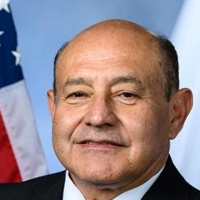
J. Correa
Representative
CA
J. Correa
Representative
CA
This bill establishes a pilot program for U.S. Customs and Border Protection (CBP) to test whether allowing canine handlers to keep their working dogs at home is effective compared to traditional central kenneling. The program must run for at least two years across various ports of entry, with handler participation being voluntary. Upon completion, CBP must report findings to Congress comparing the two methods regarding cost, performance, and animal/handler well-being, along with recommendations for future policy.
The Women’s Health Protection Act of 2025 establishes a federal right to access abortion services before fetal viability and protects the right to travel for care, overriding state restrictions that place burdens on abortion access not imposed on comparable medical procedures.
Judy Chu
Representative
CA
Judy Chu
Representative
CA
The Women’s Health Protection Act of 2025 establishes a federal statutory right to access abortion services, prohibiting medically unnecessary restrictions that impede care before fetal viability. This Act protects the right of patients to travel across state lines to receive reproductive healthcare and allows providers to offer services free from state interference that conflicts with established medical standards. It preempts conflicting state and local laws and provides robust enforcement mechanisms for individuals and the Attorney General to challenge violations.
This Act establishes 12-month continuous enrollment protections for individuals in Medicaid and the Children's Health Insurance Program (CHIP) by updating and standardizing eligibility language.

Debbie Dingell
Representative
MI
Debbie Dingell
Representative
MI
The Stabilize Medicaid and CHIP Coverage Act aims to simplify and update continuous enrollment rules for children in Medicaid and the Children's Health Insurance Program (CHIP). This legislation standardizes terminology and clarifies existing provisions to ensure consistent coverage. The changes will take effect one year after the Act is signed into law.
This resolution urges the establishment of a United States Commission on Truth, Racial Healing, and Transformation to acknowledge historical racial injustices and promote national healing and equity.

Jasmine Crockett
Representative
TX
Jasmine Crockett
Representative
TX
This resolution urges the establishment of a United States Commission on Truth, Racial Healing, and Transformation to formally acknowledge the nation's history of systemic racial injustice. The proposed commission would memorialize this history and serve as a catalyst for eliminating persistent racial inequities. It is intended to complement, not replace, efforts focused on reparations.
This Act permanently protects inventoried roadless areas within the National Forest System from new road construction and logging, upholding existing federal "Roadless Rule" prohibitions.
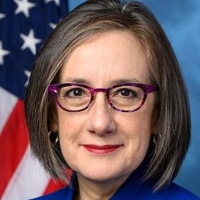
Andrea Salinas
Representative
OR
Andrea Salinas
Representative
OR
The Roadless Area Conservation Act of 2025 aims to provide lasting protection for inventoried roadless areas within the National Forest System. This legislation codifies existing federal regulations, known as the "Roadless Rule," which generally prohibits the construction of new roads or the cutting of timber in these sensitive zones. The purpose is to safeguard critical ecological benefits, clean water sources, and wildlife habitats while maintaining the Forest Service's multiple-use management mission.