Legislative Activity
Track Jay's sponsored bills, co-sponsored legislation, and voting record
The Uniform Vehicle Safety Standards Act of 2026 protects automotive manufacturers from liability lawsuits when their vehicles meet or exceed federal safety standards.
Mike Flood
Representative
NE
Mike Flood
Representative
NE
The Uniform Vehicle Safety Standards Act of 2026 establishes national consistency in automotive safety regulations by ensuring that federal standards are applied uniformly across all states. The bill protects manufacturers from common law lawsuits that claim a vehicle should have exceeded existing federal safety requirements. By limiting such litigation, the Act aims to reduce the burden on interstate commerce and provide regulatory certainty for the automotive industry.
This bill provides a limited antitrust exemption to allow non-federal entities to collaborate on identifying and mitigating critical artificial intelligence security risks.
Robert Latta
Representative
OH
Robert Latta
Representative
OH
The Collaboration on Adversarial Threats and Security Risks Act creates a limited antitrust exemption to allow non-federal entities to collaborate on critical artificial intelligence security matters. This legislation enables companies to share information and coordinate efforts to mitigate national security risks, such as the weaponization or unauthorized access of AI systems. While facilitating these security partnerships, the Act maintains strict safeguards to prevent anti-competitive behavior and grants the Attorney General authority to intervene if collaborations threaten market integrity or fail to improve security.
This bill designates the United States Postal Service facility at 4640 Cass Street in San Diego, California, as the "Mary Wilding Memorial Post Office Building."
Scott Peters
Representative
CA
Scott Peters
Representative
CA
This bill designates the United States Postal Service facility located at 4640 Cass Street in San Diego, California, as the "Mary Wilding Memorial Post Office Building." All official federal references to this facility will be updated to reflect this new name.
This bill reauthorizes the Accelerating Access to Critical Therapies for ALS Act through 2031 while enhancing grant oversight, safety reporting requirements, and FDA strategic planning for rare neurodegenerative diseases.
Mike Quigley
Representative
IL
Mike Quigley
Representative
IL
The Accelerating Access to Critical Therapies for ALS Reauthorization Act of 2026 extends vital funding for ALS research and clinical trial programs through 2031. This legislation strengthens oversight by enhancing grant review processes, improving safety reporting requirements, and mandating a comprehensive five-year FDA action plan to accelerate the development of treatments for rare neurodegenerative diseases.
The PILOT Act directs the Department of Defense to report on the feasibility of expanding military testing opportunities to graduates of accredited civilian test pilot schools.
George Whitesides
Representative
CA
George Whitesides
Representative
CA
The PILOT Act directs the Department of Defense to evaluate the feasibility of expanding opportunities for graduates of accredited civilian test pilot schools to support military flight testing. The legislation requires a comprehensive report by 2027 assessing current testing capacity and the potential for integrating civilian-trained pilots and engineers into military activities.
This bill authorizes a seven-year grant program for the National Law Enforcement Officers Memorial Fund to support the National Law Enforcement Museum’s educational, community outreach, and officer wellness initiatives.
Troy Nehls
Representative
TX
Troy Nehls
Representative
TX
The National Law Enforcement Officers Remembrance, Support, and Community Outreach Act authorizes $6 million in annual grants over seven years to the National Law Enforcement Officers Memorial Fund. These funds will support the National Law Enforcement Museum’s public education, community outreach, and officer safety and wellness programs. As a condition of the grant, the museum must provide free admission to law enforcement officers and their families, as well as dedicated free hours for the general public.
This bill officially designates the United States Postal Service facility at 1157 West Mission Avenue in Escondido, California, as the "Captain E. Royce Williams Post Office Building."
Darrell Issa
Representative
CA
Darrell Issa
Representative
CA
This bill officially designates the United States Postal Service facility located at 1157 West Mission Avenue in Escondido, California, as the "Captain E. Royce Williams Post Office Building." The legislation ensures that all federal records and documents will henceforth use this new official name for the location.
The USA Act strengthens the role of NIST in promoting U.S. interests in international standards development, particularly for artificial intelligence and other critical technologies, through briefings, reporting, and a pilot program to host domestic standards meetings.
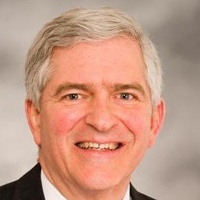
Daniel Webster
Representative
FL
Daniel Webster
Representative
FL
The USA Act strengthens the role of the National Institute of Standards and Technology (NIST) in promoting open, transparent, and private sector-led international standards development. It mandates briefings and the creation of a public portal to increase U.S. participation in setting standards for artificial intelligence and other critical technologies. Furthermore, the Act establishes a pilot program to provide grants for hosting standards meetings within the United States.
Tyler's Law mandates a study and subsequent guidance on the routine testing for fentanyl in hospital emergency departments during overdose treatment.
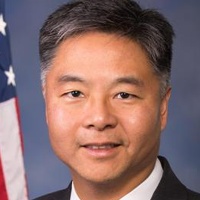
Ted Lieu
Representative
CA
Ted Lieu
Representative
CA
Tyler's Law mandates a comprehensive study by the Secretary of Health and Human Services on the frequency, cost, and impact of fentanyl testing in hospital emergency departments during overdose cases. Following the study, the Secretary must issue guidance on whether routine fentanyl testing should become standard practice for overdose patients. This guidance will also address staff training regarding existing drug test panels and the long-term health implications of such testing.
This bill clarifies that a franchisor is only considered a joint employer of a franchisee's workers if it exercises substantial, direct, and immediate control over essential terms of employment.
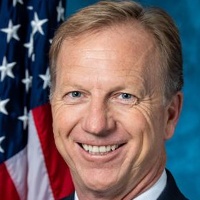
Kevin Hern
Representative
OK
Kevin Hern
Representative
OK
The American Franchise Act aims to protect the traditional franchise business model by clarifying the definition of a "joint employer." This legislation establishes that a franchisor is only considered a joint employer if it exercises "substantial direct and immediate control" over the essential terms of employment for a franchisee's workers. This change specifically targets liability risks associated with maintaining brand standards, ensuring franchisors are not automatically held responsible for local labor practices. The new standard applies prospectively to future legal proceedings.
The Anti-Fraud Fund Act of 2026 increases funding for the Health Care Fraud and Abuse Control Account by $7 billion annually from 2027 through 2030 to bolster efforts against healthcare fraud.
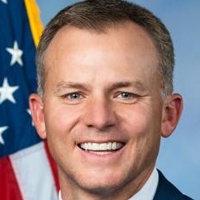
Blake Moore
Representative
UT
Blake Moore
Representative
UT
The Anti-Fraud Fund Act of 2026 increases the funding cap for the Health Care Fraud and Abuse Control Account by $7 billion annually from 2027 through 2030. This legislation provides additional resources to combat health care fraud while implementing safeguards to ensure these temporary increases do not permanently inflate future funding baselines.
The "Combating Illicit Xylazine Act" aims to combat the misuse of xylazine by adding it to Schedule III of the Controlled Substances Act, tracking its distribution, and ensuring appropriate penalties for related offenses, while also protecting legitimate veterinary use.
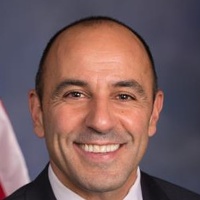
Jimmy Panetta
Representative
CA
Jimmy Panetta
Representative
CA
The "Combating Illicit Xylazine Act" aims to combat the illegal use of xylazine by adding it to Schedule III of the Controlled Substances Act, which would allow for increased regulation and tracking of the substance. The bill includes exemptions and delayed effective dates for certain requirements to ease the transition for legitimate users, such as veterinarians and animal handlers. It also directs the Sentencing Commission to review sentencing guidelines for xylazine-related offenses and mandates reports to Congress on the prevalence and impact of illicit xylazine use. Finally, it will include xylazine in Arcos tracking.
The SCALE Biology Act establishes a comprehensive biometrology laboratory program at NIST to develop standards and measurement science for engineering biology and biomanufacturing.
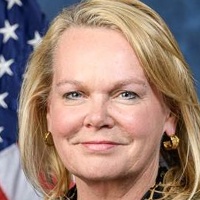
April McClain Delaney
Representative
MD
April McClain Delaney
Representative
MD
The SCALE Biology Act establishes a comprehensive biometrology laboratory program at the National Institute of Standards and Technology (NIST). This program directs NIST to conduct research and develop technical standards for engineering biology, biomanufacturing, and biotechnology. The goal is to enhance innovation, improve data reliability, and support the safe and secure development of biological technologies. The Act also authorizes specific funding levels for this new NIST research duty through fiscal year 2030.
The FDA Modernization Act 3.0 mandates updates to federal regulations to replace references to animal testing with broader "nonclinical" terminology and corrects technical errors in the Federal Food, Drug, and Cosmetic Act.
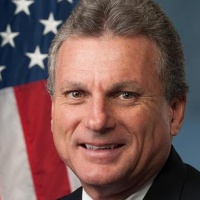
Earl Carter
Representative
GA
Earl Carter
Representative
GA
The FDA Modernization Act 3.0 directs the FDA to update federal regulations by replacing references to "animal testing" with the broader term "nonclinical tests." This update ensures regulatory consistency with modern testing standards and includes a technical correction to the Federal Food, Drug, and Cosmetic Act.
This bill supports the designation of July 20, 2026, as "National Moon Landing Day" to honor the historic Apollo 11 mission and celebrate the ongoing achievements of the U.S. space program.
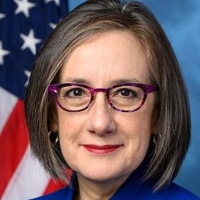
Andrea Salinas
Representative
OR
Andrea Salinas
Representative
OR
This resolution supports the designation of July 20, 2026, as "National Moon Landing Day" to commemorate the historic Apollo 11 mission and celebrate the United States' ongoing leadership in space exploration. It honors the contributions of astronauts, scientists, and the private sector while encouraging educational initiatives to inspire future generations in STEM fields.
This bill designates the Department of Veterans Affairs community-based outpatient clinic in San Jose, California, as the "Corporal Patrick D. Tillman VA Clinic."
Jimmy Panetta
Representative
CA
Jimmy Panetta
Representative
CA
This bill designates the Department of Veterans Affairs community-based outpatient clinic in San Jose, California, as the "Corporal Patrick D. Tillman VA Clinic." This renaming honors the legacy of Pat Tillman, a San Jose native and former NFL player who left his professional career to serve as an Army Ranger and made the ultimate sacrifice for his country.
This bill mandates electronic prior authorization, increases transparency through required data reporting, and establishes faster decision timelines for Medicare Advantage plans to improve timely access to care for seniors.
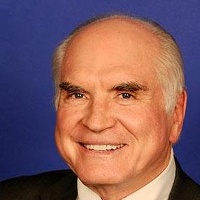
Mike Kelly
Representative
PA
Mike Kelly
Representative
PA
The Improving Seniors’ Timely Access to Care Act of 2025 aims to streamline and modernize the prior authorization process within Medicare Advantage plans. This bill mandates the adoption of electronic prior authorization systems and significantly increases transparency regarding approval rates and decision times starting in 2027. Furthermore, it establishes new enrollee protections and grants the Secretary authority to enforce faster decision timeframes for medical services.
The Sunshine Protection Act of 2025 establishes daylight saving time as the permanent, year-round standard time across the United States, while providing states the option to maintain their current standard time.
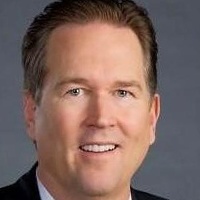
Vern Buchanan
Representative
FL
Vern Buchanan
Representative
FL
The Sunshine Protection Act of 2025 proposes making daylight saving time the permanent, year-round standard time across the United States. By advancing standard time zones by one hour, the bill eliminates the need for biannual clock changes. Additionally, it provides states that currently observe standard time year-round the option to maintain their existing timekeeping practices.
This bill designates the United States Postal Service facility located at 340 East 1st Street in Tustin, California, as the "Ursula Ellen Kennedy Post Office Building."

Young Kim
Representative
CA
Young Kim
Representative
CA
This bill officially designates the United States Postal Service facility located at 340 East 1st Street in Tustin, California, as the "Ursula Ellen Kennedy Post Office Building." All official references to this facility will be updated to reflect this new name.
This bill designates the United States Postal Service facility located at 6444 San Fernando Road in Glendale, California, as the "Paul Ignatius Post Office."
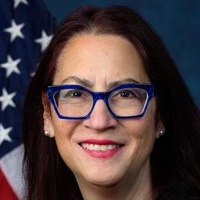
Laura Friedman
Representative
CA
Laura Friedman
Representative
CA
This bill designates the United States Postal Service facility located at 6444 San Fernando Road in Glendale, California, as the "Paul Ignatius Post Office." All official references to this location will henceforth bear this name.