Legislative Activity
Track Jerrold's sponsored bills, co-sponsored legislation, and voting record
This proposed constitutional amendment establishes that constitutional rights apply only to natural persons and grants governments the authority to regulate political spending to ensure fair democratic participation.

Pramila Jayapal
Representative
WA
Pramila Jayapal
Representative
WA
This proposed constitutional amendment establishes that constitutional rights belong exclusively to natural persons, not artificial entities like corporations. It further empowers governments to regulate campaign contributions and expenditures to ensure fair political participation, explicitly stating that spending money to influence elections is not protected as free speech. Finally, the amendment includes a specific provision to ensure these changes do not restrict the freedom of the press.
The "Freedom to Invest in Tomorrow's Workforce Act" expands the use of 529 savings accounts to cover expenses related to postsecondary credentialing programs, including tuition, fees, books, supplies, equipment, and testing fees.

Robert Wittman
Representative
VA
Robert Wittman
Representative
VA
The "Freedom to Invest in Tomorrow's Workforce Act" amends Section 529 savings accounts to include expenses related to postsecondary credentialing programs. This allows 529 funds to cover costs like tuition, fees, books, supplies, and testing fees for recognized programs and credentials, as defined by the bill. These changes would apply to distributions made after the bill is enacted.
This bill establishes a Department of Peacebuilding to coordinate government efforts in nonviolent conflict resolution and violence reduction, aiming to make peace a national policy objective.

Ilhan Omar
Representative
MN
Ilhan Omar
Representative
MN
This bill establishes a Department of Peacebuilding within the executive branch to coordinate and promote peace-related efforts, both domestically and internationally, through nonviolent conflict resolution and violence reduction strategies. The department will be led by a Secretary of Peacebuilding and will include offices focused on peace education, domestic and international peacebuilding, technology for peace, and human rights. It emphasizes collaboration with other agencies and allocates resources, with a focus on domestic peace programs, to implement these initiatives. The bill also directs the Secretary to propose legislative changes, encourages the promotion of peace through Peace Days, and defines key terms to ensure clarity in the Act's implementation.
The Scientific Integrity Act mandates federal agencies to establish and enforce scientific integrity policies that protect scientific research from political interference, ensure open communication of scientific findings, and provide whistleblower protection for scientists.
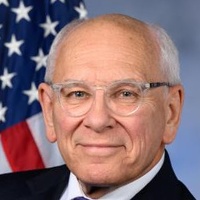
Paul Tonko
Representative
NY
Paul Tonko
Representative
NY
The Scientific Integrity Act mandates that federal agencies that fund, conduct, or oversee scientific research establish and enforce scientific integrity policies. These policies aim to protect scientists from political interference, ensure the open communication of scientific findings, and establish clear processes for reporting and addressing scientific misconduct. The Act requires agencies to appoint Scientific Integrity Officers, provide regular training, and report on misconduct complaints, with oversight from the Office of Science and Technology Policy and Congress. It also protects the rights of federal employees and contractors to share their findings and prevents the suppression or distortion of scientific data.
The "Taxpayer Data Protection Act" limits access to the Treasury Department's payment systems to authorized personnel and requires investigation and reporting of unauthorized access.
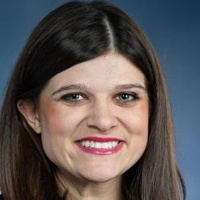
Haley Stevens
Representative
MI
Haley Stevens
Representative
MI
The Taxpayer Data Protection Act limits access to the Treasury Department's payment systems to Treasury employees or contractors with satisfactory performance reviews and security clearances. It sets specific criteria for individuals accessing the system, including conflict of interest restrictions, training, and ethics agreements. The Act also mandates the Treasury Department's Inspector General to investigate and report to Congress on any unauthorized system use.
The "Protecting Sensitive Locations Act" restricts immigration enforcement actions at sensitive locations like schools and places of worship, requiring discretion and oversight.
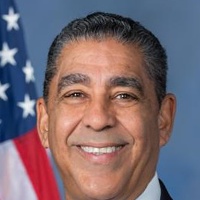
Adriano Espaillat
Representative
NY
Adriano Espaillat
Representative
NY
The "Protecting Sensitive Locations Act" amends the Immigration and Nationality Act to restrict immigration enforcement actions within 1,000 feet of sensitive locations like schools, hospitals, and places of worship, except in exigent circumstances. It mandates training, reporting, and oversight for enforcement activities near these locations, and invalidates evidence obtained in violation of the Act. The Act aims to ensure discretion and limit enforcement impact on sensitive community spaces, while also requiring annual reports to Congress on enforcement actions taken in sensitive locations.
The Right to Contraception Act establishes a federal right to obtain and use contraception and prohibits government interference with access to contraceptive services and information.

Lizzie Fletcher
Representative
TX
Lizzie Fletcher
Representative
TX
The Right to Contraception Act establishes a federal right for individuals to access and use contraception without government interference. It prohibits federal and state governments from enacting laws that restrict access to contraceptives or the provision of related services. The Act provides clear enforcement mechanisms, allowing individuals and the Attorney General to sue to strike down any rule that violates these protections.
The Job Protection Act expands access to family and medical leave by reducing the employment eligibility requirement to 90 days and extending coverage to employees at all businesses, regardless of size.

Lauren Underwood
Representative
IL
Lauren Underwood
Representative
IL
The Job Protection Act expands access to family and medical leave by reducing the required length of employment from 12 months to just 90 days for all eligible workers. Additionally, the bill extends these leave requirements to all employers, regardless of company size, ensuring that virtually all employees are covered.
The No Tax Breaks for Outsourcing Act amends the Internal Revenue Code to eliminate tax incentives for offshoring by reforming international corporate taxation, tightening interest deduction rules, and closing loopholes used by inverted and foreign-managed corporations.

Lloyd Doggett
Representative
TX
Lloyd Doggett
Representative
TX
The **No Tax Breaks for Outsourcing Act** amends the Internal Revenue Code to discourage corporations from shifting profits and operations overseas. The bill replaces the current global intangible low-taxed income (GILTI) regime with a "net CFC tested income" system, implements country-by-country tax reporting, and limits interest deductions for large international groups. Additionally, it strengthens rules to prevent corporate inversions and treats foreign corporations managed within the United States as domestic entities for tax purposes.
This bill directs the Secretary of Homeland Security to provide a one-time grant of $5 to $10 million to support the operation, security, and maintenance of the National September 11 Memorial and Museum.
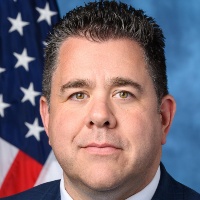
Nicolas LaLota
Representative
NY
Nicolas LaLota
Representative
NY
The 9/11 Memorial and Museum Act authorizes the Secretary of Homeland Security to provide a one-time grant of $5 million to $10 million to support the operation, security, and maintenance of the National September 11 Memorial & Museum. To receive these funds, the organization must meet specific requirements, including providing free admission to first responders, military personnel, and victims' families, as well as submitting to annual federal audits.
The Access to Counsel Act requires the Department of Homeland Security to provide individuals undergoing secondary or deferred immigration inspection with meaningful access to legal counsel and interested parties.
Pramila Jayapal
Representative
WA
Pramila Jayapal
Representative
WA
The Access to Counsel Act ensures that U.S. nationals, lawful permanent residents, and valid visa holders have the right to consult with legal counsel and interested parties during secondary or deferred immigration inspections at ports of entry. The bill mandates that this access be provided within one hour of inspection and offers specific protections for permanent residents regarding the abandonment of their status. By guaranteeing this support, the legislation aims to provide individuals with meaningful advocacy and assistance during the inspection process.
This bill awards a Congressional Gold Medal to the Freedom Riders in recognition of their courageous nonviolent struggle to end racial segregation in interstate travel.

Henry Johnson
Representative
GA
Henry Johnson
Representative
GA
This bill authorizes the presentation of a Congressional Gold Medal to the Freedom Riders in recognition of their courageous, nonviolent efforts to end racial segregation in interstate travel. By challenging discriminatory laws through the 1961 Freedom Rides, these activists played a pivotal role in advancing the American Civil Rights Movement. The medal will be housed at the Smithsonian Institution to honor their historic contribution to equality.
The Health Care Workforce Innovation Act of 2025 establishes a grant program to support community-driven education and training for allied health professionals in underserved and rural communities.
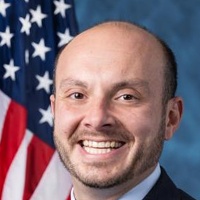
Andrew Garbarino
Representative
NY
Andrew Garbarino
Representative
NY
The Health Care Workforce Innovation Act of 2025 establishes a grant program to support community-driven education and training for allied health professionals. By funding partnerships between health centers and educational institutions, the bill aims to increase the number of qualified workers in rural and underserved areas. This initiative focuses on expanding career pathways, improving healthcare access, and fostering a more diverse and skilled health workforce.
The Stop the Wait Act of 2025 eliminates the five-month waiting period for Social Security Disability Insurance (SSDI) benefits and removes the 24-month Medicare waiting period for eligible individuals lacking affordable health coverage.
Lloyd Doggett
Representative
TX
Lloyd Doggett
Representative
TX
The Stop the Wait Act of 2025 aims to provide faster financial and medical support to individuals with disabilities by eliminating the five-month waiting period for Social Security Disability Insurance (SSDI) benefits by 2030. Additionally, the bill removes the 24-month Medicare waiting period for SSDI recipients who lack access to affordable health insurance, ensuring they can access necessary medical coverage sooner.
This resolution expresses strong support for the U.S. Department of Education and public K-12 schools, while formally opposing any efforts to defund, dismantle, or weaken federal support for public education.
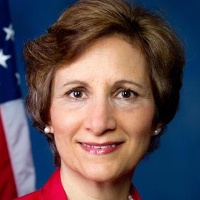
Suzanne Bonamici
Representative
OR
Suzanne Bonamici
Representative
OR
This resolution affirms strong support for the U.S. Department of Education and its critical role in funding and protecting public K-12 schools. It emphasizes the importance of federal investment in closing opportunity gaps and ensuring civil rights protections for all students. Furthermore, the bill explicitly condemns any efforts to defund public education, dismantle the Department of Education, or divert public funds to private school vouchers.
The NO BAN Act prohibits religious discrimination in immigration and establishes stricter oversight and evidentiary requirements for the President’s authority to suspend or restrict entry into the United States.
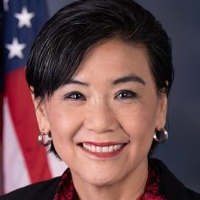
Judy Chu
Representative
CA
Judy Chu
Representative
CA
The NO BAN Act prohibits discrimination in immigration based on religion, race, sex, nationality, or place of birth. It also places strict limitations on the President’s authority to suspend or restrict entry into the United States, requiring evidence-based justification, congressional oversight, and public reporting. These measures ensure that any future immigration restrictions are narrowly tailored and subject to judicial review.
This resolution condemns Russia’s nuclear threats and suspension of the New START Treaty while urging renewed international commitment to arms control, risk reduction, and strategic stability.
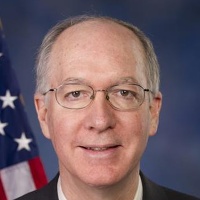
Bill Foster
Representative
IL
Bill Foster
Representative
IL
This resolution condemns Russia’s nuclear threats and its suspension of the New START Treaty, emphasizing the vital importance of arms control in maintaining global security. It calls for an immediate end to nuclear saber-rattling and urges Russia to return to full treaty compliance. Furthermore, it encourages the U.S. administration to pursue new nuclear risk reduction frameworks with both Russia and China to prevent an unconstrained arms race.
This resolution calls on the United Nations Security Council to immediately impose an arms embargo on the Burmese military to hold them accountable for human rights abuses and the 2021 coup.
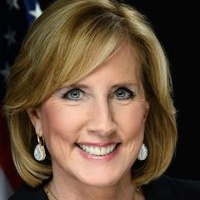
Claudia Tenney
Representative
NY
Claudia Tenney
Representative
NY
This resolution calls on the United Nations Security Council to immediately impose an arms embargo against the Burmese military (the Tatmadaw) in response to the 2021 coup and ongoing human rights abuses. It outlines that the embargo should remain in place until the military releases detained leaders, restores democratic governance, and ends violence against civilians and ethnic minorities.
This bill establishes Rosa Parks Day as an official federal public holiday.
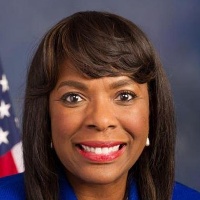
Terri Sewell
Representative
AL
Terri Sewell
Representative
AL
The Rosa Parks Day Act officially establishes Rosa Parks Day as a legal public holiday in the United States. This amendment updates federal law to include Rosa Parks Day alongside existing holidays like Thanksgiving and Christmas. Consequently, federal employees and operations will observe this new national holiday.
The Period PROUD Act of 2025 provides $200 million in annual federal funding to states to increase access to free menstrual products for low-income individuals through the Social Services Block Grant program.
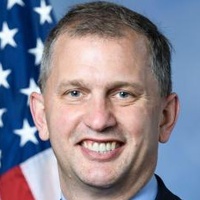
Sean Casten
Representative
IL
Sean Casten
Representative
IL
The Period PROUD Act of 2025 provides $200 million in annual federal funding to states to increase access to free menstrual products for low-income individuals. By partnering with government agencies, tribes, and nonprofits, this initiative aims to reduce unmet needs by integrating product distribution into existing social service programs. The bill also mandates program evaluations to ensure effectiveness and accountability in addressing menstrual health disparities.