Legislative Activity
Track Analilia's sponsored bills, co-sponsored legislation, and voting record
The Right to IVF Act of 2026 establishes a nationwide right to fertility care, mandates comprehensive insurance coverage for reproductive services, and expands access to fertility treatments for veterans and federal employees.
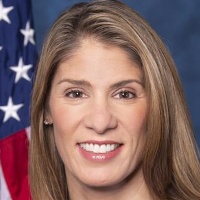
Lori Trahan
Representative
MA
Lori Trahan
Representative
MA
The Right to IVF Act of 2026 establishes a nationwide statutory right to access assisted reproductive technology (ART) and intrauterine insemination (IUI) while prohibiting states from imposing restrictive barriers. The bill further expands family-building support by mandating comprehensive fertility coverage across private insurance, Medicare, Medicaid, and federal employee health plans. Additionally, it guarantees expanded access to fertility services and preservation for military service members and veterans.
This bill directs the Small Business Administration to develop and distribute multilingual educational resources to help small business owners and their employees understand their rights and responsibilities regarding immigration enforcement and compliance.
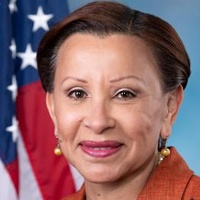
Nydia Velázquez
Representative
NY
Nydia Velázquez
Representative
NY
The Businessowner Immigration Rights and Responsibilities Information Act of 2026 directs the Small Business Administration to develop and distribute comprehensive educational resources regarding immigration enforcement. These materials will provide small business owners and their employees with clear guidance on their legal rights, compliance responsibilities, and best practices for handling enforcement actions. Available in multiple languages, these resources aim to ensure businesses are well-informed and prepared while navigating complex immigration regulations.
This bill reauthorizes the Accelerating Access to Critical Therapies for ALS Act through 2031 while enhancing grant oversight, safety reporting requirements, and FDA strategic planning for rare neurodegenerative diseases.
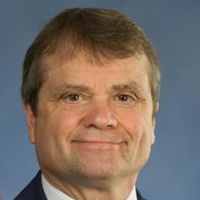
Mike Quigley
Representative
IL
Mike Quigley
Representative
IL
The Accelerating Access to Critical Therapies for ALS Reauthorization Act of 2026 extends vital funding for ALS research and clinical trial programs through 2031. This legislation strengthens oversight by enhancing grant review processes, improving safety reporting requirements, and mandating a comprehensive five-year FDA action plan to accelerate the development of treatments for rare neurodegenerative diseases.
This bill officially renames the United States Postal Service facility in Willingboro, New Jersey, as the "James A. Cotten Post Office."
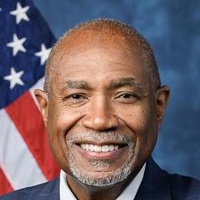
Herbert Conaway
Representative
NJ
Herbert Conaway
Representative
NJ
This bill officially designates the United States Postal Service facility located at 16 Rev Dr Martin Luther King Jr Drive in Willingboro, New Jersey, as the "James A. Cotten Post Office." This action ensures the facility will be formally known by this name in all federal records and documents.
This bill prohibits domestic business entities with significant foreign ownership or influence from contributing to U.S. elections and mandates strict certification requirements to ensure political spending is free from foreign control.
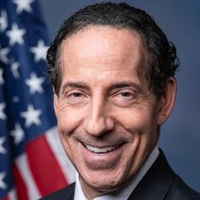
Jamie Raskin
Representative
MD
Jamie Raskin
Representative
MD
The Get Foreign Money Out of United States Elections Act strengthens existing laws to prevent foreign influence in American elections. It expands the ban on foreign contributions to include domestic companies with significant foreign ownership or control and mandates strict certification requirements for corporate political action committees. These measures ensure that foreign entities cannot influence federal, state, or local elections through direct spending, ballot initiatives, or Super PACs.
Orlin’s Law establishes comprehensive protections for detained immigrant parents, prioritizing family unity by mandating release procedures, access to legal and child welfare proceedings, and the creation of a dedicated office to coordinate parental rights and care.
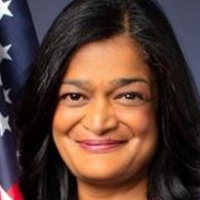
Pramila Jayapal
Representative
WA
Pramila Jayapal
Representative
WA
Orlin’s Law establishes critical protections for immigrant parents in U.S. custody to prevent the unnecessary separation of families. The bill mandates that detained parents be prioritized for release, provided with the means to participate in family court proceedings, and granted access to resources for their children’s care. Additionally, it creates an Office of Detained Parent Coordination to oversee these protections and requires the government to provide alternatives to detention for parents.
This resolution designates July 10th as Journeyman Lineworkers Recognition Day to honor the essential service and sacrifices of the professionals who maintain our nation’s power grid.
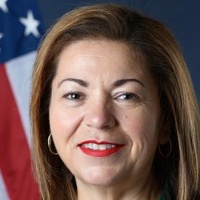
Linda Sánchez
Representative
CA
Linda Sánchez
Representative
CA
This resolution designates July 10th as Journeyman Lineworkers Recognition Day to honor the essential, high-risk work performed by these skilled professionals. It pays tribute to the lineworkers who provide critical service during emergencies and recognizes those who have made the ultimate sacrifice in the line of duty.
The Extreme Temperatures Injustice in Prisons Act of 2026 mandates upgrades to HVAC systems, establishes strict temperature safety standards, and requires regular monitoring and oversight to protect incarcerated individuals and staff from extreme heat and cold in federal prisons.
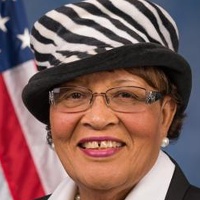
Alma Adams
Representative
NC
Alma Adams
Representative
NC
The Extreme Temperatures Injustice in Prisons Act of 2026 mandates that the Bureau of Prisons upgrade HVAC systems and implement strict temperature monitoring across all federal correctional facilities. The bill establishes enforceable standards to protect both incarcerated individuals and staff from extreme heat and cold while requiring the provision of essential mitigation supplies. Additionally, it mandates regular health reporting, oversight by the Inspector General, and specialized protections for medically vulnerable populations.
This bill strengthens the Department of Homeland Security’s Office for Civil Rights and Civil Liberties by formalizing its authority, expanding its oversight and investigative powers, and mandating greater transparency and accountability in protecting civil rights across the Department.
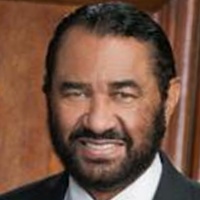
Al Green
Representative
TX
Al Green
Representative
TX
The Department of Homeland Security Office for Civil Rights and Civil Liberties Authorization Act strengthens the oversight and authority of the Office for Civil Rights and Civil Liberties. This legislation ensures the Office has the necessary resources, access, and independence to integrate civil rights protections into all Department policies, investigate potential abuses, and provide transparent reporting to Congress and the public.
This bill directs the President to remove U.S. Armed Forces from hostilities in Lebanon within seven days, pursuant to the War Powers Resolution.
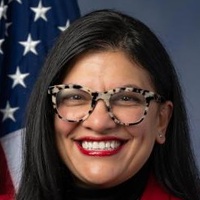
Rashida Tlaib
Representative
MI
Rashida Tlaib
Representative
MI
This resolution directs the President to withdraw U.S. Armed Forces from hostilities in Lebanon within seven days, utilizing authority under the War Powers Resolution. It explicitly clarifies that this action does not authorize the use of military force or limit security cooperation with Lebanese forces or the protection of diplomatic facilities.
This resolution reaffirms the nation's founding ideals and commits the House to advancing equity and opportunity for all immigrant communities as the U.S. approaches its 250th anniversary.
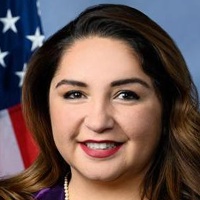
Delia Ramirez
Representative
IL
Delia Ramirez
Representative
IL
This resolution reaffirms the House of Representatives' commitment to the founding ideals of liberty, equality, and opportunity for all immigrant communities as the nation approaches its 250th anniversary. It acknowledges past failures to fully realize these ideals and highlights the significant contributions immigrants make to the United States. The bill supports expanding programs that help immigrants overcome barriers to full participation and urges increased investment in equitable community strengthening initiatives.
This bill impeaches Secretary of Education Linda M. McMahon for high crimes and misdemeanors, citing unlawful transfers of departmental offices, misleading Congress, and disrupting federal education funding.
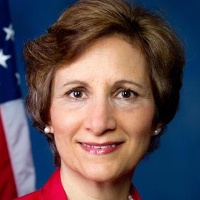
Suzanne Bonamici
Representative
OR
Suzanne Bonamici
Representative
OR
This bill impeaches Secretary of Education Linda M. McMahon for high crimes and misdemeanors related to her alleged unlawful transfer of departmental offices, willful non-compliance with federal law, and misleading Congress. The resolution cites her actions as a deliberate attempt to dismantle the Department of Education without congressional approval and a breach of her oath of office. These actions, including massive workforce reductions and the delayed disbursement of congressionally authorized funds, warrant her removal and disqualification from future office.
This Act prohibits the executive branch from indefinitely suspending the entire Diversity Visa Program, requiring transparency and congressional notification for any narrower, temporary limitations.
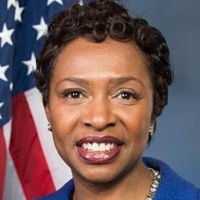
Yvette Clarke
Representative
NY
Yvette Clarke
Representative
NY
This bill, the Diversity Visa Protection and Modernization Act, aims to prevent the executive branch from indefinitely or broadly suspending the Diversity Immigrant Visa Program. It reaffirms that only Congress can halt the entire program, while allowing for narrowly tailored, temporary, or country-specific restrictions under strict transparency and notification requirements. The Act protects eligible visa selectees from losing their opportunities due to unexplained administrative pauses.
This resolution urges Congress to take immediate action to restore and strengthen voting rights protections and consider structural reforms to the Senate and Supreme Court to safeguard American democracy.
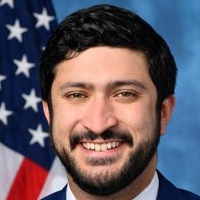
Gregorio Casar
Representative
TX
Gregorio Casar
Representative
TX
This resolution expresses the House's urgent call for Congress to restore and strengthen civil rights and fair political representation for all Americans. It specifically condemns recent Supreme Court decisions that have weakened the Voting Rights Act and enabled partisan gerrymandering. The bill asserts that Congress must act boldly, including considering Senate and Supreme Court reforms, to protect multiracial democracy.
This bill renames and revises the Great American Outdoors Act's maintenance fund, increases dedicated funding through new, higher fees for foreign visitors, and sets spending priorities for deferred maintenance across public lands agencies.
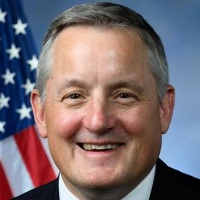
Bruce Westerman
Representative
AR
Bruce Westerman
Representative
AR
This bill, the Great American Outdoors Act 250, significantly reforms and renames the existing public lands restoration fund to the America’s Legacy Restoration Fund. It secures dedicated funding streams, primarily from energy revenues and new fees on foreign visitors, to address critical deferred maintenance across the National Park Service, Forest Service, and other public land agencies. The legislation establishes strict spending priorities for infrastructure repair while also creating pilot programs for enhancing outdoor recreation and sportsmen's access. Finally, it mandates increased transparency and accountability through standardized metrics and public reporting on all funded projects.
The LIFT the BAR Act restores federal public benefit eligibility, including SNAP, Medicaid, and housing assistance, for many lawfully present noncitizens by repealing restrictions from the 1996 welfare law and updating terminology.
Pramila Jayapal
Representative
WA
Pramila Jayapal
Representative
WA
The LIFT the BAR Act repeals decades-old restrictions that barred many lawfully present noncitizens from accessing essential federal public benefits. This legislation restores eligibility for programs like SNAP, Medicaid, CHIP, and housing assistance for qualified noncitizens. The bill also updates terminology, replacing "alien" with "noncitizen" throughout relevant statutes.
This bill commemorates the 50th anniversary of women enrolling in U.S. military service academies and honors their distinguished contributions to national service.
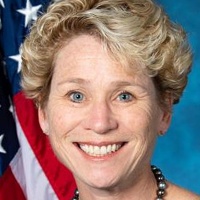
Chrissy Houlahan
Representative
PA
Chrissy Houlahan
Representative
PA
This resolution commemorates the 50th anniversary of women enrolling in U.S. military service academies, recognizing their significant growth and distinguished achievements since 1976. It honors the thousands of women graduates who have served with distinction across all branches of the armed forces and in national service. The bill also expresses support for designating a "50 Years of Women at the Service Academies Day."
This bill calls for the restoration of the U.S. Refugee Admissions Program and reaffirms America's commitment to protecting refugees and displaced persons globally.
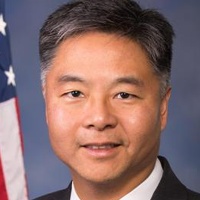
Ted Lieu
Representative
CA
Ted Lieu
Representative
CA
This resolution reaffirms the United States' commitment to refugee protection both domestically and globally, condemning recent policy actions that suspended refugee admissions. It calls for the immediate restoration of the U.S. Refugee Admissions Program and stronger support for displaced persons worldwide. The bill emphasizes the legal, moral, and economic benefits of robust refugee resettlement policies.
This bill prohibits Medicare Advantage plans from requiring prior authorization for repairs to complex rehabilitation technology like certain wheelchairs.
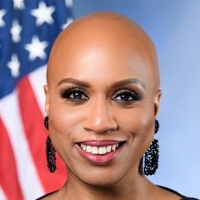
Ayanna Pressley
Representative
MA
Ayanna Pressley
Representative
MA
The FAST Repairs for Wheelchairs Act aims to speed up the repair process for essential mobility devices covered under Medicare Advantage. This bill prohibits Medicare Advantage plans from requiring prior authorization or extra documentation before covering necessary repairs to complex rehabilitation wheelchairs and related accessories. These new rules take effect for plan years beginning on or after January 1st following the law's enactment.
This act repeals the federal tax credit for contributions to scholarship organizations and eliminates the income exclusion for certain scholarship amounts received from those organizations.
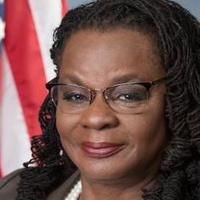
Gwen Moore
Representative
WI
Gwen Moore
Representative
WI
The Keep Public Funds in Public Schools Act of 2026 aims to redirect funding by eliminating federal tax incentives for private school scholarships. Specifically, it repeals the tax credit for contributions to scholarship-granting organizations and removes the income exclusion for certain scholarship amounts received. These changes are set to take effect starting in 2027.