
Legislative Activity
Track Sarah's sponsored bills, co-sponsored legislation, and voting record
The STAR Act of 2025 establishes a 25 percent tax credit for qualified semiconductor design expenditures to incentivize domestic research and technological innovation.
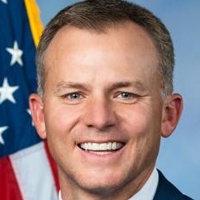
Blake Moore
Representative
UT
Blake Moore
Representative
UT
The Semiconductor Technology Advancement and Research (STAR) Act of 2025 establishes a 25 percent tax credit for qualified semiconductor design expenditures conducted within the United States. This legislation aims to bolster domestic innovation by incentivizing both in-house and contract design costs for advanced semiconductor technology. The credit is available through 2036 and is designed to complement existing manufacturing investment incentives.
This bill prohibits the use of federal funds for a first-use nuclear strike unless Congress has explicitly authorized such action through a declaration of war.
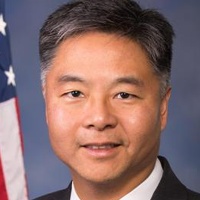
Ted Lieu
Representative
CA
Ted Lieu
Representative
CA
The Restricting First Use of Nuclear Weapons Act of 2025 prohibits the use of federal funds for a first-use nuclear strike unless Congress has explicitly authorized such an action through a declaration of war. This legislation aims to establish a constitutional check on presidential authority by ensuring that the decision to initiate nuclear conflict rests with the people’s representatives. The bill maintains the President's ability to authorize retaliatory nuclear strikes in response to an existing nuclear attack.
This bill amends the Harmful Algal Bloom and Hypoxia Research and Control Act of 1998 to expand federal research, monitoring, and mitigation efforts for harmful algal blooms and hypoxia events across marine and freshwater systems.
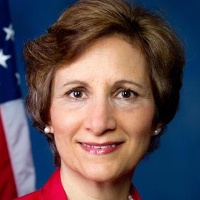
Suzanne Bonamici
Representative
OR
Suzanne Bonamici
Representative
OR
The Harmful Algal Bloom and Hypoxia Research and Control Amendments Act of 2025 strengthens federal efforts to monitor, forecast, and mitigate harmful algal blooms and hypoxia events across marine, estuarine, and freshwater systems. The bill establishes a permanent national program, creates a new technology incubator for bloom control, and enhances coordination between NOAA, the EPA, and tribal and local partners. Additionally, it expands research priorities and improves the process for declaring and responding to events of national significance to better protect public health, food security, and local economies.
The Honor Our Living Donors Act removes financial barriers for organ donors by prohibiting income-based reimbursement restrictions and requiring annual federal reporting on program funding adequacy.
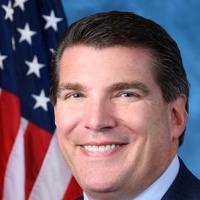
Jay Obernolte
Representative
CA
Jay Obernolte
Representative
CA
The Honor Our Living Donors Act removes financial barriers for organ donors by prohibiting the consideration of a recipient’s income during the reimbursement process and eliminating expectations of payment from recipients. Additionally, the bill mandates an annual report to Congress to ensure that federal grant programs provide sufficient funding to fully cover all qualifying expenses for living donors.
This Act makes certain federal and state loan repayments and scholarships for health professionals serving in underserved areas tax-free.
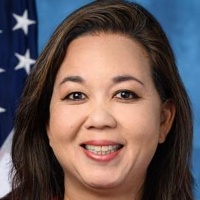
Jill Tokuda
Representative
HI
Jill Tokuda
Representative
HI
The Strengthening Pathways to Health Professions Act aims to encourage more individuals to enter the healthcare field by providing significant tax relief. This bill specifically makes certain loan repayments and scholarships received through various Public Health Service and state programs tax-free income. These changes apply to programs designed to increase the number of health professionals serving in underserved areas.
The BEACH Act of 2025 expands coastal water quality monitoring, authorizes funding through 2029, and requires the EPA to incorporate the latest testing technologies into its guidance.
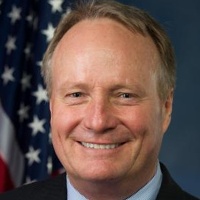
David Joyce
Representative
OH
David Joyce
Representative
OH
The BEACH Act of 2025 strengthens coastal water safety by expanding monitoring requirements to include upstream waters and public beach access points. The bill provides $30 million in annual funding through 2029 to support these efforts and allows states to use grants to identify specific sources of contamination. Additionally, it mandates that the EPA incorporate the latest testing technologies into its guidance for state and local water quality programs.
The Veterans Member Business Loan Act amends the Federal Credit Union Act to include loans made to veterans within the definition of "member business loans."
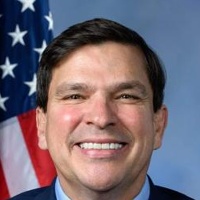
Vicente Gonzalez
Representative
TX
Vicente Gonzalez
Representative
TX
The Veterans Member Business Loan Act amends the Federal Credit Union Act to include loans made to veterans within the definition of "member business loans." This change aims to expand access to capital for veteran-owned businesses by facilitating easier lending through credit unions.
The Young Americans Financial Literacy Act authorizes funding for Centers of Excellence to develop and implement research-backed financial literacy programs for young people aged 8 to 24.

André Carson
Representative
IN
André Carson
Representative
IN
The Young Americans Financial Literacy Act addresses the widespread need for improved financial education among young people aged 8 to 24. This bill authorizes funding for competitive grants to establish Centers of Excellence focused on developing and implementing research-backed financial literacy programs. These centers will create educational materials, train educators, and specifically target issues like student debt management for young adults. The goal is to improve financial well-being and stability through targeted, measurable educational interventions.
The Equal COLA Act amends federal law to ensure Federal Employees Retirement System (FERS) annuities receive full annual cost-of-living adjustments regardless of the annuity's start date.

Gerald Connolly
Representative
VA
Gerald Connolly
Representative
VA
The Equal COLA Act amends the Federal Employees Retirement System (FERS) to ensure that retirees receive the full annual cost-of-living adjustment (COLA). This legislation eliminates current discrepancies in calculation methods, providing federal annuitants with a COLA that matches the full percentage change in the price index.
The Chiropractic Medicare Coverage Modernization Act of 2025 expands Medicare coverage to include all services provided by doctors of chiropractic that are within the scope of their state licensure.
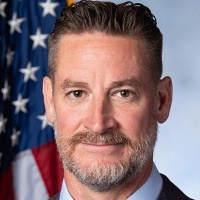
W. Steube
Representative
FL
W. Steube
Representative
FL
The Chiropractic Medicare Coverage Modernization Act of 2025 expands Medicare coverage to include all services legally authorized under a chiropractor’s state license, moving beyond the current restriction limited to manual spinal manipulation. This legislation aligns Medicare benefits with private insurance and other federal health programs to better reflect modern chiropractic practice. To provide these expanded services, chiropractors will be required to complete a one-time training program verified by the Secretary of Health and Human Services.
This bill increases the railroad track maintenance tax credit, introduces annual inflation adjustments, and extends the eligibility period for qualifying expenditures.
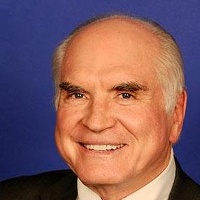
Mike Kelly
Representative
PA
Mike Kelly
Representative
PA
This bill amends the Internal Revenue Code to expand the railroad track maintenance credit by increasing the per-mile tax credit to $6,100 and implementing annual inflation adjustments starting in 2026. It also extends the eligibility window for qualifying maintenance expenditures to include costs incurred through 2023. These updates aim to provide greater financial support for ongoing railroad infrastructure improvements.
This bill prohibits discrimination in the Armed Forces by requiring that military service eligibility and personnel policies be based solely on occupational standards rather than race, religion, sex, gender identity, or sexual orientation.
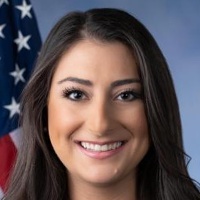
Sara Jacobs
Representative
CA
Sara Jacobs
Representative
CA
The Ensuring Military Readiness Not Discrimination Act mandates that military service eligibility and personnel policies be based solely on an individual's ability to meet occupational standards. It prohibits discrimination within the Armed Forces based on race, color, national origin, religion, or sex, explicitly including gender identity, sexual orientation, and sex characteristics. This legislation ensures equal treatment and opportunity for all service members.
The Saving the Civil Service Act protects the merit-based federal workforce by restricting the ability of agencies to reclassify competitive service positions into the excepted service.
Gerald Connolly
Representative
VA
Gerald Connolly
Representative
VA
The Saving the Civil Service Act protects the merit-based federal workforce by restricting the ability of agencies to reclassify competitive service positions into the excepted service. The bill establishes strict oversight, limits the number of positions that can be transferred, and mandates employee consent for such reclassifications. These measures ensure that federal staffing remains professional and protected from arbitrary political interference.
The MACH Act authorizes NASA to establish a program providing testing opportunities for commercial hypersonic aircraft and related technologies while implementing strict research security protocols.
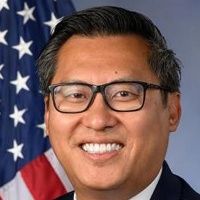
Vince Fong
Representative
CA
Vince Fong
Representative
CA
The Making Advancements in Commercial Hypersonics (MACH) Act authorizes NASA to establish a program providing testing opportunities for high-speed aircraft and related technologies. While the program supports the evaluation of these technologies, it is strictly prohibited from funding their development. The Act also mandates the creation of a strategic plan, interagency coordination with the Department of Defense and the FAA, and rigorous reporting requirements to ensure research security.
This bill prohibits the Department of Education from using appropriated funds to reorganize, decentralize, or reduce its current staffing and operational structure.
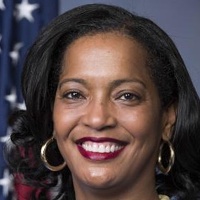
Jahana Hayes
Representative
CT
Jahana Hayes
Representative
CT
The Department of Education Protection Act prohibits the Department of Education from using federal funds to reorganize, decentralize, or reduce its staffing and operations. This legislation mandates that the Department must maintain the structure, authority, and functions that were in place as of January 1, 2025.
This bill amends the International Emergency Economic Powers Act to prohibit the President from using emergency authorities to impose import duties or quotas.

Suzan DelBene
Representative
WA
Suzan DelBene
Representative
WA
The Prevent Tariff Abuse Act amends the International Emergency Economic Powers Act to restrict the President's authority to impose import duties or quotas. This bill clarifies that emergency economic powers do not include the ability to levy trade restrictions on goods entering the United States.
This bill prohibits the use of federal funds to support or facilitate Russia’s participation in the G7 or the re-establishment of a G8 that includes Russia.
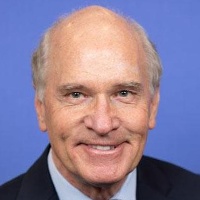
William Keating
Representative
MA
William Keating
Representative
MA
This bill establishes a formal U.S. policy to exclude the Russian Federation from the Group of Seven (G7) and opposes the reconstitution of the G8. It prohibits the use of federal funds to support or facilitate Russia’s participation in any G7 proceedings or the re-establishment of a G8 that includes Russia.
The TRUST in Congress Act requires Members of Congress, their spouses, and their dependent children to place certain investment assets into qualified blind trusts to prevent conflicts of interest.
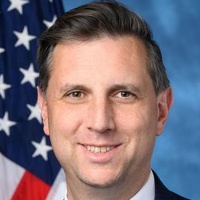
Seth Magaziner
Representative
RI
Seth Magaziner
Representative
RI
The TRUST in Congress Act requires Members of Congress, their spouses, and their dependent children to place covered financial investments into qualified blind trusts to prevent conflicts of interest. The bill establishes strict deadlines for asset transfers and mandates public certification of compliance. These measures ensure that lawmakers cannot influence or benefit from their personal investments while serving in office.
The HEADWAY Act updates credentialing requirements for Early Head Start teachers by requiring at least one qualified lead teacher per classroom while providing mentorship and a pathway for all other staff to earn their Child Development Associate (CDA) credential.
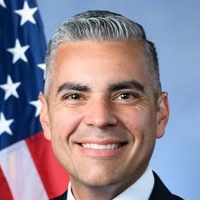
Juan Ciscomani
Representative
AZ
Juan Ciscomani
Representative
AZ
The HEADWAY Act updates credentialing requirements for Early Head Start teachers to improve workforce accessibility while maintaining quality standards. The bill mandates that each classroom have at least one fully qualified teacher, while requiring all other staff to actively pursue a Child Development Associate (CDA) credential. To support this professional development, agencies are required to provide mentorship for teachers working toward their certifications.
The Health Care Affordability Act of 2025 expands access to premium tax credits by removing income eligibility caps and implementing a new sliding-scale contribution formula.

Lauren Underwood
Representative
IL
Lauren Underwood
Representative
IL
The Health Care Affordability Act of 2025 expands access to health insurance by removing the 400% federal poverty level income cap for premium tax credits. It also introduces a new sliding-scale contribution formula to ensure that insurance costs remain affordable for households across all income levels. These changes are set to take effect for taxable years beginning after December 31, 2025.