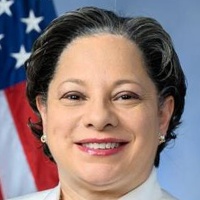
Legislative Activity
Track Jennifer's sponsored bills, co-sponsored legislation, and voting record
This Act establishes an interagency task force, led by the FTC and DOJ, to develop and implement a national strategy to combat scams through coordination, education, and enforcement.
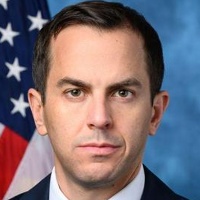
Robert Menendez
Representative
NJ
Robert Menendez
Representative
NJ
This Act establishes the **Strategic Task Force on Scam Prevention**, an interagency group led by the FTC and DOJ, to combat fraud. The task force is charged with developing and implementing a national strategy that includes public education, industry coordination, and enhanced enforcement actions. It will also coordinate with international partners and report annually on its efforts to reduce financial losses from scams.
This bill prohibits the Secretary of Health and Human Services from implementing the Wasteful and Inappropriate Services Reduction (WISeR) Model under Medicare.
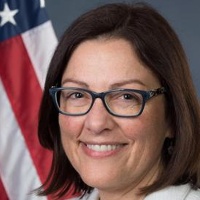
Suzan DelBene
Representative
WA
Suzan DelBene
Representative
WA
The Seniors Deserve SMARTER Care Act of 2025 prohibits the Secretary of Health and Human Services from implementing the Wasteful and Inappropriate Services Reduction (WISeR) Model under Medicare. This legislation specifically blocks the implementation of the prior authorization requirements associated with the WISeR Model. The goal is to prevent the adoption of this particular payment and service delivery model.
This resolution supports the goals of National Domestic Violence Awareness Month, highlights the pervasive and devastating impact of intimate partner violence across all demographics, and calls for increased funding for prevention and support programs.
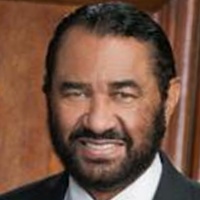
Al Green
Representative
TX
Al Green
Representative
TX
This resolution designates October as National Domestic Violence Awareness Month to highlight the widespread and devastating impact of intimate partner violence across all demographics. It recognizes the urgent need to eliminate domestic violence and supports increased funding for intervention and prevention programs. The resolution underscores the severe physical, emotional, and economic toll this abuse takes on individuals, families, and communities.
This resolution commemorates the seventh anniversary of Jamal Khashoggi's murder while condemning ongoing Saudi human rights abuses and calling for accountability for those responsible.
James Walkinshaw
Representative
VA
James Walkinshaw
Representative
VA
This resolution commemorates the seventh anniversary of Jamal Khashoggi's murder and addresses ongoing human rights abuses by the Government of Saudi Arabia, including transnational repression against dissidents. Congress calls on Saudi Arabia to hold all individuals accountable for Khashoggi's murder and to immediately release all wrongfully detained persons. The resolution emphasizes that these abuses strain the essential U.S.-Saudi relationship.
This bill extends and modifies various tax credits for energy production, efficiency improvements, and clean vehicle adoption to lower energy costs and support American energy leadership.
Mike Thompson
Representative
CA
Mike Thompson
Representative
CA
The American Energy Independence and Affordability Act is a comprehensive bill designed to lower energy costs by extending and adjusting key tax incentives across energy production, efficiency, and clean vehicle adoption. It stabilizes support for renewable energy manufacturing, extends deadlines for energy-efficient building credits, and ensures consumer incentives for electric vehicles remain available through 2032. Overall, the legislation aims to provide long-term certainty for energy investments and consumer adoption of cleaner technologies.
The HEATS Act ensures continuous funding for the Low-Income Home Energy Assistance Program (LIHEAP) by automatically drawing from the Treasury during a federal government shutdown.
Raul Ruiz
Representative
CA
Raul Ruiz
Representative
CA
The HEATS Act ensures that the Low-Income Home Energy Assistance Program (LIHEAP) continues to provide essential assistance payments even during a federal government shutdown. This legislation automatically draws necessary funds from the Treasury to cover LIHEAP obligations if discretionary funding lapses. The goal is to prevent interruptions in energy assistance for vulnerable households during periods of government funding uncertainty.
This resolution expresses the House of Representatives' support for designating the second Monday in October 2025 as "Indigenous Peoples' Day" to honor the history, culture, and contributions of Indigenous Peoples.
Norma Torres
Representative
CA
Norma Torres
Representative
CA
This resolution expresses the strong support of the House of Representatives for designating the second Monday in October 2025 as "Indigenous Peoples' Day." It aims to formally recognize and honor the history, culture, and enduring contributions of Indigenous Peoples in the United States. The measure encourages public observance and supports the eventual establishment of this day as an official Federal holiday.
This Act mandates that all states must operate the WIC program and guarantees necessary funding through permanent appropriation starting in fiscal year 2026.
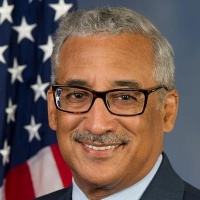
Robert Scott
Representative
VA
Robert Scott
Representative
VA
The WIC Benefits Protection Act mandates that all states must operate the Special Supplemental Nutrition Program for Women, Infants, and Children (WIC). This legislation also guarantees permanent, mandatory funding for WIC starting in fiscal year 2026, ensuring the program has the necessary resources annually. Furthermore, it clarifies eligibility language within the program's governing statute.
The FARM SAFE Act ensures that essential Department of Agriculture employees continue working to administer agricultural disaster assistance programs during federal government shutdowns.
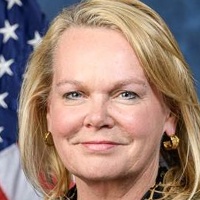
April McClain Delaney
Representative
MD
April McClain Delaney
Representative
MD
The FARM SAFE Act ensures that critical agricultural disaster assistance programs continue to operate without interruption during federal government shutdowns or lapses in appropriations. This legislation mandates that necessary Department of Agriculture employees remain on the job to administer these vital aid programs. By classifying these workers as "excepted employees," the bill prevents layoffs or furloughs that could halt disaster relief efforts for farmers.
This Act temporarily halts certain legal and financial actions against federal employees and their contractors during a government shutdown to protect their civil rights and financial stability.
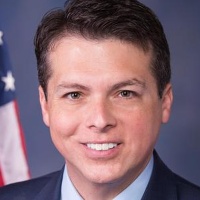
Brendan Boyle
Representative
PA
Brendan Boyle
Representative
PA
The Federal Employees Civil Relief Act aims to protect federal employees and contractors from negative civil actions during a government shutdown. It temporarily pauses various legal and administrative proceedings, including evictions, foreclosures, and debt collections, when a worker is furloughed or working without pay. The bill also grants federal workers the ability to defer income tax payments without penalty and prevents negative credit reporting based on seeking relief under this Act.
This bill authorizes the Federal Government to reimburse states for using their own funds to maintain WIC program operations during a lapse in federal appropriations.
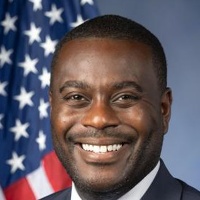
Gabe Amo
Representative
RI
Gabe Amo
Representative
RI
This bill ensures that states are reimbursed by the Federal Government for any state funds they use to maintain essential operations of the Special Supplemental Nutrition Program for Women, Infants, and Children (WIC) during a lapse in federal appropriations. It provides a mechanism for the Federal Government to pay back states that cover WIC costs during a government shutdown. This protects state budgets while keeping vital nutrition assistance running.
The FAST Justice Act allows federal employees or job applicants to file a civil lawsuit in district court if the Merit Systems Protection Board (MSPB) fails to decide their appeal within 120 days.
James Walkinshaw
Representative
VA
James Walkinshaw
Representative
VA
The Fair Access to Swift and Timely Justice Act, or FAST Justice Act, allows federal employees or job applicants to file a civil lawsuit in federal district court if the Merit Systems Protection Board (MSPB) fails to issue a decision on their appeal within 120 days. This provision provides an alternative remedy when the MSPB's review process causes undue delay. Filing a lawsuit pauses the MSPB appeal, but the original appeal rights remain intact if the lawsuit is dismissed.
This Act waives the 10% early withdrawal penalty on Thrift Savings Plan distributions up to $30,000 during a federal government shutdown and provides special provisions for TSP hardship withdrawals and loan payments affected by the lapse in appropriations.
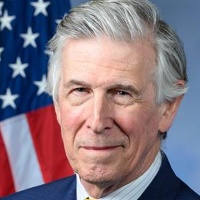
Donald Beyer
Representative
VA
Donald Beyer
Representative
VA
The Emergency Relief for Federal Workers Act of 2025 provides financial relief to federal employees affected by government shutdowns. This bill waives the 10% early withdrawal penalty on Thrift Savings Plan (TSP) distributions up to $30,000 during a qualifying shutdown. Additionally, it allows affected employees greater access to TSP hardship withdrawals and loans, and prevents missed TSP loan payments due to a shutdown from being treated as a taxable distribution.
This bill allows federal contractors and affected government employees to make tax-advantaged retirement plan withdrawals during a government shutdown, with provisions for repayment within three years.
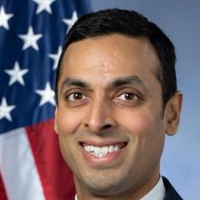
Suhas Subramanyam
Representative
VA
Suhas Subramanyam
Representative
VA
The Emergency Relief for Federal Contractors Act of 2025 allows individuals affected by a federal appropriations lapse to make tax-favored withdrawals of up to \$30,000 from their retirement plans without incurring early withdrawal penalties. These distributions can be repaid within three years and the taxable income can be spread over three years. This relief specifically targets furloughed federal contractors, grantee employees, and certain D.C. government workers impacted by shutdowns lasting two weeks or more.
This bill requires federal financial regulators to create and quickly disseminate guidance encouraging lenders to offer flexible, fair accommodations to consumers and businesses impacted by a government shutdown.
Suhas Subramanyam
Representative
VA
Suhas Subramanyam
Representative
VA
The Shutdown Guidance for Financial Institutions Act requires federal financial regulators to create and issue guidance for banks and lenders on how to support customers and businesses affected by a government shutdown. This guidance must encourage flexible loan adjustments and prevent unfair negative credit reporting for those experiencing income loss due to the lapse in funding. Regulators must also issue rapid alerts when a shutdown occurs and report on the effectiveness of the guidance afterward.
This Act ensures that members of the Armed Forces, DoD civilian employees, and necessary contractors receive pay and allowances for fiscal year 2026 if a full budget has not been enacted by October 1, 2025.
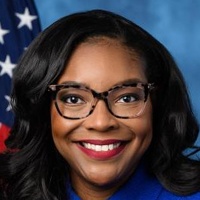
Emilia Sykes
Representative
OH
Emilia Sykes
Representative
OH
The Pay Our Military Act ensures that members of the Armed Forces continue to receive their pay and allowances if a full budget for fiscal year 2026 has not been enacted. This continuing appropriation provides necessary funds for active duty, reserves, and essential civilian support staff. This automatic funding remains in effect until a full appropriation is passed or until January 1, 2027.
This Act provides appropriations and mandates contract price adjustments to compensate federal contractor employees for losses incurred due to funding lapses or government shutdowns.
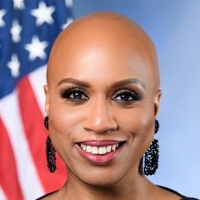
Ayanna Pressley
Representative
MA
Ayanna Pressley
Representative
MA
The Fair Pay for Federal Contractors Act of 2025 ensures that employees of federal contractors are compensated for losses incurred due to government funding lapses or shutdowns. It requires federal agencies to adjust existing contracts to cover reasonable costs associated with furloughs, pay cuts, or mandatory leave taken by contractor employees. The bill appropriates necessary funds to cover these contract price adjustments and mandates public reporting on the compensation provided.
This bill establishes a process for federal employees, contractors, and states to be reimbursed for financial costs incurred due to government shutdowns.
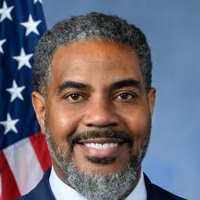
Steven Horsford
Representative
NV
Steven Horsford
Representative
NV
The Pay Workers What They've Earned Act aims to reimburse federal employees and contractors for direct financial costs incurred due to government shutdowns. This legislation specifically covers expenses like late fees and interest charges resulting from missed paychecks during a lapse in funding. It also establishes a process for states to be reimbursed if they use their own funds to cover normally federal responsibilities during extended shutdowns. The bill creates a dedicated Treasury fund to ensure timely payments to affected workers in the future.
This bill ensures federal firefighters receive uninterrupted pay during fiscal year 2026 budget delays and protects them from layoffs during government shutdowns.
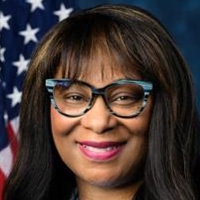
Janelle Bynum
Representative
OR
Janelle Bynum
Representative
OR
The Federal Firefighter Paycheck Protection Act ensures that federal firefighters continue to receive their pay and allowances if Congress delays passing the budget for fiscal year 2026. This legislation also prohibits the reduction in force or layoffs of federal firefighters specifically due to government shutdowns caused by funding lapses. Essentially, this bill protects the paychecks and employment stability of federal firefighters during budget uncertainty.
This bill mandates that certain new medical devices must be designed to be fully usable by individuals who are blind or have low vision.
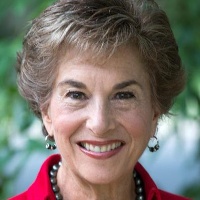
Janice Schakowsky
Representative
IL
Janice Schakowsky
Representative
IL
The Medical Device Nonvisual Accessibility Act of 2025 mandates that certain new medical devices must be designed to be fully usable by individuals who are blind or have low vision. This ensures that users can access information and operate life-saving equipment independently and privately, similar to sighted users. The FDA is tasked with establishing specific nonvisual accessibility standards for these covered devices within a set timeline. Devices failing to meet these standards after the effective date will be deemed adulterated.