Legislative Activity
Track Seth's sponsored bills, co-sponsored legislation, and voting record
Ethan's Law establishes federal penalties for improperly storing firearms where minors or prohibited persons can access them and creates grant programs to incentivize states to adopt matching safe storage laws.
Rosa DeLauro
Representative
CT
Rosa DeLauro
Representative
CT
Ethan's Law establishes federal requirements for the secure storage of firearms to prevent unauthorized access by minors and prohibited persons, making improper storage a civil violation with escalating penalties if injury or death results. The bill also creates a federal grant program to incentivize states and Tribes to adopt matching safe storage laws. Furthermore, Congress declares that failing to comply with these storage requirements constitutes negligence and may be considered the direct cause of resulting firearm injuries.
The Conrad State 30 and Physician Access Reauthorization Act extends and modifies the Conrad 30 program, which allows foreign physicians to work in underserved areas of the U.S. in exchange for a waiver of certain visa requirements, while also providing employment protections and clarifying immigration procedures for these physicians.
David Valadao
Representative
CA
David Valadao
Representative
CA
The Conrad State 30 and Physician Access Reauthorization Act extends the Conrad State 30 program, which allows foreign physicians to work in underserved areas of the U.S. in exchange for a waiver of certain visa requirements. It modifies requirements for foreign physicians seeking waivers, including employment protections, state waiver limits, and contract requirements. The bill also increases the number of waivers available to states and modifies immigration procedures for physicians, including allowing "dual intent" for medical graduates and clarifying national interest waivers. Finally, it requires an annual report on the Conrad State 30 J1 Visa Waiver Program.
This bill ensures Medicare patients can continue receiving physical therapy services without interruption by allowing temporary substitute therapists ("locum tenens") to be covered when a physical therapist is temporarily unavailable.

Gus Bilirakis
Representative
FL
Gus Bilirakis
Representative
FL
The "Prevent Interruptions in Physical Therapy Act of 2025" ensures Medicare beneficiaries can continue receiving uninterrupted physical therapy services. It allows physical therapists to utilize temporary staffing arrangements, known as "locum tenens," when the regular therapist is temporarily unavailable. This ensures Medicare payments for services provided by qualified substitute physical therapists, maintaining consistent care for patients.
The LEASH DOGE Act mandates transparency and oversight of the Department of Government Efficiency (DOGE) by requiring detailed reports on employees, activities, and funding changes, with restrictions on fund usage for non-compliance.
Suhas Subramanyam
Representative
VA
Suhas Subramanyam
Representative
VA
The LEASH DOGE Act mandates transparency and oversight of the Department of Government Efficiency (DOGE) by requiring detailed reports on employees, activities, and potential conflicts of interest to be submitted to Congress and made public. It sets a deadline of March 31, 2025, for DOGE to comply with these requirements, or face restrictions on the use of funds, including those allocated to DOGE Agency Teams. This act ensures accountability and provides the public with accessible information regarding DOGE's operations and impact on government programs.
Ensures Coast Guard members receive pay and benefits during funding lapses, comparable to other armed forces, by providing continued funding for salaries, benefits, and essential services.
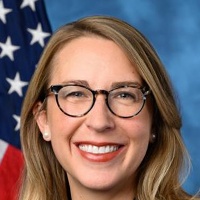
Hillary Scholten
Representative
MI
Hillary Scholten
Representative
MI
The "Pay Our Coast Guard Parity Act of 2025" ensures that Coast Guard members receive equitable pay and benefits compared to other branches of the Armed Forces. During a Coast Guard-specific funding lapse, the bill guarantees continued pay for Coast Guard military members, qualified civilian and contract employees, death gratuities, funeral travel, and basic housing allowance for dependents of Coast Guard members who die on active duty. This funding continues as long as Department of Defense funding is available, up to two weeks after a Coast Guard-specific funding lapse begins. The bill affirms the Coast Guard as a military service and aims to provide financial security to its members during funding uncertainties.
This resolution designates February 24–28, 2025, as "Public Schools Week" to celebrate the vital role of public education and advocate for the continued support and funding of our nation's schools.
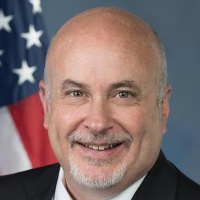
Mark Pocan
Representative
WI
Mark Pocan
Representative
WI
This resolution designates February 24–28, 2025, as "Public Schools Week" to celebrate the vital role public education plays in preparing students for the future. It reaffirms the commitment to providing every child with a high-quality, inclusive, and well-funded learning environment. Additionally, the bill calls on lawmakers to prioritize equitable resources and support services to ensure student success.
The "MODERN WIC Act of 2025" expands remote access to WIC benefits by allowing virtual certification appointments, remote benefit issuance, and requires a report to Congress on the use of remote technologies within the WIC program.
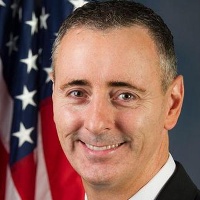
Brian Fitzpatrick
Representative
PA
Brian Fitzpatrick
Representative
PA
The MODERN WIC Act of 2025 aims to modernize the WIC program by expanding options for remote certification appointments, including telephone and video calls, and allowing for remote delivery of food benefits. It requires state agencies to offer various formats for certification appointments, ensuring accessibility for individuals with disabilities. The Act also mandates a report to Congress on the use of remote technologies in WIC, focusing on their impact and best practices.
The "Gun Trafficker Detection Act" mandates reporting lost or stolen firearms, establishes penalties for violations, and enhances data management and background check systems.
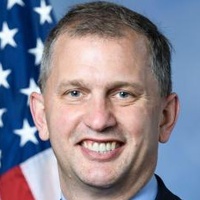
Sean Casten
Representative
IL
Sean Casten
Representative
IL
The Gun Trafficker Detection Act requires non-licensed firearm owners to report lost or stolen firearms to the Attorney General and local law enforcement within 48 hours, and it mandates the Attorney General to establish a web-based portal for such reporting. States must allocate a portion of their grant funding to manage data on lost or stolen firearms. The act also establishes penalties for failing to report or for falsely reporting the loss or theft of a firearm, and it updates the national criminal background check system accordingly.
The Public Safety Employer-Employee Cooperation Act establishes collective bargaining rights for public safety officers nationwide, ensuring fair labor practices and cooperation between employers and employees.
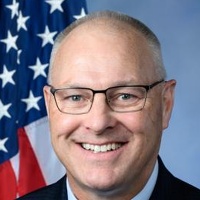
Pete Stauber
Representative
MN
Pete Stauber
Representative
MN
The Public Safety Employer-Employee Cooperation Act establishes a framework for collective bargaining rights for public safety officers (law enforcement, firefighters, and emergency medical services personnel) at the state level. It directs the Federal Labor Relations Authority to determine if states substantially protect these rights, and if not, the Authority will establish collective bargaining procedures. The Act aims to promote cooperation between public safety employers and employees while respecting existing state laws and prohibiting strikes and lockouts. This law does not override state laws that provide similar or stronger protections for public safety officers.
The "Accelerating Kids’ Access to Care Act of 2025" streamlines Medicaid and CHIP enrollment for out-of-state providers, increasing healthcare access for children.
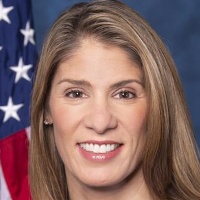
Lori Trahan
Representative
MA
Lori Trahan
Representative
MA
The "Accelerating Kids Access to Care Act of 2025" streamlines the enrollment process for out-of-state healthcare providers in Medicaid and CHIP, ensuring children under 21 have access to care from eligible providers across state lines. By reducing administrative burdens and unnecessary screening requirements, the Act aims to improve healthcare access for children while maintaining necessary safeguards against fraud and abuse. Participating providers will be enrolled for a 5-year period, and the changes will take effect three years after the Act's enactment.
This bill establishes a dedicated section within the Department of Justice to enforce federal animal cruelty laws, enhance investigations and prosecutions, and improve inter-agency coordination.
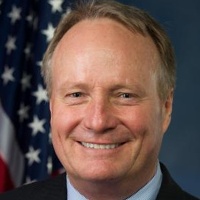
David Joyce
Representative
OH
David Joyce
Representative
OH
The Animal Cruelty Enforcement Act of 2025 establishes an Animal Cruelty Crimes Section within the Department of Justice to enforce federal animal cruelty laws, pursue investigations and prosecutions, and coordinate with other agencies. The section is required to submit an annual report to Congress regarding charges, convictions, and investigations. The bill recognizes the connection between animal cruelty and other crimes and aims to address the lack of dedicated enforcement of animal protection laws.
The "Kids Access to Primary Care Act of 2025" aims to improve children's access to primary care by increasing Medicaid payments to primary care providers, including OB/GYNs, and encouraging the use of Bright Futures guidelines.
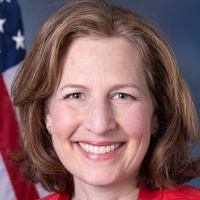
Kim Schrier
Representative
WA
Kim Schrier
Representative
WA
The "Kids Access to Primary Care Act of 2025" aims to improve children's healthcare access by increasing Medicaid payments for primary care services to match Medicare rates, expanding the types of providers eligible for these payments, and mandating compliance from Medicaid managed care plans. It also requires a study on the impact of these changes on enrollment and provider payment rates. Additionally, the Act encourages healthcare providers to utilize the Bright Futures guidelines for pediatric care.
This bill amends the Civilian Health and Medical Program of the Department of Veterans Affairs (CHAMPVA) to extend eligibility for medical care to children until their 26th birthday, regardless of marital status.
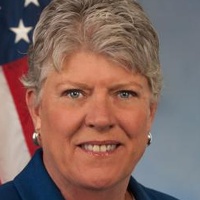
Julia Brownley
Representative
CA
Julia Brownley
Representative
CA
The CHAMPVA Children's Care Protection Act of 2025 amends the eligibility requirements for the Civilian Health and Medical Program of the Department of Veterans Affairs (CHAMPVA). This act increases the maximum age for eligible children to receive medical care under the program to 26 years old, regardless of their marital status. This change does not affect benefits for children incapable of self-support and takes effect for medical care provided on or after the enactment of this act.
The Poverty Line Act of 2025 updates the calculation of the federal poverty line to more accurately reflect the cost of basic needs and regional variations in cost of living, expanding eligibility for federal assistance programs.
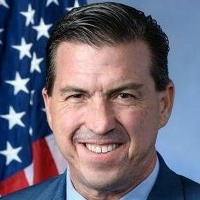
Kevin Mullin
Representative
CA
Kevin Mullin
Representative
CA
The Poverty Line Act of 2025 updates the calculation of the federal poverty line to more accurately reflect the true costs of basic needs such as housing, childcare, and healthcare, while also accounting for geographic variations and household spending norms. This updated calculation aims to expand eligibility for federal assistance programs. The Act requires regular evaluations and adjustments to the poverty line, ensuring it keeps pace with economic changes and accurately reflects the needs of households striving for economic mobility. It also mandates a report to Congress on necessary updates to federal laws and regulations that rely on the poverty line for program eligibility.
This bill expands Post-9/11 GI Bill eligibility to National Guard members performing specific full-time duties.
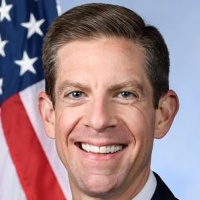
Mike Levin
Representative
CA
Mike Levin
Representative
CA
The Guard and Reserve GI Bill Parity Act of 2025 expands Post-9/11 GI Bill eligibility to National Guard members performing specific full-time duties. This expansion applies to service performed on or after September 11, 2001. The changes will take effect one year after the enactment of this Act, with the time limitation for using educational assistance applied as if enacted immediately after the Post-9/11 Veterans Educational Assistance Act of 2008.
The "Family-to-Family Reauthorization Act of 2025" extends funding for family-to-family health information centers through 2029.
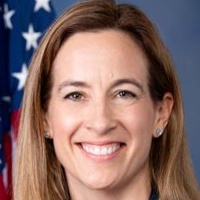
Mikie Sherrill
Representative
NJ
Mikie Sherrill
Representative
NJ
The "Family-to-Family Reauthorization Act of 2025" extends funding for family-to-family health information centers. It allocates \$6,000,000 for April 1, 2025, to September 30, 2025, and \$9,000,000 for each fiscal year from 2026 through 2029. This ensures continued support for families navigating healthcare for children with disabilities or special needs.
The "ENABLE Act" permanently extends provisions that increase contributions to ABLE accounts, include ABLE contributions in retirement savings calculations, and allow penalty-free rollovers from 529 education savings accounts to ABLE accounts.
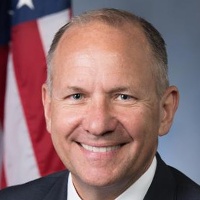
Lloyd Smucker
Representative
PA
Lloyd Smucker
Representative
PA
The ENABLE Act permanently extends provisions that allow for increased contributions to ABLE accounts, which are savings accounts for individuals with disabilities. It also allows penalty-free rollovers from 529 education savings accounts to ABLE accounts, providing greater flexibility in financial planning for families and individuals with disabilities. Additionally, the act includes contributions made to an ABLE account when calculating retirement savings contributions.
This bill establishes a federal working group to standardize the measurement of loneliness and isolation for research purposes.
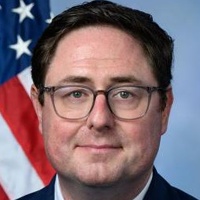
Mike Flood
Representative
NE
Mike Flood
Representative
NE
The "Improving Measurements for Loneliness and Isolation Act of 2025" establishes a federal working group to create standard definitions and measurements for loneliness and isolation. This group will develop guidelines for use in public and private research and assess current measurement methods. The goal is to improve understanding and strategic responses to loneliness and isolation. The working group will submit a report to Congress with its findings and recommendations.
This bill authorizes a Congressional Gold Medal to be awarded to the First Rhode Island Regiment in recognition of their heroic service during the Revolutionary War, particularly highlighting their integrated composition and valor at the Battle of Rhode Island.
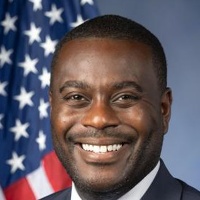
Gabe Amo
Representative
RI
Gabe Amo
Representative
RI
The "First Rhode Island Regiment Congressional Gold Medal Act" authorizes the creation of a Congressional Gold Medal to honor the First Rhode Island Regiment, a historically significant integrated unit that fought valiantly during the Revolutionary War. The medal will be presented to the Rhode Island State Library for public display and research. The Act also allows for the creation and sale of bronze duplicates of the medal to support the United States Mint Public Enterprise Fund.
This bill establishes an Office of Gun Violence Prevention within the Department of Justice to coordinate gun violence prevention efforts, evaluate related programs and policies, recommend evidence-based strategies, and assist communities affected by gun violence.
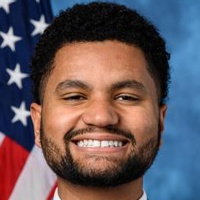
Maxwell Frost
Representative
FL
Maxwell Frost
Representative
FL
The "Office of Gun Violence Prevention Act of 2025" establishes an Office of Gun Violence Prevention within the Department of Justice, led by a Director appointed by the Attorney General, to coordinate gun violence prevention efforts, evaluate related laws and programs, and recommend evidence-based policies to Congress and the President. The Director will also convene an advisory council comprising various officials and at least 12 additional individuals representing gun violence survivors, community violence intervention service providers, and other relevant groups. The Office will also assist communities affected by gun violence with crisis response activities, such as providing access to mental health services and suicide prevention resources. Finally, the act authorizes the appropriation of necessary funds to carry out the provisions of the bill.