Legislative Activity
Track Barry's sponsored bills, co-sponsored legislation, and voting record
The 287(g) Cooperation Act of 2026 mandates that state and local law enforcement agencies participate in the 287(g) immigration enforcement program to remain eligible for federal COPS grant funding.
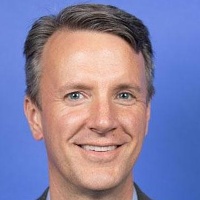
Ben Cline
Representative
VA
Ben Cline
Representative
VA
The 287(g) Cooperation Act of 2026 mandates that state and local law enforcement agencies participate in the federal 287(g) immigration enforcement program to remain eligible for Department of Justice COPS grants. Agencies that fail to enter into a 287(g) agreement within 180 days of the bill's enactment will be disqualified from receiving this federal funding. This requirement applies to all COPS grant applications beginning in fiscal year 2027.
The SNAP Fraud Reporting Act of 2026 mandates that states submit comprehensive annual data on Supplemental Nutrition Assistance Program fraud to the Secretary of Agriculture to improve oversight and reporting to Congress.
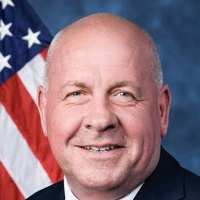
David Taylor
Representative
OH
David Taylor
Representative
OH
The SNAP Fraud Reporting Act of 2026 mandates that states submit detailed annual reports to the U.S. Secretary of Agriculture regarding fraud investigations, recoveries, and enforcement actions within the Supplemental Nutrition Assistance Program. This legislation aims to increase transparency and accountability by requiring the federal government to compile and publish this data for Congressional review. States that fail to comply with these reporting requirements will face a withholding of administrative funding.
This proposed constitutional amendment would restrict voting in all federal elections exclusively to United States citizens.
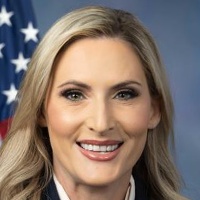
Laurel Lee
Representative
FL
Laurel Lee
Representative
FL
This proposed constitutional amendment would explicitly restrict voting in all federal elections—including those for President, Vice President, and Congress—to United States citizens. It mandates that state legislatures establish enforcement measures, while granting Congress the authority to oversee and regulate these requirements nationwide.
The Deporting Fraudsters Act of 2026 mandates the inadmissibility and deportation of non-citizens convicted of defrauding the U.S. government or unlawfully receiving public benefits.
David Taylor
Representative
OH
David Taylor
Representative
OH
The Deporting Fraudsters Act of 2026 amends the Immigration and Nationality Act to make non-citizens inadmissible to and deportable from the United States if they commit fraud against the government or unlawfully receive public benefits. Additionally, the bill renders individuals convicted of these offenses ineligible for any form of immigration relief.
This bill prohibits federal agencies from banning the use of lead ammunition and tackle on federal lands and waters unless specific, evidence-based criteria and state-level coordination requirements are met.

Robert Wittman
Representative
VA
Robert Wittman
Representative
VA
The Protecting Access for Hunters and Anglers Act prevents federal agencies from banning the use of lead ammunition and tackle on federal lands and waters open to hunting and fishing. Exceptions to this rule are only permitted if specific, site-based field data proves lead is causing a wildlife population decline and the action is approved by or consistent with state wildlife policies.
This Act establishes new federal standards and requirements for states issuing commercial driver's licenses (CDLs) to individuals who are not residents of that issuing state, particularly focusing on drivers from foreign countries and U.S. territories.
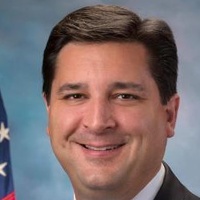
David Rouzer
Representative
NC
David Rouzer
Representative
NC
The Non-Domiciled CDL Integrity Act establishes new federal standards for states issuing Commercial Driver's Licenses (CDLs) to individuals who do not reside in that state. This bill sets specific, strict requirements for foreign nationals seeking a CDL, including proof of lawful status and job-related visas, while also outlining distinct procedures for applicants residing in U.S. territories. The legislation mandates enhanced record-keeping and reporting by states to the Secretary of Transportation regarding these non-domiciled licenses.
This act prohibits the use of federal education funds to develop or promote programs or materials for minors that contain sexually oriented material, with specific exceptions for standard science, religious texts, classic literature, and classic art.
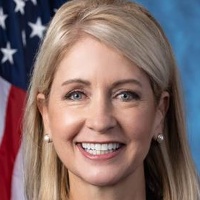
Mary Miller
Representative
IL
Mary Miller
Representative
IL
The Stop the Sexualization of Children Act prohibits the use of federal education funds to develop or promote programs, activities, or materials for minors that include sexually oriented material. This restriction specifically targets content exposing children to nudity, stripping, or lewd dancing. The bill carves out exceptions for standard science coursework, classic literature, classic art, and major world religious texts.
The Enhanced Iran Sanctions Act of 2025 mandates broad economic and immigration sanctions on foreign individuals, entities, and financial institutions that support Iran’s nuclear, missile, drone, or terrorist activities, while specifically targeting the country's petroleum and petrochemical sectors.

Michael Lawler
Representative
NY
Michael Lawler
Representative
NY
The Enhanced Iran Sanctions Act of 2025 strengthens U.S. policy by imposing mandatory sanctions on foreign persons and financial institutions that support Iran’s nuclear, ballistic missile, drone, and terrorist activities. The bill specifically targets Iran’s petroleum and petrochemical sectors to cut off funding for these malign programs. Additionally, it expands the State Department’s "Rewards for Justice" program to incentivize the reporting of individuals who evade these sanctions.
The National Guard Protective Zone Act establishes federal criminal penalties for individuals who intentionally interfere with or impede National Guard members within a designated 15-foot protective zone.
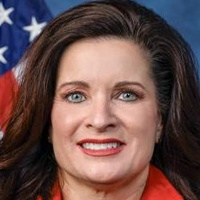
Sheri Biggs
Representative
SC
Sheri Biggs
Representative
SC
The National Guard Protective Zone Act establishes a federal crime for intentionally interfering with National Guard members by entering a designated 15-foot "protective zone" while they are on duty. The bill mandates penalties for those who impede or intimidate Guard members, with increased sentencing for physical contact or assault. Importantly, the legislation includes provisions to ensure that First Amendment activities remain protected outside of these established zones.
The No Free Rides Act of 2026 prohibits public transportation agencies receiving federal funding from implementing universal fare-free policies, while allowing for targeted discounts and specific revenue-based waivers.
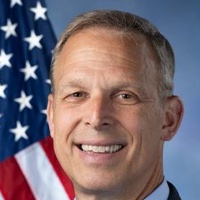
Scott Perry
Representative
PA
Scott Perry
Representative
PA
The No Free Rides Act of 2026 prohibits public transportation agencies receiving federal funding from implementing universal fare-free policies. While it mandates fare collection for general riders, the bill allows for targeted discounts for specific groups like seniors, students, and low-income individuals. Additionally, agencies may seek a waiver from the Secretary of Transportation if they can secure dedicated non-federal funding to cover the costs of a fare-free program.
The Farm Equipment Safety Act exempts nonroad agricultural engines and vehicles from Clean Air Act emission standards.

Victoria Spartz
Representative
IN
Victoria Spartz
Representative
IN
The Farm Equipment Safety Act exempts nonroad farm engines and vehicles from federal emission standards established under the Clean Air Act. This legislation aims to reduce regulatory burdens on the agricultural sector by removing these specific requirements for equipment used in farming operations.
The Halo Act establishes federal criminal penalties for individuals who threaten, harass, or intentionally obstruct federal immigration enforcement officers in the performance of their duties.
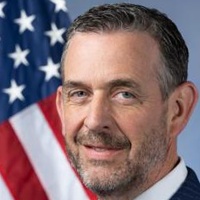
Michael Rulli
Representative
OH
Michael Rulli
Representative
OH
The Halo Act establishes new federal criminal penalties for individuals who obstruct, threaten, or harass federal immigration enforcement officers while they are performing their lawful duties. The legislation mandates that individuals must maintain a 25-foot distance from officers after receiving a warning, with violations punishable by fines and up to five years in prison.
This bill amends federal law to expand the definition of unlicensed money transmitting businesses to include those exercising control over digital assets and substitute currencies.
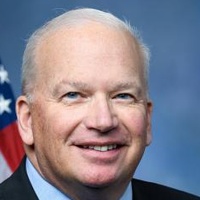
Scott Fitzgerald
Representative
WI
Scott Fitzgerald
Representative
WI
The Promoting Innovation in Blockchain Development Act amends federal law to expand the definition of unlicensed money transmitting businesses. This legislation establishes criminal penalties for individuals who knowingly manage or control unlicensed operations involving currency or digital value substitutes.
This bill prohibits state and local law enforcement agencies from hiring or retaining non-citizen or non-lawful permanent resident individuals and amends federal firearm restrictions for government entities.
Mary Miller
Representative
IL
Mary Miller
Representative
IL
This bill, the "Stop Illegal Alien Cops Act," prohibits state and local law enforcement agencies from hiring or retaining individuals who are not U.S. citizens or lawful permanent residents. It also amends federal law regarding which firearm restrictions apply to government entities, updating specific exemptions related to firearm sales and possession.
This bill prohibits federal agencies from providing funding or support for the creation or maintenance of state-level firearm ownership databases, with exceptions for records of lost or stolen weapons.

Paul Gosar
Representative
AZ
Paul Gosar
Representative
AZ
The Gun Owner Registration Information Protection Act prohibits federal agencies from providing funding or support for the creation and maintenance of state-level firearm ownership databases. This legislation ensures that federal resources cannot be used to track lawful gun owners, with a specific exception for databases tracking lost or stolen firearms.
The No Tax on Takings Act excludes gains from property seized through eminent domain from federal income taxation.
Ben Cline
Representative
VA
Ben Cline
Representative
VA
The "No Tax on Takings Act" provides property owners with a federal tax exclusion on gains realized from property taken through eminent domain. This legislation ensures that individuals are not penalized by the IRS when their property is involuntarily converted for public use. Taxpayers maintain the flexibility to opt out of this exclusion if they prefer to follow standard tax reporting rules.
This bill authorizes states to assist the Department of Homeland Security in removal proceedings and expands the definition of "aggravated felony" under federal immigration law.
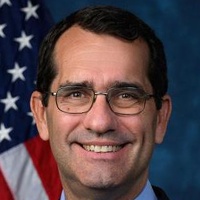
Derek Schmidt
Representative
KS
Derek Schmidt
Representative
KS
The State Partnerships to Enhance Removal of Criminal Aliens Act authorizes the Department of Homeland Security to enter into agreements allowing state-employed attorneys to represent the federal government in specific immigration removal proceedings. Additionally, the bill expands the legal definition of "aggravated felony" under the Immigration and Nationality Act, broadening the scope of criminal offenses that render an individual inadmissible to the United States.
This bill expresses support for the National FFA Organization by designating February 21-28, 2026, as National FFA Week and celebrating the 50th anniversary of the Alaska State FFA Association.
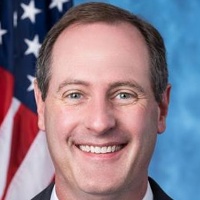
Tracey Mann
Representative
KS
Tracey Mann
Representative
KS
This resolution expresses support for the National FFA Organization and designates February 21–28, 2026, as National FFA Week. It recognizes the FFA's vital role in developing future leaders through agricultural education. The bill also celebrates the 50th anniversary of the chartering of the Alaska State FFA Association.
The Iran Human Rights, Internet Freedom, and Accountability Act of 2026 aims to support the Iranian people by expanding internet access, strengthening sanctions against regime officials, and establishing a Treasury initiative to combat Iranian government corruption and kleptocracy.
Michael Lawler
Representative
NY
Michael Lawler
Representative
NY
The Iran Human Rights, Internet Freedom, and Accountability Act of 2026 aims to support the Iranian people by expanding access to uncensored internet and communication technologies. The bill strengthens U.S. policy against regime repression by mandating investigations into human rights abuses and establishing a new Treasury initiative to combat corruption and money laundering by Iranian officials. Additionally, it enhances congressional oversight of sanctions and promotes independent media to counter state-sponsored censorship.
This bill establishes a zero-based regulatory budgeting system requiring specific energy-related federal regulations to automatically expire unless formally renewed through a review process.
Craig Goldman
Representative
TX
Craig Goldman
Representative
TX
This Act establishes a "zero-based" system requiring specific federal energy and environmental regulations to automatically expire unless actively renewed. Covered agencies must set expiration dates for existing rules within one year and for new rules within five years. Agencies can extend these deadlines only after providing public notice and comment on the regulation's costs and benefits.