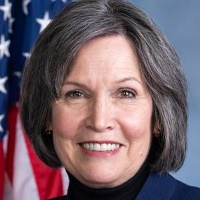
Legislative Activity
Track Betty's sponsored bills, co-sponsored legislation, and voting record
The PREDICT Act prohibits federal officials and their associates from trading in prediction markets tied to political event outcomes.
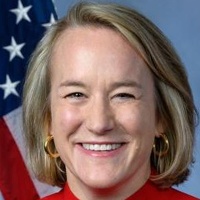
Nicole (Nikki) Budzinski
Representative
IL
Nicole (Nikki) Budzinski
Representative
IL
The PREDICT Act prohibits federal officials, including members of Congress, the President, and high-level executive and judicial employees, from trading in prediction markets tied to political events. The bill mandates financial penalties for violations, requires the disgorgement of any profits, and ensures public transparency by requiring ethics offices to disclose all assessed fines.
This bill extends WIC eligibility and enhanced food benefits for postpartum and breastfeeding mothers from one year to 24 months.
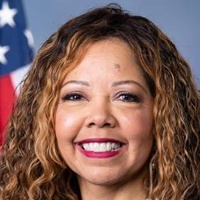
Lucy McBath
Representative
GA
Lucy McBath
Representative
GA
The Extending WIC for New Moms Act increases the duration of WIC eligibility for postpartum mothers from six months to 24 months. It also extends the period for receiving enhanced breastfeeding food packages to 24 months. Additionally, the bill mandates a comprehensive report to Congress evaluating the impact of these extensions on maternal and infant health outcomes.
The GUARDRAILS Act repeals the December 2025 executive order on artificial intelligence and prohibits the use of federal funds for its implementation.
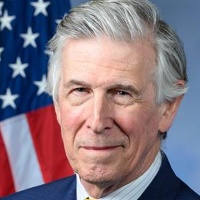
Donald Beyer
Representative
VA
Donald Beyer
Representative
VA
The GUARDRAILS Act repeals the December 11, 2025, Executive Order regarding national AI policy. This legislation prohibits the use of federal funds to implement or enforce the mandates set forth in that order.
The Energy Bills Relief Act aims to lower energy costs for families by reversing clean energy rollbacks, expanding assistance programs, streamlining grid upgrades, and increasing transparency in utility regulation.
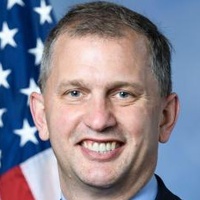
Sean Casten
Representative
IL
Sean Casten
Representative
IL
The Energy Bills Relief Act is a comprehensive bill designed to lower energy costs for American families, accelerate the deployment of low-cost, clean energy, and modernize the nation's electricity grid. It achieves this by reversing harmful policies against renewables, expanding energy assistance programs, streamlining grid connection processes, and increasing transparency in utility regulation. Ultimately, the legislation aims to create a more reliable, affordable, and cleaner energy system while ensuring communities have a stronger voice in energy development.
The Momnibus Act is a comprehensive legislative package designed to improve maternal health outcomes and reduce racial disparities by addressing social determinants, expanding nutritional and mental health support, diversifying the perinatal workforce, and investing in data-driven, community-based care.

Lauren Underwood
Representative
IL
Lauren Underwood
Representative
IL
The Momnibus Act is a comprehensive legislative package designed to end preventable maternal mortality and close racial and ethnic disparities in maternal health outcomes. By addressing social determinants of health, expanding nutritional and mental health support, and investing in a diverse, culturally competent workforce, the bill provides a holistic framework for improving care. Through targeted federal grants, enhanced data collection, and innovative technology, the Act aims to ensure that all pregnant and postpartum individuals receive the equitable, high-quality care they deserve.
This bill establishes a federally funded nutrition assistance program to provide SNAP-equivalent benefits to lawfully present noncitizens who are currently ineligible due to their immigration status.

Shontel Brown
Representative
OH
Shontel Brown
Representative
OH
The Feeding Families Not Fear Act of 2026 establishes a nutrition assistance program for lawfully present noncitizens who are currently ineligible for SNAP benefits due to their immigration status. This initiative provides eligible individuals with monthly food assistance via EBT cards, mirroring the benefits and standards of the regular SNAP program. The bill authorizes $3 billion in annual funding through 2029 to ensure food security for these households.
This bill imposes a 50% excise tax on the windfall profits of major oil companies when oil prices exceed 2025 averages, with revenues funding quarterly, income-limited gasoline price rebates for eligible individuals.
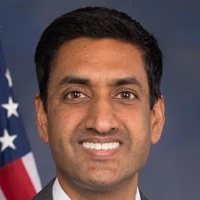
Ro Khanna
Representative
CA
Ro Khanna
Representative
CA
This bill imposes a 50% excise tax on the windfall profits of major oil companies when crude oil prices exceed a 2025 average benchmark. Revenue generated funds a new trust, which is then used to provide quarterly, refundable gasoline price rebates to eligible individuals. The rebate amount is subject to income phase-outs and requires a valid Social Security number for full credit.
This bill protects the Chí’chil Biłdagoteel Historic District by prohibiting mineral extraction and land transfers to ensure the preservation of this sacred site for Native American tribes.
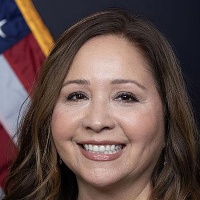
Adelita Grijalva
Representative
AZ
Adelita Grijalva
Representative
AZ
The Preserve the Traditional Cultural Place Chí’chil Biłdagoteel Historic District Act seeks to protect the sacred Oak Flat area by prohibiting all mineral exploration, development, and extraction activities on National Forest System land within the district. The bill mandates that the Secretary of Agriculture manage the area to preserve its cultural and historical integrity in consultation with affected Indian Tribes. Additionally, it prevents the transfer of these lands to Resolution Copper, ensuring the site remains protected from industrial development.
This resolution recognizes the Girl Scouts of the United States of America on its 114th birthday and designates March 12, 2026, as "Girl Scouts of the United States of America Day."
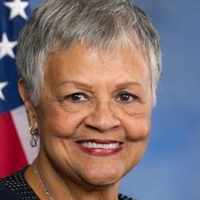
Bonnie Watson Coleman
Representative
NJ
Bonnie Watson Coleman
Representative
NJ
This resolution recognizes the Girl Scouts of the United States of America on its 114th birthday and designates March 12, 2026, as "Girl Scouts of the United States of America Day." It celebrates the organization's legacy of empowering girls through leadership, character development, and community service. Additionally, the bill honors the 2025 Gold Award recipients and encourages the continued support of future women leaders.
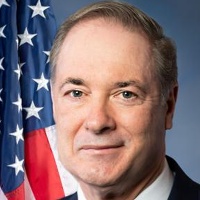
This act expands Medicaid recognition of podiatrists as physicians and streamlines Medicare documentation requirements for diabetic therapeutic shoes.
John Joyce
Representative
PA
John Joyce
Representative
PA
The Diabetes Foot Health Access and Modernization Act of 2026 improves patient care by officially recognizing doctors of podiatric medicine as physicians within the Medicaid program. Additionally, the bill streamlines Medicare documentation requirements to ensure patients with diabetes have better access to essential therapeutic footwear.
The Infant Formula Safety Modernization Act of 2026 mandates stricter manufacturing testing, rapid pathogen reporting, and enhanced Congressional oversight to ensure the safety of infant formula.

Rosa DeLauro
Representative
CT
Rosa DeLauro
Representative
CT
The Infant Formula Safety Modernization Act of 2026 strengthens federal oversight by mandating rigorous pathogen testing, stricter manufacturing facility standards, and rapid reporting of contamination. The bill requires manufacturers to promptly notify the FDA of positive test results and ensures that Congress is kept informed of critical safety and inspection issues. These measures aim to enhance the safety and quality of infant formula products for all consumers.
This resolution directs the President to remove U.S. Armed Forces from unauthorized hostilities against Iran, pursuant to the War Powers Resolution.

Thomas Massie
Representative
KY
Thomas Massie
Representative
KY
This resolution directs the President, under the authority of the War Powers Resolution, to immediately remove U.S. Armed Forces from unauthorized hostilities against the Islamic Republic of Iran. It asserts that military action must cease unless Congress has formally declared war or passed a specific authorization for the use of force. The bill explicitly states that it does not authorize new military action nor does it impede necessary self-defense against an immediate attack.
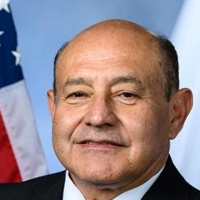
This bill establishes a federal tax credit covering 40% of the cost of purchasing zero-emission electric lawn and landscaping equipment.
J. Correa
Representative
CA
J. Correa
Representative
CA
The Promoting Reduction of Emissions through Landscaping Equipment Act establishes a federal tax credit covering 40% of the cost of purchasing zero-emission electric landscaping equipment and related charging infrastructure. Designed to incentivize sustainable practices, the credit is available for equipment placed in service between 2025 and 2030, with options for direct payment or transferability.
The Data Center Community Impact Act establishes a federal grant fund to support infrastructure and community development in areas affected by data centers while mandating a comprehensive study on their environmental and socioeconomic impacts.
Bonnie Watson Coleman
Representative
NJ
Bonnie Watson Coleman
Representative
NJ
The Data Center Community Impact Act establishes a federal fund to provide grants to state, local, and tribal governments for infrastructure, housing, and environmental projects in communities affected by data center operations. The bill prioritizes support for low-income communities and communities of color, which are often disproportionately impacted by the energy and water demands of these facilities. Additionally, the Act mandates a comprehensive federal study to assess the long-term environmental, economic, and public health effects of data centers on these vulnerable populations.
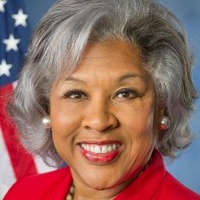
This resolution urges the President to order U.S. flags flown at half-staff to honor the life and legacy of civil rights leader Reverend Jesse Jackson.
Joyce Beatty
Representative
OH
Joyce Beatty
Representative
OH
This resolution formally honors the life and enduring legacy of civil rights leader Reverend Jesse Louis Burns Jackson, Sr. It recognizes his significant contributions to the Civil Rights Movement, including his work with Dr. Martin Luther King, Jr. and his founding of Operation PUSH. The bill specifically urges the President to order that the U.S. flag be flown at half-staff in his memory.
This bill strengthens democracy by banning foreign spending in U.S. elections, increasing transparency for "dark money" in politics, and mandating clear disclosure of funders in political advertising.

Chris Pappas
Representative
NH
Chris Pappas
Representative
NH
The Democracy Is Strengthened by Casting Light On Spending in Elections Act of 2026 aims to increase transparency and security in U.S. elections. It closes loopholes to ban foreign national spending in elections, mandates disclosure for "dark money" political spending, and requires clear funding disclosures on political ads. The bill also centralizes legal challenges to campaign finance laws in Washington, D.C., for faster resolution.
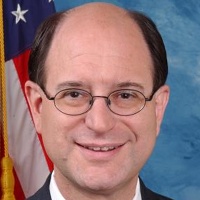
The Direct File Act of 2026 establishes a permanent, free, government-owned online tax filing system within the IRS while prohibiting agreements that restrict the government from providing tax preparation services.
Brad Sherman
Representative
CA
Brad Sherman
Representative
CA
The Direct File Act of 2026 establishes a permanent, free, government-owned online tax filing system within the IRS, ensuring taxpayers have a simplified and accessible way to file their returns. The bill prohibits the Treasury from entering into agreements that restrict the government's ability to provide these services and mandates the integration of state tax filing options. Additionally, it streamlines the tax process by setting new filing deadlines for employer information returns to improve efficiency for all taxpayers.
This bill recognizes community water fluoridation as a safe, effective, and cost-saving public health measure to prevent tooth decay and encourages its implementation nationwide.
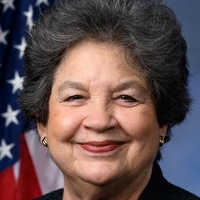
Lois Frankel
Representative
FL
Lois Frankel
Representative
FL
This bill recognizes community water fluoridation as a safe and effective public health measure proven to prevent tooth decay. It highlights the significant oral and overall health benefits, as well as the substantial cost savings associated with this intervention. The resolution encourages states and localities to adopt or continue fluoridating community water systems at optimal levels.
The African American History Act of 2026 authorizes the National Museum of African American History and Culture to develop and support educational programs, resources, and curricula to enhance the teaching of African American history nationwide.
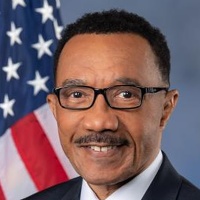
Kweisi Mfume
Representative
MD
Kweisi Mfume
Representative
MD
The African American History Act of 2026 authorizes the National Museum of African American History and Culture to develop and expand educational resources, curricula, and digital programming for students and educators nationwide. By providing $10 million in annual funding through 2030, the Act aims to promote a deeper understanding of African American history through a social justice and anti-bias lens. Additionally, the legislation encourages the development of similar educational initiatives across other Smithsonian museums dedicated to diverse American histories.
The Ceasefire Compliance Act of 2026 mandates that U.S. defense transfers to Israel be conditioned on verified compliance with ceasefire agreements, humanitarian aid access, and the protection of Palestinian civilians in Gaza and the West Bank.
Sean Casten
Representative
IL
Sean Casten
Representative
IL
The Ceasefire Compliance Act of 2026 establishes U.S. policy to uphold the October 2025 ceasefire and peace plan in Gaza while prohibiting the transfer of U.S. defense articles to Israel for use in Gaza or the West Bank unless specific humanitarian and diplomatic conditions are met. The bill mandates regular reporting to Congress to certify Israel's compliance with these requirements and establishes an end-use monitoring group to track the deployment of U.S.-provided weapons. While restricting offensive arms transfers, the Act preserves U.S. support for Israeli missile defense systems and ongoing humanitarian aid to Gaza.