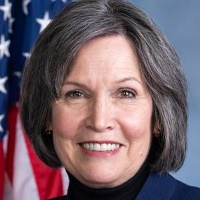
Legislative Activity
Track Betty's sponsored bills, co-sponsored legislation, and voting record
The CONNECT for Health Act of 2025 permanently expands Medicare telehealth access by removing geographic restrictions, increasing practitioner flexibility, bolstering program integrity, and mandating supports for quality remote care delivery.
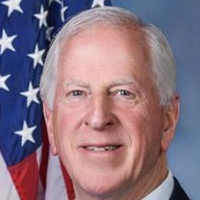
Mike Thompson
Representative
CA
Mike Thompson
Representative
CA
The CONNECT for Health Act of 2025 significantly expands and permanently secures access to Medicare telehealth services by eliminating outdated geographic restrictions and allowing more practitioners to offer remote care. The bill also strengthens program integrity by dedicating funds for telehealth oversight while clarifying rules around providing necessary technology to patients. Finally, it mandates the creation of tailored educational resources and public reporting to improve quality measurement and transparency in remote care delivery.
This resolution formally recognizes the history, achievements, and ongoing struggles of the LGBTQIA+ community while encouraging the celebration of Pride Month and affirming that LGBTQIA+ rights are human rights.
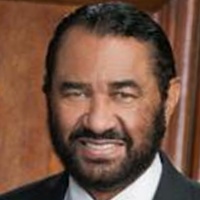
Al Green
Representative
TX
Al Green
Representative
TX
This resolution formally recognizes the history, achievements, and ongoing struggles of the LGBTQIA+ community in the United States. It serves as a declaration by Congress affirming that LGBTQIA+ rights are human rights and encouraging the celebration of Pride Month. The bill highlights key historical milestones, legal victories, and acknowledges the persistent challenges and violence faced by the community. Ultimately, it commits the U.S. to continuing the pursuit of full equality for all citizens.
The Equal Dignity for Married Taxpayers Act updates the Internal Revenue Code by replacing gendered language with gender-neutral terms to ensure consistent and equal application of tax laws for all legally married couples.
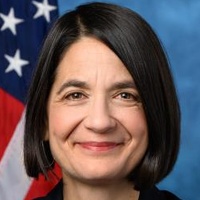
Becca Balint
Representative
VT
Becca Balint
Representative
VT
The Equal Dignity for Married Taxpayers Act modernizes the Internal Revenue Code by replacing gendered language with gender-neutral terms for all legally married couples. This sweeping update ensures consistency across tax rules regarding filing status, deductions, and credits, regardless of the spouses' genders. The bill clarifies that married couples are often treated as a single entity for specific tax purposes. Ultimately, this legislation updates terminology to reflect equal dignity for all married taxpayers.
This resolution strongly condemns the deadly attack on Minnesota lawmakers, honors the victims and first responders, and calls for an end to political violence nationwide.
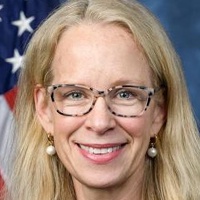
Kelly Morrison
Representative
MN
Kelly Morrison
Representative
MN
This resolution strongly condemns the horrific attacks on Minnesota lawmakers in Brooklyn Park and Champlin, which resulted in the deaths of Speaker Emerita Melissa Hortman and her husband. It honors the victims, praises the bravery of first responders, and calls for unity across the nation to reject political violence. The bill emphasizes the critical need for civil debate over violence to protect American democracy.
This Act retroactively applies the Indian Reorganization Act of 1934 to the Poarch Band of Creek Indians and confirms existing trust lands.

Mike Rogers
Representative
AL
Mike Rogers
Representative
AL
The Poarch Band of Creek Indians Parity Act officially confirms the tribe's status under the Indian Reorganization Act of 1934, treating them as if they were under federal jurisdiction since that date. This legislation also validates and confirms all land previously taken into trust by the Secretary of the Interior for the benefit of the tribe. Essentially, the bill ensures parity and legal certainty regarding the tribe's historical relationship with the federal government concerning land and recognition.
This resolution recognizes the right to peaceful protest while condemning violence and criticizing the federal government's controversial deployment of military forces during recent Los Angeles demonstrations.
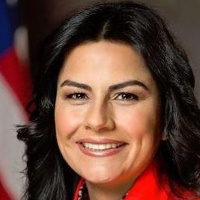
Nanette Barragán
Representative
CA
Nanette Barragán
Representative
CA
This resolution formally recognizes the constitutional right to peaceful protest while strongly condemning violence and illegal acts committed during demonstrations. It criticizes the federal government's deployment of military forces during recent events, arguing the actions were an overreach that bypassed proper legal and state authority. Ultimately, the bill asserts the importance of transparency in law enforcement and denounces rhetoric that escalates community tensions.
The Break the Cycle of Violence Act establishes federal frameworks within HHS and the Department of Labor to fund community-based violence intervention programs and provide job training for opportunity youth in high-violence areas.
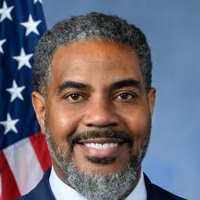
Steven Horsford
Representative
NV
Steven Horsford
Representative
NV
The Break the Cycle of Violence Act establishes federal frameworks within HHS and the Department of Labor to address community violence through prevention and economic opportunity. Title I creates grants for community-based violence intervention programs focused on evidence-based, trauma-responsive care, while Title II funds job training for opportunity youth in high-violence areas. Overall, the bill aims to reduce violence by investing in local services and creating pathways to employment rather than relying solely on incarceration.
This Act prohibits states from interfering with or penalizing individuals who provide, receive, or facilitate abortion services that are legal in the state where the service occurs, including interstate travel for such care.

Lizzie Fletcher
Representative
TX
Lizzie Fletcher
Representative
TX
The Ensuring Women’s Right to Reproductive Freedom Act prohibits states from interfering with or retaliating against individuals who provide or receive abortion services that are legal in the state where the service occurs. This protection extends to interstate travel for legal abortion care and the movement of FDA-approved abortion-related drugs across state lines. Individuals harmed by violations can sue in federal court for damages and legal fees.
The Women’s Health Protection Act of 2025 establishes a federal right to access abortion services before fetal viability and protects the right to travel for care, overriding state restrictions that place burdens on abortion access not imposed on comparable medical procedures.
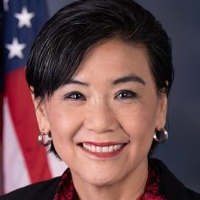
Judy Chu
Representative
CA
Judy Chu
Representative
CA
The Women’s Health Protection Act of 2025 establishes a federal statutory right to access abortion services, prohibiting medically unnecessary restrictions that impede care before fetal viability. This Act protects the right of patients to travel across state lines to receive reproductive healthcare and allows providers to offer services free from state interference that conflicts with established medical standards. It preempts conflicting state and local laws and provides robust enforcement mechanisms for individuals and the Attorney General to challenge violations.
This Act mandates that pharmacies must promptly provide or facilitate access to FDA-approved contraception and related medications, prohibiting discrimination and interference in dispensing these products.
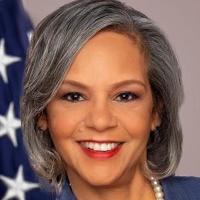
Robin Kelly
Representative
IL
Robin Kelly
Representative
IL
The Access to Birth Control Act establishes federal requirements for pharmacies to ensure timely and non-discriminatory access to FDA-approved contraception and related medications. Pharmacies must immediately dispense in-stock items or promptly refer customers or order out-of-stock products. This law prohibits employee interference, misinformation, or harassment, while also setting penalties for non-compliance.
This resolution reaffirms the importance of U.S. leadership in promoting the safety and well-being of refugees globally while criticizing recent administrative actions that restricted refugee admissions and asylum access.
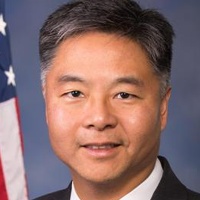
Ted Lieu
Representative
CA
Ted Lieu
Representative
CA
This resolution strongly reaffirms the United States' commitment to promoting the safety and well-being of refugees globally. It criticizes recent administrative actions that suspended refugee admissions and travel bans, arguing they violate U.S. and international law. The bill calls for the immediate restoration of the U.S. Refugee Admissions Program and demands federal agencies uphold due process for asylum seekers. Ultimately, it asserts that welcoming oppressed people is central to American values and legal obligations.
The PHARA Act of 2025 mandates the immediate release of existing NIH grant funding, requires termination clauses in future agreements, and prohibits the NIH from ending funding solely due to shifting agency priorities.
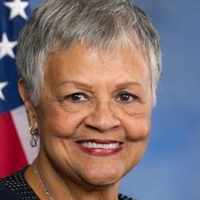
Bonnie Watson Coleman
Representative
NJ
Bonnie Watson Coleman
Representative
NJ
The PHARA Act of 2025 mandates the immediate release of all existing National Institutes of Health (NIH) grant funding and prohibits the cancellation of active research agreements. Moving forward, all new NIH grant agreements must include specific termination clauses requiring a 90-day notice and good-faith negotiation before ending the funding. Furthermore, this Act explicitly prevents the NIH from terminating agreements solely because the research no longer aligns with current agency goals or priorities.
This resolution commemorates the nine-year anniversary of the Pulse nightclub shooting, honoring the victims, first responders, and the community's resilience while urging continued action on gun safety.
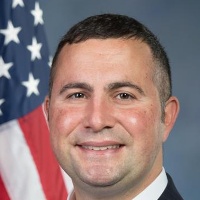
Darren Soto
Representative
FL
Darren Soto
Representative
FL
This resolution formally commemorates the ninth anniversary of the tragic Pulse nightclub shooting in Orlando, Florida, on June 12, 2016. It honors the lives lost, recognizes the bravery of first responders, and reaffirms community unity in the face of hate. Furthermore, the resolution calls for continued efforts to reduce gun violence and support those affected by this act of terrorism.
This resolution urges the establishment of a United States Commission on Truth, Racial Healing, and Transformation to acknowledge historical racial injustices and promote national healing and equity.

Jasmine Crockett
Representative
TX
Jasmine Crockett
Representative
TX
This resolution urges the establishment of a United States Commission on Truth, Racial Healing, and Transformation to formally acknowledge the nation's history of systemic racial injustice. The proposed commission would memorialize this history and serve as a catalyst for eliminating persistent racial inequities. It is intended to complement, not replace, efforts focused on reparations.
This bill establishes a comprehensive "Domestic Workers Bill of Rights" to extend federal labor protections, including overtime, paid sick leave, and anti-discrimination coverage, to domestic employees while creating a standards board to advise on future working conditions.

Pramila Jayapal
Representative
WA
Pramila Jayapal
Representative
WA
The Domestic Workers Bill of Rights Act seeks to significantly expand labor protections for domestic employees by bringing them under standard federal laws, including eligibility for overtime pay and mandated paid sick leave. The bill establishes written employment agreements, sets clear privacy boundaries for workers in private homes, and creates a Standards Board to recommend ongoing improvements to wages and benefits. Furthermore, it establishes enforcement mechanisms and temporarily increases federal Medicaid funding for in-home care services to help offset compliance costs.
This act exempts qualifying small businesses from special import duties or fees imposed by the President during a declared national emergency.
Kelly Morrison
Representative
MN
Kelly Morrison
Representative
MN
The Small Business Liberation Act exempts qualifying small businesses from special duties or fees imposed by the President following a national emergency declaration. This provision ensures that small businesses are not burdened by extra import costs triggered during times of national crisis.
The My Body, My Data Act of 2025 establishes strict limits on the collection, use, and sharing of personal reproductive and sexual health information, while granting individuals robust rights to access, correct, and delete their sensitive data.
Sara Jacobs
Representative
CA
Sara Jacobs
Representative
CA
The My Body, My Data Act of 2025 establishes strict federal protections for personal reproductive and sexual health information held by regulated entities. This law limits data collection and sharing to only what is strictly necessary for providing requested services. It grants individuals the rights to access, correct, and delete this sensitive data, and requires clear public privacy policies detailing data handling practices. Finally, the Act prohibits retaliation against individuals who exercise these new privacy rights and grants enforcement authority to the FTC while allowing individuals to sue violators.
This Act permanently protects inventoried roadless areas within the National Forest System from new road construction and logging, upholding existing federal "Roadless Rule" prohibitions.
Andrea Salinas
Representative
OR
Andrea Salinas
Representative
OR
The Roadless Area Conservation Act of 2025 aims to provide lasting protection for inventoried roadless areas within the National Forest System. This legislation codifies existing federal regulations, known as the "Roadless Rule," which generally prohibits the construction of new roads or the cutting of timber in these sensitive zones. The purpose is to safeguard critical ecological benefits, clean water sources, and wildlife habitats while maintaining the Forest Service's multiple-use management mission.
This Act establishes new procedures for Federal Firearms Licensees when background checks are delayed, mandates reporting on delayed and denied transfers, and removes a specific time limit from existing background check law.

James Clyburn
Representative
SC
James Clyburn
Representative
SC
The Enhanced Background Checks Act of 2025 reforms federal firearm background check procedures, establishing a formal petition process for buyers when the system delays a decision beyond 10 business days. This bill removes the previous 10-day time limit on background checks under the Brady Act while mandating extensive reporting from the GAO and FBI on the effectiveness and outcomes of these delayed transfers. Furthermore, the Attorney General must report on the law's impact on domestic violence victims within 150 days of enactment.
This Act mandates that most private firearm transfers must go through a licensed dealer to ensure background checks are performed on all purchasers.
Mike Thompson
Representative
CA
Mike Thompson
Representative
CA
The Bipartisan Background Checks Act of 2025 aims to strengthen existing federal background check systems to prevent prohibited persons from acquiring firearms. This bill primarily mandates that most private firearm transfers must be facilitated through a licensed dealer who will conduct a background check. The legislation includes specific exceptions for family gifts, law enforcement, and temporary transfers under emergency circumstances.