Legislative Activity
Track Gregory's sponsored bills, co-sponsored legislation, and voting record
This Act funds data collection, research, public communication, and task force recommendations to improve maternal health outcomes during public health emergencies.
Lauren Underwood
Representative
IL
Lauren Underwood
Representative
IL
The Maternal Health Pandemic Response Act aims to improve maternal and infant health outcomes during public health emergencies. It authorizes significant funding for enhanced data collection, surveillance, and research across various CDC programs. Furthermore, the bill mandates public data disclosure, requires public health communication campaigns, and establishes a task force to develop federal recommendations for ensuring safe, respectful, and equitable maternity care during crises.
This resolution affirms that U.S. policy on mifepristone access must respect over 25 years of scientific evidence proving its safety and ensure equitable access based on the best available science.

Diana DeGette
Representative
CO
Diana DeGette
Representative
CO
This resolution expresses the sense of the House that policies governing access to mifepristone for medication abortion must be based on over 25 years of proven safety and effectiveness data. It affirms that access to this time-sensitive care should be equitable, transparent, and guided by the best available, peer-reviewed science, not political interference. The bill supports the FDA's authority to regulate based on evidence, including telemedicine and pharmacy dispensing.
This bill officially names the United States Chancery building in Pristina, Kosovo, the "Eliot L. Engel Building."
Ritchie Torres
Representative
NY
Ritchie Torres
Representative
NY
This bill officially designates the United States Chancery building in Pristina, Kosovo, as the "Eliot L. Engel Building." It ensures all official federal records are updated to reflect this new name.
This resolution condemns attacks on civilians in Sudan, demands an end to external support for the warring parties, and calls for efforts to negotiate a settlement to the civil war.

Pramila Jayapal
Representative
WA
Pramila Jayapal
Representative
WA
This resolution condemns the devastating attacks on civilians in the Sudanese civil war and calls for an immediate end to external support fueling the conflict. It urges all parties to cease hostilities and demands robust international efforts to negotiate a settlement leading to civilian-led democratic governance. The bill emphasizes the urgent need to address the massive humanitarian crisis and hold perpetrators of atrocities accountable.
This bill affirms the strong U.S.-South Korea alliance, emphasizing its importance for security, economic growth, and shared values, while also recognizing the contributions of Korean Americans. It supports stronger ties and celebrates Korean culture.
Thomas Suozzi
Representative
NY
Thomas Suozzi
Representative
NY
This bill reaffirms the strong alliance between the United States and the Republic of Korea, emphasizing its importance for security, economic growth, and shared values. It recognizes the deep economic ties, the contributions of Korean Americans, and continued commitment to the Mutual Defense Treaty. The bill also supports strengthening security, economic, and cultural bonds between the two nations, and celebrates Korean Culture-Kimchi Day.
This act prohibits the use of federal funds for military action in or against Iran through 2026 unless Congress formally declares war or authorizes such force.
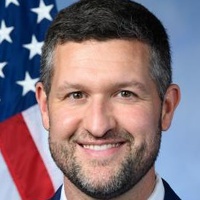
Patrick Ryan
Representative
NY
Patrick Ryan
Representative
NY
The No Funds for Iran War Act prohibits the use of federal funds for military action in or against Iran through the end of 2026. This ban remains in effect unless Congress formally declares war or passes a specific authorization for military force. Exceptions are made only for actions consistent with the War Powers Resolution or necessary self-defense against an imminent attack.
This bill nullifies three specific Department of State rules regarding foreign assistance, effectively voiding their implementation and preventing enforcement of similar future policies.

Grace Meng
Representative
NY
Grace Meng
Representative
NY
This Act nullifies three specific Department of State rules concerning foreign assistance, effectively treating them as if they never existed. It prohibits any federal agency from implementing or enforcing these rules, or any substantially similar future policies. The legislation aims to prevent the enforcement of rules related to "Protecting Life," "Discriminatory Equity Ideology," and "Gender Ideology" in foreign aid.
This resolution expresses support for designating April as Sikh History Month to recognize Sikh history, culture, and contributions while promoting public education and awareness.
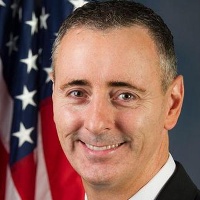
Brian Fitzpatrick
Representative
PA
Brian Fitzpatrick
Representative
PA
This resolution expresses support for designating April as Sikh History Month. The designation aims to recognize the rich history, culture, and significant contributions of Sikh Americans. It encourages public education to promote awareness, combat stereotypes, and foster respect for religious diversity.
The Survivor Justice Tax Prevention Act excludes non-punitive damages received by survivors of sexual assault from federal income taxation.
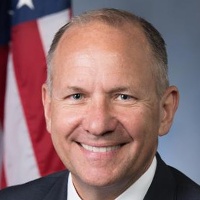
Lloyd Smucker
Representative
PA
Lloyd Smucker
Representative
PA
The Survivor Justice Tax Prevention Act ensures that compensatory damages received by survivors of sexual assault or misconduct are exempt from federal income tax. By clarifying tax treatment and establishing clear evidentiary standards for these settlements, the bill prevents survivors from being financially penalized for seeking justice. Additionally, it mandates a public awareness campaign to ensure survivors are informed of this tax relief.
This bill amends export control laws to require special consideration for the first-time licensing of controlled items to a specific recipient and mandates annual reporting to Congress on these initial licenses.
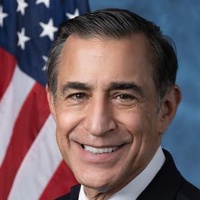
Darrell Issa
Representative
CA
Darrell Issa
Representative
CA
The Protecting American Competition Act of 2026 updates export control procedures by requiring special consideration for initial export licenses to new recipients. It mandates that the Under Secretary for Industry and Security track and report annually to Congress on these initial licenses versus subsequent applications for similar items to the same end user. This legislation aims to provide greater transparency regarding the first-time approval of controlled item exports.
This bill mandates the modernization of the Bureau of Industry and Security's (BIS) information technology systems to enhance export control efficiency, supply chain visibility, and threat detection through 2030.
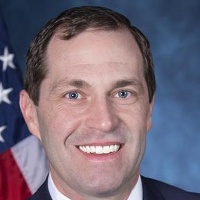
Jason Crow
Representative
CO
Jason Crow
Representative
CO
The BIS IT Modernization Act mandates a comprehensive overhaul of the Bureau of Industry and Security's (BIS) technology systems through fiscal year 2030. This modernization aims to leverage advanced tools like AI and data analysis to speed up export licensing and enhance supply chain tracking. The goal is to improve national security by better identifying and tracking entities involved in illicit trade, particularly concerning adversaries like China and Russia. Ultimately, the Act requires a unified, secure IT environment to boost efficiency and data sharing capabilities across government and industry partners.
This Act establishes a five-year program to significantly increase the number of U.S. export control officers stationed overseas to enhance enforcement and prevent the diversion of controlled American items.
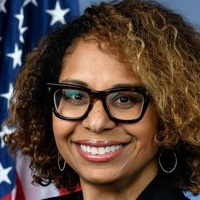
Sydney Kamlager-Dove
Representative
CA
Sydney Kamlager-Dove
Representative
CA
The Export Controls Enforcement Act addresses the critical shortage of overseas personnel responsible for verifying that controlled U.S. exports are used as intended. This bill establishes a new, five-year Export Control Officer Program to significantly increase the number of officers stationed abroad. These officers will conduct essential end-use checks, advise foreign partners, and help prevent the diversion of sensitive American technology.
This Act mandates a comprehensive report to Congress detailing emerging military, cyber, and political threats to the Baltic states and recommending strategies to enhance their security and U.S. partnership.
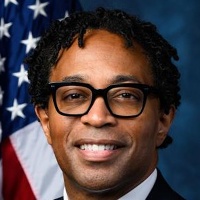
Wesley Bell
Representative
MO
Wesley Bell
Representative
MO
The Baltic Security Assessment Act of 2025 affirms the critical importance of Estonia, Latvia, and Lithuania to U.S. national security amidst Russian aggression. This bill mandates that the Secretary of State and Secretary of Defense deliver a comprehensive report to Congress detailing emerging military, cyber, and political threats to the Baltic states. The report must also recommend specific actions to enhance U.S. and NATO defense cooperation and bolster Baltic resilience.
This bill strengthens export control enforcement through enhanced authority, increased penalties, mandatory compliance programs, and expanded industry assistance.
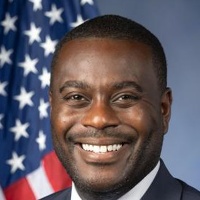
Gabe Amo
Representative
RI
Gabe Amo
Representative
RI
The Strengthening Export Controls Compliance Act enhances the enforcement of U.S. export control laws through increased investigative authority and significantly higher penalties for violations. The bill mandates that exporters implement formal compliance programs and extends recordkeeping requirements to ten years. Furthermore, it establishes a formal voluntary disclosure program and requires increased compliance assistance and outreach from the Department of Commerce to U.S. businesses.
This Act mandates a comprehensive, data-driven report assessing the national security impact and effectiveness of U.S. export controls on semiconductors and advanced computing technology destined for China.
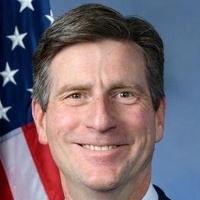
Greg Stanton
Representative
AZ
Greg Stanton
Representative
AZ
The Semiconductor Controls Effectiveness Act of 2026 mandates a comprehensive, data-driven report assessing the impact of U.S. export controls on semiconductor technology destined for China. This report, prepared by the State Department in coordination with other agencies, will detail the effects on China's military, AI development, and semiconductor industry. The goal is to publicly evaluate the effectiveness of these national security measures and recommend improvements to the export control regime.
This act repeals the joint resolution aimed at promoting peace and stability in the Middle East.
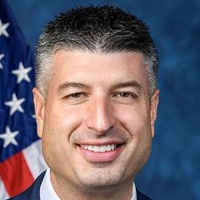
Tom Barrett
Representative
MI
Tom Barrett
Representative
MI
This act formally repeals the outdated joint resolution aimed at promoting peace and stability in the Middle East that was enacted during the Cold War era. It removes this historical measure from the U.S. legal code.
This bill supports designating "Black Maternal Health Week" to highlight the urgent need to address and reduce the severe maternal mortality and morbidity crisis disproportionately affecting Black women and birthing people in the United States.
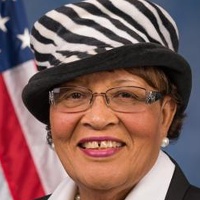
Alma Adams
Representative
NC
Alma Adams
Representative
NC
This bill supports designating a week in April 2026 as "Black Maternal Health Week" to focus national attention on the severe maternal health crisis facing Black women. It highlights the unacceptable and unjust disparities in maternal mortality and morbidity rates among Black women due to structural racism and inequities. The legislation urges Congress to invest in comprehensive maternal care and pass legislation, like the Momnibus Act, grounded in human rights and reproductive justice.
This bill mandates a review of Sudan's Rapid Support Forces for designation as a Specially Designated Global Terrorist Organization and outlines required sanctions and reporting if that designation is made.
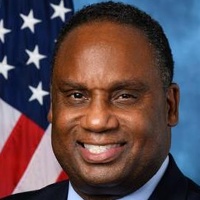
Jonathan Jackson
Representative
IL
Jonathan Jackson
Representative
IL
This bill mandates a review by the Secretaries of State and Treasury to determine if Sudan's Rapid Support Forces (RSF) meet the criteria for designation as a Specially Designated Global Terrorist Organization. If designated, the President must impose asset blocking and strict visa/entry restrictions on the group. The legislation also requires a detailed report to Congress regarding the designation decision and external support for the RSF.
This bill officially renames the United States Postal Service facility at 1200 William Street in Buffalo, New York, as the William J. Donovan Post Office Building.
Timothy Kennedy
Representative
NY
Timothy Kennedy
Representative
NY
This bill officially renames the United States Postal Service facility located at 1200 William Street in Buffalo, New York. The facility will now be known as the William J. Donovan Post Office Building. This designation will apply to all federal references to the building.
This bill prohibits the use of federal funds for military force in or against Cuba through 2026, unless explicitly authorized by Congress or permitted under the War Powers Resolution.
Pramila Jayapal
Representative
WA
Pramila Jayapal
Representative
WA
This bill prohibits the use of federal funds for military action in or against Cuba through December 31, 2026. Exceptions are only permitted if Congress declares war, provides specific statutory authorization, or if the action aligns with the War Powers Resolution.