
Legislative Activity
Track Nicole's sponsored bills, co-sponsored legislation, and voting record
This bill allows investors to defer taxes on capital gain dividends from mutual funds when those dividends are automatically reinvested until the shares are sold or the investor passes away.
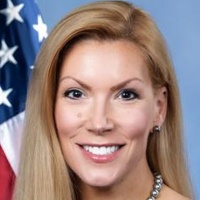
Beth Van Duyne
Representative
TX
Beth Van Duyne
Representative
TX
This bill, the Generating Retirement Ownership through Long-Term Holding Act, allows individual investors to defer paying taxes on capital gain dividends from mutual funds if those dividends are automatically reinvested into more fund shares. Taxes on these deferred gains are only due when the investor sells the shares or upon death. This provision aims to encourage long-term investment in mutual funds by providing immediate tax relief on reinvested earnings.
This act amends the tax code to give businesses the option to immediately deduct or amortize (spread out over at least five years) their research and experimental expenditures.
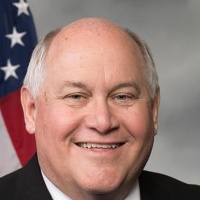
Ron Estes
Representative
KS
Ron Estes
Representative
KS
The American Innovation and R&D Competitiveness Act of 2025 revises how businesses treat research and experimental (R&E) expenditures for tax purposes. Taxpayers can now choose between immediately deducting R&E costs or amortizing them over a period of at least 60 months. This legislation also makes technical adjustments to ensure consistency between immediate deductions and claiming the research tax credit.
This Act establishes a Department of Veterans Affairs program to furnish eligible veterans with U.S.-made, secure firearm storage lockboxes or vouchers, alongside educational materials promoting suicide prevention.

Chris Deluzio
Representative
PA
Chris Deluzio
Representative
PA
The Saving Our Veterans Lives Act of 2025 establishes a new Department of Veterans Affairs (VA) program to provide eligible veterans and former service members with secure, U.S.-made firearm storage lockboxes or vouchers. This initiative aims to promote safe firearm storage as a suicide prevention measure through distribution and public awareness campaigns. The law explicitly states that participation will not affect an individual's legal right to own firearms or require any form of firearm registration.
This act allows State homes caring for veterans to choose between direct reimbursement or direct furnishing of high-cost medications.
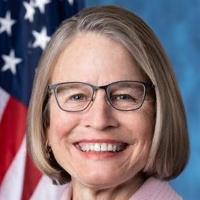
Mariannette Miller-Meeks
Representative
IA
Mariannette Miller-Meeks
Representative
IA
The Providing Veterans Essential Medications Act allows State homes caring for veterans to choose how they receive reimbursement for very high-cost medications. State homes can opt to be reimbursed directly for the medication's cost or have the Secretary of the VA furnish the drug directly. This provision applies only when the cost of a specific medication exceeds a defined threshold relative to the standard monthly payment for that veteran's care.
This bill repeals the excise tax on indoor tanning services, effective after the date of enactment.
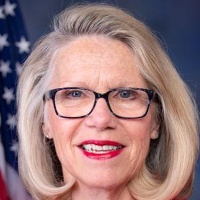
Carol Miller
Representative
WV
Carol Miller
Representative
WV
The "Tanning Tax Repeal Act of 2025" eliminates the federal excise tax on indoor tanning services. This bill removes Chapter 49 from the Internal Revenue Code, effectively repealing the tax. The repeal is applicable for services provided after the bill's enactment.
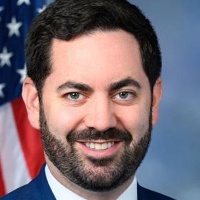
This bill authorizes the posthumous presentation of a Congressional Gold Medal to James Earl Jones, honoring his contributions to the United States and his work promoting inclusion in film and theatre.
Michael Lawler
Representative
NY
Michael Lawler
Representative
NY
The James Earl Jones Congressional Gold Medal Act directs the Speaker of the House and the President pro tempore of the Senate to arrange for the posthumous presentation of a Congressional Gold Medal to James Earl Jones, honoring his contributions to the United States and his work promoting inclusion in film and theatre. The Secretary of the Treasury will create the gold medal, and bronze duplicates will be made available for sale to the public.
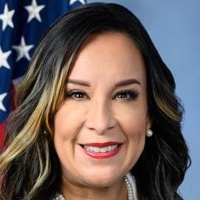
This bill ensures that U.S. Border Patrol agents and Customs and Border Protection officers are paid during any government shutdown in fiscal year 2025.
Mónica De La Cruz
Representative
TX
Mónica De La Cruz
Representative
TX
The "Pay Our Border Patrol and Customs Agents Act of 2025" ensures that U.S. Border Patrol agents and Customs and Border Protection officers are paid during any government shutdown in fiscal year 2025. The bill appropriates the necessary funds to cover the salaries and expenses of these essential employees, guaranteeing they continue to receive paychecks even when the government is shut down.
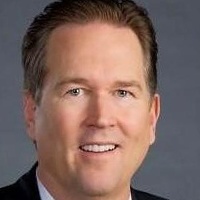
The "Protecting American Students Act" modifies the calculation and reporting requirements for the excise tax on net investment income for private colleges and universities, specifically excluding certain students from the calculation and requiring detailed reporting of student counts.
Vern Buchanan
Representative
FL
Vern Buchanan
Representative
FL
The "Protecting American Students Act" amends the Internal Revenue Code to change how certain students are counted when determining if private colleges and universities are subject to an excise tax on net investment income. It stipulates that only students meeting specific eligibility requirements under the Higher Education Act of 1965 are to be included in this calculation. The Act also mandates that these institutions report the number of students used before and after adjustments when calculating the tax. These provisions are set to take effect for taxable years beginning after December 31, 2025.
This bill reinstates the pre-American Rescue Plan Act threshold for third-party payment networks to report gig economy earnings to the IRS, requiring both over $20,000 in payments and over 200 transactions.
Carol Miller
Representative
WV
Carol Miller
Representative
WV
The Saving Gig Economy Taxpayers Act seeks to reinstate the previous, higher reporting thresholds for third-party payment processors issuing Form 1099-K. This means payment networks will only be required to report earnings to the IRS if a user exceeds both a \$20,000 total payment amount and 200 separate transactions in a calendar year. Furthermore, the bill applies this "de minimis" standard to backup withholding rules for these network payments starting in 2025.
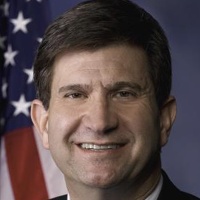
This Act realigns the diplomatic oversight of Turkey within the State Department from the Bureau of European and Eurasian Affairs to the Bureau of Near Eastern Affairs to better reflect Turkey's current regional focus.
Bradley Schneider
Representative
IL
Bradley Schneider
Representative
IL
The Turkey Diplomatic Realignment Act mandates the relocation of Turkey's diplomatic oversight within the State Department from the European Bureau to the Near Eastern Affairs Bureau. This change reflects Congress's view that Turkey's current geopolitical alignment is shifting away from traditional Western partnerships toward the Middle East. The Secretary of State must complete this administrative transfer within 90 days.
The Royalty Transparency Act increases transparency by requiring financial disclosures of royalties received by government employees and contractors, and mandates reviews of potential conflicts of interest related to these payments.
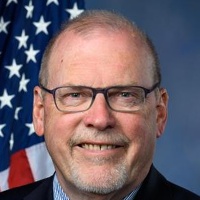
H. Griffith
Representative
VA
H. Griffith
Representative
VA
The Royalty Transparency Act aims to increase transparency and prevent conflicts of interest by requiring more detailed financial disclosures from executive branch employees and contractors, specifically regarding royalty payments. It mandates the inclusion of royalty income sources in financial reports, requires agencies to publish these reports, and directs reviews of potential conflicts of interest related to royalty payments in federal acquisitions. The Act also ensures congressional oversight through required notifications and annual reports. A severability clause ensures that if any part of the Act is deemed unconstitutional, the remaining provisions will still be enforced.
The "Medicaid Provider Screening Accountability Act" requires states to screen Medicaid providers against a federal database to prevent payments to those terminated from Medicare or other state Medicaid programs.
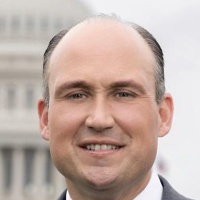
Nicholas Langworthy
Representative
NY
Nicholas Langworthy
Representative
NY
The "Medicaid Provider Screening Accountability Act" mandates states to cross-check Medicaid providers against a federal database monthly, starting in 2028. This ensures providers terminated from Medicare or Medicaid/CHIP in other states are identified. The goal is to enhance provider screening processes within the Medicaid program.
This bill expands access to mental health services for Medicare beneficiaries by removing in-person requirements for telehealth.
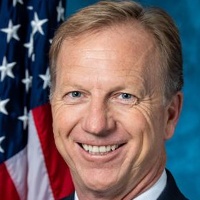
Kevin Hern
Representative
OK
Kevin Hern
Representative
OK
This bill amends Title XVIII of the Social Security Act to eliminate in-person requirements for Medicare beneficiaries receiving mental health services through telehealth. It removes geographic restrictions for telehealth services related to substance use disorders and mental health disorders. Additionally, it allows rural health clinics and federally qualified health centers to continue providing mental health services via telehealth without time restrictions.
The PAW Act of 2025 allows taxpayers to treat certain veterinary expenses for pets as deductible medical expenses, with specific limits for non-service animals.
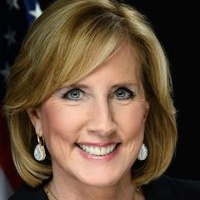
Claudia Tenney
Representative
NY
Claudia Tenney
Representative
NY
The PAW Act of 2025 allows taxpayers to treat certain pet-related expenses as deductible medical expenses for federal income tax purposes. Specifically, it permits the deduction of veterinary care costs for service animals, and sets annual limits of up to \$1,000 for both veterinary care and health insurance for regular pets. These limits for non-service animals will be adjusted for inflation beginning in tax years after 2025.
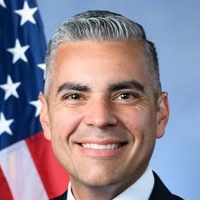
This bill aims to enhance border security, address environmental damage on federal lands, and restrict housing options for undocumented non-citizens on federally managed lands.
Juan Ciscomani
Representative
AZ
Juan Ciscomani
Representative
AZ
This bill aims to enhance security along the southern border by constructing roads, increasing access for U.S. Customs and Border Protection, and allowing temporary placement of structures by border states. It also seeks to mitigate environmental damage on federal lands caused by illegal activities through initiatives focused on reducing trash, preventing wildfires, and remediating contamination. Additionally, the bill restricts housing options for non-citizens who have not been formally admitted into the country by preventing the use of federal funds to house these individuals on federally managed lands.
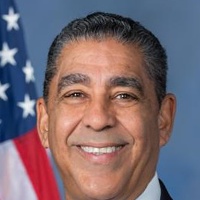
The "Roberto Clemente Commemorative Coin Act" directs the Treasury to mint coins in 2027 honoring Roberto Clemente, with surcharges benefiting the Roberto Clemente Foundation.
Adriano Espaillat
Representative
NY
Adriano Espaillat
Representative
NY
The Roberto Clemente Commemorative Coin Act directs the Department of Treasury to mint and issue gold, silver, and half-dollar coins in 2027 to commemorate the life and legacy of Roberto Clemente. The coins' designs will represent Clemente's life, including his baseball achievements and humanitarian work. Surcharges from the coin sales will benefit the Roberto Clemente Foundation, supporting their educational programs, youth sports initiatives, disaster relief efforts, and historic preservation projects. The Act ensures that the coin program will not incur any net cost to the United States government.
The "Fair Access to Co-ops for Veterans Act of 2025" improves the VA loan guarantee program for veterans purchasing residential cooperative housing units by making the program permanent, aligning regulations with industry standards, setting loan fees, and increasing awareness of the program.

Grace Meng
Representative
NY
Grace Meng
Representative
NY
The Fair Access to Co-ops for Veterans Act of 2025 permanently extends the Department of Veterans Affairs (VA) loan guarantee program for residential cooperative housing units. It directs the VA Secretary to establish regulations that align with industry standards and promote the program to veterans, lenders, and realtors. Additionally, it sets loan fee rates and clarifies that cooperative housing shares are considered residential property for loan guarantee purposes.
This resolution urges the European Union to formally designate the Islamic Revolutionary Guard Corps (IRGC) as a terrorist organization in response to its history of human rights abuses, regional destabilization, and global terrorism.
Claudia Tenney
Representative
NY
Claudia Tenney
Representative
NY
This resolution urges the European Union to formally designate the Islamic Revolutionary Guard Corps (IRGC) as a terrorist organization in response to its history of human rights abuses, support for global terrorist proxies, and assassination plots. It calls on the U.S. government to prioritize this diplomatic objective to enhance international security and hold the IRGC accountable for its destabilizing actions.
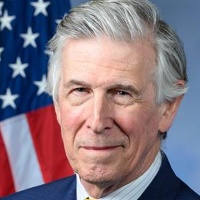
The Humane Cosmetics Act of 2025 bans cosmetic animal testing in the U.S., restricts the use of animal testing data, and sets penalties for violations, while also preventing states from enacting conflicting regulations.
Donald Beyer
Representative
VA
Donald Beyer
Representative
VA
The Humane Cosmetics Act of 2025 bans cosmetic animal testing in the U.S. and restricts the use of animal testing data for cosmetic safety, with certain exceptions. It authorizes the Secretary of Health and Human Services to impose civil penalties for non-compliance and preempts states from enacting conflicting regulations. The Act defines key terms related to cosmetic animal testing and cosmetics.
The "Community News and Small Business Support Act" supports local journalism and small businesses through tax credits for advertising in local media and for employing local news journalists.
Claudia Tenney
Representative
NY
Claudia Tenney
Representative
NY
The "Community News and Small Business Support Act" introduces two tax credits aimed at supporting local news and small businesses. First, it provides a tax credit for small businesses that advertise in local media outlets, such as newspapers and broadcast stations. Second, it establishes a payroll tax credit for local news organizations to help them employ local news journalists. Both credits are designed to alleviate financial burdens and promote investment in local journalism and small business advertising, with specific limitations and eligibility requirements. The provisions of this act will be in place for 5 years.