Legislative Activity
Track George's sponsored bills, co-sponsored legislation, and voting record
This act restricts senior government officials and their families from owning or trading specific investments, requiring divestment of existing holdings to restore public trust.
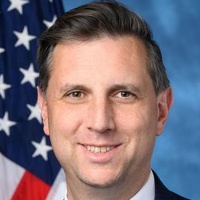
Seth Magaziner
Representative
RI
Seth Magaziner
Representative
RI
The Restore Trust in Government Act establishes strict new federal restrictions on senior government officials and their immediate families regarding the ownership and trading of specific financial investments. Covered individuals must divest existing investments that fall under the law's definition within a set timeframe, with limited exceptions. Violators face significant financial penalties, including a 10% fee on the investment value and disgorgement of any profits earned from prohibited transactions.
The Essential Caregivers Act of 2025 guarantees nursing home and long-term care residents the right to designate an essential caregiver who maintains access to them even during public health emergencies.
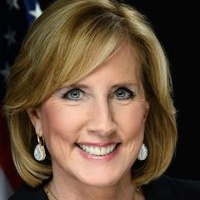
Claudia Tenney
Representative
NY
Claudia Tenney
Representative
NY
The Essential Caregivers Act of 2025 protects the rights of residents in long-term care facilities to designate an essential caregiver who can provide support and companionship. This legislation ensures that these caregivers maintain in-person access to residents even during public health emergencies when general visitation is restricted. By establishing clear protocols and an appeals process, the bill aims to prevent the harmful effects of isolation and ensure residents continue to receive vital care and advocacy.
This bill, the ESTUARIES Act, amends the National Estuary Program to officially add the Mississippi Sound and extends its funding authorization through fiscal year 2031, while placing specific restrictions on using funds for the Mississippi Sound's inclusion in fiscal years 2025 and 2026.
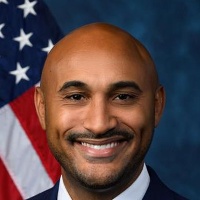
Shomari Figures
Representative
AL
Shomari Figures
Representative
AL
The ESTUARIES Act amends the Federal Water Pollution Control Act to officially add the Mississippi Sound to the National Estuary Program and extends the program's funding authorization through fiscal year 2031. However, the bill places specific restrictions on the EPA Administrator regarding the use of funds to implement this addition during fiscal years 2025 and 2026. This ensures that the expansion of the program is contingent upon specific funding levels in the near term.
This bill officially renames the United States Postal Service facility at 130 North Winton Road in Rochester, New York, as the "Lieutenant James N. Lyons Post Office."
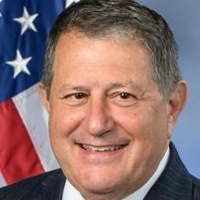
Joseph Morelle
Representative
NY
Joseph Morelle
Representative
NY
This bill officially designates the United States Postal Service facility located at 130 North Winton Road in Rochester, New York, as the "Lieutenant James N. Lyons Post Office." The legislation ensures that all future official references to this location will use the new designated name.
This bill authorizes Congress to award Congressional Gold Medals to the 1980 U.S. Men's Olympic Ice Hockey team for their historic "Miracle on Ice" victory.
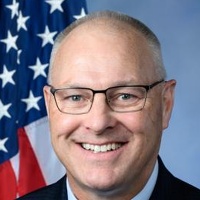
Pete Stauber
Representative
MN
Pete Stauber
Representative
MN
This bill, the Miracle on Ice Congressional Gold Medal Act, officially authorizes Congress to award Congressional Gold Medals to the 1980 U.S. Men's Olympic Ice Hockey Team for their historic "Miracle on Ice" victory. The medals will be struck by the Treasury and permanently displayed at specific national sports museums. The Act also permits the sale of duplicate bronze medals to cover production costs.
This act nullifies a recent Executive Order regarding federal labor relations and ensures existing collective bargaining agreements remain in effect.
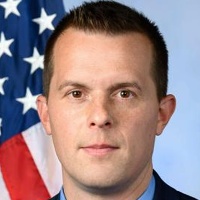
Jared Golden
Representative
ME
Jared Golden
Representative
ME
The Protect America's Workforce Act nullifies a specific Executive Order issued in March 2025 concerning exclusions from federal labor-management relations programs. This legislation ensures that any existing collective bargaining agreements between federal agencies and employee unions remain fully in effect until their stated expiration dates. The Act also prohibits the use of federal funds to implement the overturned Executive Order.
This act restores access to professional degrees by amending the Higher Education Act to remove specific annual and aggregate loan limits for graduate and professional students.
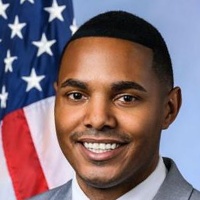
Ritchie Torres
Representative
NY
Ritchie Torres
Representative
NY
The Professional Degree Access Restoration Act amends the Higher Education Act to eliminate specific annual and aggregate loan limits for Federal Direct PLUS Loans made to graduate and professional students. This action removes previous restrictions on the maximum amount graduate students can borrow through these federal loan programs.
This resolution commends state and local governments for championing reproductive rights as human rights while condemning abortion restrictions and criminalization following the *Dobbs* decision.
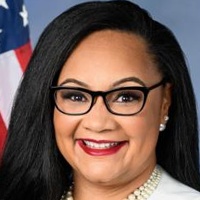
Nikema Williams
Representative
GA
Nikema Williams
Representative
GA
This concurrent resolution commends state and local governments for championing reproductive rights as human rights following the overturning of *Roe v. Wade*. It declares that denying abortion care leads to severe health risks and highlights the criminalization of pregnancy outcomes across the U.S. The resolution urges states to repeal abortion restrictions and affirm that reproductive rights are fundamental human rights.
This act increases the annual and aggregate loan limits for Federal Direct Unsubsidized Stafford Loans for graduate and professional students, effective July 1, 2026.
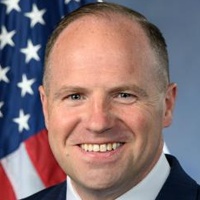
Timothy Kennedy
Representative
NY
Timothy Kennedy
Representative
NY
The Loan Equity for Advanced Professionals Act raises the federal student loan limits for graduate and professional students. Effective July 1, 2026, the annual borrowing limit for Federal Direct Unsubsidized Stafford Loans will increase to \$50,000, and the aggregate limit will rise to \$200,000. This aims to provide greater financial support for advanced degree candidates.
This act waives entrance fees for all National Parks and National Wildlife Refuges on Federal holidays.
Ritchie Torres
Representative
NY
Ritchie Torres
Representative
NY
The Our Parks Act aims to increase public access to federal lands by eliminating entrance fees at National Parks and National Wildlife Refuges on all Federal holidays. This legislation directs the Secretary of the Interior to waive any normally charged admission fees on these designated days.
This bill officially designates the United States Postal Service facility at 86 Main Street in Haverstraw, New York, as the Paul Piperato Post Office Building.
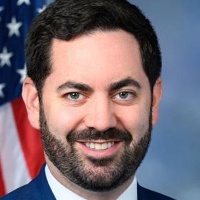
Michael Lawler
Representative
NY
Michael Lawler
Representative
NY
This bill officially designates the United States Postal Service facility located at 86 Main Street in Haverstraw, New York, as the "Paul Piperato Post Office Building." This action ensures the facility will be known by this name in all official federal records and documents moving forward.
This bill officially renames the United States Postal Service facility in Holmes, New York, as the Sheriff Adrian Butch Anderson Post Office Building.
Michael Lawler
Representative
NY
Michael Lawler
Representative
NY
This bill officially designates the United States Postal Service facility located at 298 Route 292 in Holmes, New York, as the "Sheriff Adrian Butch Anderson Post Office Building." This change ensures all federal records and documents will use the new official name for this location.
This bill officially renames the U.S. Postal Service facility in Avon, New York, as the Officer Anthony Mazurkiewicz Memorial Post Office Building.
Claudia Tenney
Representative
NY
Claudia Tenney
Representative
NY
This bill officially designates the United States Postal Service facility located at 80 Prospect Street in Avon, New York, as the **Officer Anthony Mazurkiewicz Memorial Post Office Building**. This action ensures the facility will bear this name in all federal records and references moving forward.
This bill prohibits immigration enforcement officers from arresting or detaining individuals at or near immigration court facilities unless there is a judicial warrant or an imminent threat.

Dan Goldman
Representative
NY
Dan Goldman
Representative
NY
The Immigration Court Due Process Protection Act of 2025 restricts Department of Homeland Security (DHS) officers from arresting or detaining individuals attending or departing from immigration court proceedings or scheduled appointments, unless a judicial warrant is present or an imminent threat exists. The bill mandates specific supervisory approval for arrests during scheduled check-ins. Furthermore, it requires the DHS Inspector General to submit an annual report to Congress detailing compliance with these new protections.
This bill authorizes the Attorney General to appoint qualified, temporary immigration judges for limited terms to assist with case backlogs while emphasizing the need for permanent appointments and rigorous training.
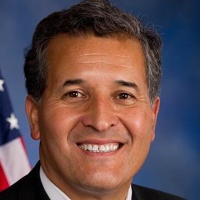
Juan Vargas
Representative
CA
Juan Vargas
Representative
CA
This bill establishes the **Temporary Immigration Judge Integrity Act** to authorize the Attorney General to appoint highly qualified, temporary immigration judges for limited terms. These temporary judges are intended to supplement, not replace, permanent judges and must meet specific experience requirements. The legislation mandates rigorous oversight, training protocols, and limits the total service time for these temporary appointments to ensure judicial integrity.
This bill establishes a National Strategy for Combating Scams, led by the FBI, to coordinate federal efforts, define scams, and improve prevention and victim recovery.
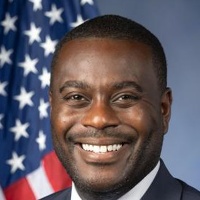
Gabe Amo
Representative
RI
Gabe Amo
Representative
RI
This bill establishes the **National Strategy for Combating Scams Act of 2025** to address the massive financial and personal toll of scams, which are increasingly utilizing advanced technology like AI. It mandates the FBI to form a working group with numerous federal agencies to develop a comprehensive, coordinated national strategy. This strategy will define "scam," evaluate risks, improve federal coordination, and outline plans for prevention, victim recovery, and international cooperation.
This Act establishes a multi-agency Task Force to develop and implement a comprehensive strategy to dismantle transnational criminal syndicates operating forced-labor scam centers, particularly those targeting Americans with cryptocurrency fraud.
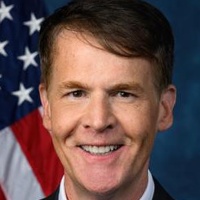
Jefferson Shreve
Representative
IN
Jefferson Shreve
Representative
IN
The Dismantle Foreign Scam Syndicates Act establishes a high-level Task Force, chaired by the Secretary of State, to develop and execute a comprehensive U.S. strategy against transnational criminal organizations running massive online scams, often utilizing victims of human trafficking in Southeast Asia. This strategy must focus on disrupting these operations, sanctioning responsible parties, and providing support for rescued victims. The bill authorizes $30 million over two years to fund these efforts and requires annual reporting to Congress on progress and impact.
This act rescinds significant immigration enforcement funding while establishing multiple new tax credits aimed at increasing housing affordability for first-time buyers, builders of starter homes, and renters, alongside incentives for converting commercial buildings into affordable housing.
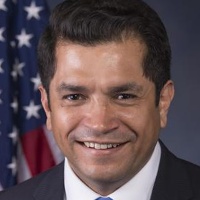
Jimmy Gomez
Representative
CA
Jimmy Gomez
Representative
CA
The Make Housing Affordable and Defend Democracy Act aims to increase housing accessibility through several tax incentives while simultaneously rescinding significant funding previously allocated for immigration enforcement. Key provisions establish new tax credits for first-time homebuyers, builders of starter homes, and the conversion of commercial buildings into affordable rentals. Additionally, the bill introduces a Renter Tax Credit for those spending over 30% of their income on rent, with an option for monthly advance payments.
This bill repeals harmful provisions of a previous act, exempts unaccompanied children from various immigration fees, and restricts the use of their sponsor information for enforcement purposes.
Dan Goldman
Representative
NY
Dan Goldman
Representative
NY
The Upholding Protections for Unaccompanied Children Act of 2025 seeks to reverse harmful provisions affecting unaccompanied children. This bill eliminates various immigration-related fees for current and former unaccompanied children, including those for asylum and employment authorization. It also prohibits physically intrusive medical examinations and restricts the sharing of sponsor information with immigration enforcement agencies. Furthermore, the Act mandates the refunding of previously paid fees.
The Dignity for Detained Immigrants Act establishes comprehensive standards, rigorous oversight, and new custody procedures to ensure humane treatment and due process for all noncitizens detained by the Department of Homeland Security, while phasing out for-profit detention facilities.
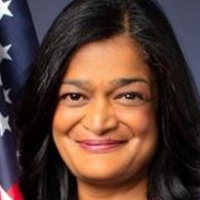
Pramila Jayapal
Representative
WA
Pramila Jayapal
Representative
WA
The Dignity for Detained Immigrants Act aims to overhaul immigration detention by establishing mandatory, high standards based on ABA guidelines and increasing transparency through rigorous, unannounced inspections. The bill prohibits the use of private, for-profit detention facilities within three years and ends the mandatory detention of most noncitizens, prioritizing release or community-based alternatives. Furthermore, it establishes new due process rights, including timely custody hearings, a presumption of release, and prohibitions on detaining children or using solitary confinement.