Legislative Activity
Track Greg's sponsored bills, co-sponsored legislation, and voting record
This act prohibits the use of federal funds and official action for any invasion of NATO member territory.
William Keating
Representative
MA
William Keating
Representative
MA
The **No Funds for NATO Invasion Act** prohibits the use of any federal funds for an invasion of any territory belonging to a member nation of the North Atlantic Treaty Organization (NATO). Furthermore, the bill bars U.S. officials from taking any action to execute such an invasion.
This act significantly increases both criminal and civil penalties for employers who violate child labor laws.
Hillary Scholten
Representative
MI
Hillary Scholten
Representative
MI
The Justice for Exploited Children Act significantly strengthens penalties for child labor violations under the Fair Labor Standards Act. This legislation introduces harsher criminal penalties, including substantial fines and imprisonment, for willful or repeated offenses. It also dramatically increases the civil monetary penalties for all child labor violations, especially those resulting in serious injury or death to a minor employee.
This resolution recognizes the 15th anniversary of the 2011 Tucson shooting, honoring the victims, survivors, and the ongoing advocacy of Gabby Giffords.
Debbie Wasserman Schultz
Representative
FL
Debbie Wasserman Schultz
Representative
FL
This resolution commemorates the 15th anniversary of the tragic January 8, 2011, Tucson shooting, honoring the six lives lost and the thirteen injured. It specifically commends the courage and ongoing advocacy of gun violence survivor and former Congresswoman Gabby Giffords. The resolution also recognizes the resilience of the community and reaffirms a commitment to ending political violence.
The Public Health Air Quality Act of 2025 establishes comprehensive new monitoring, reporting, and data transparency requirements for industrial air toxics and ambient air quality across the nation.
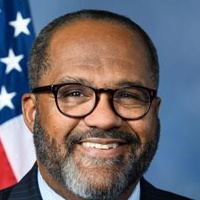
Troy Carter
Representative
LA
Troy Carter
Representative
LA
The Public Health Air Quality Act of 2025 aims to significantly enhance air quality monitoring and public data access across the United States. It establishes new federal requirements for industrial facilities to monitor and report hazardous air pollutant emissions, including real-time fenceline data. The Act also mandates the deployment of hundreds of new, advanced air quality monitors in vulnerable communities to better assess compliance with National Ambient Air Quality Standards. Ultimately, this legislation seeks to use improved, publicly accessible data to protect public health from industrial air pollution.
This bill requires reimbursement for Secret Service travel costs related to presidential business interests, amends the Federal Tort Claims Act for current and former presidents, restricts presidential library fundraising while in office, and limits the business activities of the President and their immediate family.
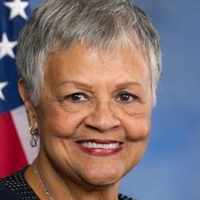
Bonnie Watson Coleman
Representative
NJ
Bonnie Watson Coleman
Representative
NJ
This bill requires reimbursement to the Treasury for Secret Service protection costs incurred during presidential travel for personal business interests. It also restricts the President's business activities while in office and mandates new reporting requirements related to presidential libraries. Finally, it creates an exception to the Federal Tort Claims Act allowing certain current or former high-ranking officials to sue the government for damages.
This act restricts senior government officials and their families from owning or trading specific investments, requiring divestment of existing holdings to restore public trust.
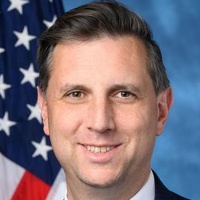
Seth Magaziner
Representative
RI
Seth Magaziner
Representative
RI
The Restore Trust in Government Act establishes strict new federal restrictions on senior government officials and their immediate families regarding the ownership and trading of specific financial investments. Covered individuals must divest existing investments that fall under the law's definition within a set timeframe, with limited exceptions. Violators face significant financial penalties, including a 10% fee on the investment value and disgorgement of any profits earned from prohibited transactions.
The Essential Caregivers Act of 2025 guarantees nursing home and long-term care residents the right to designate an essential caregiver who maintains access to them even during public health emergencies.
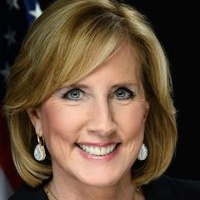
Claudia Tenney
Representative
NY
Claudia Tenney
Representative
NY
The Essential Caregivers Act of 2025 protects the rights of residents in long-term care facilities to designate an essential caregiver who can provide support and companionship. This legislation ensures that these caregivers maintain in-person access to residents even during public health emergencies when general visitation is restricted. By establishing clear protocols and an appeals process, the bill aims to prevent the harmful effects of isolation and ensure residents continue to receive vital care and advocacy.
This act nullifies a recent Executive Order regarding federal labor relations and ensures existing collective bargaining agreements remain in effect.
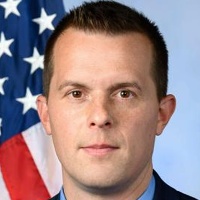
Jared Golden
Representative
ME
Jared Golden
Representative
ME
The Protect America's Workforce Act nullifies a specific Executive Order issued in March 2025 concerning exclusions from federal labor-management relations programs. This legislation ensures that any existing collective bargaining agreements between federal agencies and employee unions remain fully in effect until their stated expiration dates. The Act also prohibits the use of federal funds to implement the overturned Executive Order.
The Keeping All Students Safe Act strictly prohibits dangerous restraint and seclusion in federally funded schools while mandating comprehensive state reporting, staff training, and parental notification for any permissible physical restraint.
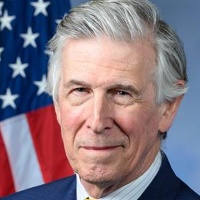
Donald Beyer
Representative
VA
Donald Beyer
Representative
VA
The Keeping All Students Safe Act strictly prohibits dangerous restraint and seclusion practices in federally funded schools, establishing national safety standards and requiring immediate parental notification after any restraint incident. It mandates that states create detailed plans, publicly report incident data broken down by student demographics, and utilize federal grants to fund training and prevention strategies. The bill creates a private right of action for families harmed by violations and ensures oversight across various federal school systems.
This act establishes a five-year pilot program for federal grants to public schools to fund independent security risk assessments and implement necessary hard security improvements.
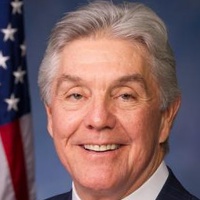
Roger Williams
Representative
TX
Roger Williams
Representative
TX
The Safer Schools Act of 2025 establishes a five-year pilot program managed by the Attorney General to award grants to public schools for security enhancements. These grants fund independent facility security risk assessments and "hard security improvements," such as physical infrastructure upgrades. Priority is given to schools that have experienced past incidents of deadly harm, and recipients must report on the effectiveness of the improvements.
This act increases the annual and aggregate loan limits for Federal Direct Unsubsidized Stafford Loans for graduate and professional students, effective July 1, 2026.
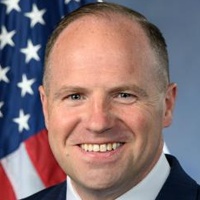
Timothy Kennedy
Representative
NY
Timothy Kennedy
Representative
NY
The Loan Equity for Advanced Professionals Act raises the federal student loan limits for graduate and professional students. Effective July 1, 2026, the annual borrowing limit for Federal Direct Unsubsidized Stafford Loans will increase to \$50,000, and the aggregate limit will rise to \$200,000. This aims to provide greater financial support for advanced degree candidates.
This bill significantly increases civil penalties across various federal labor laws, strengthens enforcement for health plan compliance, establishes penalties for employer unfair labor practices, and treats certain recordkeeping failures as continuing violations.
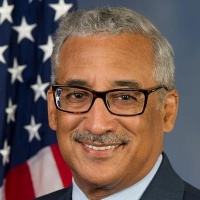
Robert Scott
Representative
VA
Robert Scott
Representative
VA
The Labor Enforcement to Securely Protect Workers (LETS Protect Workers) Act significantly increases civil penalties for violations across major federal labor laws, including child labor, wage and hour, and workplace safety standards. It strengthens enforcement mechanisms for mine safety violations and retaliation against miners, while also establishing new penalties for employer unfair labor practices under the National Labor Relations Act. Furthermore, the bill enhances enforcement for health plan parity and makes certain recordkeeping failures under OSHA and FLSA continuing violations.
This bill extends enhanced premium tax credits for 2026, establishes strict anti-fraud measures for health insurance agents and brokers, imposes new accountability and transparency requirements on Pharmacy Benefit Managers (PBMs) in Medicare, and extends the 2026 open enrollment period.
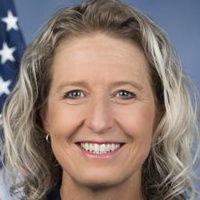
Jennifer Kiggans
Representative
VA
Jennifer Kiggans
Representative
VA
The CommonGround for Affordable Health Care Act extends enhanced premium tax credits for Marketplace health insurance through 2026, while also establishing strict new penalties and verification processes to combat fraud by agents and brokers in health insurance exchanges. Furthermore, the bill imposes significant new transparency and accountability requirements on Pharmacy Benefit Managers (PBMs) contracting with Medicare Part D plans. Finally, it extends the 2026 open enrollment period and creates a fast-track legislative process for future premium tax credit reform bills.
This bill directs the FTC to review and report on industry efforts to enhance online safety tools and resources for minors.
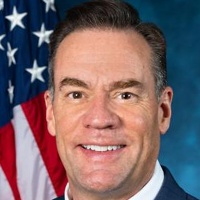
Russ Fulcher
Representative
ID
Russ Fulcher
Representative
ID
The Assessing Safety Tools for Parents and Minors Act directs the Federal Trade Commission (FTC) to review and report on current industry efforts to enhance online safety for minors. This comprehensive review must assess the effectiveness of existing safety tools, educational initiatives, and privacy measures. The FTC is required to submit findings and recommendations for improvement to Congress within three years of enactment.
This bill establishes the Kids Internet Safety Partnership within the Department of Commerce to identify online risks and best practices for minors and publish guidance for online service providers.
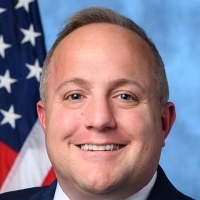
Russell Fry
Representative
SC
Russell Fry
Representative
SC
The Kids Internet Safety Partnership Act establishes a temporary partnership within the Department of Commerce to study online risks and benefits for minors. This group will coordinate with experts and stakeholders to develop best practices for online platforms. The Partnership is tasked with publishing public reports and a playbook to guide providers in implementing safety measures, including age verification and parental tools.
This bill establishes a CISA program to promote cybersecurity careers specifically to disadvantaged communities across the United States.
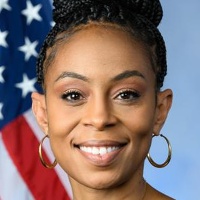
Shontel Brown
Representative
OH
Shontel Brown
Representative
OH
The Expanding Cybersecurity Workforce Act of 2025 establishes a new CISA program to actively promote cybersecurity careers to disadvantaged communities across the nation. This initiative specifically targets outreach to older individuals, minorities, people with disabilities, veterans, and those from nontraditional educational backgrounds. The goal is to diversify and strengthen the U.S. cyber workforce through tailored education and training assistance. The Act authorizes $20 million annually through fiscal year 2031 to support these efforts.
This bill designates the Muslim Brotherhood and its affiliates as terrorist organizations, imposing strict prohibitions and immigration consequences for its members.
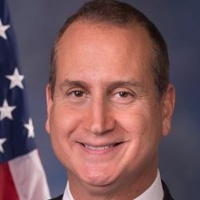
Mario Diaz-Balart
Representative
FL
Mario Diaz-Balart
Representative
FL
The Muslim Brotherhood Terrorist Designation Act of 2025 seeks to formally prohibit the operations of the Muslim Brotherhood and its affiliates within the United States by applying existing anti-terrorism restrictions. This legislation mandates the Secretary of State to annually report on all Muslim Brotherhood branches globally, leading to the imposition of sanctions by the President on those entities. Furthermore, the bill establishes immigration consequences, including visa cancellation, for members of the organization.
This Act establishes rules and procedures for deploying telecommunications and broadband facilities in public and railroad rights-of-way, including application requirements, timelines, and dispute resolution via the FCC.
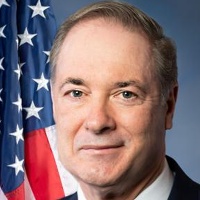
John Joyce
Representative
PA
John Joyce
Representative
PA
The Broadband and Telecommunications RAIL Act establishes new rules for deploying telecommunications and broadband facilities within public rights-of-way that cross railroad corridors, as well as directly within railroad rights-of-way. It outlines specific notification and application procedures, decision timelines for railroad carriers, and compensation requirements for application processing. The Act grants the Federal Communications Commission sole jurisdiction to resolve disputes between providers and railroads regarding facility placement and mandates rulemaking to ensure safety and efficiency.
The "Facilitating DIGITAL Applications Act" mandates reports on the establishment of online portals for processing communications use authorizations on public lands.
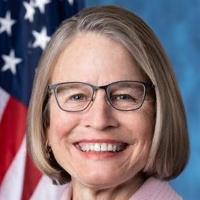
Mariannette Miller-Meeks
Representative
IA
Mariannette Miller-Meeks
Representative
IA
The "Facilitating DIGITAL Applications Act" requires the Assistant Secretary of Commerce to report on the establishment of online portals by the Secretaries of Interior and Agriculture for processing Form 299, which pertains to communications use authorization on public lands. The report must identify any barriers to creating these portals. The relevant Secretary must notify the Assistant Secretary within 3 business days after establishing an online portal.
This act establishes a $10 million childcare grant program to help parents cover costs while participating in job training activities.
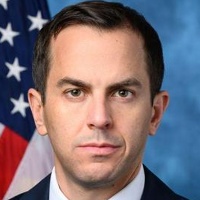
Robert Menendez
Representative
NJ
Robert Menendez
Representative
NJ
The Parental Workforce Training Act establishes a $10 million childcare grant program to support parents participating in job training. Local workforce development boards will receive competitive grants to help eligible individuals cover childcare costs while they engage in employment and training activities. This initiative aims to remove childcare barriers for parents seeking to enhance their job skills.