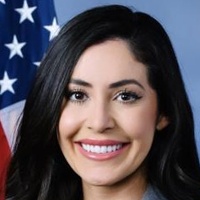
Legislative Activity
Track Anna's sponsored bills, co-sponsored legislation, and voting record
This Act prohibits the State Department and its funded entities from censoring the free speech of United States citizens and mandates notification if such censorship occurs.
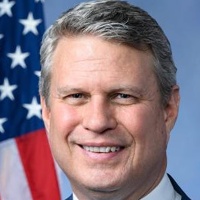
Bill Huizenga
Representative
MI
Bill Huizenga
Representative
MI
The Restoring American Freedom Act prohibits the State Department, its employees, and its funded entities from censoring the free speech of United States citizens. This legislation strictly forbids the use of federal funds to support or facilitate such censorship activities, including the creation or use of advertising blacklists. Furthermore, the Secretary of State must promptly notify Congress and the affected citizen if any censorship is discovered.
This resolution expresses support for designating the month of July as "American Patriotism Month" to honor the nation's history, values, and sacrifices.
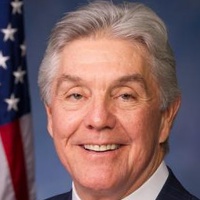
Roger Williams
Representative
TX
Roger Williams
Representative
TX
This resolution expresses support for officially designating the month of July as "American Patriotism Month." It recognizes the historical significance of American patriotism and encourages citizens and groups to observe the month with appropriate ceremonies celebrating U.S. history and values. The bill further asks the President to issue a yearly proclamation supporting this designation.
This resolution strongly condemns the antisemitic terrorist attack in Boulder, Colorado, addresses the rise of antisemitism, and calls for accountability for the attacker and stronger immigration enforcement.
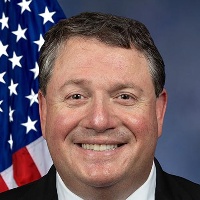
Randall Fine
Representative
FL
Randall Fine
Representative
FL
This resolution strongly condemns the antisemitic terrorist attack in Boulder, Colorado, and expresses solidarity with the victims and first responders. It highlights the alarming rise of antisemitism across the nation and calls for the perpetrator to be prosecuted to the fullest extent of the law. Furthermore, the bill urges immediate action to secure the border and address visa overstays.
This Act codifies Executive Order 14290, making its directives the official law of the land.
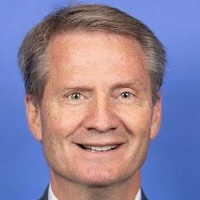
Tim Burchett
Representative
TN
Tim Burchett
Representative
TN
The EO 14290 Act of 2025 officially codifies Executive Order 14290 into federal law. This action transforms the directives of the Executive Order into legally binding statutes with the full force of law. Consequently, the rules established by EO 14290 are now permanent federal requirements.
This act mandates that FHA loan disclosures include comparable VA loan information and requires lenders to ask about military service on standard loan applications.
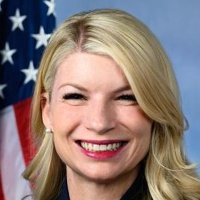
Brittany Pettersen
Representative
CO
Brittany Pettersen
Representative
CO
The VA Loan Informed Disclosure Act of 2025 (VALID Act) aims to increase awareness of VA loan options among homebuyers. It requires lenders to include comparative information about potential VA loan terms on standard FHA disclosure forms. Furthermore, the Act mandates that the Uniform Residential Loan Application include a prominent question regarding the applicant's military service.
This Act codifies Executive Order 14293, transforming the presidential order into permanent federal law.
Tim Burchett
Representative
TN
Tim Burchett
Representative
TN
The Executive Order 14293 Act of 2025 officially codifies Executive Order 14293, transforming it into permanent federal law. This action gives the directives and requirements previously established by the Executive Order the full force and effect of legislation passed by Congress.
This Act permanently codifies Executive Order 14292, establishing its requirements for biological research safety and security as federal law.
Tim Burchett
Representative
TN
Tim Burchett
Representative
TN
The Executive Order 14292 Act of 2025 permanently codifies Executive Order 14292 into federal law. This action transforms the existing presidential order regarding the safety and security of biological research into a permanent statutory requirement. The bill ensures the established regulations for biological research maintain the full force and effect of law.
This resolution strongly condemns the rise of antisemitism in the United States and honors the memory of Yaron Lischinsky and Sarah Milgrim, who were murdered while promoting peace.
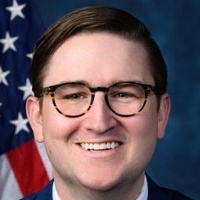
Addison McDowell
Representative
NC
Addison McDowell
Representative
NC
This resolution strongly condemns the rise of antisemitism in the United States and around the world. It specifically honors the memory of Yaron Lischinsky and Sarah Milgrim, who were tragically murdered while promoting peace. Ultimately, Congress reaffirms its commitment to combating all forms of hate and ensuring the vigorous enforcement of laws protecting religious freedom.
The DEFIANCE Act of 2025 establishes a federal civil right of action against the creation, possession with intent to share, or sharing of nonconsensual sexually explicit digital forgeries, or "deepfakes."
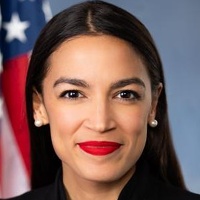
Alexandria Ocasio-Cortez
Representative
NY
Alexandria Ocasio-Cortez
Representative
NY
The DEFIANCE Act of 2025 establishes a federal civil cause of action against the creation, possession with intent to share, or sharing of nonconsensual intimate digital forgeries, often known as deepfakes. This legislation updates existing law to specifically address image-based sexual abuse created through AI or digital manipulation, regardless of whether the image is labeled as fake. Victims can sue for significant statutory damages, attorney's fees, and injunctive relief to stop the spread of the harmful content. The Act ensures that this new federal standard does not preempt or limit stronger existing State or Tribal laws.
This resolution condemns former FBI Director James Comey for allegedly inciting violence against President Trump through a cryptic social media post and demands an investigation and his permanent barring from federal employment.
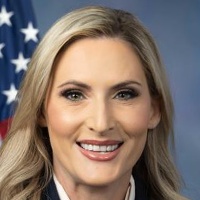
Laurel Lee
Representative
FL
Laurel Lee
Representative
FL
This resolution strongly condemns former FBI Director James Comey for a social media post interpreted as inciting violence against President Donald J. Trump during his overseas trip. Congress demands that federal authorities investigate Comey's actions and permanently bar him from any future federal employment. The measure asserts that political violence incitement by former high-ranking officials is unacceptable and threatens national security.
The Global Fairness in Drug Pricing Act aims to lower U.S. prescription drug costs by establishing international price targets, facilitating safe importation, cracking down on anticompetitive behavior, and studying global pricing impacts.
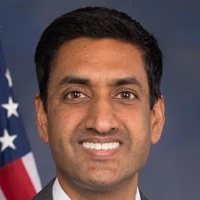
Ro Khanna
Representative
CA
Ro Khanna
Representative
CA
The Global Fairness in Drug Pricing Act aims to significantly lower prescription drug costs for Americans. It directs the HHS to establish "most-favored-nation" price targets based on international rates and enhances safe importation options. Additionally, the bill mandates enforcement actions against anticompetitive drug manufacturer behavior and requires a study on global pricing discrimination.
This Act establishes robust federal protections and enforcement mechanisms against discrimination for healthcare entities that decline to participate in abortion, sterilization, or assisted suicide procedures, while also granting individuals a private right of action to sue for violations.
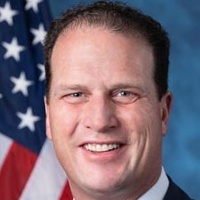
August Pfluger
Representative
TX
August Pfluger
Representative
TX
The Conscience Protection Act of 2025 aims to strengthen federal protections for healthcare providers and entities that refuse to participate in abortion, sterilization, or assisted suicide based on moral or religious objections. It prohibits discrimination against these entities by any recipient of federal funding, including state and local governments. Furthermore, the bill establishes stronger enforcement mechanisms within HHS and grants individuals and entities a private right of action to sue for violations of these conscience laws in federal court.
This Act prohibits individuals with gender dysphoria or those who have received gender-affirming care from serving in the U.S. Armed Forces and mandates the administrative discharge of current service members who fall under this restriction.
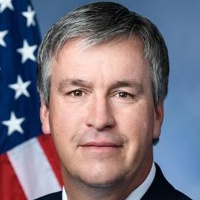
Barry Moore
Representative
AL
Barry Moore
Representative
AL
The Readiness Over Wokeness Act prohibits individuals with a history of gender dysphoria or those who have received gender-affirming care from serving in the U.S. Armed Forces. Current service members who fall under this new prohibition must be administratively discharged. Discharges under this specific provision will not require repayment of educational benefits or completion of service obligations.
This resolution calls upon local communities to support organizations that aid Gold Shield Families—the loved ones of first responders who died in the line of duty.
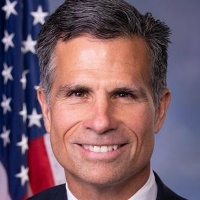
Daniel Meuser
Representative
PA
Daniel Meuser
Representative
PA
This resolution expresses gratitude to the families of first responders who died in the line of duty, known as Gold Shield Families. It recognizes the profound sacrifice made by these families and calls upon local communities to support the nonprofit organizations that provide them with essential resources and aid during their time of need. The bill emphasizes the nation's ongoing commitment to honoring both the fallen heroes and their surviving loved ones.
This resolution formally honors mothers, recognizes their essential role in raising the next generation, and explicitly defines motherhood as belonging to women while rejecting alternative terminology.
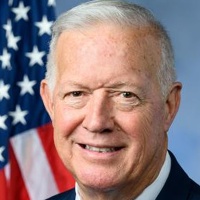
Randy Weber
Representative
TX
Randy Weber
Representative
TX
This resolution formally honors mothers and recognizes the vital role they play in raising the next generation, coinciding with Mother's Day. It reaffirms that motherhood is defined by women and strongly rejects alternative terminology that diminishes this role. Ultimately, the bill encourages the nation to celebrate the invaluable contributions of mothers to families and the country.
This Act establishes severe penalties for fraud targeting critical infrastructure and mandates sanctions, including asset blocking and entry bans, against foreign persons who knowingly access such systems to harm U.S. national security.
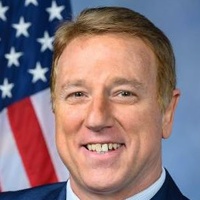
Patrick Fallon
Representative
TX
Patrick Fallon
Representative
TX
The Protecting Critical Infrastructure Act significantly increases penalties for fraud targeting essential systems like power grids and communication networks, mandating decades-long prison sentences. Furthermore, it requires the President to impose strict sanctions, including asset freezes and entry bans, on foreign persons who knowingly access U.S. critical infrastructure to harm national security. The bill grants the President authority under IEEPA to enforce these measures, with specific reporting requirements to Congress.
This Act establishes a grant program through the Department of Homeland Security to fund medical care for retired Federal working dogs living with their former handlers.
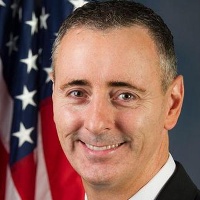
Brian Fitzpatrick
Representative
PA
Brian Fitzpatrick
Representative
PA
The Honoring our K9 Heroes Act establishes a new grant program administered by the Department of Homeland Security to help cover medical expenses for retired Federal working dogs. Eligible non-profit organizations with a history of supporting these retired K9s can apply for funding. This initiative is authorized with $1 million annually from Fiscal Year 2026 through 2030 to support dogs living with their former handlers.
This Act officially designates the POW/MIA Memorial and Museum in Jacksonville, Florida, as the National POW/MIA Memorial and Museum, establishing reporting requirements for its future operation.
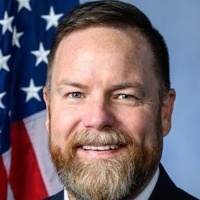
Aaron Bean
Representative
FL
Aaron Bean
Representative
FL
This bill officially designates the memorial and museum currently under construction in Jacksonville, Florida, as the **National POW/MIA Memorial and Museum**. The legislation recognizes the museum's crucial role in honoring and educating the public about service members who were prisoners of war or remain missing in action. To maintain this designation, the museum must submit a comprehensive operational report to Congress within 90 days of enactment. Failure to open satisfactorily within five years or submit the required report will result in the loss of this official federal title.
This act prohibits federal funding for colleges and universities that mandate COVID-19 vaccinations for students or employees.
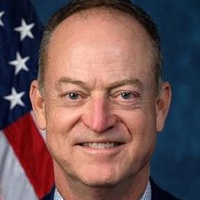
Mark Messmer
Representative
IN
Mark Messmer
Representative
IN
The No Vaccine Mandates in Higher Education Act prohibits the federal government from providing funds to colleges and universities that require students or employees to receive a COVID-19 vaccine. This measure ensures that institutions of higher education cannot mandate vaccination for enrollment, employment, or access to services without risking the loss of federal funding.
This resolution strongly supports the Second Amendment right to keep and bear arms while commending President Trump for working to reverse recent Biden administration infringements on those freedoms.
Roger Williams
Representative
TX
Roger Williams
Representative
TX
This resolution strongly affirms the constitutional right to keep and bear arms under the Second Amendment. It criticizes recent actions by the Biden administration and federal agencies, such as the ATF, for implementing what are viewed as infringements on these freedoms. The resolution commends former President Trump for his past efforts to protect Second Amendment rights against such measures.