Legislative Activity
Track Ted's sponsored bills, co-sponsored legislation, and voting record
The Honoring Our Fallen Heroes Act of 2025 expands public safety officer benefits to include disability and death coverage for certain cancers presumed to be caused by on-duty exposure to carcinogens, and clarifies "line of duty" definitions for first responder benefits.
Mary Scanlon
Representative
PA
Mary Scanlon
Representative
PA
The Honoring Our Fallen Heroes Act of 2025 expands public safety officer benefits to include deaths and disabilities caused by exposure-related cancers, presuming that certain cancers diagnosed within 15 years of service are line-of-duty injuries if the officer served for at least 5 years. It defines "exposure-related cancer" and allows for updates to the list based on medical evidence, while also permitting individuals to petition for additions. The Act also clarifies "line of duty action" and applies retroactively to claims dating back to January 1, 2020, with a three-year window for filing claims based on these amendments.
The United States-Israel Defense Partnership Act of 2025 bolsters defense cooperation between the U.S. and Israel through joint programs, funding increases, and extended authorities related to countering unmanned systems, anti-tunnel technology, emerging technologies, and war reserve stockpiles, while also exploring Israel's inclusion in the national technology and industrial base and assessing integrated air and missile defense in the CENTCOM region.
Joe Wilson
Representative
SC
Joe Wilson
Representative
SC
The United States-Israel Defense Partnership Act of 2025 seeks to bolster the defense relationship between the United States and Israel through joint initiatives and increased cooperation. It establishes programs to counter unmanned systems, extend anti-tunnel and counter-UAS cooperation, and promote collaboration in emerging technologies like AI and cybersecurity. The act also mandates the establishment of a Defense Innovation Unit office in Israel and assesses integrated air and missile defense in the U.S. Central Command region. Finally, it explores Israel's potential inclusion in the national technology and industrial base.
Prohibits federal funds from being used to eliminate the United States Agency for International Development (USAID) as an independent entity, requiring the Secretary of State to certify compliance.
Sara Jacobs
Representative
CA
Sara Jacobs
Representative
CA
The "Protect US National Security Act" ensures that federal funds cannot be used to eliminate the United States Agency for International Development (USAID) as an independent entity. It asserts that only an act of Congress can eliminate USAID. The Secretary of State must certify compliance with this requirement to Congress within 30 days of the act's enactment and annually for 5 years.
The "National Plan for Epilepsy Act" aims to create a comprehensive national strategy to improve epilepsy prevention, diagnosis, treatment, and research through coordinated federal efforts and an advisory council.
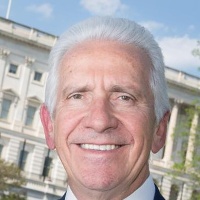
Jim Costa
Representative
CA
Jim Costa
Representative
CA
The "National Plan for Epilepsy Act" aims to address the significant impact of epilepsy by establishing a comprehensive national plan for its prevention, diagnosis, treatment, and cure. This act mandates the creation of an Advisory Council on Epilepsy Research, Care, and Services, composed of federal and non-federal experts, to evaluate and improve federally funded epilepsy efforts. The council will provide recommendations to enhance coordination, diagnosis, treatment, research, and public awareness, and reduce the financial burden of epilepsy on families. Ultimately, the act seeks to improve the lives of individuals with epilepsy and their caregivers through coordinated research, improved access to care, and enhanced public awareness.
This bill excludes certain veterans’ disability benefits from income calculations for HUD-VASH and other housing assistance programs to increase eligibility for unhoused disabled veterans.
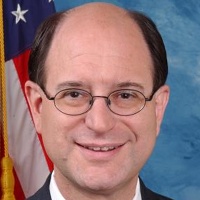
Brad Sherman
Representative
CA
Brad Sherman
Representative
CA
The Housing Unhoused Disabled Veterans Act aims to increase housing accessibility for veterans by excluding VA disability benefits from income calculations for HUD-VASH and other specific housing programs. By disregarding these benefits when determining eligibility, the bill ensures that disabled veterans can more easily qualify for essential housing assistance.
The SAFE Act amends the Social Security Act to include physical and occupational therapy benefits in Medicare annual wellness visits and initial preventive physical exams and requires the Secretary of Health and Human Services to submit an annual report to Congress regarding falls experienced by individuals aged 65 and older.
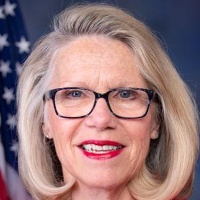
Carol Miller
Representative
WV
Carol Miller
Representative
WV
The SAFE Act amends the Social Security Act to include physical and occupational therapy benefits in Medicare annual wellness visits and initial preventive physical exams starting in 2026 for individuals determined to have fallen in the previous year. It mandates that these individuals receive falls risk assessments, fall prevention services, and outpatient therapy services. Additionally, the Act requires the Secretary of Health and Human Services to submit annual reports to Congress on falls experienced by individuals aged 65 and older.
This bill ensures disaster survivors aren't denied FEMA aid before their insurance claims are settled.
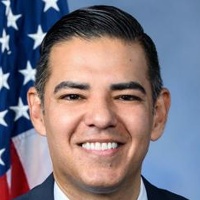
Robert Garcia
Representative
CA
Robert Garcia
Representative
CA
The Fair Disaster Assistance Act of 2025 prevents FEMA from sending disaster assistance denial notices to applicants before their insurance claims are fully processed. This ensures individuals are not prematurely denied assistance while awaiting insurance determinations. The Act directs FEMA to establish regulations to implement this change.
The Space Infrastructure Act designates space systems, services, and technology as critical infrastructure, requiring the Department of Homeland Security to define its scope and coordinate its protection.
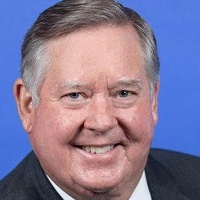
Ken Calvert
Representative
CA
Ken Calvert
Representative
CA
The Space Infrastructure Act designates space systems, services, and technology as critical infrastructure, requiring the Department of Homeland Security to define its scope and identify coordinating bodies. This act amends the Homeland Security Act of 2002 to formally include space-related assets as critical infrastructure. It also mandates the Secretary of Homeland Security to report to Congress on the implementation of these changes.
This bill establishes a Department of Peacebuilding to coordinate government efforts in nonviolent conflict resolution and violence reduction, aiming to make peace a national policy objective.

Ilhan Omar
Representative
MN
Ilhan Omar
Representative
MN
This bill establishes a Department of Peacebuilding within the executive branch to coordinate and promote peace-related efforts, both domestically and internationally, through nonviolent conflict resolution and violence reduction strategies. The department will be led by a Secretary of Peacebuilding and will include offices focused on peace education, domestic and international peacebuilding, technology for peace, and human rights. It emphasizes collaboration with other agencies and allocates resources, with a focus on domestic peace programs, to implement these initiatives. The bill also directs the Secretary to propose legislative changes, encourages the promotion of peace through Peace Days, and defines key terms to ensure clarity in the Act's implementation.
This bill directs the Secretary of Labor to award grants to community colleges for high-quality workforce development programs in high-skill, high-wage, or in-demand sectors.
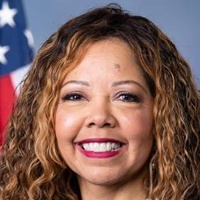
Lucy McBath
Representative
GA
Lucy McBath
Representative
GA
This bill amends the Workforce Innovation and Opportunity Act to establish a grant program through the Department of Labor, awarding funds to community colleges for the development of high-quality workforce programs that lead to credentials in high-skill, high-wage, or in-demand jobs. These grants require partnerships with employers and a focus on serving individuals with barriers to employment, with the aim of improving program quality, accessibility, and alignment with workforce needs. The bill authorizes appropriations of $65,000,000 annually from 2026 through 2031 for this purpose.
The "Polluters Pay Climate Fund Act of 2025" taxes fossil fuel companies based on their historic emissions to fund climate resilience, adaptation, disaster response, and environmental justice initiatives, while preserving legal avenues for climate-related claims.
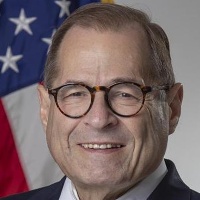
Jerrold Nadler
Representative
NY
Jerrold Nadler
Representative
NY
The Polluters Pay Climate Fund Act of 2025 taxes fossil fuel companies based on their historic carbon emissions to create a fund for climate resilience, adaptation, disaster response, and environmental justice initiatives. The fund will allocate billions annually to FEMA and EPA programs, with a focus on benefiting environmental justice communities. The Act clarifies that it does not preempt existing laws or prevent entities from pursuing climate-related legal claims against polluters. This legislation aims to make the fossil fuel industry contribute to addressing the climate crisis and its impacts.
The "Freedom to Invest in Tomorrow's Workforce Act" expands the use of 529 savings accounts to cover expenses related to postsecondary credentialing programs, including tuition, fees, books, supplies, equipment, and testing fees.
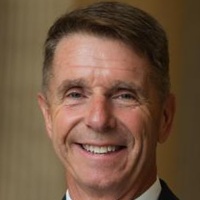
Robert Wittman
Representative
VA
Robert Wittman
Representative
VA
The "Freedom to Invest in Tomorrow's Workforce Act" amends Section 529 savings accounts to include expenses related to postsecondary credentialing programs. This allows 529 funds to cover costs like tuition, fees, books, supplies, and testing fees for recognized programs and credentials, as defined by the bill. These changes would apply to distributions made after the bill is enacted.
The Disaster Resiliency and Coverage Act of 2025 aims to increase disaster preparedness and insurance coverage by providing grants for home mitigation, tax exclusions for disaster relief payments, and a tax credit for disaster mitigation expenditures.
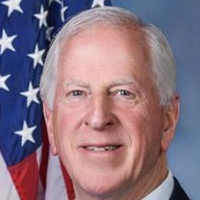
Mike Thompson
Representative
CA
Mike Thompson
Representative
CA
The Disaster Resiliency and Coverage Act of 2025 aims to increase household disaster resilience through a grant program for pre-disaster mitigation activities, tax exclusions for state-based catastrophe loss mitigation payments and certain emergency agricultural assistance, and a tax credit for disaster mitigation expenditures. The grant program will provide funds to states and tribal governments for mitigation activities on individual homes in high-risk disaster areas, while the tax exclusions and credit offer financial relief and incentives for individuals and agricultural producers affected by disasters. This act seeks to encourage proactive measures to protect homes and businesses from the impact of future disasters.
The Protect Our Letter Carriers Act of 2025 authorizes $7 billion to upgrade postal security infrastructure while mandating dedicated federal prosecutors for postal crimes and increasing sentencing guidelines for assaults against postal employees.
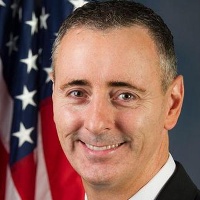
Brian Fitzpatrick
Representative
PA
Brian Fitzpatrick
Representative
PA
The Protect Our Letter Carriers Act of 2025 aims to enhance the safety of postal workers by funding high-security infrastructure upgrades, including electronic mailbox keys. The bill also mandates the appointment of dedicated federal prosecutors for postal crimes in every judicial district and requires stricter sentencing guidelines for those who assault or rob postal employees.
The "Taxpayer Data Protection Act" limits access to the Treasury Department's payment systems to authorized personnel and requires investigation and reporting of unauthorized access.

Haley Stevens
Representative
MI
Haley Stevens
Representative
MI
The Taxpayer Data Protection Act limits access to the Treasury Department's payment systems to Treasury employees or contractors with satisfactory performance reviews and security clearances. It sets specific criteria for individuals accessing the system, including conflict of interest restrictions, training, and ethics agreements. The Act also mandates the Treasury Department's Inspector General to investigate and report to Congress on any unauthorized system use.
The Scientific Integrity Act mandates federal agencies to establish and enforce scientific integrity policies that protect scientific research from political interference, ensure open communication of scientific findings, and provide whistleblower protection for scientists.
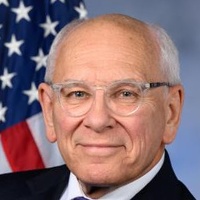
Paul Tonko
Representative
NY
Paul Tonko
Representative
NY
The Scientific Integrity Act mandates that federal agencies that fund, conduct, or oversee scientific research establish and enforce scientific integrity policies. These policies aim to protect scientists from political interference, ensure the open communication of scientific findings, and establish clear processes for reporting and addressing scientific misconduct. The Act requires agencies to appoint Scientific Integrity Officers, provide regular training, and report on misconduct complaints, with oversight from the Office of Science and Technology Policy and Congress. It also protects the rights of federal employees and contractors to share their findings and prevents the suppression or distortion of scientific data.
The "Protecting Sensitive Locations Act" restricts immigration enforcement actions at sensitive locations like schools and places of worship, requiring discretion and oversight.
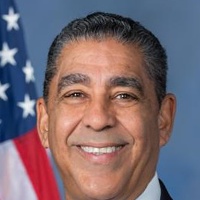
Adriano Espaillat
Representative
NY
Adriano Espaillat
Representative
NY
The "Protecting Sensitive Locations Act" amends the Immigration and Nationality Act to restrict immigration enforcement actions within 1,000 feet of sensitive locations like schools, hospitals, and places of worship, except in exigent circumstances. It mandates training, reporting, and oversight for enforcement activities near these locations, and invalidates evidence obtained in violation of the Act. The Act aims to ensure discretion and limit enforcement impact on sensitive community spaces, while also requiring annual reports to Congress on enforcement actions taken in sensitive locations.
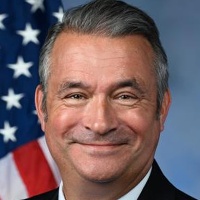
The Marc Fischer Memorial Act mandates the implementation of a comprehensive digital mail scanning strategy across all federal prisons to detect and interdict synthetic drugs like fentanyl.
Don Bacon
Representative
NE
Don Bacon
Representative
NE
The Marc Fischer Memorial Act mandates that the Bureau of Prisons implement a comprehensive strategy to achieve 100% digital scanning of all inmate mail to interdict fentanyl and other synthetic drugs. By transitioning to digital mail processing, the Act aims to protect staff and inmates from lethal exposure, improve institutional security, and alleviate the administrative burden on correctional personnel.
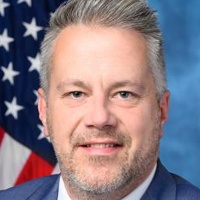
The QUIET Act mandates clear disclosure for AI-generated robocalls and texts while doubling penalties for those using AI to impersonate individuals or organizations for fraudulent purposes.
Eric Sorensen
Representative
IL
Eric Sorensen
Representative
IL
The Quashing Unwanted and Interruptive Electronic Telecommunications (QUIET) Act mandates that all AI-generated robocalls and text messages clearly disclose the use of artificial intelligence at the start of the communication. Additionally, the bill doubles the civil and criminal penalties for bad actors who use AI to impersonate individuals or organizations with the intent to defraud or cause harm.
The Right to Contraception Act establishes a federal right to obtain and use contraception and prohibits government interference with access to contraceptive services and information.

Lizzie Fletcher
Representative
TX
Lizzie Fletcher
Representative
TX
The Right to Contraception Act establishes a federal right for individuals to access and use contraception without government interference. It prohibits federal and state governments from enacting laws that restrict access to contraceptives or the provision of related services. The Act provides clear enforcement mechanisms, allowing individuals and the Attorney General to sue to strike down any rule that violates these protections.