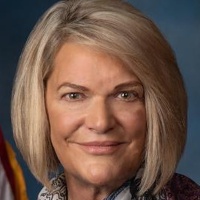
Legislative Activity
Track Cynthia's sponsored bills, co-sponsored legislation, and voting record
The "One Flag for All Act" mandates that only the United States flag can be flown on the exterior and publicly accessible areas of federal buildings, with specific exceptions for certain flags like those of POW/MIAs, visiting diplomats, branches of the Armed Forces, and historical or commemorative significance.

Roger Marshall
Senator
KS
Roger Marshall
Senator
KS
The "One Flag for All Act" generally prohibits the display of flags other than the United States flag on the exterior and publicly accessible areas of federal buildings, military installations, and U.S. embassies. It includes exceptions for flags such as the POW/MIA flag, flags of visiting diplomats, state flags displayed by Members of Congress, flags representing branches of the Armed Forces, flags of historical significance, and flags representing religious organizations or churches during religious events at military installations. Additional exceptions are made for flags representing public safety, special national observances, a Federal agency, an Indian Tribe, and the State, territory, county, city, or local jurisdiction where the covered public building is located.
This resolution urges the E3 nations and the U.S. to trigger the UN "snapback" mechanism to reimpose international sanctions on Iran before the authority expires on October 18, 2025.
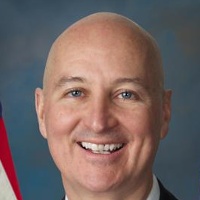
Pete Ricketts
Senator
NE
Pete Ricketts
Senator
NE
This resolution urges the United States and its European allies (the E3) to trigger the "snapback" mechanism under UN Security Council Resolution 2231 to reimpose international sanctions on Iran. It cites Iran’s repeated nuclear and missile program violations as a critical threat to global security. The resolution calls for this action to be taken before the legal authority for the snapback mechanism expires on October 18, 2025.
The I CAN Act expands healthcare access by removing practice barriers for nurse practitioners, certified registered nurse anesthetists, and certified nurse-midwives, and improving transparency in Medicare coverage decisions.

Jeff Merkley
Senator
OR
Jeff Merkley
Senator
OR
Here are the high-level summaries for each title of the I CAN Act: **Title I: Removal of Barriers to Practice on Nurse Practitioners** This title aims to improve healthcare access for Medicare and Medicaid beneficiaries by expanding the scope of practice and recognition of nurse practitioners, allowing them to provide a wider range of services such as prescribing rehabilitation programs, documenting diabetic shoe needs, and overseeing care in various settings. **Title II: Removal of Barriers to Practice on Certified Registered Nurse Anesthetists** This title focuses on reducing practice barriers for Certified Registered Nurse Anesthetists (CRNAs) by allowing Medicare reimbursement for their services, updating regulations to affirm their authority, removing mandatory supervision requirements, and ensuring Medicaid coverage. **Title III: Removal of Barriers to Practice on Certified Nurse-Midwives** This title seeks to expand the role of certified nurse-midwives (CNMs) in the Medicare system by including their services in coverage, enabling them to order home health services and durable medical equipment, and standardizing qualification standards. **Title IV: Improving Federal Health Programs for All Advanced Practice Registered Nurses** This title aims to increase transparency in Medicare coverage decisions, prevent coverage limitations based on provider qualifications, and expand access to locum tenens arrangements for advanced practice registered nurses (APRNs). **Title V: Effective Date** This title sets a 90-day timeline for the implementation of the new law's provisions and authorizes the Secretary of Health and Human Services to issue temporary guidelines for a smooth transition.
This bill directs the Department of Education to consider the International Holocaust Remembrance Alliance's definition of antisemitism when evaluating discrimination complaints under Title VI of the Civil Rights Act of 1964.

Tim Scott
Senator
SC
Tim Scott
Senator
SC
The Antisemitism Awareness Act of 2025 requires the Department of Education to consider the International Holocaust Remembrance Alliance (IHRA) definition of antisemitism when evaluating discrimination complaints under Title VI of the Civil Rights Act of 1964, ensuring consistent enforcement against antisemitism in federally funded programs. This bill aims to increase awareness and improve the safety of Jewish communities by codifying the use of the IHRA definition. The Act does not expand the Department of Education's authority, change harassment standards, reduce existing rights, or diminish First Amendment rights.
The "Death Tax Repeal Act of 2025" eliminates estate and generation-skipping transfer taxes, modifies gift tax calculations, and adjusts lifetime gift exemptions.
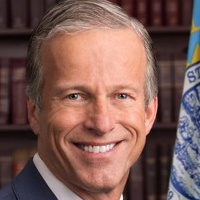
John Thune
Senator
SD
John Thune
Senator
SD
The "Death Tax Repeal Act of 2025" eliminates both estate and generation-skipping transfer taxes, while also modifying gift tax laws. It adjusts gift tax calculations, addresses transfers in trust, sets an initial $10,000,000 amount for calculating tentative tax, and adjusts for inflation. These changes apply to estates of decedents dying, generation-skipping transfers occurring, and gifts made on or after the enactment date of this Act.
The "Healthy SNAP Act of 2025" redefines eligible food items under SNAP to exclude unhealthy options like soft drinks and candy, while prioritizing nutritious foods that address dietary needs and reflect cultural eating habits.
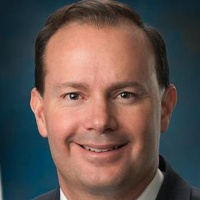
Mike Lee
Senator
UT
Mike Lee
Senator
UT
The "Healthy SNAP Act of 2025" amends the Food and Nutrition Act of 2008, redefining "food" under SNAP to exclude items like alcohol, tobacco, and sugary products, while directing the Secretary to designate specific healthy foods that qualify. It requires the Secretary to consider nutritional value, fat, sugar, and salt levels when designating foods and to review these designations regularly. The bill also ensures prepared meals meet nutritional standards and allows for culturally appropriate food substitutions.
The "Fair SHARE Act of 2025" taxes electric vehicles and heavy battery modules to support the Highway Trust Fund.
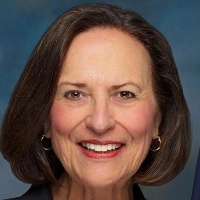
Deb Fischer
Senator
NE
Deb Fischer
Senator
NE
The "Fair SHARE Act of 2025" introduces a tax on electric vehicles and heavy battery modules to support the Highway Trust Fund. Effective January 1, 2026, the act levies a $1,000 tax on each electric vehicle and a $550 tax on battery modules exceeding 1,000 pounds. Revenue generated will be allocated to the Highway Trust Fund. The bill aims to ensure that electric vehicle users contribute to the maintenance and improvement of the nation's road infrastructure.
The Enhanced Iran Sanctions Act of 2025 imposes sanctions on those involved in logistical transactions with Iran's energy sector and establishes an interagency working group to coordinate and enforce these sanctions.
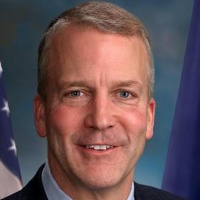
Dan Sullivan
Senator
AK
Dan Sullivan
Senator
AK
The Enhanced Iran Sanctions Act of 2025 aims to prevent Iran from obtaining nuclear weapons and countering its support for terrorism by imposing sanctions on those involved in logistical transactions of Iranian oil, gas, and petrochemical products. It mandates the President to block the property of sanctioned individuals and entities within the U.S. and deny them U.S. visas, with potential waivers based on national interest. The Act also establishes an Interagency Working Group to coordinate and enhance the enforcement of sanctions against Iran, and encourages the formation of a multilateral contact group with similar countries to coordinate international enforcement of sanctions against Iran. Finally, the Act amends the State Department Basic Authorities Act of 1956 to include identifying individuals or entities involved in activities that violate or evade sanctions under the Enhanced Iran Sanctions Act of 2025.
The "Eliminate Lavish Incentives To Electric Vehicles Act" repeals tax credits for new and used clean vehicles, commercial clean vehicles, and excludes electric vehicle recharging property from alternative fuel vehicle refueling property credits.
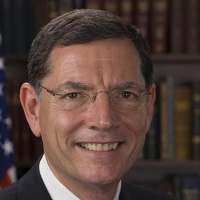
John Barrasso
Senator
WY
John Barrasso
Senator
WY
The "Eliminate Lavish Incentives To Electric Vehicles Act" repeals several clean energy tax credits, including those for new and used clean vehicles, qualified commercial clean vehicles, and excludes electric vehicle recharging property from the alternative fuel vehicle refueling property credit. These changes would take effect for vehicles or property purchased (or under binding contract) more than 30 days after the Act's enactment.
The "National Right-to-Work Act" prohibits mandatory union membership as a condition of employment, protecting employees' rights to choose whether or not to join or support a labor union.

Rand Paul
Senator
KY
Rand Paul
Senator
KY
The "National Right-to-Work Act" aims to protect individual employees' rights to choose whether or not to join or support a labor union. It amends the National Labor Relations Act and the Railway Labor Act to eliminate mandatory union membership or fees as a condition of employment. This ensures that employees cannot be forced to join or contribute to a union against their will. The changes apply to agreements made or renewed after the Act's enactment.
This bill prevents the Department of Interior and Agriculture from banning lead ammunition and tackle on federal land unless the state approves the ban.
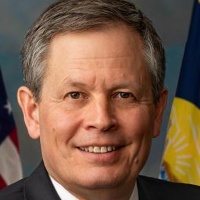
Steve Daines
Senator
MT
Steve Daines
Senator
MT
The "Protecting Access for Hunters and Anglers Act of 2025" prevents the Department of Interior and Department of Agriculture from banning or regulating lead ammunition and fishing tackle on federal lands and waters open to hunting and fishing. An exception is allowed in specific areas where lead is scientifically proven to be the primary cause of wildlife population decline, but any restrictions must align with state laws or have the approval of the state's fish and wildlife department. The reasoning for any such prohibition or regulation must be published in the Federal Register.
The "Protect Small Businesses from Excessive Paperwork Act of 2025" extends the filing deadline to January 1, 2026, for pre-existing reporting companies formed before January 1, 2024.
Tim Scott
Senator
SC
Tim Scott
Senator
SC
The "Protect Small Businesses from Excessive Paperwork Act of 2025" amends the filing deadline for pre-existing reporting companies. Companies in existence before January 1, 2024, now have until January 1, 2026, to file their reports.
This bill repeals a Bureau of Land Management rule concerning conservation and landscape health.
John Barrasso
Senator
WY
John Barrasso
Senator
WY
The WEST Act of 2025 repeals a Bureau of Land Management rule concerning conservation and landscape health that was published in the Federal Register (88 Fed. Reg. 19583). This action effectively voids the rule.
This resolution designates February 2025 as Career and Technical Education Month to recognize the vital role of CTE programs in developing a skilled workforce and preparing students for high-demand careers.
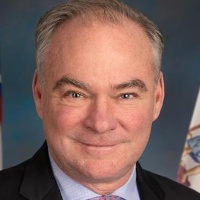
Timothy Kaine
Senator
VA
Timothy Kaine
Senator
VA
This resolution designates February 2025 as "Career and Technical Education Month" to recognize the vital role of CTE in preparing students for high-demand, skilled careers. It highlights the importance of workforce training in meeting modern economic needs and encourages educators, parents, and administrators to promote CTE as a valuable and respected educational pathway.
This bill eliminates an administrative fee under the Mineral Leasing Act, amends related sections of other acts to remove references to the fee, and corrects a typo.
Steve Daines
Senator
MT
Steve Daines
Senator
MT
The "Restoring State Mineral Revenues Act" eliminates an administrative fee charged under the Mineral Leasing Act, which will likely increase the amount of revenue states receive from mineral leasing on federal lands. It also makes necessary technical and conforming changes to other related laws, such as the Geothermal Steam Act of 1970 and the Federal Oil and Gas Royalty Management Act of 1982, to reflect the elimination of this fee.
The "Supporting Made in America Energy Act" mandates increased oil and gas lease sales on federal lands and waters, while extending a moratorium in the Eastern Gulf of Mexico and setting timelines for future leasing programs.
Steve Daines
Senator
MT
Steve Daines
Senator
MT
The "Supporting Made in America Energy Act" mandates the Secretary of the Interior to conduct a minimum number of oil and natural gas lease sales annually for both onshore and offshore lands, including specific requirements for the Gulf of Mexico and Alaska regions. It extends the moratorium on oil and gas leasing in the Eastern Gulf of Mexico until December 31, 2035, and sets deadlines for preparing subsequent oil and gas leasing programs. The Act also restricts the President's authority to pause or impede Federal energy mineral leasing processes without congressional approval.
Prohibits the Department of Veterans Affairs from sending veterans' personal information to the national instant criminal background check system based only on the fact that the veteran requires assistance managing their benefits, unless a court determines the veteran is a danger to themselves or others.

John Kennedy
Senator
LA
John Kennedy
Senator
LA
The "Veterans 2nd Amendment Protection Act of 2025" prevents the Department of Veterans Affairs from sharing veterans' personal information with the national instant criminal background check system (NICS) based solely on the appointment of a fiduciary to manage their benefits. Information can only be shared if a judicial authority determines the veteran poses a danger to themselves or others.
The Regulations from the Executive in Need of Scrutiny Act of 2025 (REINS Act) would require congressional approval for major executive branch rules with significant economic impacts before they can take effect.
Rand Paul
Senator
KY
Rand Paul
Senator
KY
The "Regulations from the Executive in Need of Scrutiny Act of 2025" aims to increase transparency and accountability in federal agency rulemaking by requiring congressional approval for major rules with significant economic impact (over $100 million). It establishes procedures for congressional review and approval or disapproval of both major and non-major rules, mandates the publication of guidance documents, and sets expiration dates for major rules. The Act also requires agencies to conduct retrospective reviews of existing rules and includes a regulatory budget to control the costs of regulations. Additionally, the Government Accountability Office must study the number and economic impact of existing rules.
This Act mandates that new passenger vehicles sold in the U.S. must include standard equipment capable of receiving AM broadcast radio signals for emergency alerts and programming.
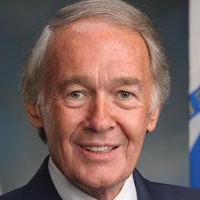
Edward Markey
Senator
MA
Edward Markey
Senator
MA
The AM Radio for Every Vehicle Act of 2025 mandates that new passenger vehicles sold in the U.S. must include standard equipment capable of receiving AM broadcast signals within a few years of the law's enactment. This requirement aims to ensure drivers retain access to crucial emergency alerts, overriding conflicting state or local laws. The bill also directs the GAO to study the reliability of AM radio versus other emergency alert technologies in vehicles.
The "American Beef Labeling Act of 2025" mandates country-of-origin labeling for beef and ground beef, tasking the USTR and Secretary of Agriculture with establishing a WTO-compliant labeling system within one year.
John Thune
Senator
SD
John Thune
Senator
SD
The American Beef Labeling Act of 2025 amends the Agricultural Marketing Act of 1946 to mandate country-of-origin labeling (MCOOL) for beef and ground beef. It requires the United States Trade Representative, in consultation with the Secretary of Agriculture, to find a way to reinstate MCOOL for beef in compliance with World Trade Organization rules. The changes to beef labeling will take effect within one year of enactment.