
Legislative Activity
Track John's sponsored bills, co-sponsored legislation, and voting record
The Births in Custody Reporting Act of 2025 (BCRA) requires states to report anonymized, aggregate information to the Attorney General regarding inmates who are pregnant or have given birth while in custody.

Jon Ossoff
Senator
GA
Jon Ossoff
Senator
GA
The Births in Custody Reporting Act of 2025 (BCRA) mandates states to report anonymized, aggregate data to the Attorney General on pregnant inmates and those who give birth in custody. This includes details on pregnancy outcomes, prenatal care, use of restraints, and postpartum care. Non-compliant states may face a reduction in federal funding, which will be reallocated to compliant states. The Attorney General will then publish these reports, conduct a study, and report to Congress on improving the treatment of pregnant inmates.
This bill aims to reform the Small Business Administration's disaster loan program by increasing oversight, improving the loan application process, and ensuring equitable access to disaster assistance for small businesses and homeowners.
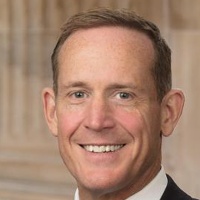
Ted Budd
Senator
NC
Ted Budd
Senator
NC
The Disaster Loan Accountability and Reform Act aims to improve the Small Business Administration's (SBA) disaster loan program by increasing oversight and accountability. It mandates regular risk assessments, enhances loan eligibility verification, and requires the SBA to develop better performance metrics. The act also seeks to streamline the loan application process and improve communication with disaster victims.
Repeals excise taxes on certain chemicals and substances, effective January 1, 2025.

Ted Cruz
Senator
TX
Ted Cruz
Senator
TX
The "Chemical Tax Repeal Act" repeals excise taxes on specific taxable chemicals and substances listed under subchapters B and C of Chapter 38 of the Internal Revenue Code of 1986. This repeal is set to take effect on January 1, 2025.
The "Death Tax Repeal Act of 2025" eliminates estate and generation-skipping transfer taxes, modifies gift tax calculations, and adjusts lifetime gift exemptions.
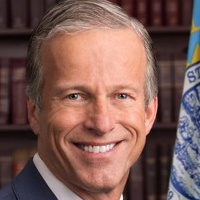
John Thune
Senator
SD
John Thune
Senator
SD
The "Death Tax Repeal Act of 2025" eliminates both estate and generation-skipping transfer taxes, while also modifying gift tax laws. It adjusts gift tax calculations, addresses transfers in trust, sets an initial $10,000,000 amount for calculating tentative tax, and adjusts for inflation. These changes apply to estates of decedents dying, generation-skipping transfers occurring, and gifts made on or after the enactment date of this Act.
The bill mandates prime contractors to use plain language when soliciting subcontracts, making it easier for small businesses to understand and compete for these opportunities.

James Risch
Senator
ID
James Risch
Senator
ID
The Simplifying Subcontracting Act requires prime contractors to use plain language when soliciting subcontracts, making it easier for small businesses to understand the solicitations. Prime contractors must confirm they will use plain writing in solicitations and include this requirement in all subcontracts. Failure to comply requires the contractor to issue a new solicitation in plain writing within 30 days. The Small Business Administration will issue regulations to implement these requirements within 90 days.
This bill transfers the responsibilities of the Food for Peace Act from the United States Agency for International Development to the Department of Agriculture.

Jerry Moran
Senator
KS
Jerry Moran
Senator
KS
This bill transfers the responsibilities of the Food for Peace Act from the United States Agency for International Development to the Department of Agriculture. It ensures program continuity by allowing the Secretary of Agriculture to implement immediate regulation amendments and utilize existing statutory authorities. The Department of Agriculture will also continue the Famine Early Warning Systems Network to monitor and mitigate food insecurity. The Secretary of Agriculture is required to consult regularly with the Secretary of State when implementing title II of the Food for Peace Act.
This bill removes federal overreach by allowing state and local eviction moratoriums to proceed without conflicting with the CARES Act.

Cindy Hyde-Smith
Senator
MS
Cindy Hyde-Smith
Senator
MS
The "Respect State Housing Laws Act" repeals a provision in the CARES Act that restricted states' abilities to enforce their own eviction moratoriums. This change clarifies that state laws regarding evictions should be respected.
The "Alternatives to PAIN Act" aims to lower patient costs and increase access to non-opioid pain management drugs under Medicare Part D by waiving deductibles, setting a low cost-sharing tier, and removing step therapy or prior authorization requirements, starting in 2026.
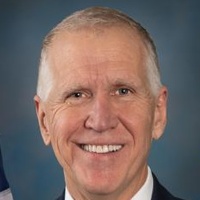
Thom Tillis
Senator
NC
Thom Tillis
Senator
NC
The "Alternatives to PAIN Act" aims to improve access to non-opioid pain management for Medicare Part D beneficiaries starting in 2026. It eliminates the standard deductible and places qualifying non-opioid pain management drugs on the lowest cost-sharing tier. The bill also prohibits the use of step therapy and prior authorization requirements for these drugs, ensuring quicker access to alternative pain relief options.
The "Retirement Fairness for Charities and Educational Institutions Act of 2025" modifies regulations to enhance 403(b) retirement plans for employees of charities and educational institutions by adjusting securities laws.
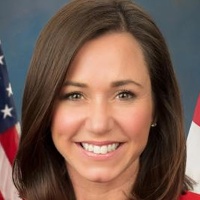
Katie Britt
Senator
AL
Katie Britt
Senator
AL
The "Retirement Fairness for Charities and Educational Institutions Act of 2025" modifies regulations for 403(b) plans under the Investment Company Act of 1940, the Securities Act of 1933, and the Securities Exchange Act of 1934. These modifications broaden exemptions from registration provisions for certain interests, participations, or securities related to 403(b) plans, especially those subject to Title I of the Employee Retirement Income Security Act of 1974, or where the employer acts as a fiduciary, or are governmental plans as defined in section 414. The goal is to expand the types of trusts, plans, and accounts that are excluded from being defined as investment companies. It also updates a section regarding exemptions from registration requirements for securities, adding a reference to plans described in section 3(a)(12)(C)(iv) of the Act.
This Act mandates that new passenger vehicles sold in the U.S. must include standard equipment capable of receiving AM broadcast radio signals for emergency alerts and programming.
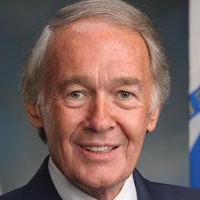
Edward Markey
Senator
MA
Edward Markey
Senator
MA
The AM Radio for Every Vehicle Act of 2025 mandates that new passenger vehicles sold in the U.S. must include standard equipment capable of receiving AM broadcast signals within a few years of the law's enactment. This requirement aims to ensure drivers retain access to crucial emergency alerts, overriding conflicting state or local laws. The bill also directs the GAO to study the reliability of AM radio versus other emergency alert technologies in vehicles.
This joint resolution seeks to nullify the EPA’s rule regarding waste emissions charges for petroleum and natural gas systems.
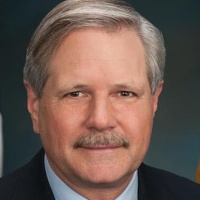
John Hoeven
Senator
ND
John Hoeven
Senator
ND
This joint resolution seeks to exercise congressional disapproval of the EPA’s "Waste Emissions Charge for Petroleum and Natural Gas Systems" rule. If passed, the resolution would nullify the rule, rendering it without force or effect.
The Fair Access to Banking Act aims to prevent financial institutions from denying services to individuals or businesses based on subjective or political reasons, ensuring fair and impartial access to financial services.

Kevin Cramer
Senator
ND
Kevin Cramer
Senator
ND
The Fair Access to Banking Act aims to ensure equal access to financial services by preventing banks and credit unions from denying services to individuals or entities engaged in lawful activities based on subjective or politically motivated reasons. It sets requirements for banks with over $10 billion in assets, prohibiting them from denying services based on reputational risk and requiring them to justify denials with documented, risk-based standards. The act also allows individuals to sue financial institutions that violate these requirements, with the potential for treble damages and attorney fees awarded to successful plaintiffs. Furthermore, it restricts access to Federal Reserve lending programs and the Automated Clearing House Network for institutions that fail to comply with the Act.
This bill removes silencers from special tax and registration requirements under the National Firearms Act while imposing a new 10% excise tax and new federal marking standards on manufacturers.

Michael Crapo
Senator
ID
Michael Crapo
Senator
ID
The Hearing Protection Act seeks to remove silencers from special regulation under federal tax law, treating them similarly to standard firearms components. This bill preempts state and local governments from imposing special taxes or registration requirements on silencers involved in interstate commerce. Furthermore, it mandates the destruction of existing federal records identifying silencer owners and establishes new serial number marking requirements for manufacturers.
This bill amends the Social Security Act to provide Medicare coverage for FDA-approved multi-cancer early detection screening tests starting in 2028.
Michael Crapo
Senator
ID
Michael Crapo
Senator
ID
The Nancy Gardner Sewell Medicare Multi-Cancer Early Detection Screening Coverage Act amends the Social Security Act to provide Medicare coverage for FDA-approved multi-cancer early detection (MCED) screening tests starting in 2028. This legislation establishes a formal coverage and payment framework for these innovative blood-based tests while ensuring they complement, rather than replace, existing cancer screening protocols.
The Disaster Mitigation and Tax Parity Act of 2025 excludes state-funded catastrophe mitigation grants from federal taxable income to help property owners afford essential disaster-resilience improvements.
Thom Tillis
Senator
NC
Thom Tillis
Senator
NC
The Disaster Mitigation and Tax Parity Act of 2025 amends the tax code to exclude state-sponsored catastrophe mitigation payments from an individual's gross income. This legislation ensures that homeowners receiving financial assistance to harden their properties against natural disasters like wildfires, floods, and earthquakes are not unfairly taxed on those funds. The provision is retroactive to the 2022 tax year, allowing eligible taxpayers to claim the exclusion on past returns.
The Rural Hospital Support Act updates Medicare payment calculations for sole community and Medicare-dependent hospitals while permanently extending key reimbursement programs for rural and low-volume facilities.
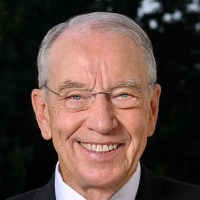
Charles Grassley
Senator
IA
Charles Grassley
Senator
IA
The Rural Hospital Support Act strengthens the financial stability of rural healthcare providers by permanently extending key Medicare payment programs, including the Medicare-dependent hospital (MDH) and low-volume hospital programs. The bill also updates payment calculation formulas for sole community and Medicare-dependent hospitals to reflect more recent cost data, ensuring these facilities receive fair and sustainable reimbursement.
The Laken Riley Act mandates the detention of aliens who commit theft and empowers state attorneys general to sue the Department of Homeland Security or the Secretary of State over immigration enforcement failures.
Katie Britt
Senator
AL
Katie Britt
Senator
AL
The Laken Riley Act mandates the detention of illegal aliens who commit theft, burglary, larceny, or shoplifting. It empowers state attorneys general to sue the Department of Homeland Security or the Secretary of State if they believe the state or its residents are harmed by violations of immigration enforcement or visa granting. The bill aims to ensure that these aliens are detained throughout their removal proceedings and to provide states with legal recourse against perceived failures in federal immigration enforcement.
The Educational Choice for Children Act of 2025 establishes a federal tax credit for donations to scholarship-granting organizations to help eligible students cover a wide range of K-12 educational expenses while protecting the autonomy of participating schools and families.

Bill Cassidy
Senator
LA
Bill Cassidy
Senator
LA
The Educational Choice for Children Act of 2025 establishes a federal tax credit for individuals and corporations that donate to scholarship-granting organizations. These organizations provide scholarships to help eligible students cover a wide range of K-12 educational expenses, including private school tuition, tutoring, and educational therapies. The bill includes a $10 billion annual volume cap on these credits and contains robust protections to ensure the autonomy of participating schools and the rights of parents to direct their children's education.
This bill seeks to codify into law the "Protecting Life in Global Health Assistance" policy, permanently prohibiting federal funding for foreign and domestic organizations that perform, promote, or support abortion services internationally.
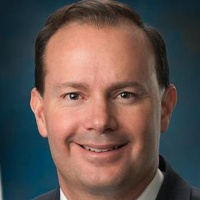
Mike Lee
Senator
UT
Mike Lee
Senator
UT
The Protecting Life in Foreign Assistance Act seeks to codify the "Protecting Life in Global Health Assistance" policy into federal law, preventing future presidential administrations from reversing it. The bill prohibits the use of U.S. federal funds for foreign and domestic nongovernmental organizations that perform, promote, or provide financial support for abortion services. By establishing these permanent restrictions, the legislation aims to ensure that U.S. global health assistance is not used to facilitate abortion-related activities.
This legislation establishes a framework to reduce double taxation for U.S. and Taiwanese residents through reciprocal tax relief and authorizes the President to negotiate a formal tax agreement between the two jurisdictions.
Michael Crapo
Senator
ID
Michael Crapo
Senator
ID
The United States-Taiwan Expedited Double-Tax Relief Act aims to reduce double taxation for residents of Taiwan and the U.S. by lowering withholding rates on cross-border income and establishing clear tax residency rules. Additionally, the bill authorizes the President to negotiate a formal tax agreement with Taiwan, ensuring congressional oversight and public transparency throughout the process. This legislation seeks to boost bilateral trade and investment while ensuring reciprocal tax benefits for both nations.