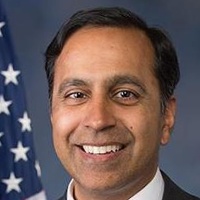
Legislative Activity
Track Raja's sponsored bills, co-sponsored legislation, and voting record
This Act prohibits the use of "panic defenses" in federal court that attempt to excuse or mitigate crimes based on a victim's sexual orientation or gender identity.
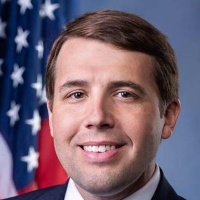
Chris Pappas
Representative
NH
Chris Pappas
Representative
NH
The LGBTQ+ Panic Defense Prohibition Act of 2025 bans the use of "panic defenses" in federal court, which attempt to excuse or lessen a defendant's culpability for a crime based on the victim's sexual orientation or gender identity. This legislation recognizes that these outdated defenses rely on prejudice and undermine justice for LGBTQ+ individuals. The Act also requires the Attorney General to report annually on violent federal crimes motivated by bias against LGBTQ+ people.
The Community Solar Consumer Choice Act of 2025 establishes a federal program to expand community solar access, mandates that most electric utilities offer community solar programs, and extends the maximum length of federal utility service contracts to 30 years.
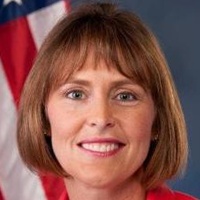
Kathy Castor
Representative
FL
Kathy Castor
Representative
FL
The Community Solar Consumer Choice Act of 2025 establishes a new federal program to expand access to community solar, specifically targeting low- and moderate-income individuals and governments. It mandates that standard electric utilities must offer community solar programs to ensure fair access for all customers. Furthermore, the bill sets strict deadlines for states to review and implement these new community solar standards. Finally, it extends the maximum length for federal contracts for public utility services up to 30 years.
The Safe Storage Saves Lives Act mandates that compatible gun locks be provided with every firearm transfer, clarifies secure storage definitions, and requires sellers to have compatible safety devices available for all firearms offered for sale.
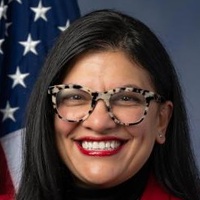
Rashida Tlaib
Representative
MI
Rashida Tlaib
Representative
MI
The Safe Storage Saves Lives Act expands federal requirements to ensure a compatible gun lock is provided with the sale of **every** firearm, not just handguns. It clarifies the definition of secure storage devices and mandates that sellers must have a compatible safety device available for every firearm offered for sale. Finally, the bill suggests that fines collected from violations should fund programs to distribute free or low-cost gun safety devices or public awareness campaigns.
This Act mandates that federal officers involved in border security or immigration enforcement must clearly display identification, wear visible uniforms or badges, and not conceal their faces during detentions or arrests.

Dan Goldman
Representative
NY
Dan Goldman
Representative
NY
The No Secret Police Act of 2025 mandates that federal officers engaged in border security or immigration enforcement must clearly display identification, wear visible badges or uniforms, and refrain from wearing face coverings during detentions or arrests. This ensures accountability by requiring clear identification from Department of Homeland Security (DHS) personnel. The bill also requires the Secretary of Homeland Security to report on current tactical gear policies and research methods to improve officer visibility.
This bill establishes an Office of LGBTQI Inclusion within the Administration on Aging, mandates data collection on discrimination, and ensures services under the Older Americans Act are accessible and culturally competent for LGBTQI older adults.
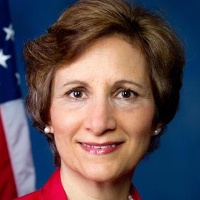
Suzanne Bonamici
Representative
OR
Suzanne Bonamici
Representative
OR
The Ruthie and Connie LGBTQI Elder Americans Act of 2025 aims to improve services and support for older adults who identify as LGBTQI. This bill establishes a new Office of LGBTQI Inclusion within the Administration on Aging and mandates the creation of a National Resource Center on LGBTQI Aging. Furthermore, it updates definitions, ensures eligibility for federal grants, and requires specific data collection on discrimination faced by this population in aging services.
The Stop Hate Crimes Act of 2025 revises federal law to define a hate crime as one where bias was a "contributory motivating factor" in causing injury or death, rather than requiring the crime to be committed solely "because of" the victim's protected characteristic.
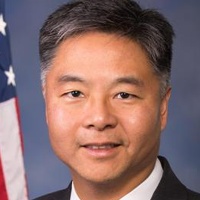
Ted Lieu
Representative
CA
Ted Lieu
Representative
CA
The Stop Hate Crimes Act of 2025 revises federal hate crime standards by changing the required causation element for crimes motivated by bias. This legislation lowers the threshold for prosecution by requiring that bias only needs to be a "contributory motivating factor" in the commission of the crime, rather than the sole or primary reason. This adjustment applies to crimes motivated by race, religion, national origin, and disability.
This Act establishes new federal requirements for corrosion prevention and repair on bridges using certified contractors and qualified training programs, while also making federal funds available for rail bridge corrosion control and mandating a study on weathering steel efficacy.
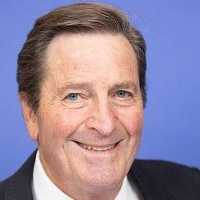
John Garamendi
Representative
CA
John Garamendi
Representative
CA
The Bridge Corrosion Prevention and Repair Act of 2025 establishes new federal requirements to combat bridge rust and decay on federally funded projects by mandating the use of certified contractors and qualified training programs for corrosion control work. The bill also makes federal grant funding explicitly available for corrosion control work on rail bridges. Furthermore, it directs the Secretary of Transportation to conduct a comprehensive study on the efficacy and maintenance of weathering steel bridges within 18 months.
The CONNECT for Health Act of 2025 permanently expands Medicare telehealth access by removing geographic restrictions, increasing practitioner flexibility, bolstering program integrity, and mandating supports for quality remote care delivery.
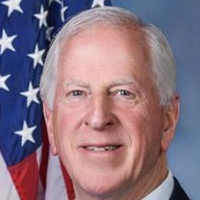
Mike Thompson
Representative
CA
Mike Thompson
Representative
CA
The CONNECT for Health Act of 2025 significantly expands and permanently secures access to Medicare telehealth services by eliminating outdated geographic restrictions and allowing more practitioners to offer remote care. The bill also strengthens program integrity by dedicating funds for telehealth oversight while clarifying rules around providing necessary technology to patients. Finally, it mandates the creation of tailored educational resources and public reporting to improve quality measurement and transparency in remote care delivery.
This resolution expresses Congressional support for LGBTQI+ equality and designates June 26th as "LGBTQI+ Equality Day" to commemorate key legal victories and highlight the need for further anti-discrimination legislation.
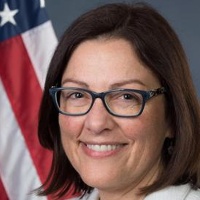
Suzan DelBene
Representative
WA
Suzan DelBene
Representative
WA
This resolution expresses the House's support for the rights and freedoms of LGBTQI+ individuals across the United States. It recognizes key Supreme Court decisions that advanced equality and highlights the ongoing need for comprehensive legal protections against discrimination. Finally, the bill proposes designating June 26th as "LGBTQI+ Equality Day" to commemorate these legal victories.
This resolution formally recognizes the history, achievements, and ongoing struggles of the LGBTQIA+ community while encouraging the celebration of Pride Month and affirming that LGBTQIA+ rights are human rights.
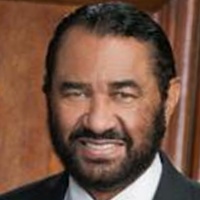
Al Green
Representative
TX
Al Green
Representative
TX
This resolution formally recognizes the history, achievements, and ongoing struggles of the LGBTQIA+ community in the United States. It serves as a declaration by Congress affirming that LGBTQIA+ rights are human rights and encouraging the celebration of Pride Month. The bill highlights key historical milestones, legal victories, and acknowledges the persistent challenges and violence faced by the community. Ultimately, it commits the U.S. to continuing the pursuit of full equality for all citizens.
This resolution encourages members of Congress to conduct unannounced oversight visits to ICE detention facilities within their states to assess conditions following perceived lapses in DHS oversight.
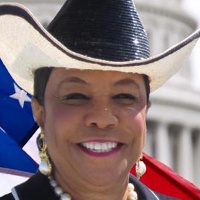
Frederica Wilson
Representative
FL
Frederica Wilson
Representative
FL
This resolution encourages Members of Congress to conduct unannounced visits to Immigration and Customs Enforcement (ICE) detention facilities within their states. Congress feels this direct oversight is necessary due to perceived failures in internal Department of Homeland Security (DHS) monitoring. The goal is for members to gain firsthand knowledge of detention conditions to inform necessary reforms.
This Act prohibits U.S. federal agencies from acquiring or using artificial intelligence tools developed by designated foreign adversaries.
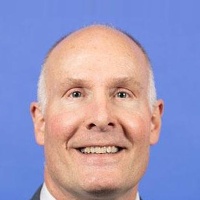
John Moolenaar
Representative
MI
John Moolenaar
Representative
MI
The No Adversarial AI Act establishes a process for identifying and publicly listing Artificial Intelligence (AI) tools developed by foreign adversaries. This legislation then prohibits U.S. executive agencies from acquiring or using these listed AI systems. Exceptions to this ban are narrowly defined, requiring high-level written approval if the AI is deemed absolutely necessary for specific national security or critical mission functions.
The Break the Cycle of Violence Act establishes federal frameworks within HHS and the Department of Labor to fund community-based violence intervention programs and provide job training for opportunity youth in high-violence areas.
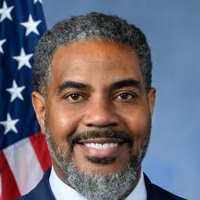
Steven Horsford
Representative
NV
Steven Horsford
Representative
NV
The Break the Cycle of Violence Act establishes federal frameworks within HHS and the Department of Labor to address community violence through prevention and economic opportunity. Title I creates grants for community-based violence intervention programs focused on evidence-based, trauma-responsive care, while Title II funds job training for opportunity youth in high-violence areas. Overall, the bill aims to reduce violence by investing in local services and creating pathways to employment rather than relying solely on incarceration.
The Women’s Health Protection Act of 2025 establishes a federal right to access abortion services before fetal viability and protects the right to travel for care, overriding state restrictions that place burdens on abortion access not imposed on comparable medical procedures.
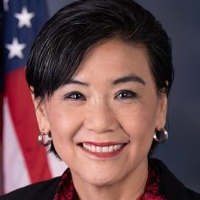
Judy Chu
Representative
CA
Judy Chu
Representative
CA
The Women’s Health Protection Act of 2025 establishes a federal statutory right to access abortion services, prohibiting medically unnecessary restrictions that impede care before fetal viability. This Act protects the right of patients to travel across state lines to receive reproductive healthcare and allows providers to offer services free from state interference that conflicts with established medical standards. It preempts conflicting state and local laws and provides robust enforcement mechanisms for individuals and the Attorney General to challenge violations.
This Act expands healthcare access by ensuring lawfully present immigrants are eligible for federal health programs, treating federally authorized presence as lawful presence for coverage, and giving states the option to cover undocumented individuals under Medicaid and CHIP.
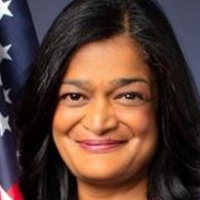
Pramila Jayapal
Representative
WA
Pramila Jayapal
Representative
WA
The Health Equity and Access under the Law for Immigrant Families Act of 2025 aims to significantly expand healthcare access for immigrants legally residing in the U.S. by ensuring eligibility for federal health programs like Medicaid and CHIP, removing state restrictions for permanent residents, and treating federally authorized presence as lawful presence for coverage purposes. The bill also provides states the option to extend Medicaid and CHIP coverage to individuals without lawful status. Furthermore, it removes citizenship barriers preventing certain non-citizens from accessing ACA marketplace subsidies and updates Medicare eligibility rules.
The Refuge From Cruel Trapping Act bans the possession or use of body-gripping traps on National Wildlife Refuge System lands, with limited exceptions for federal agencies, dismantling, Alaska, and tribal subsistence.
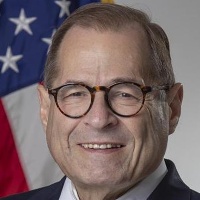
Jerrold Nadler
Representative
NY
Jerrold Nadler
Representative
NY
The Refuge From Cruel Trapping Act prohibits the possession or use of body-gripping traps, such as steel-jaw traps and snares, on lands within the National Wildlife Refuge System. This ban includes exceptions for federal agencies managing specific species, tribal subsistence use, and lands in Alaska. Violators face civil fines up to $500 per trap or use, potential jail time, and forfeiture of illegal traps and wildlife.
The Prevent Illegal Gun Sales Act increases compliance inspections and penalties for firearms licensees, grants the Attorney General new authority over licensing and dealer oversight, and mandates ATF staffing increases to enforce these stricter regulations.
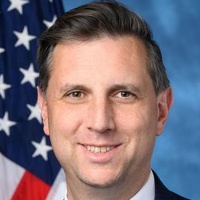
Seth Magaziner
Representative
RI
Seth Magaziner
Representative
RI
The Prevent Illegal Gun Sales Act aims to strengthen federal oversight of firearms dealers by increasing compliance inspections and imposing stricter penalties for licensing violations and poor recordkeeping that aids trafficking. The bill also grants the Attorney General new authority to deny licenses based on public safety concerns and allows for immediate license suspension upon felony conviction. Finally, it authorizes the ATF to hire additional personnel necessary to enforce these expanded regulations.
This Act posthumously awards a Congressional Gold Medal to pioneering, barrier-breaking cyclist Marshall "Major" Taylor and authorizes the sale of duplicate bronze medals.
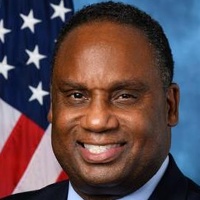
Jonathan Jackson
Representative
IL
Jonathan Jackson
Representative
IL
This bill posthumously awards a Congressional Gold Medal to Marshall "Major" Taylor, recognizing the pioneering Black cyclist for his historic achievements and his fight against racial prejudice. The medal will be struck by the Secretary of the Treasury and presented to Taylor's great-granddaughter. The Act also authorizes the sale of bronze duplicates to cover production costs.
This bill establishes a pilot program to provide grants for training family caregivers of young children with autism or developmental disabilities in essential skills to improve child well-being and community involvement.
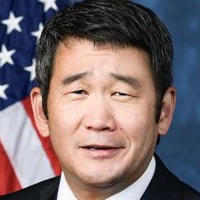
Dave Min
Representative
CA
Dave Min
Representative
CA
The Autism Family Caregivers Act of 2025 establishes a new pilot program to award grants for evidence-based skills training to family caregivers of children with autism or developmental disabilities. This training aims to improve child well-being and community engagement by focusing on communication, daily living skills, and caregiver self-care. The Secretary of Health and Human Services will oversee the program, which requires grantees to establish diverse advisory committees and report annually on program effectiveness. Funding is authorized through fiscal year 2030 to support at least 25 entities across multiple states.
This Act directs the Secretary of HHS to issue guidance on Medicaid/CHIP coverage for postpartum pelvic health services and establishes a national education campaign on the topic.
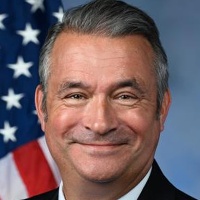
Don Bacon
Representative
NE
Don Bacon
Representative
NE
The Optimizing Postpartum Outcomes Act of 2025 aims to improve women's health after childbirth by clarifying Medicaid/CHIP coverage for essential pelvic health services. It mandates federal guidance for states on covering services like pelvic floor exams and physical therapy, alongside establishing a national education campaign for both providers and new mothers. The bill also directs the GAO to study existing coverage gaps for postpartum women under Medicaid.