Legislative Activity
Track Robin's sponsored bills, co-sponsored legislation, and voting record
The HELPER Act of 2025 establishes a new FHA mortgage insurance program offering 100% financing with an upfront premium and no monthly premiums for eligible first responders, educators, and law enforcement officers.
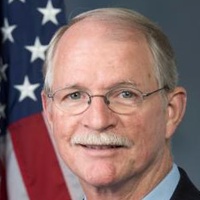
John Rutherford
Representative
FL
John Rutherford
Representative
FL
The HELPER Act of 2025 establishes a new FHA mortgage insurance program to assist first responders, educators, and law enforcement officers in purchasing homes. This program offers eligible first-time homebuyers 100% financing with no down payment required. Instead of monthly premiums, borrowers pay an upfront FHA insurance premium at closing.
The Credit for Caring Act of 2025 establishes a new, partially refundable federal income tax credit for working family caregivers covering qualified expenses exceeding \$2,000, up to a \$5,000 annual limit.

Mike Carey
Representative
OH
Mike Carey
Representative
OH
The Credit for Caring Act of 2025 establishes a new, non-refundable federal income tax credit for working family caregivers who incur significant expenses caring for a relative with long-term care needs. Eligible caregivers can claim a credit equal to 30% of qualified expenses exceeding \$2,000, up to a maximum annual credit of \$5,000. The bill specifies detailed requirements for the care recipient's needs, the types of allowable expenses, and includes income phase-out limits for claiming the benefit.
This bill mandates that Congress must approve any sale, transfer, or disposal of federally owned property listed on the National Register of Historic Places.
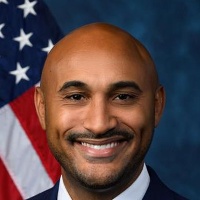
Shomari Figures
Representative
AL
Shomari Figures
Representative
AL
This bill mandates that Congress must provide explicit approval before the federal government can sell, transfer, or declare any property listed on the National Register of Historic Places as surplus. This requirement applies to any land, building, structure, or site with historical significance currently owned by the United States. The process requires an agency to submit a formal notice to Congress, which must then pass a joint resolution to authorize the conveyance.
The Medicare Dental, Vision, and Hearing Benefit Act of 2025 adds comprehensive dental, vision, and hearing care, including hearing aids, to Medicare coverage starting in 2026 while also mandating the inclusion of an oral health professional on the U.S. Preventive Services Task Force.

Lloyd Doggett
Representative
TX
Lloyd Doggett
Representative
TX
The Medicare Dental, Vision, and Hearing Benefit Act of 2025 significantly expands Medicare coverage to include comprehensive dental, vision, and hearing services starting in 2026. This legislation outlines specific payment schedules, frequency limits, and coverage percentages for routine exams, procedures, eyeglasses, contact lenses, and hearing aids. Furthermore, the bill mandates the inclusion of an oral health professional on the United States Preventive Services Task Force.
Condemns House Republican leadership for allowing a xenophobic post questioning a Congressman's citizenship.
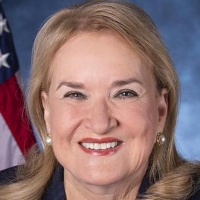
Sylvia Garcia
Representative
TX
Sylvia Garcia
Representative
TX
This bill condemns the House Republican Conference for a xenophobic social media post questioning Congressman Adriano Espaillat's immigration status and patriotism. It specifically condemns the House Republican leadership team for allowing the false statement that questioned Congressman Espaillat's citizenship.
The Caring for Survivors Act of 2025 increases dependency and indemnity compensation for surviving spouses and lowers the required period of total disability rating before death for survivors to qualify for certain benefits.
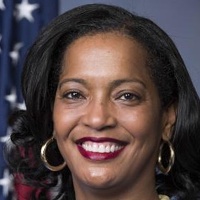
Jahana Hayes
Representative
CT
Jahana Hayes
Representative
CT
The Caring for Survivors Act of 2025 aims to increase financial support for surviving spouses of veterans. This bill raises the monthly Dependency and Indemnity Compensation (DIC) payment rate for surviving spouses. Additionally, it lowers the required duration of total disability rating before death from ten years to five years for survivors to qualify for certain DIC benefits. If the disability period was between five and ten years, the benefit amount will be proportionally adjusted.
The Stop Comstock Act streamlines federal statutes by removing outdated and redundant language concerning "indecent" or "immoral" materials, focusing legal definitions on "obscene materials."

Becca Balint
Representative
VT
Becca Balint
Representative
VT
The Stop Comstock Act aims to modernize and streamline federal statutes concerning obscene materials. It revises several sections of federal law, including those related to crimes, transportation, and importation, by removing outdated or redundant language like "indecent" or "immoral." This legislative cleanup focuses the legal definitions to center specifically on "obscene materials."
This Act eliminates the waiting periods for Social Security disability benefits and Medicare coverage for individuals diagnosed with metastatic breast cancer.
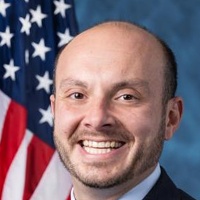
Andrew Garbarino
Representative
NY
Andrew Garbarino
Representative
NY
The Metastatic Breast Cancer Access to Care Act aims to improve support for individuals diagnosed with metastatic breast cancer. This bill eliminates the standard waiting period for receiving Social Security disability insurance benefits and waives the 24-month waiting period for Medicare coverage. These changes ensure immediate access to crucial financial and healthcare support upon diagnosis.
This Act converts Transportation Security Administration (TSA) personnel to standard federal employment rules under Title 5, establishes transition protections, mandates workforce reviews, and addresses labor relations and employee safety.
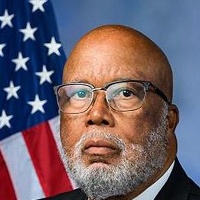
Bennie Thompson
Representative
MS
Bennie Thompson
Representative
MS
The Rights for the Transportation Security Administration Workforce Act transitions TSA personnel to standard federal employment rules under Title 5 of the U.S. Code by a set date no later than December 31, 2025. This mandates the freezing of current personnel policies during the transition while protecting current employee pay and benefits. The bill also requires extensive reviews by the Comptroller General on hiring, diversity, and workplace safety, and mandates consultation with employee representatives regarding labor relations. Finally, it ensures that screening agents retain collective bargaining rights and addresses specific concerns for Federal Air Marshals.
This act expands the Work Opportunity Tax Credit to include employers who hire qualified military spouses.
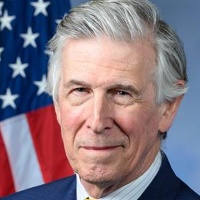
Donald Beyer
Representative
VA
Donald Beyer
Representative
VA
The Military Spouse Hiring Act amends the Internal Revenue Code to expand eligibility for the Work Opportunity Tax Credit (WOTC). This change allows employers to claim the tax credit for hiring qualified military spouses. A qualified military spouse is defined as someone certified as being married to a member of the U.S. Armed Forces.
This Act establishes a statutory right to access Assisted Reproductive Technology (ART) services and prohibits overly burdensome state or local regulations that interfere with that access.
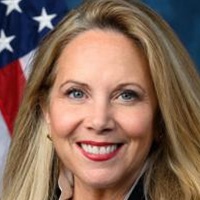
Laura Gillen
Representative
NY
Laura Gillen
Representative
NY
The Access to Family Building Act aims to guarantee that patients can access Assisted Reproductive Technology (ART) services and that healthcare providers can offer them without unreasonable interference. This legislation preempts state and local laws that impose burdens on ART services not required for similar medical procedures or that hinder access without improving safety. The Act establishes the right to access ART and provides robust legal avenues for individuals, providers, and the government to challenge and strike down restrictive regulations.
The American Teacher Act establishes federal grants to incentivize states to set a minimum annual teacher salary of $60,000 and provide inflation adjustments for teacher pay.
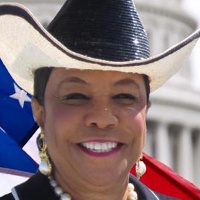
Frederica Wilson
Representative
FL
Frederica Wilson
Representative
FL
The American Teacher Act aims to address critical teacher shortages by establishing federal grants to help states raise the minimum annual salary for full-time teachers to \$60,000, adjusted for inflation. States must submit sustainability plans to ensure these minimums continue after the initial four-year grant period ends. The bill also provides funds for cost-of-living adjustments and a national campaign to enhance the value and diversity of the teaching profession.
This resolution supports National Women and Girls HIV/AIDS Awareness Day, emphasizing the need to address the disproportionate impact of HIV/AIDS on women and girls globally through increased awareness, prevention, and access to care.
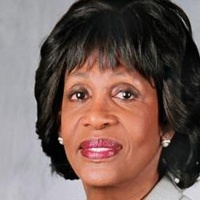
Maxine Waters
Representative
CA
Maxine Waters
Representative
CA
This resolution recognizes the ongoing impact of HIV/AIDS, particularly on women and girls, and supports increased awareness, prevention, and access to care and treatment. It emphasizes the need for targeted efforts to address vulnerabilities, reduce disparities, and promote youth-friendly health services. The resolution also encourages global efforts to combat discrimination and improve access to sexual and reproductive health services.
This act mandates that the U.S. Treasury must begin printing new twenty-dollar bills featuring Harriet Tubman on the front after December 31, 2028, with a preliminary design reveal by the end of 2026.
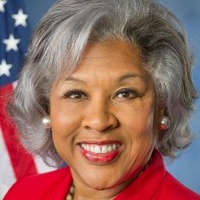
Joyce Beatty
Representative
OH
Joyce Beatty
Representative
OH
The Woman on the Twenty Act of 2025 mandates that Harriet Tubman must be featured on the front of the twenty-dollar bill. This legislation sets a firm deadline, requiring that no new $20 notes can be printed without her portrait after December 31, 2028. Furthermore, the Secretary of the Treasury must publicly reveal the preliminary design for the new note by the end of 2026.
The Congressional Trade Authority Act of 2025 significantly restricts the President's power to adjust imports based on national security by requiring joint agreement from the Secretaries of Defense and Commerce and mandatory Congressional approval for any resulting trade action.
Donald Beyer
Representative
VA
Donald Beyer
Representative
VA
The Congressional Trade Authority Act of 2025 significantly overhauls presidential authority to restrict imports based on national security grounds. This bill shifts the primary investigation role to the Secretary of Defense and mandates that any resulting import adjustments require explicit approval by a Congressional joint resolution to take effect. Furthermore, all new trade restrictions will automatically expire after three years unless Congress renews them.
This bill reauthorizes and increases funding for efforts to prevent maternal deaths by updating review committees and mandating the annual sharing of best practices.
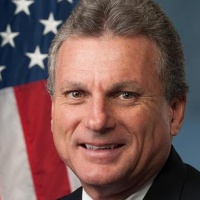
Earl Carter
Representative
GA
Earl Carter
Representative
GA
The Preventing Maternal Deaths Reauthorization Act of 2025 aims to reduce maternal mortality by strengthening Maternal Mortality Review Committees with new expertise requirements and improved data collection. This bill mandates the annual sharing of updated best practices for preventing maternal deaths and serious illness across the healthcare system. Furthermore, it significantly increases and extends federal funding for these critical maternal health initiatives through fiscal year 2029.
The "Do No Harm Act" clarifies that the Religious Freedom Restoration Act cannot be used to bypass federal laws protecting against discrimination, ensuring equal opportunity, or safeguarding access to healthcare and other essential services.
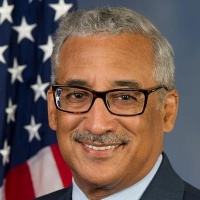
Robert Scott
Representative
VA
Robert Scott
Representative
VA
The "Do No Harm Act" amends the Religious Freedom Restoration Act of 1993 to ensure religious freedom is not used to justify discrimination or harm. It clarifies that the Act does not override federal laws protecting against discrimination, ensuring equal opportunity, or safeguarding access to healthcare and other essential services. This amendment confirms that the Religious Freedom Restoration Act applies only when the government is a party in a judicial proceeding.
The "Keeping Our Field Offices Open Act" prevents the Social Security Administration from closing or limiting access to field offices, hearing offices, and resident stations, ensuring continued service availability for the public.

John Larson
Representative
CT
John Larson
Representative
CT
The "Keeping Our Field Offices Open Act" prevents the Social Security Administration (SSA) from closing or consolidating field offices, hearing offices, and resident stations, ensuring continued access to services. It requires the SSA Commissioner to justify any planned closures to Congress with detailed analysis and cost-benefit assessments, considering the impact on vulnerable populations. The bill mandates public notice, hearings, and a final report to Congress before any changes, allowing appeals and maintaining the number of offices at or above the January 20, 2025 level, excluding temporary emergency closures.
The Richard L. Trumka Protecting the Right to Organize Act of 2025 strengthens protections for workers' rights to organize and collectively bargain by modernizing labor laws, addressing unfair labor practices, and enhancing enforcement mechanisms.
Robert Scott
Representative
VA
Robert Scott
Representative
VA
This bill, the Richard L. Trumka Protecting the Right to Organize Act of 2025, seeks to amend the National Labor Relations Act and other labor laws to strengthen protections for workers' rights to organize and collectively bargain. It aims to modernize labor regulations by clarifying definitions, addressing unfair labor practices, enhancing enforcement, and increasing transparency in labor-management relations. The bill introduces measures such as electronic voting in union elections, strengthens whistleblower protections, and mandates studies on collective bargaining practices. Ultimately, the goal is to ensure fair treatment of workers and promote equitable labor practices.
The John R. Lewis Voting Rights Advancement Act of 2025 aims to strengthen and update the Voting Rights Act of 1965 by addressing vote dilution and denial, establishing updated criteria for federal oversight of states and political subdivisions with a history of voting rights violations, and promoting transparency in election-related changes.
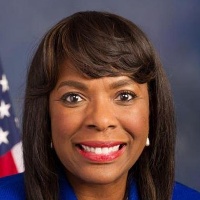
Terri Sewell
Representative
AL
Terri Sewell
Representative
AL
The John R. Lewis Voting Rights Advancement Act of 2025 amends the Voting Rights Act of 1965 to address vote dilution, denial, and abridgment claims, and to update which states and political subdivisions are subject to federal oversight based on a history of voting rights violations. It broadens the types of violations that allow a court to retain jurisdiction over a case, clarifies the Attorney General's authority to assign observers, and ensures transparency in voting-related changes. The Act also authorizes the Attorney General to demand documents and information to enforce voting rights and provides grants to small jurisdictions to assist with notification requirements.