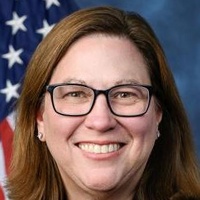
Legislative Activity
Track Julie's sponsored bills, co-sponsored legislation, and voting record
This bill increases transparency for the Nonprofit Security Grant Program by requiring FEMA to submit detailed pre-grant and annual reports to Congress regarding grant applications, awards, and expenditures.
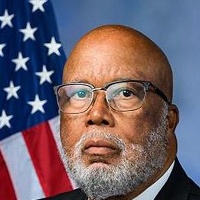
Bennie Thompson
Representative
MS
Bennie Thompson
Representative
MS
This bill, the Nonprofit Security Grant Program Transparency Act, enhances oversight of the Nonprofit Security Grant Program by requiring FEMA to submit detailed pre-award and annual reports to Congress. These reports will provide comprehensive data on grant applications, awards by state and high-risk area, and how recipient funds are ultimately spent. The goal is to increase transparency regarding the distribution and use of security grant funds for eligible nonprofits.
This resolution condemns federal workforce reductions at FEMA that threaten national preparedness, response, and recovery capabilities, and expresses concern over proposed future staffing cuts.
Bennie Thompson
Representative
MS
Bennie Thompson
Representative
MS
This resolution condemns current and proposed staffing cuts at the Federal Emergency Management Agency (FEMA), arguing they undermine national preparedness and disaster response capabilities. It highlights that workforce reductions endanger the ability to effectively manage increasingly severe disasters and critical counterterrorism programs. The bill expresses concern that these cuts compromise institutional knowledge and slow vital assistance to communities recovering from events like recent hurricanes. Ultimately, it commits Congress to supporting a stable and adequately resourced FEMA workforce.
This bill establishes mandatory minimum humanitarian standards for health screening, water, sanitation, food, and shelter for all individuals in ICE and CBP custody.
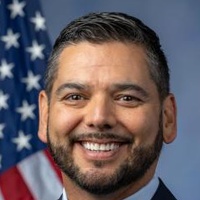
Raul Ruiz
Representative
CA
Raul Ruiz
Representative
CA
The Humanitarian Standards for Individuals in ICE and CBP Custody Act establishes minimum standards for health screening, nutrition, sanitation, and shelter for individuals detained by ICE and CBP. This bill mandates specific protocols for medical care, facility conditions, and personnel training to ensure humane treatment. It also requires regular inspections and public reporting on compliance and sexual abuse complaints.
This act establishes uniform procedures to prevent the loss, destruction, or expiration of residual supplies from U.S. foreign aid projects.
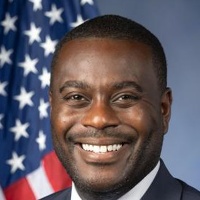
Gabe Amo
Representative
RI
Gabe Amo
Representative
RI
This bill, the SUPPLIES Act, mandates the Department of State and USAID to establish and publish clear procedures for managing leftover supplies when foreign aid projects conclude. The primary goal is to prevent the loss, destruction, or expiration of these unused commodities. These new guidelines must prioritize the proper disposition of residual supplies.
This Act establishes a grant program administered by the Attorney General to fund library services in prisons to advance reintegration, reduce recidivism, and increase educational opportunities for incarcerated individuals.
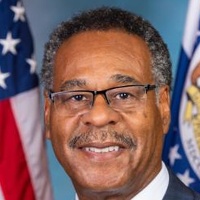
Emanuel Cleaver
Representative
MO
Emanuel Cleaver
Representative
MO
The Prison Libraries Act of 2026 establishes a federal grant program, administered by the Attorney General, to fund essential library services for incarcerated individuals. These grants aim to reduce recidivism and boost reintegration efforts by supporting education, job training, and access to modern library materials. States and territories can apply for these renewable, multi-year grants, which must be used strictly for library-related activities and cannot charge inmates for access to resources.
This bill seeks to disapprove and nullify the Department of Veterans Affairs' final rule regarding "Reproductive Health Services."
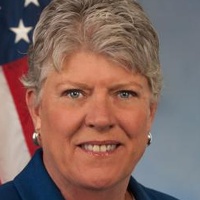
Julia Brownley
Representative
CA
Julia Brownley
Representative
CA
This resolution seeks to disapprove the Department of Veterans Affairs' final rule concerning "Reproductive Health Services" issued in September 2024. If enacted, this disapproval, made under the Congressional Review Act, would prevent the VA rule from taking legal effect.
This act mandates a report by the Comptroller General investigating and detailing deaths resulting from the cessation of USAID activities.
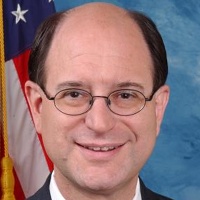
Brad Sherman
Representative
CA
Brad Sherman
Representative
CA
The Evan Anzoo Memorial Act mandates a comprehensive report by the Comptroller General investigating deaths resulting from the cessation of USAID activities. This report must estimate fatalities in 2025 and the subsequent five years, and specifically determine if ten named individuals died due to these actions. An interim update is required within 180 days, with the final report due one year after enactment.
This bill mandates the removal of U.S. Armed Forces from Venezuela unless explicitly authorized by Congress.
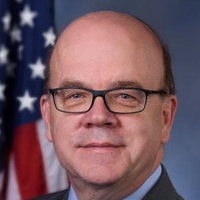
James McGovern
Representative
MA
James McGovern
Representative
MA
This bill mandates the President to withdraw all United States Armed Forces from Venezuela. This action is required unless Congress has formally declared war or passed specific legislation authorizing the use of military force in that country.
This bill establishes strict procedures, including public notification and Inspector General review, for closing or reducing access to Social Security field offices while mandating minimum staffing levels to ensure continued vital services.
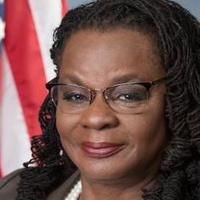
Gwen Moore
Representative
WI
Gwen Moore
Representative
WI
This bill establishes strict procedures, including public notification and hearings, that the Social Security Administration must follow before closing or reducing access to any field office. It mandates that field offices maintain adequate staffing and operating hours to ensure comprehensive and convenient public services. Furthermore, the legislation requires the Inspector General to review and approve any proposed office closure actions.
This bill prohibits political appointees from managing NIH programs or participating in NIH funding decisions, and prevents the NIH from unilaterally canceling existing research agreements without documented findings of mismanagement or fraud.

Diana DeGette
Representative
CO
Diana DeGette
Representative
CO
The Follow the Science Act aims to insulate the National Institutes of Health (NIH) from political influence by prohibiting most political appointees from working on or managing NIH programs. This legislation specifically bars political employees from participating in the review, selection, or awarding of NIH grants and contracts. Furthermore, it restricts the NIH Director from canceling or delaying existing funding agreements unless specific findings of mismanagement or fraud are documented and reported to Congress.
This Act supports Eastern Mediterranean nations as a strategic gateway for the India-Middle East-Europe Economic Corridor (IMEC) by prioritizing diplomacy, energy security, and defense cooperation.
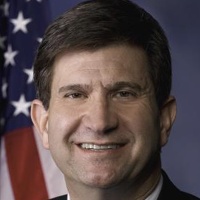
Bradley Schneider
Representative
IL
Bradley Schneider
Representative
IL
The Eastern Mediterranean Gateway Act supports key Eastern Mediterranean nations—Egypt, Greece, Cyprus, and Israel—as strategic partners for the India-Middle East-Europe Economic Corridor (IMEC). The bill directs the U.S. to prioritize diplomatic engagement, energy security, and defense cooperation in the region. It also mandates several reports to Congress detailing implementation, multilateral initiatives, and potential expansions of successful U.S.-Israel partnership models to other regional allies.
The PORCUPINE Act amends the Arms Export Control Act to include Taiwan in existing certification and reporting requirements and mandates a feasibility study for expediting military equipment transfers to Taiwan from key allies.

Robert Wittman
Representative
VA
Robert Wittman
Representative
VA
The PORCUPINE Act amends the Arms Export Control Act to formally include Taiwan in existing certification and reporting requirements. It also mandates a feasibility study for expediting the licensing process for allied nations transferring U.S.-origin military equipment to Taiwan. The legislation is intended to enhance security cooperation while affirming that it does not alter existing U.S. policy as defined by the Taiwan Relations Act.
This act prohibits the US government from using funds to purchase any NATO member country or NATO-protected territory.
Gabe Amo
Representative
RI
Gabe Amo
Representative
RI
This bill, the "NO NATO for Purchase Act," strictly prohibits any federal department or agency from using funds or taking action to purchase a country that is a member of NATO or any territory protected under the North Atlantic Treaty. Essentially, it bans the U.S. government from acquiring NATO member nations or their protected territories.
This bill establishes a comprehensive, department-wide use of force policy for DHS law enforcement, mandates regular public reporting of use of force data, and requires enhanced training and oversight.
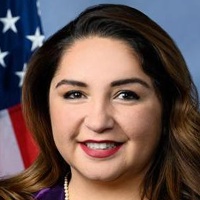
Delia Ramirez
Representative
IL
Delia Ramirez
Representative
IL
The DHS Use of Force Oversight Act establishes a comprehensive, department-wide policy for the use of force by all DHS law enforcement personnel. This policy mandates de-escalation as the preferred approach, prohibits chokeholds, and requires extensive training. Furthermore, the bill mandates regular public reporting of use-of-force data and requires timely briefings to Congress following serious incidents.
The Purple Heart Freedom to Work Act allows Purple Heart recipients to return to the workforce without losing their Social Security Disability Insurance benefits by adjusting earnings thresholds and implementing a gradual benefit offset.
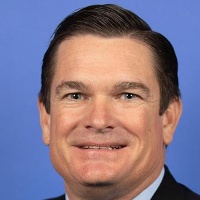
Austin Scott
Representative
GA
Austin Scott
Representative
GA
The Purple Heart Freedom to Work Act supports veterans by allowing Purple Heart recipients to return to the workforce without losing their Social Security Disability Insurance (SSDI) benefits. The bill increases the earnings threshold for "substantial gainful activity" and implements a gradual benefit reduction rather than a total cutoff, ensuring veterans can work while maintaining financial security.
This resolution demands the President and Secretary of State provide the House with documents detailing the Administration's stance, policies, and related communications concerning U.S. interest in Greenland.
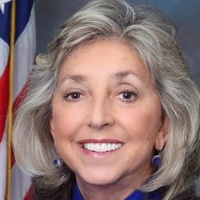
Dina Titus
Representative
NV
Dina Titus
Representative
NV
This resolution is an official inquiry demanding the President and Secretary of State provide the House of Representatives with specific documents regarding the Administration's stance on Greenland. It specifically seeks records concerning U.S. ownership plans, policy toward Danish sovereignty, and security assessments related to the U.S.-Denmark defense agreement. The bill also requires documentation of all related communications between U.S. officials and private citizens, Danish/Greenlandic authorities, or NATO allies.
This bill impeaches Secretary of Homeland Security Kristi Lynn Arnold Noem for high crimes and misdemeanors, citing willful refusal to comply with oversight law, violating the Impoundment Control Act, directing unlawful ICE misconduct, and misusing federal funds for personal gain.
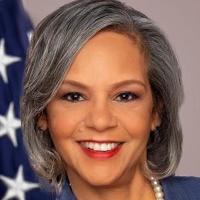
Robin Kelly
Representative
IL
Robin Kelly
Representative
IL
This resolution initiates impeachment proceedings against Secretary of Homeland Security Kristi Lynn Arnold Noem for high crimes and misdemeanors. The articles of impeachment charge her with willfully refusing to comply with Congressional oversight laws and violating the Impoundment Control Act by improperly withholding funds. Further articles allege she directed widespread misconduct by ICE agents that violated federal law and constitutional rights, and misused taxpayer funds for personal gain through improper contracting.
This bill modifies deposits into the Crime Victims Fund by excluding certain False Claims Act recoveries and mandates an Inspector General audit of the Fund's sustainability.
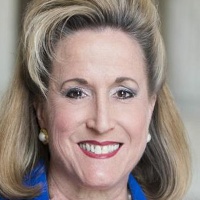
Ann Wagner
Representative
MO
Ann Wagner
Representative
MO
This bill amends the Victims of Crime Act of 1984 to temporarily exclude certain False Claims Act recoveries from being deposited into the Crime Victims Fund through fiscal year 2029. It also mandates a comprehensive audit by the Department of Justice Inspector General on the Fund's sustainability and the impact of recent legislative changes. The resulting report will provide recommendations for improving the Fund's effectiveness and oversight.
This bill designates Burma for Temporary Protected Status (TPS) for eligible nationals present in the U.S. since enactment.
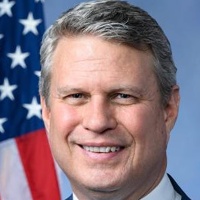
Bill Huizenga
Representative
MI
Bill Huizenga
Representative
MI
This bill designates Burma for Temporary Protected Status (TPS) for an initial period of 18 months, beginning November 25, 2025. It establishes eligibility requirements for Burmese nationals already present in the U.S. and outlines conditions for emergency travel authorization.
This act prohibits the use of federal funds and official action for any invasion of NATO member territory.
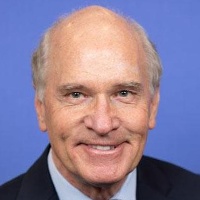
William Keating
Representative
MA
William Keating
Representative
MA
The **No Funds for NATO Invasion Act** prohibits the use of any federal funds for an invasion of any territory belonging to a member nation of the North Atlantic Treaty Organization (NATO). Furthermore, the bill bars U.S. officials from taking any action to execute such an invasion.