Legislative Activity
Track Julie's sponsored bills, co-sponsored legislation, and voting record
The House of Representatives affirms every person's basic right to emergency health care, including abortion care.

Emilia Sykes
Representative
OH
Emilia Sykes
Representative
OH
This bill affirms the House of Representatives' belief that every person has the right to emergency health care, including abortion care. It argues that abortion restrictions endanger lives, force doctors to make impossible choices, and disproportionately harm people of color, low-income individuals, and LGBTQI individuals. The bill emphasizes that delays in emergency care due to abortion bans can lead to life-threatening situations and that everyone, including pregnant individuals, should have access to necessary medical care without discrimination.
This bill revises physician self-referral rules to create a special exemption for certain rural, physician-owned hospitals and removes expansion restrictions for existing physician-owned hospitals.
H. Griffith
Representative
VA
H. Griffith
Representative
VA
The Physician Led and Rural Access to Quality Care Act revises physician self-referral rules to improve healthcare access in underserved areas. Specifically, it creates a new exception allowing physician self-referrals to hospitals located in designated rural areas that meet specific distance requirements. Furthermore, the bill removes existing restrictions that previously limited the expansion of services at physician-owned hospitals.
This bill restores protections to prevent private health insurance plans from discriminating against dialysis patients with End-Stage Renal Disease (ESRD) or shifting their treatment costs unfairly onto Medicare.

Mike Kelly
Representative
PA
Mike Kelly
Representative
PA
The Restore Protections for Dialysis Patients Act aims to prevent private health insurance plans from discriminating against patients with End-Stage Renal Disease (ESRD). This legislation clarifies that plans cannot offer worse benefits or unfairly limit coverage for dialysis treatments compared to other medical services. Furthermore, it stops these plans from shifting the primary financial responsibility for ESRD care onto Medicare. The bill maintains existing rules ensuring fair treatment while preserving a health plan's ability to select its network of dialysis providers.
This Act establishes the authority to create trusted trade agreements to diversify and strengthen the U.S. medical supply chain against future crises.

Nicole Malliotakis
Representative
NY
Nicole Malliotakis
Representative
NY
The Medical Supply Chain Resiliency Act aims to secure the U.S. supply of critical medical goods by diversifying trade relationships and reducing reliance on high-risk sources. It authorizes the President to enter into special "trusted trade partner agreements" that lower trade barriers with reliable allies. These agreements focus on regulatory cooperation, intellectual property protection, and ensuring supply chain stability during public health emergencies. The bill also establishes strict reporting and oversight mechanisms for Congress before any such agreement can take effect.
The Air America Act of 2025 authorizes one-time monetary awards to former Air America employees or their survivors for service supporting the CIA between 1950 and 1976.
Glenn Grothman
Representative
WI
Glenn Grothman
Representative
WI
The Air America Act of 2025 recognizes the sacrifices of former Air America employees who served the U.S. Government between 1950 and 1976. This Act authorizes a one-time monetary award, up to $40,000 plus potential additional amounts, for qualifying service members or their survivors. The CIA Director is responsible for administering these payments, which are capped at a total of $60 million, and establishing the application procedures. Decisions made by the Director regarding these awards are final and not subject to judicial review.
This Act expands eligibility for certain SNAP benefits for veterans based on specific disability ratings or pension status, effective October 1, 2030.

Jahana Hayes
Representative
CT
Jahana Hayes
Representative
CT
The Feed Hungry Veterans Act of 2025 expands eligibility for certain food assistance benefits for veterans. It updates the criteria for veterans based on service-connected disability ratings and adds specific categories of disabled or pensioned veterans who will now qualify. These changes are scheduled to take effect on October 1, 2030.
The SPEAK Act of 2025 mandates that HHS develop guidance to ensure individuals with limited English proficiency receive effective language access during telehealth services.
Mónica De La Cruz
Representative
TX
Mónica De La Cruz
Representative
TX
The SPEAK Act of 2025 directs the Department of Health and Human Services (HHS) to issue updated guidance on ensuring meaningful language access during telehealth services. This guidance must establish best practices for incorporating interpreters, improving access to technology, and providing multilingual patient materials for individuals with limited English proficiency. The goal is to ensure equitable care delivery across virtual health platforms.
The Major Richard Star Act ensures that military retirees with combat-related disabilities can concurrently receive their full military retirement pay and VA disability compensation without reduction.

Gus Bilirakis
Representative
FL
Gus Bilirakis
Representative
FL
The Major Richard Star Act ensures that military retirees with combat-related disabilities can receive both their military retirement pay and VA disability compensation concurrently without reduction. This law removes previous restrictions that caused military retirement pay to be offset by VA disability payments for these specific cases. The changes take effect on the first day of the month following the Act's enactment.
The Stop Comstock Act streamlines federal statutes by removing outdated and redundant language concerning "indecent" or "immoral" materials, focusing legal definitions on "obscene materials."

Becca Balint
Representative
VT
Becca Balint
Representative
VT
The Stop Comstock Act aims to modernize and streamline federal statutes concerning obscene materials. It revises several sections of federal law, including those related to crimes, transportation, and importation, by removing outdated or redundant language like "indecent" or "immoral." This legislative cleanup focuses the legal definitions to center specifically on "obscene materials."
The REDI Act allows medical and dental interns and residents to defer both principal and interest payments on their student loans while in training.

Brian Babin
Representative
TX
Brian Babin
Representative
TX
The Resident Education Deferred Interest (REDI) Act amends federal student loan regulations to provide a specific deferment for medical and dental residents. This allows borrowers currently serving in an internship or residency program to pause principal payments and prevent interest accrual on their student loans during that training period.
The Caring for Survivors Act of 2025 increases dependency and indemnity compensation for surviving spouses and lowers the required period of total disability rating before death for survivors to qualify for certain benefits.
Jahana Hayes
Representative
CT
Jahana Hayes
Representative
CT
The Caring for Survivors Act of 2025 aims to increase financial support for surviving spouses of veterans. This bill raises the monthly Dependency and Indemnity Compensation (DIC) payment rate for surviving spouses. Additionally, it lowers the required duration of total disability rating before death from ten years to five years for survivors to qualify for certain DIC benefits. If the disability period was between five and ten years, the benefit amount will be proportionally adjusted.
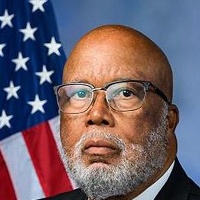
This Act converts Transportation Security Administration (TSA) personnel to standard federal employment rules under Title 5, establishes transition protections, mandates workforce reviews, and addresses labor relations and employee safety.
Bennie Thompson
Representative
MS
Bennie Thompson
Representative
MS
The Rights for the Transportation Security Administration Workforce Act transitions TSA personnel to standard federal employment rules under Title 5 of the U.S. Code by a set date no later than December 31, 2025. This mandates the freezing of current personnel policies during the transition while protecting current employee pay and benefits. The bill also requires extensive reviews by the Comptroller General on hiring, diversity, and workplace safety, and mandates consultation with employee representatives regarding labor relations. Finally, it ensures that screening agents retain collective bargaining rights and addresses specific concerns for Federal Air Marshals.
The Medicare Dental, Vision, and Hearing Benefit Act of 2025 adds comprehensive dental, vision, and hearing care, including hearing aids, to Medicare coverage starting in 2026 while also mandating the inclusion of an oral health professional on the U.S. Preventive Services Task Force.

Lloyd Doggett
Representative
TX
Lloyd Doggett
Representative
TX
The Medicare Dental, Vision, and Hearing Benefit Act of 2025 significantly expands Medicare coverage to include comprehensive dental, vision, and hearing services starting in 2026. This legislation outlines specific payment schedules, frequency limits, and coverage percentages for routine exams, procedures, eyeglasses, contact lenses, and hearing aids. Furthermore, the bill mandates the inclusion of an oral health professional on the United States Preventive Services Task Force.
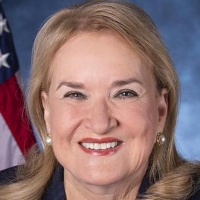
Condemns House Republican leadership for allowing a xenophobic post questioning a Congressman's citizenship.
Sylvia Garcia
Representative
TX
Sylvia Garcia
Representative
TX
This bill condemns the House Republican Conference for a xenophobic social media post questioning Congressman Adriano Espaillat's immigration status and patriotism. It specifically condemns the House Republican leadership team for allowing the false statement that questioned Congressman Espaillat's citizenship.
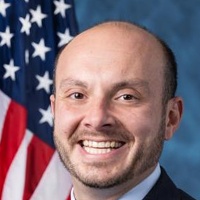
This Act eliminates the waiting periods for Social Security disability benefits and Medicare coverage for individuals diagnosed with metastatic breast cancer.
Andrew Garbarino
Representative
NY
Andrew Garbarino
Representative
NY
The Metastatic Breast Cancer Access to Care Act aims to improve support for individuals diagnosed with metastatic breast cancer. This bill eliminates the standard waiting period for receiving Social Security disability insurance benefits and waives the 24-month waiting period for Medicare coverage. These changes ensure immediate access to crucial financial and healthcare support upon diagnosis.
This bill allows investors to defer taxes on capital gain dividends from mutual funds when those dividends are automatically reinvested until the shares are sold or the investor passes away.

Beth Van Duyne
Representative
TX
Beth Van Duyne
Representative
TX
This bill, the Generating Retirement Ownership through Long-Term Holding Act, allows individual investors to defer paying taxes on capital gain dividends from mutual funds if those dividends are automatically reinvested into more fund shares. Taxes on these deferred gains are only due when the investor sells the shares or upon death. This provision aims to encourage long-term investment in mutual funds by providing immediate tax relief on reinvested earnings.
This act automatically appropriates necessary funds to ensure the Supplemental Nutrition Assistance Program (SNAP) continues operating for the first 90 days of any fiscal year lapse in appropriations.
Emilia Sykes
Representative
OH
Emilia Sykes
Representative
OH
The Feed Our Families Act of 2025 ensures the continuity of the Supplemental Nutrition Assistance Program (SNAP) during the initial phase of a government shutdown. This bill automatically reserves necessary funding to operate SNAP for the first 90 days following a lapse in appropriations at the start of a fiscal year. These funds are held in reserve and released only as needed to maintain essential program services.
This Act establishes a Department of Veterans Affairs program to furnish eligible veterans with U.S.-made, secure firearm storage lockboxes or vouchers, alongside educational materials promoting suicide prevention.

Chris Deluzio
Representative
PA
Chris Deluzio
Representative
PA
The Saving Our Veterans Lives Act of 2025 establishes a new Department of Veterans Affairs (VA) program to provide eligible veterans and former service members with secure, U.S.-made firearm storage lockboxes or vouchers. This initiative aims to promote safe firearm storage as a suicide prevention measure through distribution and public awareness campaigns. The law explicitly states that participation will not affect an individual's legal right to own firearms or require any form of firearm registration.
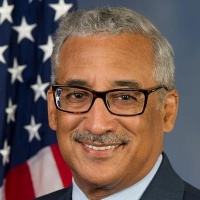
The "Do No Harm Act" clarifies that the Religious Freedom Restoration Act cannot be used to bypass federal laws protecting against discrimination, ensuring equal opportunity, or safeguarding access to healthcare and other essential services.
Robert Scott
Representative
VA
Robert Scott
Representative
VA
The "Do No Harm Act" amends the Religious Freedom Restoration Act of 1993 to ensure religious freedom is not used to justify discrimination or harm. It clarifies that the Act does not override federal laws protecting against discrimination, ensuring equal opportunity, or safeguarding access to healthcare and other essential services. This amendment confirms that the Religious Freedom Restoration Act applies only when the government is a party in a judicial proceeding.
The Richard L. Trumka Protecting the Right to Organize Act of 2025 strengthens protections for workers' rights to organize and collectively bargain by modernizing labor laws, addressing unfair labor practices, and enhancing enforcement mechanisms.
Robert Scott
Representative
VA
Robert Scott
Representative
VA
This bill, the Richard L. Trumka Protecting the Right to Organize Act of 2025, seeks to amend the National Labor Relations Act and other labor laws to strengthen protections for workers' rights to organize and collectively bargain. It aims to modernize labor regulations by clarifying definitions, addressing unfair labor practices, enhancing enforcement, and increasing transparency in labor-management relations. The bill introduces measures such as electronic voting in union elections, strengthens whistleblower protections, and mandates studies on collective bargaining practices. Ultimately, the goal is to ensure fair treatment of workers and promote equitable labor practices.