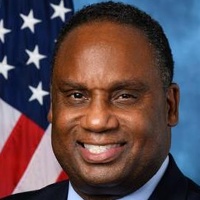
Legislative Activity
Track Jonathan's sponsored bills, co-sponsored legislation, and voting record
This bill raises the minimum age for federal juvenile prosecution, limits murder liability for those under 18, mandates data collection on incarcerated youth, and funds state collaboration between child welfare and juvenile justice systems.
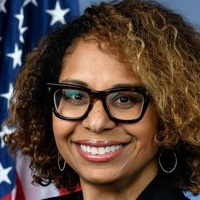
Sydney Kamlager-Dove
Representative
CA
Sydney Kamlager-Dove
Representative
CA
The Directly Impacted Child Rehab and Safety Act amends federal juvenile justice laws to raise the minimum age for prosecution as an adult and limits murder convictions for those under 18 to intentional killings. The bill also mandates comprehensive federal data collection on incarcerated youth and authorizes grants to improve collaboration between state child welfare and juvenile justice systems. These measures aim to prioritize rehabilitation and better address the needs of children in the justice system.
The Long-Term Care Workforce Support Act aims to significantly improve the pay, training, working conditions, and stability of the direct care workforce through federal funding, new labor protections, and national compensation strategies.
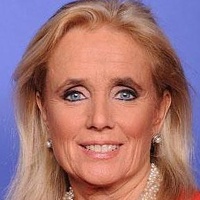
Debbie Dingell
Representative
MI
Debbie Dingell
Representative
MI
The Long-Term Care Workforce Support Act aims to significantly improve the lives of direct care professionals by increasing their pay, benefits, and training opportunities through federal funding and grants. The bill establishes new labor protections, including fair scheduling, paid sick leave, and workplace violence prevention plans. Ultimately, this legislation seeks to stabilize the essential long-term care workforce to ensure better quality care for older adults and people with disabilities.
This bill discharges federal parent loan repayment obligations if the student becomes permanently and totally disabled.
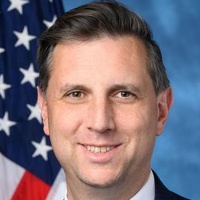
Seth Magaziner
Representative
RI
Seth Magaziner
Representative
RI
Domenic and Ed's Law amends the Higher Education Act to discharge federal parent loans if the student for whom the loan was taken becomes permanently and totally disabled. This cancellation applies to all outstanding parent loans under these specific disability conditions.
This bill establishes emergency grants to provide hazardous duty pay and safety measures for essential health care workers during declared emergencies or disasters.
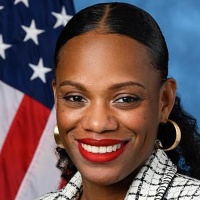
Summer Lee
Representative
PA
Summer Lee
Representative
PA
This bill, the Hazard Pay for Health Care Heroes Act, establishes a grant program to help health care facilities protect essential workers during declared emergencies or disasters. Funds can be used to provide eligible, non-remote health care workers with hazardous duty pay, up to $13 per hour, when their work or commute is deemed hazardous. Additionally, grants can cover safety measures like PPE and alternative transit for these essential personnel.
The MATCH Act mandates stricter export controls on semiconductor manufacturing equipment to countries of concern and requires the U.S. to coordinate with allied nations to prevent the transfer of critical technology to adversarial entities.
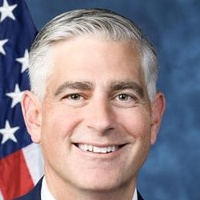
Michael Baumgartner
Representative
WA
Michael Baumgartner
Representative
WA
The Multilateral Alignment of Technology Controls on Hardware (MATCH) Act aims to protect U.S. national security by restricting adversary access to advanced semiconductor manufacturing equipment. The bill mandates diplomatic efforts to align export controls with allied nations and establishes a framework to impose strict U.S. regulations if those partners fail to implement sufficient safeguards. By targeting specific entities and facilities in countries of concern, the legislation seeks to close gaps in the current export control regime and maintain America’s technological advantage.
This Act mandates a comprehensive report to Congress detailing emerging military, cyber, and political threats to the Baltic states and recommending strategies to enhance their security and U.S. partnership.
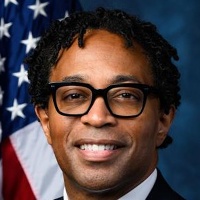
Wesley Bell
Representative
MO
Wesley Bell
Representative
MO
The Baltic Security Assessment Act of 2025 affirms the critical importance of Estonia, Latvia, and Lithuania to U.S. national security amidst Russian aggression. This bill mandates that the Secretary of State and Secretary of Defense deliver a comprehensive report to Congress detailing emerging military, cyber, and political threats to the Baltic states. The report must also recommend specific actions to enhance U.S. and NATO defense cooperation and bolster Baltic resilience.
This Act establishes federal programs to address the impact of climate change risks, like extreme heat and pollution, on maternal and infant health through grants, education, research, and risk zone identification.
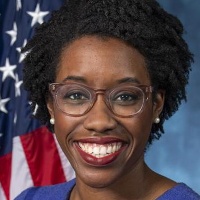
Lauren Underwood
Representative
IL
Lauren Underwood
Representative
IL
The Protecting Moms and Babies Against Climate Change Act directs the Department of Health and Human Services to address how climate change risks, like extreme heat and pollution, harm maternal and infant health. The bill establishes grant programs to support local efforts and education, and mandates research and strategies to identify high-risk zones for pregnant individuals and young children. Its goal is to reduce adverse outcomes such as preterm birth, low birth weight, and maternal mortality linked to climate change.
This bill prohibits most prior authorization requirements in Medicare Advantage plans starting in 2027 and restricts the use of certain prior authorization testing models under traditional Medicare.
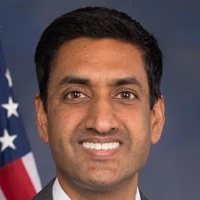
Ro Khanna
Representative
CA
Ro Khanna
Representative
CA
The Stop Deadly Denials Act of 2026 aims to restrict the use of prior authorization requirements in Medicare Advantage plans starting in 2027. It also prohibits the implementation of certain new prior authorization testing models under traditional Medicare, especially those relying on automated decision-making without physician review. This legislation seeks to limit administrative hurdles for beneficiaries accessing necessary medical care.
This resolution directs the President to remove U.S. Armed Forces from hostilities with Iran, unless necessary for imminent self-defense.
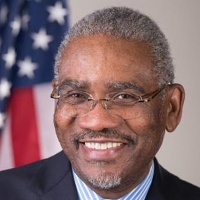
Gregory Meeks
Representative
NY
Gregory Meeks
Representative
NY
This resolution directs the President, under the War Powers Resolution, to remove U.S. Armed Forces from hostilities involving Iran. The order mandates withdrawal unless forces are necessary for imminent self-defense of the U.S. or its allies. Any continued defensive action must comply with existing War Powers reporting requirements.
This resolution expresses the House's view that the Department of Justice must refuse to administratively settle President Trump's personal legal claims against the U.S. government due to the Domestic Emoluments Clause.
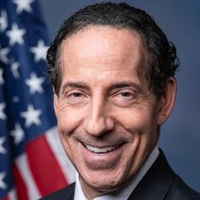
Jamie Raskin
Representative
MD
Jamie Raskin
Representative
MD
This resolution expresses the sense of the House that the Department of Justice must comply with the Domestic Emoluments Clause. It specifically calls for the DOJ to refuse to administratively settle the billions of dollars in legal claims filed against the United States by President Donald Trump. The bill asserts that allowing the President to settle his own personal claims against the government constitutes an unconstitutional conflict of interest.
This bill supports designating "Black Maternal Health Week" to highlight the urgent need to address and reduce the severe maternal mortality and morbidity crisis disproportionately affecting Black women and birthing people in the United States.
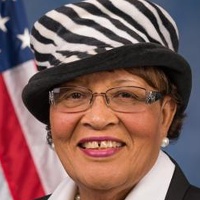
Alma Adams
Representative
NC
Alma Adams
Representative
NC
This bill supports designating a week in April 2026 as "Black Maternal Health Week" to focus national attention on the severe maternal health crisis facing Black women. It highlights the unacceptable and unjust disparities in maternal mortality and morbidity rates among Black women due to structural racism and inequities. The legislation urges Congress to invest in comprehensive maternal care and pass legislation, like the Momnibus Act, grounded in human rights and reproductive justice.
This resolution censures President Trump and Special Envoy Witkoff for violating the Foreign Emoluments Clause by accepting undisclosed payments from the UAE and demands they divest from related foreign business interests.
Jamie Raskin
Representative
MD
Jamie Raskin
Representative
MD
This resolution expresses the sense of the House that President Trump and Special Envoy Witkoff violated the Foreign Emoluments Clause by accepting undisclosed payments linked to a secret deal with an entity substantially funded by the UAE. It demands they immediately turn over all such payments to the Treasury and divest from any business interests connected to foreign governments. The bill cites specific financial transactions and subsequent U.S. policy actions favoring the UAE as evidence of a grave conflict of interest.
This bill establishes a competitive grant program to fund training, recruitment, and retention efforts aimed at addressing critical workforce shortages in the public transportation industry.
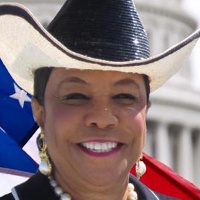
Frederica Wilson
Representative
FL
Frederica Wilson
Representative
FL
The Transit Workforce Development Act establishes a competitive grant program through the Department of Transportation to address critical workforce shortages in public transit maintenance. This funding supports training, recruitment, and retention efforts for essential transit workers like mechanics and technicians. The bill also expands existing funding flexibility, allowing transit agencies to use more federal bus and facility funds specifically for broader workforce development training.
This bill expresses support for designating April as National Arab American Heritage Month to celebrate the rich heritage and significant contributions of Arab Americans to the United States.
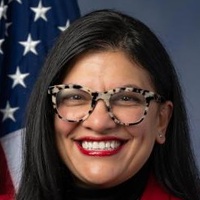
Rashida Tlaib
Representative
MI
Rashida Tlaib
Representative
MI
This resolution expresses support for designating April as National Arab American Heritage Month (NAAHM). It recognizes the profound and diverse contributions of Arab Americans throughout U.S. history, spanning science, public service, culture, and more. The designation aims to celebrate this heritage while countering misconceptions and discrimination.
This bill officially renames the United States Postal Service facility at 14855 South Van Dyke Road in Plainfield, Illinois, as the Staff Sergeant Jose Dueñez Jr. Post Office Building.
Lauren Underwood
Representative
IL
Lauren Underwood
Representative
IL
This bill officially renames the United States Postal Service facility located at 14855 South Van Dyke Road in Plainfield, Illinois. The facility will now be known as the Staff Sergeant Jose Dueñez Jr. Post Office Building. This designation will apply to all official federal references to the building.
This bill officially renames the U.S. Postal Service facility in Palatine, Illinois, to the Bernie Bluestein Post Office Building.
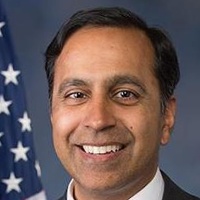
Raja Krishnamoorthi
Representative
IL
Raja Krishnamoorthi
Representative
IL
This bill officially renames the United States Postal Service facility located at 1300 East Northwest Highway in Palatine, Illinois. The facility will now be known as the "Bernie Bluestein Post Office Building." This designation will be used in all official records and documents pertaining to this location.
The Senior Hunger Prevention Act of 2026 aims to reduce food insecurity among older adults and adults with disabilities by improving SNAP efficacy, streamlining access, expanding nutrition programs, and funding better infrastructure for fresh food access.
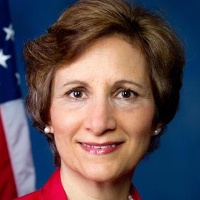
Suzanne Bonamici
Representative
OR
Suzanne Bonamici
Representative
OR
The Senior Hunger Prevention Act of 2026 aims to significantly reduce food insecurity among older adults and adults with disabilities. It achieves this by strengthening and streamlining the Supplemental Nutrition Assistance Program (SNAP) through simplified applications, extended certification periods, and new delivery options. The bill also expands eligibility for other nutrition programs and establishes grant programs to improve local food access infrastructure.
The Books Save Lives Act mandates that federally funded libraries maintain diverse collections and establishes civil rights protections against the discriminatory removal of books representing underrepresented communities.
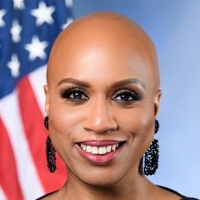
Ayanna Pressley
Representative
MA
Ayanna Pressley
Representative
MA
The Books Save Lives Act mandates that federally funded schools and public libraries maintain diverse book collections and employ trained library staff. It establishes a civil rights enforcement mechanism to address the discriminatory impact of book bans and requires a federal report on the effects of such campaigns on underrepresented communities.
This resolution seeks to nullify the Department of Education’s recent rule regarding the William D. Ford Federal Direct Loan Program.
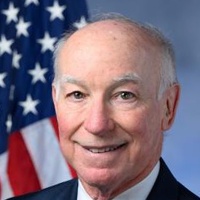
Joe Courtney
Representative
CT
Joe Courtney
Representative
CT
This resolution seeks to exercise congressional disapproval of the Department of Education’s recent rule regarding the William D. Ford Federal Direct Loan Program. If passed, the resolution would nullify the rule, rendering it without force or effect.
The OHH SNAP Act of 2026 expands Supplemental Nutrition Assistance Program (SNAP) eligibility for college students by adjusting financial aid criteria and modifying work requirement exemptions.
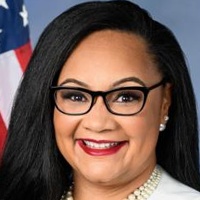
Nikema Williams
Representative
GA
Nikema Williams
Representative
GA
The OHH SNAP Act of 2026 aims to reduce food insecurity among college students by expanding eligibility for the Supplemental Nutrition Assistance Program (SNAP). The bill simplifies access for students with a $0 or less student aid index and those classified as independent, while also streamlining work requirement exemptions. These changes are designed to ensure that more students in higher education can access essential nutritional support.