
Legislative Activity
Track Pramila's sponsored bills, co-sponsored legislation, and voting record
This bill repeals the Arctic National Wildlife Refuge oil and gas program and designates over 1.5 million acres of the refuge as protected wilderness.
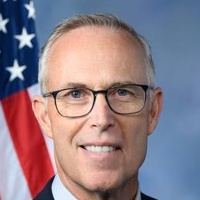
Jared Huffman
Representative
CA
Jared Huffman
Representative
CA
The Arctic Refuge Protection Act officially repeals the previous law authorizing oil and gas leasing in the Arctic National Wildlife Refuge. This legislation simultaneously designates approximately 1.56 million acres within the Refuge as protected wilderness under the National Wilderness Preservation System. The Secretary of the Interior is now required to manage this newly designated land according to strict wilderness preservation standards.
The Agriculture Resilience Act of 2025 mandates aggressive national goals to achieve net-zero agricultural emissions by 2040 through sweeping changes in research funding, soil management, livestock practices, and conservation programs.

Chellie Pingree
Representative
ME
Chellie Pingree
Representative
ME
The Agriculture Resilience Act of 2025 establishes aggressive national goals for the agricultural sector to achieve net-zero greenhouse gas emissions by 2040, mandating rapid changes in farming practices, research funding, and land management. It significantly reforms federal conservation and insurance programs to prioritize soil health, climate adaptation, and the development of resilient food systems. The bill also boosts support for on-farm renewable energy, strengthens local food infrastructure, and standardizes food labeling to reduce waste. Overall, it directs substantial federal resources toward transforming agriculture to meet ambitious climate targets while supporting farmers through new incentives and research.
The Equality Act comprehensively prohibits discrimination based on sex, sexual orientation, and gender identity across key areas including public accommodations, employment, housing, credit, and jury service.
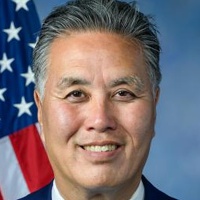
Mark Takano
Representative
CA
Mark Takano
Representative
CA
The Equality Act comprehensively expands federal civil rights protections against discrimination based on sex, sexual orientation, and gender identity across key areas of American life. It amends existing laws to prohibit discrimination in public accommodations, housing, credit, employment, and federal funding. The purpose of the bill is to provide consistent, explicit, and comprehensive remedies for individuals facing bias in these essential sectors.
This Act establishes and protects the right of tenants in federally assisted housing to organize, communicate concerns, and receive support for their participation in housing matters.
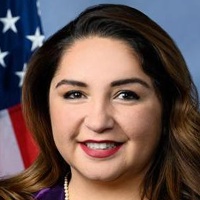
Delia Ramirez
Representative
IL
Delia Ramirez
Representative
IL
The Tenants’ Right to Organize Act establishes and protects the right of tenants receiving federal rental assistance, including Section 8 voucher holders and those in LIHTC projects, to form and participate in tenant organizations without fear of retaliation. The bill mandates that Public Housing Agencies and property owners must recognize these legitimate groups, consider their concerns, and respond to their feedback. Furthermore, it creates new enforcement mechanisms, allows tenants to sue for violations, and establishes funding for technical assistance and training for tenant groups.
This bill limits the Social Security Administration's recovery of benefit overpayments to a maximum of 10 percent of a monthly benefit unless the recipient agrees to a higher withholding rate.
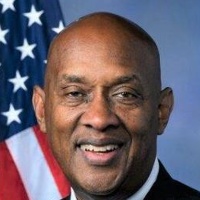
Dwight Evans
Representative
PA
Dwight Evans
Representative
PA
This bill amends the Social Security Act to limit the amount the Social Security Administration can withhold from a person's monthly benefit to recover an overpayment. Unless the individual agrees to a higher rate, the SSA can withhold no more than 10 percent of a monthly benefit payment to recoup accidental overpayments. This new limit applies to existing and future unrecovered overpayments under Title II benefits.
This resolution expresses support for honoring Earth Day, recognizes past environmental achievements, warns against undermining current climate laws, and urges the President to issue a proclamation encouraging environmental action.

Doris Matsui
Representative
CA
Doris Matsui
Representative
CA
This resolution expresses strong support for honoring Earth Day and recognizes its historical importance in launching the modern environmental movement. It highlights ongoing challenges like climate change while celebrating recent landmark investments in clean energy and infrastructure. Ultimately, the bill urges the President to issue a proclamation recognizing Earth Day and encourages all Americans to take sustained action to protect the environment for future generations.
The Historic Tax Credit Growth and Opportunity Act of 2025 modifies rehabilitation tax credits by increasing rates for small projects, eliminating basis adjustments, and changing eligibility rules for various building improvements.
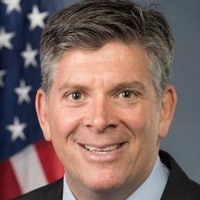
Darin LaHood
Representative
IL
Darin LaHood
Representative
IL
The Historic Tax Credit Growth and Opportunity Act of 2025 significantly enhances historic rehabilitation tax incentives. It establishes a permanent 20% credit rate for qualified expenditures and introduces an optional 30% credit for smaller projects, which includes the ability to transfer the credit. Furthermore, the bill simplifies calculations by eliminating the requirement to reduce the property's basis when claiming the credit.
The SOAR Act of 2025 reforms Medicare oxygen benefits by removing competitive bidding, establishing specific supplier responsibilities, enhancing fraud protection through electronic documentation, and enshrining patient rights for supplemental oxygen recipients.
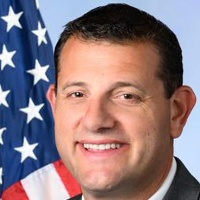
David Valadao
Representative
CA
David Valadao
Representative
CA
The SOAR Act of 2025 aims to significantly reform Medicare access to supplemental oxygen by removing it from the competitive bidding program and establishing new payment rates. The bill also mandates clearer documentation requirements for medical necessity using electronic templates and restores clinical judgment in claim audits. Finally, it establishes specific rights for oxygen beneficiaries and improves reimbursement for respiratory therapists.
This Act establishes an advisory committee to systematically review and recommend replacements for offensive place names on federal lands to promote reconciliation and dignity.

Al Green
Representative
TX
Al Green
Representative
TX
The Reconciliation in Place Names Act establishes a new Advisory Committee to systematically review and recommend replacements for offensive geographic names on federal lands. This committee, composed of diverse experts and tribal representatives, will advise the Board on Geographic Names regarding proposed changes. The Board must then approve or reject these renaming proposals within three years, prioritizing changes unless a compelling public interest dictates otherwise. This process aims to foster reconciliation by removing derogatory and prejudiced place names across the United States.
This act permanently bans new oil and gas leasing for exploration, development, and production in the North Atlantic, Mid-Atlantic, South Atlantic, and Straits of Florida planning areas of the Outer Continental Shelf.
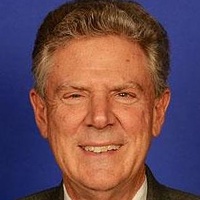
Frank Pallone
Representative
NJ
Frank Pallone
Representative
NJ
The Clean Ocean And Safe Tourism Anti-Drilling Act of 2025 (COAST Anti-Drilling Act) permanently prohibits new oil and gas leasing activities on the Outer Continental Shelf in the North Atlantic, Mid-Atlantic, South Atlantic, and Straits of Florida planning areas. This legislation ensures these specific ocean regions are protected from future exploration and development.
This Act permanently prohibits new oil and gas exploration, development, and production on the Outer Continental Shelf off the coasts of California, Oregon, and Washington.
Jared Huffman
Representative
CA
Jared Huffman
Representative
CA
The West Coast Ocean Protection Act of 2025 permanently prohibits all new oil and gas exploration, development, and production on the Outer Continental Shelf off the coasts of California, Oregon, and Washington. This legislation specifically bans the Secretary of the Interior from issuing any new leases or permissions for drilling activities in designated planning areas. The goal is to secure long-term protection for these vital West Coast marine environments.
This bill permanently prohibits new and existing oil and gas leasing for drilling in designated Arctic areas of the outer Continental Shelf.
Jared Huffman
Representative
CA
Jared Huffman
Representative
CA
The Stop Arctic Ocean Drilling Act of 2025 permanently prohibits the issuance of new oil and gas leases, or the extension of existing ones, for mineral exploration and production in designated Arctic areas of the outer Continental Shelf. This measure establishes an ironclad ban on offshore drilling in these specific Arctic waters.
This act bans bump stocks and similar devices that increase the firing rate of semi-automatic firearms, requiring registration for any previously modified weapons.
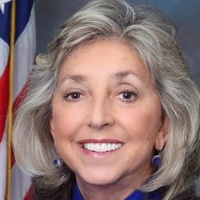
Dina Titus
Representative
NV
Dina Titus
Representative
NV
The Closing the Bump Stock Loophole Act of 2025 seeks to amend federal gun laws by banning devices and modifications that significantly increase the rate of fire of semiautomatic firearms, effectively treating them like machineguns. The bill specifically prohibits the manufacture, sale, or possession of such accessories and modified firearms after 120 days of enactment. Existing owners of previously modified firearms must register them under the National Firearms Act within that same timeframe to legally keep them.
This bill establishes the American Family Act, which revamps the Child Tax Credit into a system of refundable monthly advance payments for qualifying children and a separate credit for other dependents.

Rosa DeLauro
Representative
CT
Rosa DeLauro
Representative
CT
The American Family Act fundamentally overhauls the Child Tax Credit by replacing the annual lump sum with a system of advance, refundable monthly payments delivered directly to families. These monthly allowances vary based on the child's age, with higher amounts provided for younger children. The bill also establishes a separate, smaller credit for other dependents and outlines procedures for annual renewal and reconciliation of advance payments when filing taxes.
This bill prevents Congress from using the reconciliation process to cut funding or eligibility for Medicaid and SNAP until January 20, 2029.
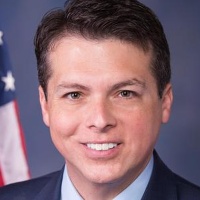
Brendan Boyle
Representative
PA
Brendan Boyle
Representative
PA
The Hands Off Medicaid and SNAP Act of 2025 prevents Congress from using the budget reconciliation process to cut funding or eligibility for Medicaid and the Supplemental Nutrition Assistance Program (SNAP). This protection establishes a significant procedural roadblock against reducing benefits for these essential social programs. However, this restriction is temporary and is set to expire on January 20, 2029.
This resolution urges the United States to lead global efforts to halt the nuclear arms race, reduce existing stockpiles, and implement verifiable measures to prevent nuclear war.
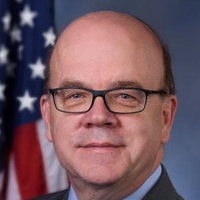
James McGovern
Representative
MA
James McGovern
Representative
MA
This resolution urges the United States to immediately prioritize global nuclear disarmament and lead the world back from the brink of nuclear war. It calls on the President to negotiate verifiable arms reduction treaties with all nuclear states to halt the arms race and prevent catastrophic conflict. Key actions include renouncing "first use," ending hair-trigger alert postures, and ceasing the development of new nuclear weapons. Furthermore, the bill demands comprehensive support, cleanup, and economic transition planning for communities and workers affected by past and present nuclear activities.
This bill officially terminates the national emergency declared by the President on April 2, 2025, under Executive Order 14257.
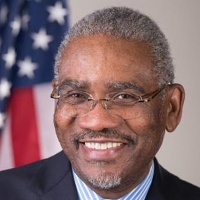
Gregory Meeks
Representative
NY
Gregory Meeks
Representative
NY
This bill officially terminates the national emergency that the President declared on April 2, 2025, under Executive Order 14257. It utilizes the authority of the National Emergencies Act to immediately end the emergency declaration. Consequently, all special powers and authorities activated by that declaration are rescinded.
This Act establishes federal minimum standards for public employee collective bargaining rights, allowing states to maintain their own laws if they meet or exceed these standards, otherwise the Federal Labor Relations Authority will enforce federal rules.
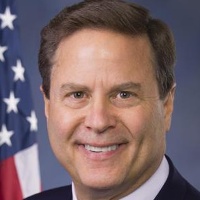
Donald Norcross
Representative
NJ
Donald Norcross
Representative
NJ
The Public Service Freedom to Negotiate Act of 2025 establishes federal minimum standards for collective bargaining rights for public employees across the nation. It requires the Federal Labor Relations Authority (FLRA) to review state laws to ensure they substantially provide these minimum rights, including the right to organize and bargain collectively. If a state fails to meet these standards, the FLRA will administer federal labor relations rules for the uncovered employees. The Act also prohibits strikes or lockouts that would measurably disrupt emergency or public safety services.
The Raise the Wage Act of 2025 gradually increases the federal minimum wage to \$17.00, phases out subminimum wages for tipped employees and workers with disabilities, and eliminates the subminimum wage for young workers.
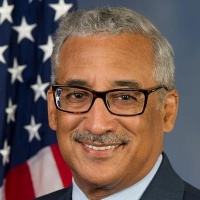
Robert Scott
Representative
VA
Robert Scott
Representative
VA
The Raise the Wage Act of 2025 establishes a phased increase of the federal minimum wage, culminating in a \$17.00 per hour rate five years after enactment, followed by automatic annual adjustments tied to median wage growth. This bill also phases out the lower minimum wage for tipped employees and workers under 20, ensuring they eventually earn the standard federal minimum wage. Furthermore, it sets a schedule to eliminate subminimum wages for individuals with disabilities and prohibits the issuance of new special certificates allowing for lower pay.
This Act establishes a federal rebate program, running through 2030, to incentivize eligible low-to-moderate-income homeowners in high-heat areas to install energy-saving, certified cool roof products.

Valerie Foushee
Representative
NC
Valerie Foushee
Representative
NC
The Cool Roof Rebate Act of 2025 establishes a federal program to provide rebates to eligible, low-to-moderate income homeowners for installing high-performance, energy-saving "cool roof" products. Rebate amounts are tiered based on the roof slope and the product's measured performance metrics, such as solar reflectance. This program is authorized through fiscal year 2030 and includes funding to update related calculation tools.