
Legislative Activity
Track Hank's sponsored bills, co-sponsored legislation, and voting record
The Online Sellers’ Bill of Rights Act of 2026 establishes transparency and due process protections for third-party sellers by regulating how online marketplaces handle inventory, funds, account suspensions, and policy changes.
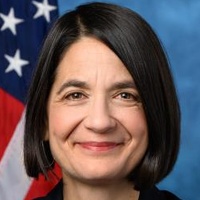
Becca Balint
Representative
VT
Becca Balint
Representative
VT
The Online Sellers’ Bill of Rights Act of 2026 establishes essential transparency and due process protections for third-party sellers on dominant online marketplaces. The legislation limits the arbitrary withholding of funds and inventory, mandates clear communication regarding policy changes, and requires platforms to provide evidence when penalizing sellers. Additionally, it empowers the FTC, state attorneys general, and individual sellers to enforce these fair-trading standards through legal action.
The Justice for Incarcerated Moms Act aims to improve maternal health outcomes for incarcerated individuals by prohibiting the shackling of pregnant prisoners and establishing federal and state programs to provide comprehensive prenatal and postpartum care.

Ayanna Pressley
Representative
MA
Ayanna Pressley
Representative
MA
The Justice for Incarcerated Moms Act aims to improve maternal health outcomes and reduce disparities for pregnant and postpartum individuals in the criminal justice system. The bill mandates the end of shackling for pregnant individuals in federal and state facilities and establishes comprehensive model programs to provide prenatal and postpartum care. Additionally, it creates a grant program for state and local facilities to improve maternal health services and requires a federal report to identify and address systemic barriers to care.
This bill establishes criminal penalties for immigration service fraud, provides relief for victims of "notario" scams, and creates grant programs to increase access to legitimate legal assistance for immigrants.
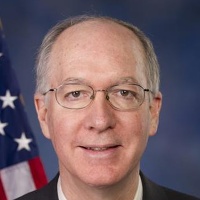
Bill Foster
Representative
IL
Bill Foster
Representative
IL
The Protecting Immigrants From Legal Exploitation Act of 2026 establishes new criminal penalties for fraudulent immigration service providers and creates protections for victims of "notario" fraud. The bill mandates stricter oversight of immigration filings, authorizes civil lawsuits against fraudulent practitioners, and provides relief for immigrants misled by unauthorized legal assistance. Additionally, it funds public outreach programs and grants for nonprofit organizations to provide legitimate legal services to immigrant communities.
The AADAPT Act expands grant eligibility and funding to integrate dementia care services into health centers through 2031.
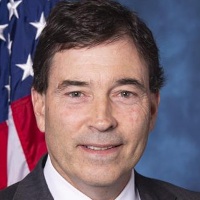
Troy Balderson
Representative
OH
Troy Balderson
Representative
OH
The AADAPT Act expands access to specialized dementia care by authorizing grants for public and nonprofit health centers to integrate these services into their programs. Additionally, the bill extends federal funding authorization through 2031 to ensure the continued growth and sustainability of these critical health outcomes.
The Judicial Integrity Act expands federal conflict-of-interest prohibitions to include judicial branch officers and employees, while authorizing the Judicial Conference to establish specific regulatory exemptions.
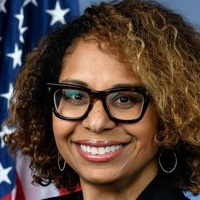
Sydney Kamlager-Dove
Representative
CA
Sydney Kamlager-Dove
Representative
CA
The Judicial Integrity Act amends federal law to prohibit judicial branch officers and employees from participating in government matters where they hold a personal financial interest. The bill also empowers the Judicial Conference of the United States to establish formal, transparent regulations for granting exemptions in cases where a financial interest is deemed too remote or inconsequential to impact judicial integrity.
The Judicial FOIA Expansion Act amends federal law to subject the judicial branch to the Freedom of Information Act and the Privacy Act, increasing transparency regarding court operations, personnel, and administrative records.

Dan Goldman
Representative
NY
Dan Goldman
Representative
NY
The Judicial FOIA Expansion Act would extend the Freedom of Information Act and the Privacy Act to the federal judiciary, ending the branch's current exemption. This legislation mandates public access to specific administrative and disciplinary records while establishing a framework for transparency across federal courts and judicial entities.
This bill designates the Department of Veterans Affairs multispecialty clinic in Marietta, Georgia, as the "Colonel Michael H. Boyce Department of Veterans Affairs Multispecialty Clinic."

Barry Loudermilk
Representative
GA
Barry Loudermilk
Representative
GA
This bill designates the Department of Veterans Affairs multispecialty clinic in Marietta, Georgia, as the "Colonel Michael H. Boyce Department of Veterans Affairs Multispecialty Clinic." This renaming honors the late Colonel Michael H. Boyce for his distinguished military career and his dedicated service to the Cobb County veterans community.
The Stop CHEATERS Act provides significant multi-year funding to the IRS to modernize technology, improve taxpayer services, and enhance tax enforcement efforts focused on high-income individuals and large corporations.

Suzan DelBene
Representative
WA
Suzan DelBene
Representative
WA
The Stop CHEATERS Act provides significant multi-year funding to the IRS to modernize its technology, improve taxpayer services, and strengthen tax enforcement. The bill specifically mandates that the agency prioritize auditing high-income individuals and large corporations to close the tax gap. Additionally, it requires regular reporting to Congress to ensure accountability and progress in these enforcement efforts.
This resolution opposes a proposed OMB rule that would replace merit-based scientific review with political oversight and restrict research into diversity, equity, and inclusion, arguing that such changes would undermine U.S. health research and exacerbate health disparities.

Debbie Dingell
Representative
MI
Debbie Dingell
Representative
MI
This resolution opposes a proposed rule that would grant political appointees oversight of federal research grants and restrict funding for diversity, equity, and inclusion (DEI) initiatives. It argues that these changes would undermine the integrity of the merit-based peer review system and hinder critical research into health disparities. Ultimately, the resolution reaffirms the necessity of inclusive, science-driven research to ensure equitable health outcomes for all Americans.
The Family Grocery and Farmer Relief Act aims to lower food prices and strengthen the food supply by breaking up dominant meatpacking monopolies, restricting foreign control, and empowering independent farmers and small businesses.

Pramila Jayapal
Representative
WA
Pramila Jayapal
Representative
WA
The Family Grocery and Farmer Relief Act aims to lower food prices and increase market competition by breaking up dominant, multi-protein meatpacking enterprises. The legislation empowers the Federal Trade Commission to enforce divestitures, restrict foreign control, and prevent excessive market concentration in the beef industry. By prioritizing sales to farmer cooperatives and small businesses, the bill seeks to create a more resilient food supply chain that benefits both independent producers and American consumers.
Orlin’s Law establishes comprehensive protections for detained immigrant parents, prioritizing family unity by mandating release procedures, access to legal and child welfare proceedings, and the creation of a dedicated office to coordinate parental rights and care.
Pramila Jayapal
Representative
WA
Pramila Jayapal
Representative
WA
Orlin’s Law establishes critical protections for immigrant parents in U.S. custody to prevent the unnecessary separation of families. The bill mandates that detained parents be prioritized for release, provided with the means to participate in family court proceedings, and granted access to resources for their children’s care. Additionally, it creates an Office of Detained Parent Coordination to oversee these protections and requires the government to provide alternatives to detention for parents.
The Cure Hepatitis C Act of 2026 mandates a national program to eliminate hepatitis C in the United States by expanding access to no-cost treatments, enhancing public health screening, and coordinating federal efforts through 2033.
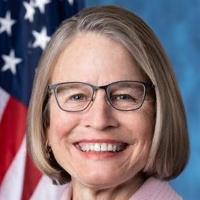
Mariannette Miller-Meeks
Representative
IA
Mariannette Miller-Meeks
Representative
IA
The "Cure Hepatitis C Act of 2026" establishes a comprehensive national program to eliminate the hepatitis C virus in the United States by 2032. The bill mandates the creation of a federal strategy, an advisory committee, and a subscription-based drug procurement model to provide curative treatments at no cost to priority populations, including those in correctional facilities, Indian health programs, and Medicaid. Additionally, it authorizes significant funding for public health grants, diagnostic testing, and the elimination of out-of-pocket costs for hepatitis C treatments under Medicare.
The High Court Gift Ban Act prohibits federal judicial officers from accepting gifts exceeding $50 per instance or $100 annually from a single source, with specific exceptions and enforcement penalties.
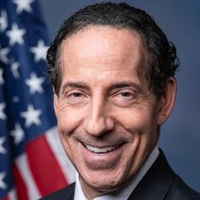
Jamie Raskin
Representative
MD
Jamie Raskin
Representative
MD
The High Court Gift Ban Act establishes strict limits on gifts accepted by federal judicial officers, prohibiting any gift valued over $50 or exceeding $100 in total annual value from a single source. The bill includes specific exemptions for personal hospitality, professional events, and family gifts, while mandating enforcement through the Judicial Conference and potential civil or criminal penalties for violations.
This resolution designates July 10th as Journeyman Lineworkers Recognition Day to honor the essential service and sacrifices of the professionals who maintain our nation’s power grid.

Linda Sánchez
Representative
CA
Linda Sánchez
Representative
CA
This resolution designates July 10th as Journeyman Lineworkers Recognition Day to honor the essential, high-risk work performed by these skilled professionals. It pays tribute to the lineworkers who provide critical service during emergencies and recognizes those who have made the ultimate sacrifice in the line of duty.
The Extreme Temperatures Injustice in Prisons Act of 2026 mandates upgrades to HVAC systems, establishes strict temperature safety standards, and requires regular monitoring and oversight to protect incarcerated individuals and staff from extreme heat and cold in federal prisons.
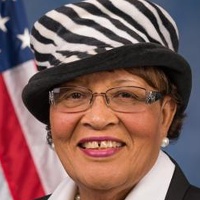
Alma Adams
Representative
NC
Alma Adams
Representative
NC
The Extreme Temperatures Injustice in Prisons Act of 2026 mandates that the Bureau of Prisons upgrade HVAC systems and implement strict temperature monitoring across all federal correctional facilities. The bill establishes enforceable standards to protect both incarcerated individuals and staff from extreme heat and cold while requiring the provision of essential mitigation supplies. Additionally, it mandates regular health reporting, oversight by the Inspector General, and specialized protections for medically vulnerable populations.
This bill directs the President to remove U.S. Armed Forces from hostilities in Lebanon within seven days, pursuant to the War Powers Resolution.
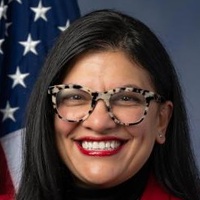
Rashida Tlaib
Representative
MI
Rashida Tlaib
Representative
MI
This resolution directs the President to withdraw U.S. Armed Forces from hostilities in Lebanon within seven days, utilizing authority under the War Powers Resolution. It explicitly clarifies that this action does not authorize the use of military force or limit security cooperation with Lebanese forces or the protection of diplomatic facilities.
The Residential Recovery for Seniors Act expands Medicare Part A coverage to include three levels of residential substance use disorder treatment services.

Lauren Underwood
Representative
IL
Lauren Underwood
Representative
IL
The Residential Recovery for Seniors Act expands Medicare Part A coverage to include three levels of residential substance use disorder treatment. By establishing clear clinical standards and a new prospective payment system, this legislation ensures seniors have access to essential, evidence-based addiction recovery services.
The Community Housing Act of 2026 provides comprehensive federal funding and policy reforms to expand the national housing supply, increase affordable rental options, and support pathways to homeownership for low-income and rural families.
Becca Balint
Representative
VT
Becca Balint
Representative
VT
The Community Housing Act of 2026 is a comprehensive legislative package designed to increase the nation’s housing supply and improve long-term affordability. The bill provides billions in federal funding for affordable housing construction, incentivizes local zoning reform, and expands support for rural homeownership and tenant protections. By streamlining financing and removing regulatory barriers, the act aims to create more housing options for low- and middle-income families across the country.
This bill supports the goals of Alzheimer's and Brain Awareness Month by encouraging education, advocacy for research and care, and support for those affected by Alzheimer's disease.
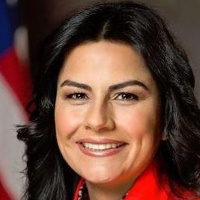
Nanette Barragán
Representative
CA
Nanette Barragán
Representative
CA
This resolution officially designates June as Alzheimer's and Brain Awareness Month. It highlights the widespread impact of Alzheimer's disease, including rising prevalence, significant caregiver strain, and health disparities. The measure encourages public education, advocacy for research and support services, and support for those affected by the disease.
The Save MEDICARE Act of 2026 reforms Medicare Advantage by tightening payment accuracy, enhancing audit and enforcement authority, and requiring private insurers to reimburse the VA for veteran healthcare services.

Lloyd Doggett
Representative
TX
Lloyd Doggett
Representative
TX
The Save MEDICARE Act of 2026 aims to increase transparency and accountability within the Medicare Advantage program by reforming payment methodologies, tightening oversight of diagnosis coding, and accelerating audit processes. The bill also enhances the Department of Veterans Affairs' ability to recover healthcare costs from private insurers and empowers states to enforce federal requirements for Medicare Advantage plans. These measures are designed to ensure more accurate payments, reduce deceptive practices, and protect resources for all Medicare enrollees.