Legislative Activity
Track Hank's sponsored bills, co-sponsored legislation, and voting record
This resolution expresses support for National Adoption Day and Month by promoting awareness, celebrating adoption, and encouraging the nation to secure safety and well-being for all children awaiting families.
Robert Aderholt
Representative
AL
Robert Aderholt
Representative
AL
This resolution expresses support for National Adoption Day and Month by promoting national awareness of adoption and the children awaiting permanent families. It highlights the significant number of children in foster care waiting for adoption and encourages all Americans to consider providing a safe, permanent, and well-being-focused home for these children. The resolution supports various avenues for achieving permanency, including reunification, kinship care, and adoption.
This act mandates that all states allow eligible individuals to register and vote on the same day during federal elections, beginning in November 2026.
Julia Brownley
Representative
CA
Julia Brownley
Representative
CA
The Same Day Registration Act of 2025 mandates that all states allow eligible individuals to register to vote and cast a ballot on the same day during any federal election, including early voting periods. This requirement applies starting with the November 2026 general election. States without any voter registration requirement for federal elections are exempt from this mandate.
The Pre-Registration Of Voters Everywhere Act (PROVE Act) mandates that states allow 16- and 17-year-olds to pre-register to vote in federal elections and provides grants to encourage youth involvement in election activities.
Donald Beyer
Representative
VA
Donald Beyer
Representative
VA
The Pre-Registration Of Voters Everywhere (PROVE) Act mandates that states establish a process for 16- and 17-year-olds to pre-register to vote in federal elections. Once they turn 18 and meet other requirements, these individuals will be automatically registered. The bill also authorizes grants to states to encourage civic engagement and promote the use of this new pre-registration system among young people.
The Births in Custody Reporting Act of 2025 mandates that states receiving federal funds report detailed, anonymized data on pregnant and postpartum inmates to the Attorney General to improve care and public safety.
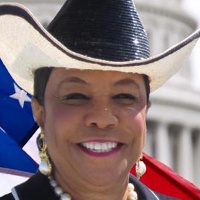
Frederica Wilson
Representative
FL
Frederica Wilson
Representative
FL
The Births in Custody Reporting Act of 2025 mandates that states receiving federal funding must quarterly report detailed, anonymized data to the Attorney General regarding pregnant individuals and those who have given birth in state or local custody. This data includes pregnancy testing, prenatal care, birth outcomes, and the use of restraints during these periods. States failing to comply face potential reductions in federal funding, and the Attorney General must make all reports public and conduct a study on improving inmate care.
This resolution supports the goals of National Domestic Violence Awareness Month, highlights the pervasive and devastating impact of intimate partner violence across all demographics, and calls for increased funding for prevention and support programs.
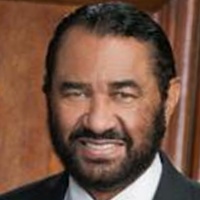
Al Green
Representative
TX
Al Green
Representative
TX
This resolution designates October as National Domestic Violence Awareness Month to highlight the widespread and devastating impact of intimate partner violence across all demographics. It recognizes the urgent need to eliminate domestic violence and supports increased funding for intervention and prevention programs. The resolution underscores the severe physical, emotional, and economic toll this abuse takes on individuals, families, and communities.
This act ensures that federal contracts continue without interruption due to lapses in appropriations.
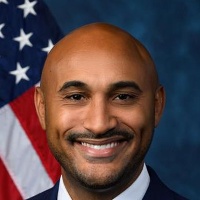
Shomari Figures
Representative
AL
Shomari Figures
Representative
AL
The Keep America Building Act ensures that essential work under existing Federal contracts continues without interruption, delay, or stoppage due to a lapse in appropriations. This legislation prevents federal funding gaps from halting ongoing contractual obligations.
The GRAD Act ensures students maintain their enrollment status during a government shutdown, even if it disrupts their Title IV federal student financial aid.
Shomari Figures
Representative
AL
Shomari Figures
Representative
AL
The GRAD Act ensures that students maintain their current enrollment status during a government shutdown, even if federal student aid is temporarily disrupted. This legislation prevents educational institutions from penalizing students by changing their enrollment status due to funding lapses. Essentially, it protects students from negative academic consequences caused by federal funding interruptions.
This bill establishes a pilot grant program to fund schools offering 100% plant-based meal options and creates a separate pilot program to help cover the costs of providing nondairy beverage substitutes for students with written requests for dietary accommodations.
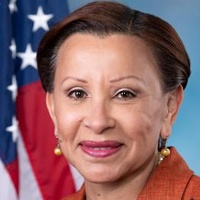
Nydia Velázquez
Representative
NY
Nydia Velázquez
Representative
NY
The Plant-Powered School Meals Pilot Act establishes a three-year grant program to help school food authorities offer 100% plant-based meal options, prioritizing culturally appropriate and educational components. Additionally, the bill clarifies and expands requirements for schools to substitute fluid milk with nutritionally equivalent nondairy beverages to accommodate medical, religious, or personal dietary needs. A separate pilot program is also created to help cover the costs associated with providing these nondairy substitutes based on written requests.
This resolution formally honors the extraordinary life, groundbreaking scientific contributions, and enduring global legacy of Dr. Jane Goodall.

Mike Quigley
Representative
IL
Mike Quigley
Representative
IL
This resolution formally honors the extraordinary life, leadership, and enduring legacy of Dr. Jane Goodall. It celebrates her groundbreaking scientific contributions to primatology and her tireless global advocacy for wildlife conservation and environmental education. The bill recognizes her founding of the Roots and Shoots program and extends sympathy to her family and colleagues.
This resolution expresses support for recognizing October 26, 2025, as Intersex Awareness Day and advocates for the bodily autonomy and human rights of intersex individuals, particularly by opposing nonconsensual early medical interventions.
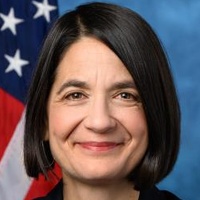
Becca Balint
Representative
VT
Becca Balint
Representative
VT
This resolution expresses the House's support for recognizing October 26th as Intersex Awareness Day and affirms the goals of the observance. It highlights the reality of natural variations in sex characteristics and strongly condemns nonconsensual, irreversible medical procedures performed on intersex infants and children. The bill encourages federal, state, and local entities to promote awareness, ensure culturally sensitive healthcare, and prioritize the bodily autonomy and human rights of intersex individuals.
This bill establishes a three-year, federally funded pilot program to provide guaranteed monthly cash payments to 10,000 eligible individuals, equivalent to local fair market rent, while studying its impact on financial stability and well-being.
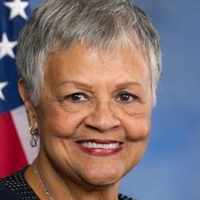
Bonnie Watson Coleman
Representative
NJ
Bonnie Watson Coleman
Representative
NJ
The Guaranteed Income Pilot Program Act of 2025 establishes a three-year pilot program to provide a monthly, unconditional cash payment to 10,000 eligible individuals, set at the local fair market rent for a two-bedroom home. This initiative aims to study the effects of guaranteed income on financial stability, health, and overall well-being, noting that payments will not affect eligibility for other federal assistance programs. The Department of Health and Human Services, in partnership with the IRS and an external research organization, will manage the program and report findings to Congress within specified timelines. Congress has authorized \$495 million annually from Fiscal Year 2026 through 2030 to fund this study.
This resolution officially recognizes the religious and historical significance of the festival of Diwali for Indian-American communities across the United States.
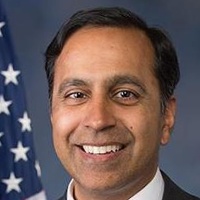
Raja Krishnamoorthi
Representative
IL
Raja Krishnamoorthi
Representative
IL
This resolution formally recognizes the significant religious and historical importance of the festival of Diwali to Indian-American communities across the nation. Congress acknowledges Diwali as the festival of lights, celebrated by Hindus, Sikhs, and Jains for its symbolism of knowledge, peace, and the triumph of good over evil. By passing this, the House expresses respect for the Indian diaspora and appreciates the strong partnership between the United States and India.
This bill requires executive agencies to provide detailed annual reports on their advertising contract expenditures, specifically tracking spending with small, socially and economically disadvantaged, women-owned, and minority-owned businesses.

Eleanor Norton
Representative
DC
Eleanor Norton
Representative
DC
The Federal Government Advertising Equity Accountability Act mandates that executive agencies provide detailed breakdowns of their advertising contract expenditures in their annual budget requests, starting with fiscal year 2027. This new reporting requirement forces agencies to specify total advertising spending alongside amounts directed toward small, socially and economically disadvantaged, women-owned, and minority-owned businesses. The goal is to increase transparency regarding federal advertising investments and equity in contract awards.
This act ensures that state and local funds used to keep Head Start and Early Head Start programs running during a federal government shutdown are fully reimbursed.
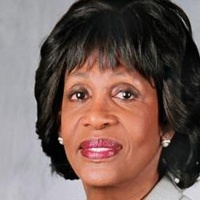
Maxine Waters
Representative
CA
Maxine Waters
Representative
CA
The Head Start Shutdown Protection Act of 2025 ensures that states, local governments, or school districts are reimbursed for any of their own funds used to keep Head Start and Early Head Start programs operational during a lapse in federal appropriations. This legislation protects these vital early childhood education services from disruption caused by government shutdowns. By guaranteeing reimbursement, the Act encourages local entities to maintain program continuity without bearing the financial burden.
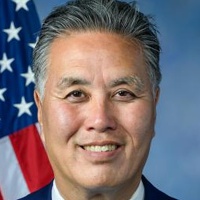
The BALL Act prohibits the use of federal funds for any construction or renovation at the White House or its grounds during a lapse in appropriations, except for essential health and safety repairs.
Mark Takano
Representative
CA
Mark Takano
Representative
CA
The BALL Act, or White House Building Activities Locked-out in Lapse Act, prohibits the use of federal funds for any construction or renovation projects at the White House or its grounds during a government shutdown caused by a lapse in appropriations. This spending ban remains in effect until new funding is enacted. The only exception allows for work deemed immediately necessary for health or safety reasons.
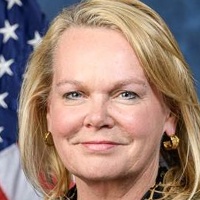
This bill mandates FEMA to reimburse fire departments for expenses incurred due to National Fire Academy course cancellations caused by a lapse in appropriations.
April McClain Delaney
Representative
MD
April McClain Delaney
Representative
MD
The National Fire Academy RESCUE Act ensures that fire departments are reimbursed for expenses incurred when National Fire Academy training courses are canceled due to a lapse in federal appropriations (a government shutdown). FEMA must reimburse departments for covered costs, such as travel and backfill staffing, within 90 days of receiving an itemized application following the shutdown's end. This reimbursement does not apply if the cancellation was due to reasons other than a lapse in appropriations, such as instructor illness or other emergencies.
This bill prohibits placing names, logos, or endorsements inside or on White House property without explicit approval from the Speaker and Minority Leader of the House.
Mark Takano
Representative
CA
Mark Takano
Representative
CA
This bill, the White House NOT FOR SALE Act, prohibits placing any individual's or organization's name on permanent or semi-permanent displays within the White House or its grounds without express approval from both the Speaker and Minority Leader of the House. This approval process requires consultation with the White House Curator and the Committee for the Preservation of the White House. However, displays that qualify as "commemorative works" are governed by existing federal law instead.
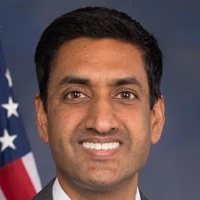
This resolution expresses the House's sense that immigration enforcement operations must mandate visible identification, body cameras, and enhanced accountability to ensure transparency and protect constitutional rights.
Ro Khanna
Representative
CA
Ro Khanna
Representative
CA
This resolution expresses the sense of the House that immigration enforcement operations must be transparent and accountable. It calls for mandatory identification, body cameras, and limits on agents concealing their identity during public interactions. Furthermore, the bill pushes for stronger oversight, better training, and increased penalties for impersonation to ensure constitutional protections are upheld.
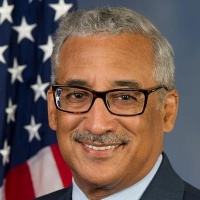
This Act mandates that all states must operate the WIC program and guarantees necessary funding through permanent appropriation starting in fiscal year 2026.
Robert Scott
Representative
VA
Robert Scott
Representative
VA
The WIC Benefits Protection Act mandates that all states must operate the Special Supplemental Nutrition Program for Women, Infants, and Children (WIC). This legislation also guarantees permanent, mandatory funding for WIC starting in fiscal year 2026, ensuring the program has the necessary resources annually. Furthermore, it clarifies eligibility language within the program's governing statute.
This Act establishes strict evidence requirements for states to remove registered voters from the rolls for federal elections and mandates timely notification to those affected.
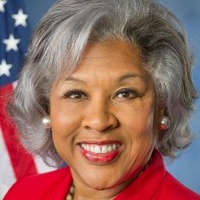
Joyce Beatty
Representative
OH
Joyce Beatty
Representative
OH
The Voter Purge Protection Act establishes strict new evidence requirements for states before they can remove registered voters from the rolls for federal elections. States must have objective proof that a voter is ineligible and cannot remove someone solely for not voting or failing to respond to a notice unless it was returned as undeliverable. If a voter is removed, the state must notify them within 48 hours with instructions on how to re-register.