Legislative Activity
Track Hank's sponsored bills, co-sponsored legislation, and voting record
This act establishes a grant program to fund diabetes treatment and prevention services in medically underserved urban and rural communities.
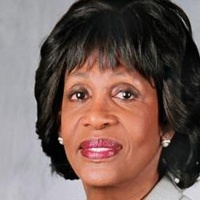
Maxine Waters
Representative
CA
Maxine Waters
Representative
CA
The Urban and Rural Diabetes Initiative Act establishes a new grant program to improve diabetes treatment access in medically underserved urban and rural areas. This funding supports eligible health providers in offering comprehensive diabetes care, including routine treatment, education, and specialized services like eye and foot care. The Secretary of Health and Human Services will award these grants, ensuring equitable distribution across both urban and rural communities.
This resolution recognizes the epidemic of violence against transgender people, memorializes those lost this year, and calls for action to ensure their safety and dignity.
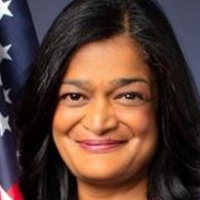
Pramila Jayapal
Representative
WA
Pramila Jayapal
Representative
WA
This resolution supports the goals of Transgender Day of Remembrance by recognizing the ongoing epidemic of violence targeting transgender people, particularly transgender women of color. It memorializes the lives lost this year and highlights the systemic barriers, including discrimination and lack of healthcare access, faced by the transgender community. The bill calls for urgent action from the government to protect these lives through inclusive legislation and policies that ensure dignity and respect for all individuals.
The HEAR Act of 2025 establishes Medicare coverage for hearing aids as durable medical equipment and for comprehensive hearing rehabilitation services, including audiology.
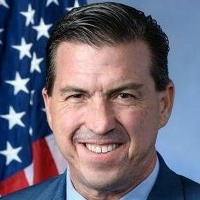
Kevin Mullin
Representative
CA
Kevin Mullin
Representative
CA
The HEAR Act of 2025 aims to significantly expand Medicare benefits by establishing coverage for comprehensive hearing rehabilitation services. This legislation specifically amends the Social Security Act to include hearing aids as covered durable medical equipment and mandates coverage for necessary aural rehabilitation services. The goal is to ensure eligible Medicare beneficiaries receive necessary audiological assessments, appropriate hearing aids, and follow-up rehabilitation care.
This Act prohibits discrimination based on religion, sex, or marital status in federally funded child welfare services to improve outcomes for all children, especially LGBTQ youth.
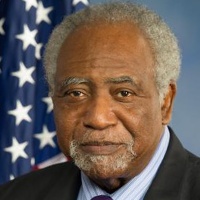
Danny Davis
Representative
IL
Danny Davis
Representative
IL
The John Lewis Every Child Deserves a Family Act prohibits discrimination based on religion, sex, or marital status in federally funded child welfare services. This aims to increase the number of stable, family-like placements for children, especially for LGBTQ youth who are overrepresented in foster care. The bill mandates federal guidance, training, and data collection to improve safety and well-being outcomes for all children involved in the system.
This bill invalidates predispute arbitration agreements and joint-action waivers for disputes involving race discrimination.
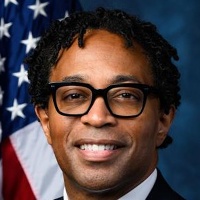
Wesley Bell
Representative
MO
Wesley Bell
Representative
MO
This bill, the "Ending Forced Arbitration of Race Discrimination Act of 2025," invalidates predispute arbitration agreements and joint-action waivers for disputes involving alleged race discrimination. It ensures that individuals alleging race discrimination can choose to pursue their claims in court rather than through mandatory arbitration. Federal courts will determine the applicability and enforceability of these arbitration agreements.
This Act mandates the public release of all unclassified Department of Justice documents related to Jeffrey Epstein, Ghislaine Maxwell, and their associates within 30 days, with very limited exceptions for victim privacy or active investigations.
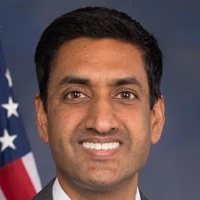
Ro Khanna
Representative
CA
Ro Khanna
Representative
CA
The Epstein Files Transparency Act mandates the Attorney General to publicly release all unclassified Department of Justice records related to Jeffrey Epstein and his associates within 30 days of the bill becoming law. This release must include materials concerning investigations, flight logs, settlements, and internal communications, with very limited exceptions for victim privacy or active investigations. The Act strictly prohibits withholding documents due to political sensitivity or reputational harm and requires detailed justification for any redactions made.
This Act prohibits rental property owners from engaging in coordinated activities that effectively fix or influence rental prices, treating such coordination as an illegal restraint of trade under existing antitrust laws.
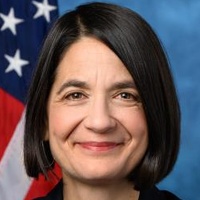
Becca Balint
Representative
VT
Becca Balint
Representative
VT
The End Rent Fixing Act of 2025 prohibits rental property owners from hiring coordinators or engaging in activities that involve collecting, analyzing, or recommending rental prices or terms across multiple properties. This coordinated activity is deemed an unlawful restraint of trade under existing antitrust laws. The bill grants enforcement power to the FTC, the Attorney General, and State Attorneys General, while also allowing injured persons to sue for treble damages. Furthermore, it lowers the pleading standard for civil lawsuits brought under this Act and related antitrust claims.
This act mandates Medicare coverage for FDA-approved early detection screening tests for Alzheimer's disease and related dementias beginning in 2028.
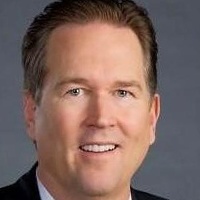
Vern Buchanan
Representative
FL
Vern Buchanan
Representative
FL
The Alzheimer’s Screening and Prevention Act of 2025 (ASAP Act) amends Medicare to cover early detection screening tests for Alzheimer's disease and related dementias starting in 2028. This coverage applies to FDA-cleared tests, including genomic sequencing and other equivalent diagnostic methods, designed to detect pre-symptomatic or early-stage conditions. The bill ensures these screenings are added to the list of covered medical services under Medicare.
The AIM Act removes numerous existing statutory prohibitions and limitations on the Bureau of Alcohol, Tobacco, Firearms and Explosives (ATF) regarding firearms trace data, record consolidation, dealer inspections, license revocation standards, and the processing of certain import and FOIA requests.
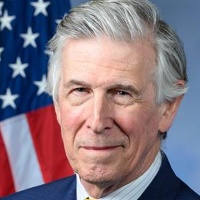
Donald Beyer
Representative
VA
Donald Beyer
Representative
VA
The AIM Act primarily focuses on eliminating numerous existing statutory restrictions and prohibitions that currently limit the Bureau of Alcohol, Tobacco, Firearms and Explosives (ATF) in its operations. This includes removing limitations on the use and analysis of firearms trace data and allowing for the consolidation of dealer records. Furthermore, the bill removes requirements for the destruction of background check records and eases restrictions on the ATF's ability to inspect dealer inventories and deny or revoke Federal Firearms Licenses.
This act establishes a 25 basis point discount on mortgage insurance premiums for first-time homebuyers who complete a certified financial literacy housing counseling program before applying for a loan or signing a sales agreement.
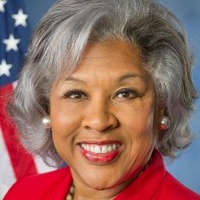
Joyce Beatty
Representative
OH
Joyce Beatty
Representative
OH
The Housing Financial Literacy Act of 2025 incentivizes first-time homebuyers to complete financial literacy housing counseling programs. By completing the required counseling before applying for a loan or signing a sales agreement, eligible homebuyers will receive a 25 basis point discount on their mortgage insurance premium payments. This act aims to promote financial preparedness among new homeowners.
The FAIR Act establishes new requirements for providing immigration detainees with access to privacy release forms, handbooks, communication tools, and clear processes for receiving constituent services from Congress.
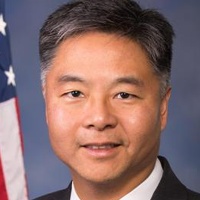
Ted Lieu
Representative
CA
Ted Lieu
Representative
CA
The Fairness and Access for Immigrant Rights (FAIR) Act establishes new requirements for providing constituent services to immigration detainees. This bill mandates that detainees must have timely access to necessary privacy release forms and essential handbooks in their preferred language. Furthermore, it ensures detainees have the tools to communicate with their congressional representatives or third-party assistants, and outlines a clear process for filing complaints if these rights are violated.
The EXPERTS Act of 2025 aims to reform federal rulemaking by increasing transparency around submitted studies, establishing new disclosure requirements for conflicts of interest, streamlining agency review timelines, and creating an Office of the Public Advocate focused on social equity.
Pramila Jayapal
Representative
WA
Pramila Jayapal
Representative
WA
The EXPERTS Act of 2025 aims to enhance transparency and accountability in the federal rulemaking process. It introduces new disclosure requirements for studies submitted during public comment periods and mandates greater public awareness of agency actions. Furthermore, the bill establishes the Office of the Public Advocate to improve public involvement and explicitly requires agencies to consider social equity in their cost-benefit analyses. Finally, it streamlines the Office of Information and Regulatory Affairs (OIRA) review timeline and clarifies judicial review standards for agency interpretations.
This bill restricts the acceptance of donations for projects related to the President or Vice President from individuals or entities with conflicts of interest, mandates transparency for donors, and establishes civil and criminal penalties for violations.
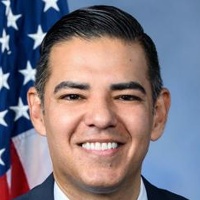
Robert Garcia
Representative
CA
Robert Garcia
Representative
CA
The Stop Ballroom Bribery Act establishes strict new rules governing donations made for projects related to the White House, Vice President's residence, or related federal monuments. It prohibits accepting donations from individuals or entities currently involved in litigation, seeking federal contracts, or engaging in lobbying activities targeting the executive branch. Furthermore, the bill mandates transparency by requiring disclosure of meetings with high-ranking officials following a donation and imposes significant civil and criminal penalties for violations.
This act repeals specific sections of a prior reconciliation act to restore previous laws affecting American families and farmers.
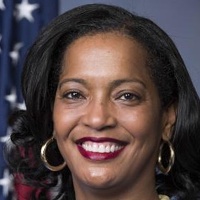
Jahana Hayes
Representative
CT
Jahana Hayes
Representative
CT
The Restoring Food Security for American Families and Farmers Act of 2025 aims to strengthen domestic food security by repealing specific sections of a prior reconciliation act. This action effectively revives the original laws that were previously amended by the repealed provisions. The bill seeks to revert existing agricultural and food-related statutes to their pre-amendment status.
This bill mandates the disclosure of chemicals used in hydraulic fracturing operations to the state both before and after operations, while ensuring immediate disclosure of proprietary formulas during medical emergencies.

Diana DeGette
Representative
CO
Diana DeGette
Representative
CO
The Fracturing Responsibility and Awareness of Chemicals Act of 2025 amends the Safe Drinking Water Act to bring hydraulic fracturing fluid injection under federal regulation. This bill mandates that operators disclose the specific chemicals used before and after fracturing operations to the relevant state authority. Furthermore, it ensures immediate disclosure of proprietary chemical formulas to medical professionals during emergencies.
This bill establishes a permanent Special Envoy for the Human Rights of LGBTQI+ Peoples within the Department of State to advance U.S. policy countering global criminalization, violence, and discrimination against LGBTQI+ individuals.
Robert Garcia
Representative
CA
Robert Garcia
Representative
CA
This bill, the International Human Rights Defense Act of 2025, establishes a permanent Special Envoy for the Human Rights of LGBTQI+ Peoples within the Department of State. It codifies U.S. policy to actively combat international criminalization, violence, and discrimination against LGBTQI+ individuals worldwide. The legislation also mandates enhanced reporting on these abuses in annual human rights reports and authorizes assistance to support related protection efforts abroad.
This resolution calls for the U.S. to recognize the genocide of Palestinians in Gaza and immediately halt military aid to Israel while supporting international accountability measures.
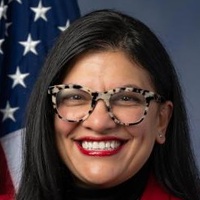
Rashida Tlaib
Representative
MI
Rashida Tlaib
Representative
MI
This resolution expresses the sense of Congress that the United States officially recognizes the State of Israel has committed genocide against the Palestinian people in Gaza. It details extensive evidence supporting this finding, including mass casualties, systematic destruction of infrastructure, and severe humanitarian crisis. Consequently, the bill calls for the immediate halt of all U.S. military and financial assistance to Israel until compliance with international court orders is verified. Furthermore, it demands the U.S. use its leverage to support international investigations and ensure robust funding for humanitarian aid through UNRWA.
The VA Work-Study Improvement Act expands eligible work-study activities, clarifies minimum wage standards, mandates electronic timesheets, and requires annual publication of program data.
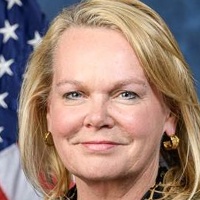
April McClain Delaney
Representative
MD
April McClain Delaney
Representative
MD
The VA Work-Study Improvement Act expands approved work-study locations to include state/local government agencies and nonprofits that benefit veterans. It establishes a clear standard for the minimum hourly wage paid to participants and mandates the use of electronic timesheets. Furthermore, the bill requires the VA to annually publish detailed data regarding the work-study program's activities and participants.
This Act ensures uninterrupted funding and operation for the SNAP and WIC programs through fiscal year 2026, even if appropriations for the Department of Agriculture are delayed.
Jahana Hayes
Representative
CT
Jahana Hayes
Representative
CT
The Keep SNAP and WIC Funded Act of 2025 ensures that the Supplemental Nutrition Assistance Program (SNAP) and the Special Supplemental Nutrition Program for Women, Infants, and Children (WIC) continue to operate without interruption in fiscal year 2026 if standard appropriations are delayed. If funding lapses, the Secretary of Agriculture is authorized to use funds from the Treasury to provide benefits and reimburse state agencies. This special funding remains in effect until full appropriations are enacted or until September 30, 2026.
This Act establishes strict standards, training, and reporting requirements for federal immigration enforcement personnel regarding the use of force, identification, and equipment.
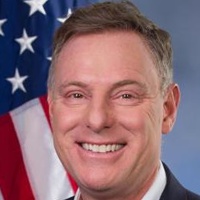
Scott Peters
Representative
CA
Scott Peters
Representative
CA
The Stop Excessive Force in Immigration Act of 2025 establishes strict new standards for the use of non-deadly force by federal immigration personnel, requiring proportionality and de-escalation efforts. The bill mandates identification requirements, restricts the use of certain crowd-control equipment, and imposes new body camera and detailed reporting mandates. Furthermore, it creates affirmative duties for officers to intervene against excessive force and requires annual training on these new policies.