Legislative Activity
Track Chrissy's sponsored bills, co-sponsored legislation, and voting record
This bill establishes a joint research and development program between the DOD and USDA to advance national security and agricultural priorities through collaborative projects.
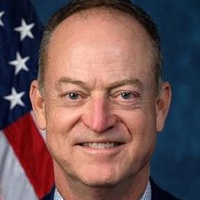
Mark Messmer
Representative
IN
Mark Messmer
Representative
IN
This bill establishes the DOD and USDA Interagency Research Act to create a joint research and development program between the Department of Defense and the Department of Agriculture. The collaboration will focus on projects advancing national security and agricultural priorities, such as supply chain resilience, bioindustrial manufacturing, and natural resource management. The Secretaries must sign an agreement outlining a merit-based review process and focusing on high-payoff technologies. The program also mandates annual reporting to Congress on achievements, expenditures, and research security practices.
The Healthy Families Act establishes a national standard requiring most employers to provide employees with earned paid sick leave for personal or family health needs and related safety issues.
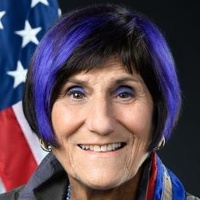
Rosa DeLauro
Representative
CT
Rosa DeLauro
Representative
CT
The Healthy Families Act establishes a national standard requiring most employers to provide employees with earned paid sick leave. Employees will accrue a minimum of one hour of paid time for every 30 hours worked, usable for personal or family health needs, domestic violence, sexual assault, or stalking. The Act prohibits employer retaliation for using this leave and ensures existing, more generous leave policies are not diminished.
This bill officially designates the United States Postal Service facility at 4431 Main Street in Philadelphia, Pennsylvania, as the "Dr. Constance 'Connie' E. Clayton Post Office."
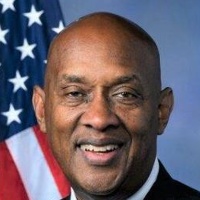
Dwight Evans
Representative
PA
Dwight Evans
Representative
PA
This bill officially designates the United States Postal Service facility at 4431 Main Street in Philadelphia, Pennsylvania, as the "Dr. Constance 'Connie' E. Clayton Post Office." The legislation ensures that all federal records and documents will henceforth refer to the location by its new name.
This bill appropriates funding and establishes operational rules for the Department of Homeland Security for Fiscal Year 2026 across management, security, preparedness, and research functions, while imposing strict oversight and spending restrictions.
Rosa DeLauro
Representative
CT
Rosa DeLauro
Representative
CT
This bill provides the funding and establishes the operational rules for the Department of Homeland Security (DHS) for Fiscal Year 2026 across all major components, including intelligence, security operations, emergency management, and research. It allocates billions for agencies like TSA, Coast Guard, FEMA, and CISA while imposing strict new requirements for congressional oversight, spending transparency, and management of federal grants. The legislation also includes specific policy directives, such as mandating security screening for senior officials and restricting certain intelligence and contracting activities.
This bill establishes new prerequisites for the Financial Stability Oversight Council (FSOC) before designating a nonbank financial company for enhanced Federal Reserve supervision.
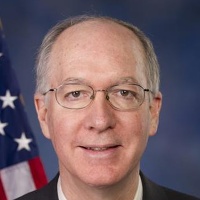
Bill Foster
Representative
IL
Bill Foster
Representative
IL
This bill, the Financial Stability Oversight Council Improvement Act of 2025, establishes new procedural hurdles for the FSOC before it can designate a nonbank financial company for stricter Federal Reserve supervision. The Council must first make an initial determination, in consultation with the company and its regulator, that other actions are insufficient to address the risk. This ensures that designation is a measure of last resort against threats to U.S. financial stability.
This bill authorizes the minting of special $2.50 commemorative coins for the 250th anniversary of the Declaration of Independence and mandates a study on the feasibility of issuing a $2.50 coin for general circulation.
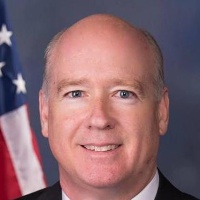
Robert Aderholt
Representative
AL
Robert Aderholt
Representative
AL
This act establishes the "$2.50 for America's 250th Act" to commemorate the 250th anniversary of the Declaration of Independence. It authorizes the Treasury to mint and issue special commemorative gold, silver, and clad $2.50 coins featuring designs from the 1926 Sesquicentennial coin. Additionally, the bill mandates a study on the feasibility of minting and issuing a $2.50 coin for wide circulation.
This bill imposes an immediate freeze on all hiring and transfers within U.S. Immigration and Customs Enforcement (ICE) until Congress passes a new law explicitly superseding this measure.

Lizzie Fletcher
Representative
TX
Lizzie Fletcher
Representative
TX
This bill immediately halts all hiring and transfers of personnel to U.S. Immigration and Customs Enforcement (ICE) using federal funds. The hiring freeze will remain in effect until Congress passes and enacts a new law specifically designed to supersede this provision.
The PASTEUR Act of 2026 establishes a subscription-style contract program to incentivize the development and ensure the availability of novel antimicrobials against urgent threats while promoting their appropriate use.
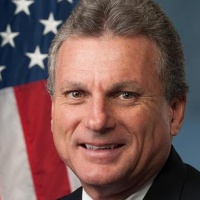
Earl Carter
Representative
GA
Earl Carter
Representative
GA
The PASTEUR Act of 2026 aims to combat antimicrobial resistance by creating a subscription-style contract program to incentivize the research and development of new, life-saving antibiotics. This program will provide substantial annual payments to drug sponsors for ensuring the availability and appropriate use of eligible antimicrobials targeting urgent threats. The bill also establishes grants to promote stewardship programs in healthcare facilities and enhance national surveillance of resistance data.
This bill seeks to disapprove and nullify the Department of Veterans Affairs' final rule regarding "Reproductive Health Services."
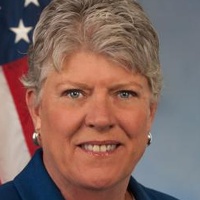
Julia Brownley
Representative
CA
Julia Brownley
Representative
CA
This resolution seeks to disapprove the Department of Veterans Affairs' final rule concerning "Reproductive Health Services" issued in September 2024. If enacted, this disapproval, made under the Congressional Review Act, would prevent the VA rule from taking legal effect.
This bill mandates the removal of U.S. Armed Forces from Venezuela unless explicitly authorized by Congress.
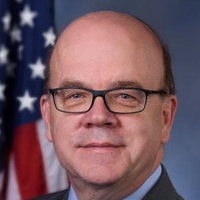
James McGovern
Representative
MA
James McGovern
Representative
MA
This bill mandates the President to withdraw all United States Armed Forces from Venezuela. This action is required unless Congress has formally declared war or passed specific legislation authorizing the use of military force in that country.
This Act establishes mandatory health and safety standards, independent inspections, and stringent accountability measures for privatized military housing to protect service members and their families from hazardous living conditions.
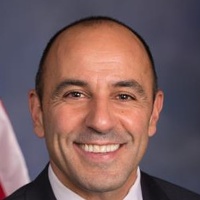
Jimmy Panetta
Representative
CA
Jimmy Panetta
Representative
CA
The Military Occupancy Living Defense (MOLD) Act establishes mandatory minimum health and safety standards for privatized military housing to combat hazardous conditions like mold. It institutes rigorous independent inspection protocols, requires standardized reporting on housing quality, and holds contractors financially accountable for remediation and tenant relocation costs. This legislation aims to improve habitability, protect service members' health, and enhance military readiness.
This act establishes national security priorities within the USDA, mandates a Senior Advisor for National Security, and requires regular reports to Congress on vulnerabilities in the food and agriculture sector.
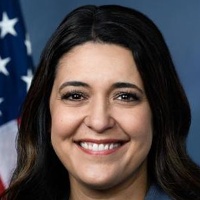
Stephanie Bice
Representative
OK
Stephanie Bice
Representative
OK
The Agriculture and National Security Act of 2026 formally recognizes food and agriculture as critical to national security. This bill establishes a Senior Advisor for National Security within the USDA to prioritize national security concerns alongside homeland security. It also mandates regular reporting to Congress on identified vulnerabilities, such as foreign influence and data control, and authorizes personnel exchanges with key defense and intelligence agencies.
This bill mandates that state Medicaid programs cover whole genome and whole exome sequencing for children with specific medical needs starting in 2027.
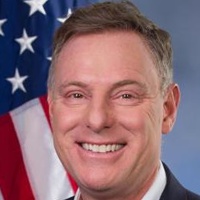
Scott Peters
Representative
CA
Scott Peters
Representative
CA
The Genomic Answers for Children’s Health Act of 2026 mandates that state Medicaid programs cover whole genome and whole exome sequencing for children with specific medical conditions, effective January 1, 2027. This sequencing is to be covered as a first-tier diagnostic test for genetic disorders, rare diseases, or conditions of unknown origin. The bill also directs the HHS Secretary to promote awareness and address implementation challenges for this new mandatory benefit.
The SHIELD Act amends PURPA to establish new cost recovery standards and grid reliability priorities for electric utilities serving large load facilities exceeding 75 megawatts.
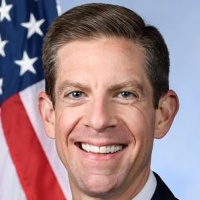
Mike Levin
Representative
CA
Mike Levin
Representative
CA
The SHIELD Act amends PURPA to establish new standards for electric utilities concerning "large load facilities" (over 75 MW). It mandates that these facilities fully cover the costs of any necessary grid upgrades to meet their demand. Furthermore, the bill prioritizes service requests from these facilities if they agree to implement demand reduction measures during peak times and meet their energy needs with zero-emission sources.
This Act prohibits the federal government from taking investigative, regulatory, or enforcement actions against persons or entities if those actions are substantially motivated by the target's constitutionally protected speech or political participation.
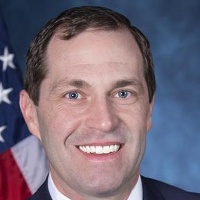
Jason Crow
Representative
CO
Jason Crow
Representative
CO
The No Political Enemies Act prohibits the federal government from initiating investigative, regulatory, or enforcement actions against individuals or entities if those actions are substantially motivated by the person's constitutionally protected speech or political participation. The bill establishes an affirmative defense for defendants facing such politically motivated actions and allows covered persons to sue federal officials for damages or seek injunctions against targeting based on protected speech. Furthermore, it mandates regular reporting from the Department of Justice to Congress regarding sensitive investigations and prosecutions.
This bill impeaches Secretary of Homeland Security Kristi Lynn Arnold Noem for high crimes and misdemeanors, citing willful refusal to comply with oversight law, violating the Impoundment Control Act, directing unlawful ICE misconduct, and misusing federal funds for personal gain.
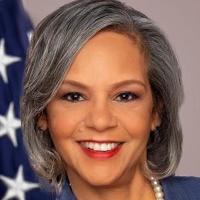
Robin Kelly
Representative
IL
Robin Kelly
Representative
IL
This resolution initiates impeachment proceedings against Secretary of Homeland Security Kristi Lynn Arnold Noem for high crimes and misdemeanors. The articles of impeachment charge her with willfully refusing to comply with Congressional oversight laws and violating the Impoundment Control Act by improperly withholding funds. Further articles allege she directed widespread misconduct by ICE agents that violated federal law and constitutional rights, and misused taxpayer funds for personal gain through improper contracting.
This bill modifies deposits into the Crime Victims Fund by excluding certain False Claims Act recoveries and mandates an Inspector General audit of the Fund's sustainability.
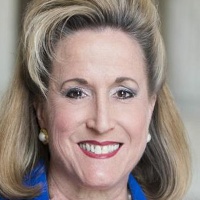
Ann Wagner
Representative
MO
Ann Wagner
Representative
MO
This bill amends the Victims of Crime Act of 1984 to temporarily exclude certain False Claims Act recoveries from being deposited into the Crime Victims Fund through fiscal year 2029. It also mandates a comprehensive audit by the Department of Justice Inspector General on the Fund's sustainability and the impact of recent legislative changes. The resulting report will provide recommendations for improving the Fund's effectiveness and oversight.
This act prohibits the use of federal funds and official action for any invasion of NATO member territory.
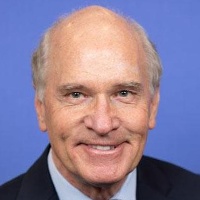
William Keating
Representative
MA
William Keating
Representative
MA
The **No Funds for NATO Invasion Act** prohibits the use of any federal funds for an invasion of any territory belonging to a member nation of the North Atlantic Treaty Organization (NATO). Furthermore, the bill bars U.S. officials from taking any action to execute such an invasion.
This act authorizes eligible public libraries to become passport acceptance facilities and retain the associated execution fees.
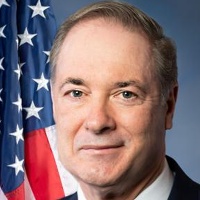
John Joyce
Representative
PA
John Joyce
Representative
PA
The Community Passport Services Access Act authorizes eligible public libraries to serve as official passport acceptance facilities. This allows these libraries to collect and retain the associated execution fee for processing passport applications. The bill ensures that libraries already performing this function can continue to do so.
This bill mandates regular federal reporting on the air quality, water usage, and electricity consumption impacts of data centers across the United States.
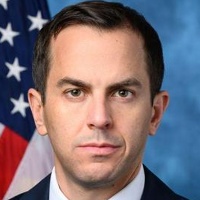
Robert Menendez
Representative
NJ
Robert Menendez
Representative
NJ
The Data Center Transparency Act establishes new federal reporting requirements to monitor the environmental and energy impacts of data centers across the United States. This legislation mandates regular reports from the EPA detailing data center water consumption, reuse, and pollution discharge, as well as reports from the EIA on total electricity consumption broken down by state. These measures aim to provide transparency regarding how data centers affect local air quality, water resources, and household energy costs.