Legislative Activity
Track Chrissy's sponsored bills, co-sponsored legislation, and voting record
The Love Lives On Act of 2025 ensures that surviving spouses of veterans and service members retain their earned dependency compensation, survivor benefits, and TRICARE eligibility regardless of remarriage.
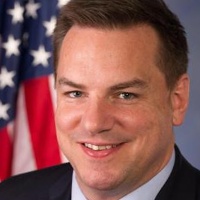
Richard Hudson
Representative
NC
Richard Hudson
Representative
NC
The Love Lives On Act of 2025 ensures that surviving spouses of veterans and service members retain their earned benefits, including dependency and indemnity compensation, educational assistance, and Survivor Benefit Plan annuities, regardless of remarriage. Additionally, the bill expands TRICARE eligibility to include widows and widowers whose subsequent marriages have ended. This legislation protects the financial security and healthcare access of surviving families by removing penalties associated with remarriage.
The Right to Contraception Act establishes a federal right to obtain and use contraception and prohibits government interference with access to contraceptive services and information.

Lizzie Fletcher
Representative
TX
Lizzie Fletcher
Representative
TX
The Right to Contraception Act establishes a federal right for individuals to access and use contraception without government interference. It prohibits federal and state governments from enacting laws that restrict access to contraceptives or the provision of related services. The Act provides clear enforcement mechanisms, allowing individuals and the Attorney General to sue to strike down any rule that violates these protections.
This legislation extends and expands federal programs through 2030 to support the mental health, well-being, and professional resilience of the health care workforce.

Debbie Dingell
Representative
MI
Debbie Dingell
Representative
MI
The Dr. Lorna Breen Health Care Provider Protection Reauthorization Act extends and strengthens critical federal programs designed to support the mental health and well-being of the health care workforce. The bill mandates annual awareness initiatives and expands grant eligibility to organizations focused on reducing administrative burdens for medical professionals. These programs are now authorized through fiscal year 2030 to ensure continued support for reducing burnout and promoting mental health services.
This bill provides a 6.62 percent Medicare payment increase for physicians and practitioners from April through December 2025 to help stabilize medical practices.
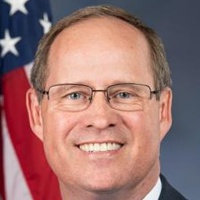
Gregory Murphy
Representative
NC
Gregory Murphy
Representative
NC
The Medicare Patient Access and Practice Stabilization Act of 2025 aims to support healthcare providers by extending Medicare payment adjustments through the end of 2025. Specifically, the bill provides a 6.62 percent payment increase for services rendered between April 1, 2025, and December 31, 2025, to help practitioners adjust to evolving Medicare payment policies.
The SAFE Act amends the Controlled Substances Act to permanently classify fentanyl-related substances as Schedule I drugs while establishing streamlined research registration processes and revised sentencing guidelines.

Chris Pappas
Representative
NH
Chris Pappas
Representative
NH
The SAFE Act amends the Controlled Substances Act to permanently classify fentanyl-related substances as Schedule I drugs, providing a clear legal framework for their regulation. The bill updates penalty thresholds for the manufacturing, importation, and trafficking of these substances while establishing a scientific process for their potential rescheduling or removal. Additionally, it streamlines registration requirements for researchers to facilitate legitimate medical and scientific study of these compounds.
The Global Health, Empowerment and Rights Act prevents the U.S. government from denying foreign aid to nongovernmental organizations based on the legal health services they provide or the advocacy they conduct using their own private funds.
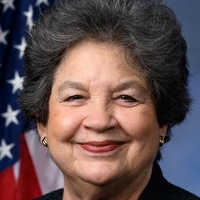
Lois Frankel
Representative
FL
Lois Frankel
Representative
FL
The Global Health, Empowerment and Rights Act prevents the U.S. government from denying foreign aid to nongovernmental organizations based on the legal health services they provide using their own private funds. It ensures that these organizations are not penalized for offering counseling or referrals that comply with local laws. Additionally, the bill prohibits the imposition of restrictive advocacy and lobbying requirements on these groups that exceed those applied to U.S.-based organizations.
This bill expresses the House of Representatives' desire to keep the United States Postal Service (USPS) as an independent entity within the Federal Government, protecting it from privatization. It emphasizes the USPS's importance to the mailing industry, its role in connecting communities, and the potential negative impacts of privatization on prices, services, and infrastructure.
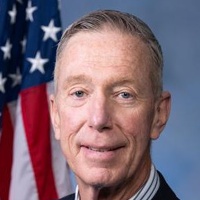
Stephen Lynch
Representative
MA
Stephen Lynch
Representative
MA
This bill expresses the House of Representatives' view that Congress should act to maintain the United States Postal Service (USPS) as an independent entity within the Federal Government. It emphasizes the USPS's role as a self-sustaining service vital to the economy and national connectivity. The resolution discourages privatization, citing concerns about increased costs, reduced services, and damage to critical infrastructure.
This bill recognizes the significant contributions of tax-exempt fraternal benefit societies to communities across the United States through charitable activities, volunteer work, and financial support for their members, and expresses Congressional support for their continued promotion.
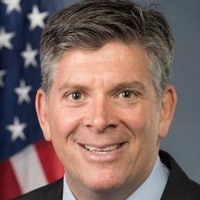
Darin LaHood
Representative
IL
Darin LaHood
Representative
IL
This bill recognizes the significant historical and ongoing contributions of tax-exempt fraternal benefit societies to communities across the United States through charitable activities, volunteer work, and financial support for members. It expresses the sense of Congress that these societies are a valuable support system that addresses unmet needs and generates substantial returns to the U.S. through their tax-exempt status. The bill also advocates for the continued promotion of fraternal benefit societies.
This bill directs the U.S. Holocaust Memorial Museum to conduct a comprehensive study and report to Congress on the current state and effectiveness of Holocaust education in public elementary and secondary schools across the United States.
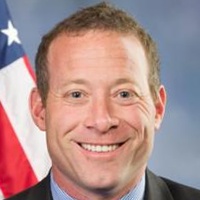
Josh Gottheimer
Representative
NJ
Josh Gottheimer
Representative
NJ
The Holocaust Education and Antisemitism Lessons Act directs the U.S. Holocaust Memorial Museum to conduct a comprehensive study of Holocaust education in public elementary and secondary schools across the United States. This study will evaluate current curriculum standards, teaching methods, and available resources to identify gaps and improve how students learn about the Holocaust and the history of antisemitism. The findings will be compiled into a report submitted to Congress to help strengthen educational efforts in preventing hate and bigotry.
This bill protects service members from negative performance evaluations during extended parental leave and grants them greater flexibility to use that leave within two years of a child's arrival.
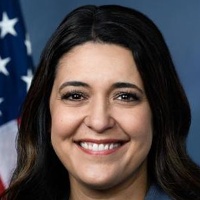
Stephanie Bice
Representative
OK
Stephanie Bice
Representative
OK
The Protecting Military Parental Leave Evaluations Act ensures service members are not penalized for taking extended parental leave by exempting them from performance evaluations during absences longer than 31 days. Additionally, the bill provides greater flexibility by allowing members to utilize parental leave at any point within two years of a child's birth or placement without requiring a waiver.
The WISER Act of 2025 provides discharge status upgrades and a one-time $25,000 compensation benefit to women veterans who were involuntarily separated from military service under Executive Order 10240.
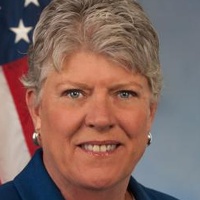
Julia Brownley
Representative
CA
Julia Brownley
Representative
CA
The WISER Act of 2025 provides long-overdue recognition and support for women veterans who were involuntarily separated from military service under Executive Order 10240 between 1951 and 1976. This legislation establishes a formal process to upgrade the discharge status of these veterans to ensure they receive full access to VA benefits. Additionally, it authorizes a one-time $25,000 compensation payment to eligible veterans or their surviving spouses.
The Chiropractic Medicare Coverage Modernization Act of 2025 expands Medicare coverage to include all services provided by doctors of chiropractic that are within the scope of their state licensure.
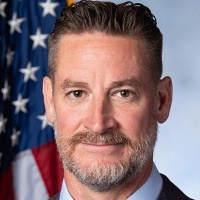
W. Steube
Representative
FL
W. Steube
Representative
FL
The Chiropractic Medicare Coverage Modernization Act of 2025 expands Medicare coverage to include all services legally authorized under a chiropractor’s state license, moving beyond the current restriction limited to manual spinal manipulation. This legislation aligns Medicare benefits with private insurance and other federal health programs to better reflect modern chiropractic practice. To provide these expanded services, chiropractors will be required to complete a one-time training program verified by the Secretary of Health and Human Services.
The Veterans Member Business Loan Act amends the Federal Credit Union Act to include loans made to veterans within the definition of "member business loans."
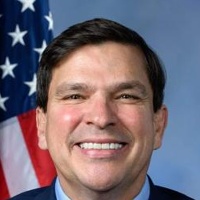
Vicente Gonzalez
Representative
TX
Vicente Gonzalez
Representative
TX
The Veterans Member Business Loan Act amends the Federal Credit Union Act to include loans made to veterans within the definition of "member business loans." This change aims to expand access to capital for veteran-owned businesses by facilitating easier lending through credit unions.
The Combating Cartels on Social Media Act of 2025 directs federal agencies to assess and develop a national strategy to counter the use of social media and digital platforms by transnational criminal organizations for illicit recruitment and operations.
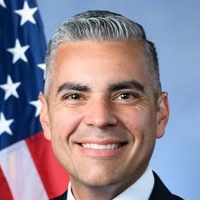
Juan Ciscomani
Representative
AZ
Juan Ciscomani
Representative
AZ
The Combating Cartels on Social Media Act of 2025 directs federal agencies to assess and counter the use of social media and digital platforms by transnational criminal organizations for illicit recruitment and operations. The bill mandates the development of a comprehensive national strategy to improve interagency coordination, enhance intelligence analysis, and foster community outreach. This initiative aims to disrupt criminal activities—such as human and narcotics trafficking—while ensuring the protection of civil rights, privacy, and civil liberties.
This Act directs the Secretary of the Treasury to mint commemorative coins in 2028 to honor the diverse women who served on the Home Front during World War II, with proceeds supporting the Rosie the Riveter WWII Home Front National Historical Park.

John Garamendi
Representative
CA
John Garamendi
Representative
CA
The Rosie the Riveter Commemorative Coin Act directs the Secretary of the Treasury to mint and issue a series of commemorative coins in 2028 to honor the diverse women who served on the Home Front during World War II. Proceeds from the sale of these coins will support the Rosie the Riveter Trust in its efforts to maintain the Rosie the Riveter/WWII Home Front National Historical Park and fund educational programs. This initiative ensures the legacy of these essential workers is preserved and recognized through a national numismatic program.
This bill prohibits the Department of Education from using appropriated funds to reorganize, decentralize, or reduce its current staffing and operational structure.
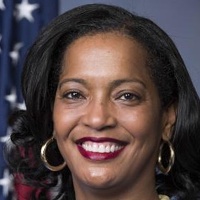
Jahana Hayes
Representative
CT
Jahana Hayes
Representative
CT
The Department of Education Protection Act prohibits the Department of Education from using federal funds to reorganize, decentralize, or reduce its staffing and operations. This legislation mandates that the Department must maintain the structure, authority, and functions that were in place as of January 1, 2025.
The CHILD Act of 2025 increases the pre-tax contribution limit for dependent care flexible spending accounts to $10,000 and mandates annual inflation adjustments to help families manage rising childcare costs.
Stephanie Bice
Representative
OK
Stephanie Bice
Representative
OK
The CHILD Act of 2025 aims to lower childcare costs by doubling the maximum pre-tax contribution limits for dependent care flexible spending accounts to $10,000 for most filers. Additionally, the bill mandates annual inflation adjustments to these limits to ensure they keep pace with rising costs. These changes take effect starting with the 2025 tax year.
The TRUST in Congress Act requires Members of Congress, their spouses, and their dependent children to place certain investment assets into qualified blind trusts to prevent conflicts of interest.
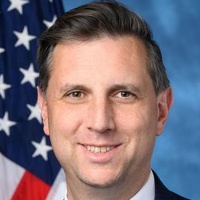
Seth Magaziner
Representative
RI
Seth Magaziner
Representative
RI
The TRUST in Congress Act requires Members of Congress, their spouses, and their dependent children to place covered financial investments into qualified blind trusts to prevent conflicts of interest. The bill establishes strict deadlines for asset transfers and mandates public certification of compliance. These measures ensure that lawmakers cannot influence or benefit from their personal investments while serving in office.
The Health Care Affordability Act of 2025 expands access to premium tax credits by removing income eligibility caps and implementing a new sliding-scale contribution formula.

Lauren Underwood
Representative
IL
Lauren Underwood
Representative
IL
The Health Care Affordability Act of 2025 expands access to health insurance by removing the 400% federal poverty level income cap for premium tax credits. It also introduces a new sliding-scale contribution formula to ensure that insurance costs remain affordable for households across all income levels. These changes are set to take effect for taxable years beginning after December 31, 2025.
The One School, One Nurse Act of 2025 establishes a federal grant program to help schools recruit, hire, and retain full-time registered nurses to ensure every student has access to essential health services.
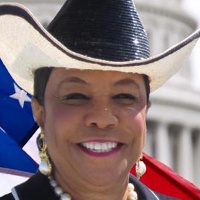
Frederica Wilson
Representative
FL
Frederica Wilson
Representative
FL
The One School, One Nurse Act of 2025 establishes a competitive federal grant program to help states and school districts hire and retain full-time registered nurses. By providing funding to address staffing shortages, the bill aims to ensure every elementary and secondary school has at least one full-time nurse to improve student health outcomes and academic success. Priority is given to high-need school districts and efforts to increase diversity within the school nursing profession.