
Legislative Activity
Track Kevin's sponsored bills, co-sponsored legislation, and voting record
The "ORPHAN Cures Act" amends the Social Security Act to refine the orphan drug exclusion within the Drug Price Negotiation Program, modifying criteria for orphan drug designation.
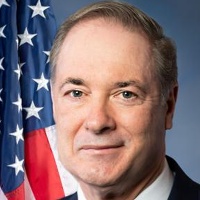
John Joyce
Representative
PA
John Joyce
Representative
PA
The "ORPHAN Cures Act" amends the Social Security Act to refine the orphan drug exclusion within the Drug Price Negotiation Program. It excludes time periods when a drug was designated as an orphan drug from counting towards its eligibility for price negotiation. The bill also modifies the criteria for orphan drug designation, allowing it to apply to drugs treating "one or more rare diseases or conditions" instead of "only one rare disease or condition."
The Dismantle DEI Act of 2025 immediately rescinds federal diversity, equity, and inclusion (DEI) mandates across executive offices, contracting, grants, and education, while banning related training and imposing penalties for non-compliance.
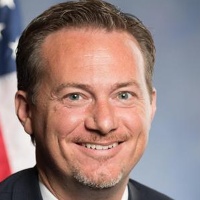
Michael Cloud
Representative
TX
Michael Cloud
Representative
TX
The Dismantle DEI Act of 2025 aims to immediately rescind diversity, equity, and inclusion (DEI) mandates across the federal government, including shutting down related offices and banning specific ideological training for federal personnel and contractors. The bill prohibits the use of federal funds for DEI activities by grant recipients and mandates that federal advisory committees cease all such practices or face termination. Furthermore, it establishes strong enforcement mechanisms, allowing individuals to sue violators and seek financial penalties for non-compliance.
The Educational Choice for Children Act of 2025 establishes federal tax credits for contributions to scholarship-granting organizations, providing lower- and middle-income families with financial support for K–12 educational expenses.

Adrian Smith
Representative
NE
Adrian Smith
Representative
NE
The Educational Choice for Children Act of 2025 establishes federal tax credits for individuals and corporations that contribute to scholarship-granting organizations. These organizations provide K–12 education scholarships to students from lower- and middle-income households to cover tuition, tutoring, and other qualified educational expenses. The bill also protects the autonomy of participating schools and scholarship organizations from government interference while ensuring that scholarship funds remain tax-free for recipient families.
The REVIVE VI Act amends the tax code to exclude certain income earned from services performed in the U.S. Virgin Islands from the calculation of global intangible low-taxed income (GILTI).
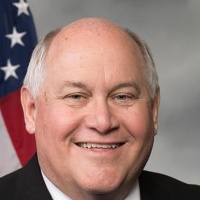
Ron Estes
Representative
KS
Ron Estes
Representative
KS
The Restore Economic Vitality and Investment in the Virgin Islands (REVIVE VI) Act aims to stimulate local economic growth by providing targeted tax relief for qualifying U.S. shareholders. The bill amends the Internal Revenue Code to exclude certain income derived from services performed in the U.S. Virgin Islands from the calculation of global intangible low-taxed income (GILTI). This measure is designed to incentivize investment and business activity within the territory.
The Educational Choice for Children Act of 2025 establishes a federal tax credit for donations to scholarship-granting organizations to help families fund K-12 educational expenses, including private school tuition and homeschooling costs.
Adrian Smith
Representative
NE
Adrian Smith
Representative
NE
The Educational Choice for Children Act of 2025 establishes a federal tax credit for donations to scholarship-granting organizations, which provide financial assistance for K-12 educational expenses. This initiative aims to expand school choice by helping eligible families cover costs such as tuition, tutoring, and educational therapies. The bill also includes robust protections to ensure the autonomy of participating private and religious schools and the freedom of parents to direct their children's education.
The Born-Alive Abortion Survivors Protection Act requires health care practitioners to provide the same level of care to infants born alive after an abortion attempt as they would to any other newborn, mandating immediate hospitalization and imposing penalties for violations, while protecting the mother from prosecution. It also allows the mother of a child born alive to file a civil action against anyone who violated the act.

Ann Wagner
Representative
MO
Ann Wagner
Representative
MO
The "Born-Alive Abortion Survivors Protection Act" ensures that infants born alive after an abortion receive the same medical care as any other newborn, mandating immediate hospitalization and requiring healthcare practitioners to report any failures to comply. Violators face fines, imprisonment, and potential prosecution for homicide or attempted homicide, while the mother of the child cannot be prosecuted. The bill also allows the woman who had the abortion to file a civil action against anyone who violated the act. It defines abortion and attempts at abortion, and renames "Partial-Birth Abortions" to "Abortions" in relevant sections of the U.S. Code.
This bill amends the Internal Revenue Code to allow corporations to deduct intangible drilling and development costs when calculating adjusted financial statement income for the corporate alternative minimum tax.

Mike Carey
Representative
OH
Mike Carey
Representative
OH
The Promoting Domestic Energy Production Act revises corporate tax accounting rules to incentivize domestic energy investment. By allowing corporations to deduct intangible drilling and development costs when calculating their alternative minimum tax, the bill aims to reduce the tax burden on energy producers.
This bill seeks to nullify the FDA’s 2023 modifications to the risk evaluation and mitigation strategy for the abortion medication mifepristone and prohibits the implementation of similar future requirements.

Diana Harshbarger
Representative
TN
Diana Harshbarger
Representative
TN
This bill seeks to nullify the Food and Drug Administration’s January 2023 modifications to the risk evaluation and mitigation strategy (REMS) for the abortion medication mifepristone. Additionally, it prohibits the Secretary of Health and Human Services from implementing any future safety requirements that are substantially similar to those nullified changes.
The SAVE Moms and Babies Act of 2025 prohibits the FDA from approving new abortion drugs and imposes strict federal restrictions on the distribution, usage, and reporting requirements for existing abortion medications.
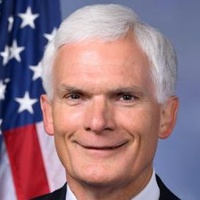
Robert Latta
Representative
OH
Robert Latta
Representative
OH
The SAVE Moms and Babies Act of 2025 prohibits the FDA from approving new abortion drugs and restricts the use of existing ones. The bill mandates strict safety protocols, including in-person administration requirements, expanded adverse event reporting, and limitations on gestational age for drug use.
The Main Street Tax Certainty Act makes the 20% pass-through business income deduction permanent by removing its scheduled expiration after 2025.
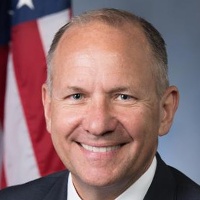
Lloyd Smucker
Representative
PA
Lloyd Smucker
Representative
PA
The Main Street Tax Certainty Act makes the 20% pass-through business income deduction permanent. By removing the current 2025 expiration date, this legislation ensures long-term tax relief for owners of qualified pass-through entities.
This bill prohibits federal funding for abortions and for health insurance plans that cover abortions, clarifies these prohibitions under the Affordable Care Act, and requires health plans to disclose the extent of their abortion coverage and any related surcharges.
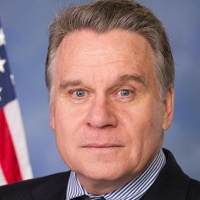
Christopher Smith
Representative
NJ
Christopher Smith
Representative
NJ
The "No Taxpayer Funding for Abortion and Abortion Insurance Full Disclosure Act of 2025" seeks to prohibit the use of federal funds for abortions and for health plans that cover abortions, while allowing individuals and entities to purchase separate abortion coverage with non-federal funds. It clarifies that premium tax credits and cost-sharing reductions under the Affordable Care Act (ACA) cannot be used for health plans that include abortion coverage. The Act also revises notice requirements for health plans, mandating clear disclosure of abortion coverage and any associated premium surcharges to enrollees. Exceptions to the funding restrictions are included for cases of rape, incest, or when the mother's life is in danger.
The Chemical Tax Repeal Act eliminates federal excise taxes on specific chemicals and substances, effective January 1, 2024.

Beth Van Duyne
Representative
TX
Beth Van Duyne
Representative
TX
The Chemical Tax Repeal Act eliminates existing excise taxes on specific chemicals and substances. By amending the Internal Revenue Code, this legislation removes these financial burdens effective January 1, 2024.
The Defending American Jobs and Investment Act establishes a retaliatory tax and enforcement framework to penalize foreign countries that impose extraterritorial or discriminatory taxes on U.S. businesses and individuals.

Jason Smith
Representative
MO
Jason Smith
Representative
MO
The Defending American Jobs and Investment Act establishes a formal enforcement mechanism to counter foreign taxes that are extraterritorial or discriminatory toward U.S. interests. The bill mandates that the Treasury Secretary identify offending countries and engage in bilateral negotiations to seek the repeal of these taxes. Should these policies persist, the Act authorizes escalating retaliatory measures, including increased U.S. tax rates for citizens and corporations of the offending nation, as well as potential federal procurement restrictions.
The ALIGN Act permanently establishes 100 percent bonus depreciation for qualified business property, eliminating scheduled phase-downs to encourage long-term capital investment.
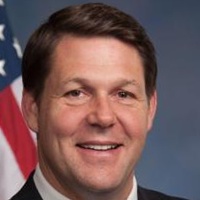
Jodey Arrington
Representative
TX
Jodey Arrington
Representative
TX
The ALIGN Act makes 100% "bonus depreciation" permanent for qualified business property, eliminating scheduled phase-downs to encourage long-term capital investment. By allowing businesses to fully expense these investments immediately, the bill provides a consistent tax incentive for growth. These changes apply retroactively to ensure stability for businesses that have invested in equipment and property since 2017.
This bill increases the railroad track maintenance tax credit, introduces annual inflation adjustments, and extends the eligibility period for qualifying expenditures.

Mike Kelly
Representative
PA
Mike Kelly
Representative
PA
This bill amends the Internal Revenue Code to expand the railroad track maintenance credit by increasing the per-mile tax credit to $6,100 and implementing annual inflation adjustments starting in 2026. It also extends the eligibility window for qualifying maintenance expenditures to include costs incurred through 2023. These updates aim to provide greater financial support for ongoing railroad infrastructure improvements.
The Chiropractic Medicare Coverage Modernization Act of 2025 expands Medicare coverage to include all services provided by doctors of chiropractic that are within the scope of their state licensure.
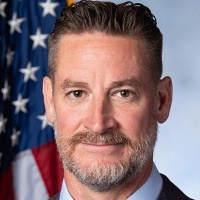
W. Steube
Representative
FL
W. Steube
Representative
FL
The Chiropractic Medicare Coverage Modernization Act of 2025 expands Medicare coverage to include all services legally authorized under a chiropractor’s state license, moving beyond the current restriction limited to manual spinal manipulation. This legislation aligns Medicare benefits with private insurance and other federal health programs to better reflect modern chiropractic practice. To provide these expanded services, chiropractors will be required to complete a one-time training program verified by the Secretary of Health and Human Services.
* **Title I:** Reduces taxes on Taiwanese residents and businesses operating in the U.S., contingent upon Taiwan offering reciprocal benefits to U.S. individuals and companies. * **Title II:** Authorizes the President to negotiate a tax agreement with Taiwan to avoid double taxation, subject to Congressional approval and adherence to U.S. tax laws.
Jason Smith
Representative
MO
Jason Smith
Representative
MO
The United States-Taiwan Expedited Double-Tax Relief Act aims to reduce double taxation and encourage economic activity between the U.S. and Taiwan by lowering tax rates on certain income for Taiwanese residents and businesses in the U.S., contingent upon Taiwan offering reciprocal benefits to U.S. individuals and companies. Additionally, the United States-Taiwan Tax Agreement Authorization Act outlines the process for establishing a tax agreement with Taiwan, ensuring congressional oversight and adherence to existing U.S. tax laws, to further reduce double taxation.
This bill reclassifies silencers under federal tax law, removes federal registration requirements for legally transferred silencers, preempts state taxation and registration of silencers in commerce, and mandates the destruction of existing federal silencer registration records.

Ben Cline
Representative
VA
Ben Cline
Representative
VA
The Hearing Protection Act aims to remove silencers from the purview of the National Firearms Act (NFA) by treating them similarly to standard firearms under federal tax law. This legislation preempts certain state and local taxes and registration requirements related to silencers involved in interstate commerce. Furthermore, the bill mandates the destruction of existing federal silencer registration records and updates federal marking requirements for manufacturers.
The FAIR PREP Act of 2025 prohibits the Treasury Secretary from developing or operating government-run electronic tax preparation services, excluding existing programs like IRS Free File.
Adrian Smith
Representative
NE
Adrian Smith
Representative
NE
The FAIR PREP Act of 2025 prohibits the IRS from developing or operating its own electronic tax preparation and filing services. The bill restricts the Treasury Secretary from preparing tax returns or refund claims, while explicitly protecting existing programs like IRS Free File and volunteer tax assistance services. Additionally, it prevents the use of federal funds for the development of new government-run tax preparation systems without explicit congressional authorization.
This bill amends Title IX to prohibit schools receiving federal funds from allowing males to participate in female athletic programs, defining "sex" as determined at birth, while allowing males to train with female teams if it doesn't deprive females of opportunities or benefits. It also requires a study on the impact of male participation in female sports.
W. Steube
Representative
FL
W. Steube
Representative
FL
The "Protection of Women and Girls in Sports Act of 2025" amends Title IX to prohibit schools receiving federal funds from allowing males to participate in female athletic programs. Sex is defined as based on reproductive biology and genetics at birth. The bill allows males to train with female teams if it doesn't deprive females of opportunities. It also requires a study on the benefits lost to women when males participate in female sports.