Legislative Activity
Track Kevin's sponsored bills, co-sponsored legislation, and voting record
This Act authorizes livestock producers and their employees to take certain black vultures that threaten their livestock, with the exception of using poison, and requires annual reporting of such actions.
John Rose
Representative
TN
John Rose
Representative
TN
The Black Vulture Relief Act authorizes livestock producers and their employees to take action against black vultures that pose an imminent threat to their livestock. This permission overrides certain existing regulations but strictly prohibits the use of poison. Those who take vultures under this authority must submit an annual report to the U.S. Fish and Wildlife Service once the required reporting form is made available.
This bill authorizes the creation and sale of commemorative coins for the 2028 Los Angeles and 2034 Salt Lake City Olympic and Paralympic Games to help fund the events, with all surcharges going to the respective organizing committees after covering production costs.
Brad Sherman
Representative
CA
Brad Sherman
Representative
CA
This Act authorizes the Secretary of the Treasury to mint and sell special commemorative coins for the 2028 Los Angeles Olympic and Paralympic Games and the 2034 Salt Lake City Winter Olympic and Paralympic Games. The coins will feature designs celebrating American athletes and the Games themselves. All surcharges collected from the sale of these coins will be directed to the respective organizing committees to help fund the events and related youth sports programs. The entire program must be conducted at no cost to the U.S. Government.
This bill mandates quarterly rebates from manufacturers of selected drugs based on the difference between standard Medicare payment rates and the negotiated Maximum Fair Price, while adjusting beneficiary coinsurance accordingly.
Gregory Murphy
Representative
NC
Gregory Murphy
Representative
NC
This bill, the Protecting Patient Access to Cancer and Complex Therapies Act, establishes a new mandatory rebate system for manufacturers of certain drugs selected for Maximum Fair Price (MFP) negotiation under Medicare. Manufacturers must pay quarterly rebates based on the difference between the standard Medicare payment and the lower negotiated MFP for units sold under Part B. These changes also adjust beneficiary coinsurance calculations to reflect the lower MFP, ensuring patient out-of-pocket costs are based on the negotiated price.
The Treat and Reduce Obesity Act of 2025 expands Medicare coverage for intensive behavioral therapy for obesity and mandates Part D coverage for certain weight management medications for eligible beneficiaries.
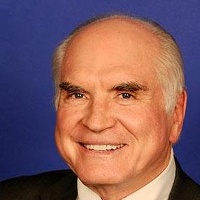
Mike Kelly
Representative
PA
Mike Kelly
Representative
PA
The Treat and Reduce Obesity Act of 2025 aims to combat the growing obesity epidemic, particularly among older adults, by expanding access to intensive behavioral therapy under Medicare. This bill mandates that Medicare Part D plans begin covering FDA-approved medications for obesity and weight management in individuals with related health conditions. Finally, it requires the Secretary of HHS to report regularly to Congress on the implementation and coordination of these new obesity treatment strategies.
The Medicare Patient Choice Act expands Medicare beneficiaries' right to choose their healthcare providers by explicitly including therapists and qualified audiologists alongside physicians and practitioners.
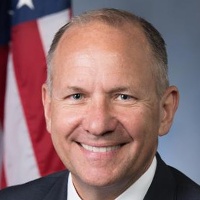
Lloyd Smucker
Representative
PA
Lloyd Smucker
Representative
PA
The Medicare Patient Choice Act expands the freedom of choice for Medicare beneficiaries by explicitly including therapists and qualified audiologists alongside physicians and practitioners in Medicare regulations. This amendment ensures patients can select these specific providers for their care under existing Medicare choice provisions. The bill formally defines the included therapist types (physical, occupational, and speech-language pathologists) for clarity.
The PAPA Act of 2025 restricts the use of ADS-B tracking data, limits government access to it, and establishes new public disclosure and spending requirements for airports imposing fees on general aviation aircraft.
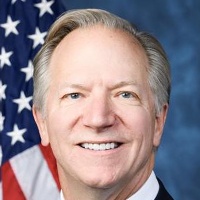
Robert Onder
Representative
MO
Robert Onder
Representative
MO
The Pilot and Aircraft Privacy Act of 2025 (PAPA Act) restricts the use of Automatic Dependent Surveillance-Broadcast (ADS-B) data to prevent unauthorized revenue collection and limits access by federal, state, and local government officials. The bill also establishes new public disclosure and oversight requirements for airports wishing to impose landing or takeoff fees specifically on general aviation aircraft. Any fees collected must be dedicated solely to airside safety projects.
This bill mandates increased public transparency regarding detailed Medicare spending data by HHS, requires MedPAC to conduct annual, apples-to-apples comparisons of Medicare Advantage and traditional Medicare expenditures, and updates the Trustees' annual report with categorized spending information.
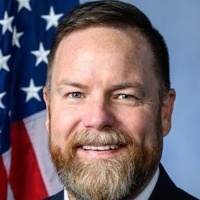
Aaron Bean
Representative
FL
Aaron Bean
Representative
FL
The Apples to Apples Comparison Act of 2025 mandates greater public transparency regarding Medicare spending by requiring the Secretary of HHS to publish detailed, machine-readable expenditure data broken down by county and beneficiary type. Furthermore, the bill requires the Medicare Payment Advisory Commission (MedPAC) to annually compare the average cost of Medicare Advantage enrollees versus traditional Medicare beneficiaries, accounting for plan differences and risk factors. Finally, the Medicare Trustees must also report detailed expenditure information categorized by specific beneficiary enrollment statuses.
This bill repeals specific Affordable Care Act provisions that limited Medicare exceptions to the prohibition on certain physician referrals to hospitals.
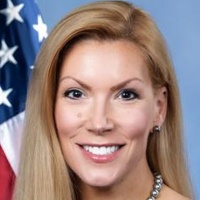
Beth Van Duyne
Representative
TX
Beth Van Duyne
Representative
TX
The Patient Access to Higher Quality Health Care Act of 2025 aims to repeal specific provisions within the Affordable Care Act and related legislation that limited exceptions to the prohibition on certain physician referrals to hospitals under Medicare. This action effectively restores pre-ACA rules regarding physician referrals for hospital services. The bill focuses on modifying existing Medicare regulations concerning physician-hospital relationships.
This bill prohibits federal health programs from using quality-adjusted life years (QALYs) in coverage decisions while also setting specific funding levels for the Prevention and Public Health Fund.
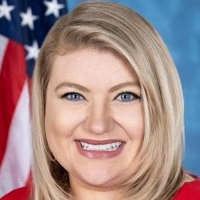
Katherine Cammack
Representative
FL
Katherine Cammack
Representative
FL
The Protecting Health Care for All Patients Act of 2025 bans federal health programs, including Medicare, Medicaid, and CHIP, from using Quality-Adjusted Life Years (QALYs) or similar metrics in coverage and payment decisions. This ensures that extending life for older, disabled, or terminally ill individuals is not valued less than for others. The bill also sets specific funding levels for the Prevention and Public Health Fund through fiscal year 2031 and mandates an annual report on QALYs' impact on individuals with intellectual and developmental disabilities.
This bill removes federal tax and registration requirements for firearm silencers, preempts certain state regulations, mandates the destruction of existing federal silencer owner records, and updates related definitions and marking requirements.
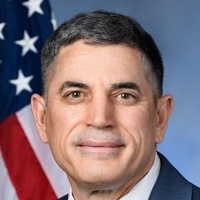
Andrew Clyde
Representative
GA
Andrew Clyde
Representative
GA
The Constitutional Hearing Protection Act aims to treat firearm silencers equally under federal tax law by updating definitions and removing certain registration requirements if existing firearm laws are followed. The bill also preempts state and local governments from imposing special taxes or registration burdens on silencers. Furthermore, it mandates the destruction of existing federal records identifying silencer owners within one year of enactment.
This bill establishes procedures for attributing errors and liabilities between employers and third-party payroll tax payors when filing payroll taxes.
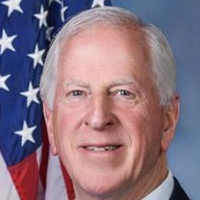
Mike Thompson
Representative
CA
Mike Thompson
Representative
CA
This bill establishes new procedures for the IRS when errors occur in payroll tax filings made by third-party payors, such as Professional Employer Organizations (PEOs). It clarifies the responsibility for resulting tax liabilities or penalties based on whether the payor relied on erroneous information provided by the employer. The legislation aims to fairly allocate responsibility between the employer and the third-party payor when mistakes happen during tax certification and filing.
This bill removes the current restriction preventing direct charitable rollovers from Individual Retirement Accounts (IRAs) to Donor Advised Funds (DAFs).

Adrian Smith
Representative
NE
Adrian Smith
Representative
NE
The IRA Charitable Rollover Facilitation and Enhancement Act of 2025 removes the current restriction preventing individuals from making direct charitable rollovers from their Individual Retirement Accounts (IRAs) to Donor Advised Funds (DAFs). This change immediately allows IRA owners to transfer retirement assets directly to DAFs for charitable purposes. The bill simplifies and enhances charitable giving options for IRA holders.
This bill drastically tightens and expands U.S. sanctions against Iran across its leadership, military, and economy while severely restricting the President's authority to lift these restrictions.
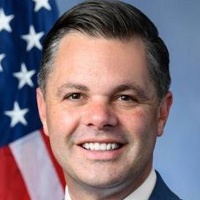
Zachary (Zach) Nunn
Representative
IA
Zachary (Zach) Nunn
Representative
IA
The Maximum Pressure Act dramatically tightens and expands U.S. sanctions against Iran across its military, missile, and economic sectors, codifying existing restrictions and severely limiting the President's authority to grant sanctions relief. It mandates immediate sanctions on top Iranian officials and increases penalties for international parties aiding Iran's weapons programs. Furthermore, the bill enhances oversight by requiring numerous detailed reports to Congress regarding Iran's terrorism financing, nuclear timeline, and economic influence, while also redirecting certain frozen Iranian funds to victims of state-sponsored terrorism.
This Act amends the Base Erosion and Anti-Abuse Tax (BEAT) rules to impose stricter regulations on U.S. companies connected to foreign entities subject to specific extraterritorial income taxes.
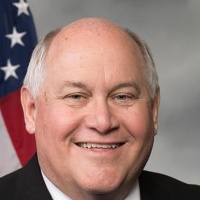
Ron Estes
Representative
KS
Ron Estes
Representative
KS
The Unfair Tax Prevention Act amends the Base Erosion and Anti-Abuse Tax (BEAT) rules to specifically target certain U.S. companies connected to foreign tax systems operating outside their direct jurisdiction. These "foreign-owned extraterritorial tax regime entities" will now be automatically subject to BEAT, with specific exceptions removed and a portion of their cost of goods sold automatically treated as a base erosion benefit. This legislation aims to close loopholes related to complex, indirect foreign ownership structures.
This bill mandates that Medicare provide equitable reimbursement for the transportation and setup of portable ultrasound equipment, mirroring current payments for portable X-ray services.
Beth Van Duyne
Representative
TX
Beth Van Duyne
Representative
TX
The Portable Ultrasound Reimbursement Equity Act of 2025 updates Medicare coverage to include diagnostic ultrasound tests. This legislation mandates that Medicare establish separate payments for the transportation and setup of portable ultrasound equipment, mirroring existing payments for portable X-ray services. These changes are set to take effect starting January 1, 2027.
The SHORT Act redefines "firearm" to exclude certain collector's items, eliminates disparate federal treatment of short-barreled rifles and shotguns, preempts state and local registration/tax burdens on these items, and mandates the destruction of certain existing NFA records.
Andrew Clyde
Representative
GA
Andrew Clyde
Representative
GA
The SHORT Act aims to reform federal firearms regulations by redefining what constitutes a "firearm" for tax purposes, largely excluding antique or collector's items. It eliminates disparate federal treatment for short-barreled rifles and shotguns used lawfully and preempts state and local governments from imposing special taxes or registration requirements on these specific weapons. Furthermore, the bill mandates the destruction of certain existing federal registration and transfer records related to defined firearms.
This bill establishes national reciprocity for concealed carry permits, allowing individuals legally permitted to carry in their home state to carry a handgun in any other state that allows concealed carry.
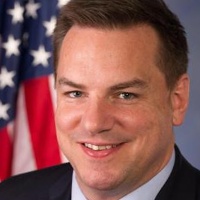
Richard Hudson
Representative
NC
Richard Hudson
Representative
NC
The Constitutional Concealed Carry Reciprocity Act of 2025 establishes a national standard for carrying concealed handguns across state lines. This act allows individuals legally permitted to carry in their home state to carry concealed in any other state that allows its residents to carry concealed firearms. The law does not override private property restrictions or prohibitions on government property, but it provides protections and legal recourse for those traveling in compliance with the new federal standard.
This bill revises physician self-referral rules to create a special exemption for certain rural, physician-owned hospitals and removes expansion restrictions for existing physician-owned hospitals.
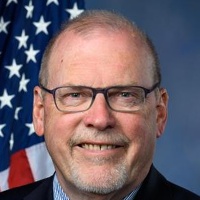
H. Griffith
Representative
VA
H. Griffith
Representative
VA
The Physician Led and Rural Access to Quality Care Act revises physician self-referral rules to improve healthcare access in underserved areas. Specifically, it creates a new exception allowing physician self-referrals to hospitals located in designated rural areas that meet specific distance requirements. Furthermore, the bill removes existing restrictions that previously limited the expansion of services at physician-owned hospitals.
This bill amends the Internal Revenue Code to increase the asset threshold for taxable REIT subsidiaries from 20 to 25 percent, effective for tax years beginning after December 31, 2025.
Mike Kelly
Representative
PA
Mike Kelly
Representative
PA
This bill amends the Internal Revenue Code to restore and modify the asset test for Real Estate Investment Trust (REIT) taxable REIT subsidiaries (TRSs). Specifically, it increases the allowable percentage for certain assets held by a TRS from 20 percent to 25 percent. This change will take effect for tax years beginning after December 31, 2025.
The Fair and Open Competition Act of 2025 prohibits the federal government from requiring or penalizing bidders or contractors on federally funded construction projects based on their agreement or non-agreement with labor unions.
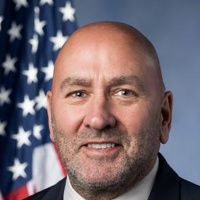
Clay Higgins
Representative
LA
Clay Higgins
Representative
LA
The Fair and Open Competition Act of 2025 ensures fair competition on federally funded construction projects by prohibiting the government from requiring or penalizing bidders based on union agreements. This legislation aims to keep federal agencies neutral in labor relations while promoting cost savings and opening opportunities for all businesses. Exceptions to this neutrality rule are strictly limited to specific public health, safety, or national security emergencies.