Legislative Activity
Track Clay's sponsored bills, co-sponsored legislation, and voting record
This Act abolishes FEMA, transfers its functions to the President, and establishes a new, state-focused disaster relief block grant program managed by the Treasury Secretary.
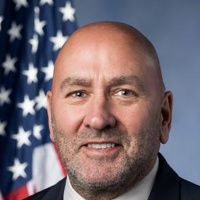
Clay Higgins
Representative
LA
Clay Higgins
Representative
LA
The Sovereign States Emergency Management Act abolishes FEMA, transferring its functions to the President within two years. It simultaneously establishes a new Disaster Relief Block Grant Program administered by the Treasury Secretary to provide direct funding to states for preparedness, response, and mitigation efforts. States must submit approved emergency management plans and detailed spending reports to receive and maintain these block grants.
This Act abolishes the EPA and redirects federal environmental funding to states through block grants, subject to annual review by the GAO.
Clay Higgins
Representative
LA
Clay Higgins
Representative
LA
This Act abolishes the Environmental Protection Agency (EPA) and transfers its environmental quality responsibilities to the states. It establishes a system where the Treasury Department distributes annual block grants to designated state environmental departments for programs covering air, water, and waste management. The Government Accountability Office (GAO) is required to conduct annual studies on the effectiveness of this new state-led system.
This act abolishes the Department of Education, transfers specific federal education programs to other agencies, and establishes new block grants administered by the Department of the Treasury for state-level K-12 and postsecondary education.
Clay Higgins
Representative
LA
Clay Higgins
Representative
LA
The Sovereign States Education Restoration Act abolishes the Department of Education and transfers its major programs, such as Pell Grants and IDEA, to other federal agencies like the Treasury and HHS. The bill then establishes new K-12 and postsecondary block grants administered by the Treasury Department, distributed to states based on student enrollment. Finally, the Department of Justice is tasked with enforcing applicable federal civil rights laws concerning these new grant programs.
This Act redirects federal Bureau of Prisons funding by establishing state block grants and reducing the BOP budget to its 2019 level.
Clay Higgins
Representative
LA
Clay Higgins
Representative
LA
The Sovereign States Bureau of Prisons Restructuring Act of 2025 establishes a new block grant program by reducing the Bureau of Prisons (BOP) funding to its fiscal year 2019 level. Fifty percent of the resulting savings will be distributed directly to states as block grants. This act mandates the Attorney General to develop and implement a plan for this funding shift within one year of enactment.
This bill establishes rigorous new federal requirements for certifying foreign seafood suppliers, mandates increased inspection and testing of all imported seafood, and allows states to partner with the FDA on enforcement.
Clay Higgins
Representative
LA
Clay Higgins
Representative
LA
The Imported Seafood Quality Enforcement Act significantly tightens safety standards for all seafood entering the U.S. by requiring foreign countries to have certified safety systems and mandating federal inspection and testing of at least 20% of all imported shipments annually. The bill establishes strict penalties for exporters who fail inspections, including temporary import bans, and allows the FDA to partner with states to expand inspection capabilities. Furthermore, it authorizes fees on exporters to fund these enhanced federal and state oversight operations.
This bill establishes pilot projects for the Department of Homeland Security to test advanced technologies, including AI, to improve the detection of contraband like fentanyl at U.S. land ports of entry.
Clay Higgins
Representative
LA
Clay Higgins
Representative
LA
The CATCH Fentanyl Act mandates the Department of Homeland Security to establish pilot projects at land ports of entry to test advanced inspection technologies, including those utilizing Artificial Intelligence. These tests aim to improve the detection of contraband like fentanyl while increasing inspection efficiency. The Secretary must report on the effectiveness of these technologies and provide recommendations for nationwide deployment within five years of enactment.
The Fair and Open Competition Act of 2025 prohibits the federal government from requiring or penalizing bidders or contractors on federally funded construction projects based on their agreement or non-agreement with labor unions.
Clay Higgins
Representative
LA
Clay Higgins
Representative
LA
The Fair and Open Competition Act of 2025 ensures fair competition on federally funded construction projects by prohibiting the government from requiring or penalizing bidders based on union agreements. This legislation aims to keep federal agencies neutral in labor relations while promoting cost savings and opening opportunities for all businesses. Exceptions to this neutrality rule are strictly limited to specific public health, safety, or national security emergencies.
This bill disapproves and nullifies the EPA's updates to regulations for new chemicals under the Toxic Substances Control Act.
Clay Higgins
Representative
LA
Clay Higgins
Representative
LA
This bill nullifies the Environmental Protection Agency's recent updates to regulations for new chemicals under the Toxic Substances Control Act (TSCA). By disapproving the rule, the bill prevents the EPA from implementing the changes outlined in the update.
This Act mandates the TSA to report to Congress on the current and emerging digital identity ecosystems in transportation, detailing their benefits, risks, and impact on national security and U.S. advantage.
Clay Higgins
Representative
LA
Clay Higgins
Representative
LA
The Emerging Digital Identity Ecosystem Report Act of 2025 mandates that the Transportation Security Administration (TSA) deliver a comprehensive report to Congress within 180 days. This report must analyze current and emerging digital identity systems within the transportation sector, detailing their benefits, risks, and impact on homeland security. The TSA is also required to incorporate input from various governmental and private stakeholders in its findings.
The Law Enforcement Protection and Privacy Act of 2025 protects law enforcement and firearm licensee information by amending FOIA, penalizing unauthorized disclosures, and allowing private lawsuits for damages.
Clay Higgins
Representative
LA
Clay Higgins
Representative
LA
The Law Enforcement Protection and Privacy Act of 2025 amends FOIA to protect sensitive firearms data, penalizes unauthorized disclosures of protected information by non-federal entities, and grants licensees the right to sue for damages resulting from such disclosures. It establishes financial penalties for improper disclosures and allows harmed parties to seek compensation in court. The act defines key terms and ensures that other legal remedies remain available.
The Federal Lands and Waters Leasing Transparency Act aims to increase transparency in oil and gas leasing by requiring reports on rejected bids, limiting court-ordered delays for onshore leases, and protecting offshore leases from legal challenges.
Clay Higgins
Representative
LA
Clay Higgins
Representative
LA
The Federal Lands and Waters Leasing Transparency Act aims to increase transparency in oil and gas leasing on federal lands and waters. It requires the Secretary of Interior to provide detailed reports to bidders on offshore oil and gas leases when their bids are rejected and protects existing leases from legal challenges. Additionally, the Act sets a 60-day deadline for the Secretary of Interior to issue onshore oil and gas leases, regardless of court orders, unless issuing the lease would violate federal law. Finally, the Act ensures that court findings of noncompliance in offshore lease sales do not invalidate existing leases or delay related development plans and permit applications.
This bill allows insurance companies to exclude income from real property insurance policies in federally declared disaster areas from their gross income for five years to help stabilize market availability.
Clay Higgins
Representative
LA
Clay Higgins
Representative
LA
The Restoring Competitive Property Insurance Availability Act aims to stabilize insurance markets by allowing qualifying insurance companies to exclude income from real property policies in federally declared disaster areas from their gross income. This tax relief applies for a five-year recovery period following a disaster, incentivizing providers to maintain coverage in affected regions. The measure is set to apply to disasters occurring after December 31, 2024.
This bill amends the Internal Revenue Code to require taxpayers to provide valid, work-authorized Social Security numbers for themselves and their qualifying children to claim the Child Tax Credit and Earned Income Tax Credit.
Clay Higgins
Representative
LA
Clay Higgins
Representative
LA
The Safeguarding American Workers’ Benefits Act updates eligibility requirements for the Child Tax Credit and the Earned Income Tax Credit. It mandates that taxpayers and qualifying children provide a valid Social Security number—issued to a U.S. citizen or work-authorized noncitizen—before the tax return due date to claim these benefits. These changes are set to take effect for tax years beginning after December 31, 2025.
This bill establishes a dedicated fund, financed by shrimp import duties, to enhance FDA safety inspections of imported shrimp and promote the consumption of domestic shrimp products.
Clay Higgins
Representative
LA
Clay Higgins
Representative
LA
The Imported Seafood Safety Standards Act establishes a dedicated fund to enhance the safety and oversight of imported shrimp while promoting the consumption of domestic products. Financed by 70 percent of duties collected on imported shrimp, the fund supports FDA inspection and enforcement efforts against antibiotic contamination and illegal labor practices. Additionally, the legislation allocates resources to the Department of Agriculture to actively encourage the purchase and consumption of U.S.-harvested shrimp.
The Offshore Lands Authorities Act of 2025 nullifies previous presidential withdrawals of unleased offshore lands and establishes strict new limitations and congressional oversight procedures for future executive leasing restrictions.
Clay Higgins
Representative
LA
Clay Higgins
Representative
LA
The Offshore Lands Authorities Act of 2025 nullifies several previous Presidential withdrawals of offshore lands, effectively reopening those areas to potential mineral leasing. The bill also establishes strict new limitations on the President’s authority to withdraw unleased offshore lands, including size and duration caps, mandatory resource assessments, and a streamlined congressional disapproval process.
This bill requires U.S. Customs and Border Protection to develop and implement data-driven staffing models to ensure adequate personnel and resources for Border Patrol, Air and Marine Operations, and the Office of Field Operations.
Clay Higgins
Representative
LA
Clay Higgins
Representative
LA
The CBP Workload Staffing Model Act mandates that U.S. Customs and Border Protection develop and implement data-driven staffing models to ensure the Border Patrol, Air and Marine Operations, and Office of Field Operations are adequately resourced. The bill requires the establishment of standardized workforce tracking procedures and mandates regular reporting to Congress to ensure transparency. Additionally, it tasks the Department of Homeland Security’s Inspector General with reviewing these models to ensure they meet operational requirements and address previous audit recommendations.
The Finish the Wall Act mandates the immediate resumption and completion of U.S.-Mexico border wall construction by September 2026 while ensuring full compliance with federal DNA collection requirements for detained individuals.
Clay Higgins
Representative
LA
Clay Higgins
Representative
LA
The "Finish the Wall Act" mandates the immediate resumption of border wall construction along the U.S.-Mexico border, requiring completion by September 30, 2026, using previously appropriated funds. The bill directs the Department of Homeland Security to execute comprehensive infrastructure and technology plans while honoring existing construction contracts. Additionally, it requires the agency to certify full compliance with federal DNA collection requirements for individuals in Customs and Border Protection custody.