This bill prohibits Members of Congress, their spouses, and dependent children from trading on prediction markets based on information learned through congressional service, with associated financial penalties for violations.
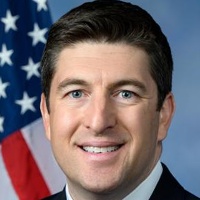
Bryan Steil
Representative
WI-1
This bill, the "Stop Lawmakers From Predicting Act," prohibits Members of Congress, their spouses, and dependent children from trading on prediction markets based on government policy, political outcomes, or information gained through congressional service. Violations result in significant financial penalties levied against the responsible Member, which cannot be paid using official or campaign funds. The supervising ethics office is tasked with issuing guidance and enforcing these new restrictions.
Congress Faces Betting Ban: New Bill Targets Lawmaker Profits on Prediction Markets
The 'Stop Lawmakers From Predicting Act' aims to close a loophole that currently allows politicians to bet on the very outcomes they help create. Specifically, the bill prohibits Members of Congress, their spouses, and their dependent children from participating in prediction markets—platforms where people wager money on the outcome of elections, policy shifts, or legislative votes. Starting 180 days after the bill is enacted, lawmakers and their immediate families will be barred from any contract that pays out based on government actions or political events, especially those they might have inside knowledge of due to their official duties. Think of it as a professional athlete being banned from betting on their own games; the goal is to ensure that those making the rules aren't also gambling on the results.
Closing the Digital Bookie
Under Section 2 of the bill, the ban covers any event a lawmaker learns about through their service, even if that event seems unrelated to their specific committee work. This is a significant step because prediction markets have exploded in popularity, allowing users to trade 'shares' in outcomes like whether a specific bill will pass or who will win a primary. For a regular person working a 9-to-5, it can feel like the deck is stacked when a politician can sit in a closed-door briefing and then potentially go online to profit from that information. By removing this temptation, the bill attempts to level the playing field and ensure that legislative decisions are made for the public good rather than a personal payout.
The Cost of Playing the Odds
The enforcement mechanism here has some real teeth. If a Member of Congress or their family member is caught trading, the lawmaker is on the hook for a penalty of either $2,000 or 10% of the transaction's value—whichever is higher. On top of that, they have to cough up any profit made from the trade. Crucially, the bill explicitly forbids using taxpayer-funded office accounts or campaign donations to pay these fines. This means the money has to come out of their own pockets, not from the donors who supported their run for office. If a Member tries to retire or resign to dodge a penalty, the bill allows the ethics office to hand the case over to the Department of Justice for further action.
Navigating the Gray Areas
While the bill is direct about the ban, there is some room for interpretation that might affect how it plays out in the real world. The 'supervising ethics office' is tasked with defining exactly which markets are covered and what counts as 'learning about an event through congressional service.' For example, if a lawmaker’s spouse hears a rumor at a D.C. dinner party that isn't technically 'official business,' does that count? The bill relies on future 'interpretive guidance' to clear up these medium-level vaguenesses. For the average citizen, the success of this law will depend on how strictly these offices define those terms and whether they can effectively monitor the digital accounts of congressional families to ensure the betting has truly stopped.