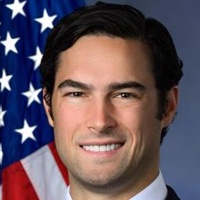
Legislative Activity
Track Brandon's sponsored bills, co-sponsored legislation, and voting record
This bill amends Title IX to prohibit schools receiving federal funds from allowing males to participate in female athletic programs, defining "sex" as determined at birth, while allowing males to train with female teams if it doesn't deprive females of opportunities or benefits. It also requires a study on the impact of male participation in female sports.
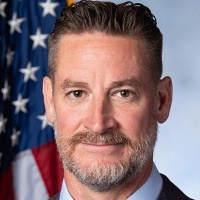
W. Steube
Representative
FL
W. Steube
Representative
FL
The "Protection of Women and Girls in Sports Act of 2025" amends Title IX to prohibit schools receiving federal funds from allowing males to participate in female athletic programs. Sex is defined as based on reproductive biology and genetics at birth. The bill allows males to train with female teams if it doesn't deprive females of opportunities. It also requires a study on the benefits lost to women when males participate in female sports.
The Justice for Rape Survivors Act establishes a 30-year federal mandatory minimum sentence for individuals convicted of aggravated sexual abuse or sexual abuse.
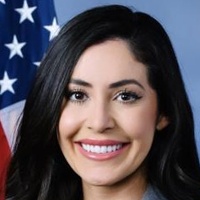
Anna Luna
Representative
FL
Anna Luna
Representative
FL
The Justice for Rape Survivors Act establishes a federal mandatory minimum sentence of 30 years for individuals convicted of aggravated sexual abuse or sexual abuse. This legislation ensures a stricter baseline for sentencing while maintaining the possibility of life imprisonment for these offenses.
The Holding Child Predators Accountable Act mandates a penalty of death or life imprisonment for individuals convicted of federal child exploitation and pornography offenses.
Anna Luna
Representative
FL
Anna Luna
Representative
FL
The Holding Child Predators Accountable Act amends federal law to mandate stricter sentencing for child exploitation and pornography offenses. Under this legislation, individuals convicted of these crimes would face mandatory fines and either life imprisonment or the death penalty.
The No Repeat Child Sex Offenders Act mandates the death penalty or life imprisonment for individuals convicted of federal sex trafficking, child exploitation, and sexual abuse offenses.
Anna Luna
Representative
FL
Anna Luna
Representative
FL
The "No Repeat Child Sex Offenders Act" strengthens federal sentencing laws by mandating the death penalty or life imprisonment for a wide range of sex trafficking and sexual abuse offenses. This legislation significantly increases penalties for crimes involving the exploitation, coercion, and abuse of minors, as well as repeat sex offenders.
The Honor Inauguration Day Act mandates that the United States flag be flown at full staff on every presidential Inauguration Day.
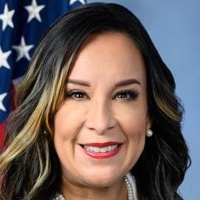
Mónica De La Cruz
Representative
TX
Mónica De La Cruz
Representative
TX
The Honor Inauguration Day Act mandates that the United States flag be flown at full staff on every presidential Inauguration Day. This legislation ensures that the flag remains at its highest peak to celebrate the democratic process and the expression of the people's will, regardless of any conflicting display regulations.
The Justice for Jocelyn Act mandates stricter detention requirements, continuous GPS monitoring, and mandatory removal for non-compliant aliens in immigration proceedings.
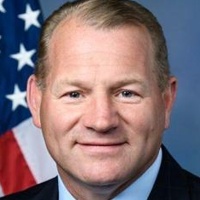
Troy Nehls
Representative
TX
Troy Nehls
Representative
TX
The Justice for Jocelyn Act mandates stricter detention requirements for non-citizens by limiting the use of Alternatives to Detention (ATD) programs to situations where no other detention capacity exists. The bill requires continuous GPS monitoring and nightly curfews for all individuals on the ICE non-detained docket throughout their immigration proceedings. Additionally, it establishes that any violation of release conditions will result in an automatic order of removal in absentia.
This bill officially designates the Department of Veterans Affairs community-based outpatient clinic in Lubbock, Texas, as the "General Bernie Mittemeyer VA Clinic."
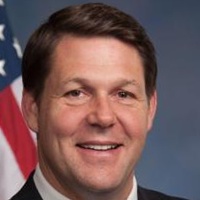
Jodey Arrington
Representative
TX
Jodey Arrington
Representative
TX
This bill officially designates the Department of Veterans Affairs community-based outpatient clinic in Lubbock, Texas, as the "General Bernie Mittemeyer VA Clinic." All future federal references to this facility will reflect this new name.
This bill designates the United States Postal Service facility located at 107 North Hoyne Avenue in Fritch, Texas, as the "Chief Zeb Smith Post Office."
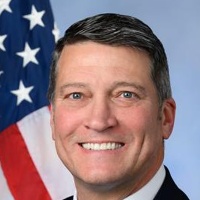
Ronny Jackson
Representative
TX
Ronny Jackson
Representative
TX
This bill designates the United States Postal Service facility located at 107 North Hoyne Avenue in Fritch, Texas, as the "Chief Zeb Smith Post Office." All official references to this facility will henceforth bear this name in honor of Chief Zeb Smith.
This bill authorizes the President to initiate formal negotiations with the Government of Panama to reacquire the Panama Canal.
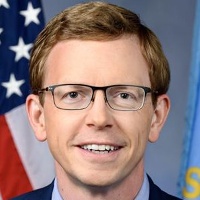
Dusty Johnson
Representative
SD
Dusty Johnson
Representative
SD
The Panama Canal Repurchase Act of 2025 authorizes the President to initiate formal negotiations with the Government of Panama to reacquire the Panama Canal. The legislation also mandates that the President provide Congress with a progress report on these negotiations within 180 days of enactment.
The Legal Workforce Act mandates that all U.S. employers use a phased-in electronic verification system to confirm the employment eligibility of all new and existing employees.
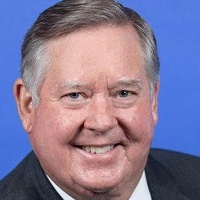
Ken Calvert
Representative
CA
Ken Calvert
Representative
CA
The Legal Workforce Act mandates that all U.S. employers use a new, electronic verification system to confirm the work eligibility of every new hire. This legislation replaces the existing E-Verify program with a phased-in, mandatory process that requires employers to verify both identity and work authorization for all employees. Additionally, the bill increases penalties for hiring unauthorized workers, establishes new fraud prevention measures, and preempts state laws to create a uniform national employment verification policy.
The Preserving Safe Communities by Ending Swatting Act of 2025 strengthens federal criminal penalties and establishes civil liability for individuals who knowingly convey false information to trigger emergency responses.
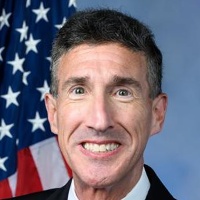
David Kustoff
Representative
TN
David Kustoff
Representative
TN
The Preserving Safe Communities by Ending Swatting Act of 2025 strengthens federal law to combat "swatting" by increasing criminal penalties for those who knowingly report false information to trigger emergency responses. The bill also establishes civil liability, requiring perpetrators to reimburse public safety agencies and organizations for the costs incurred during these emergency deployments.
The Laken Riley Act mandates the detention of certain undocumented immigrants charged with theft-related crimes and empowers state attorneys general to sue federal officials for failures in enforcing immigration laws.
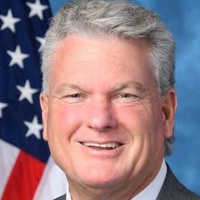
Mike Collins
Representative
GA
Mike Collins
Representative
GA
The Laken Riley Act mandates the detention of undocumented immigrants who are charged with or convicted of theft-related offenses. Additionally, the bill empowers state attorneys general to sue federal officials for failures in enforcing immigration detention, removal, and parole laws.
This bill mandates the formal abolishment of the Bureau of Alcohol, Tobacco, Firearms and Explosives (ATF).
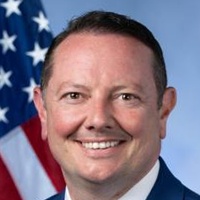
Eric Burlison
Representative
MO
Eric Burlison
Representative
MO
The Abolish the ATF Act is a legislative proposal that mandates the immediate dissolution of the Bureau of Alcohol, Tobacco, Firearms and Explosives. This bill seeks to formally terminate the agency and eliminate its federal oversight functions.
This bill proposes a constitutional amendment to limit members of the House of Representatives to three terms and Senators to two terms, with specific provisions for partial terms. Terms served before the amendment's ratification would not be counted towards these limits, and the amendment must be ratified within seven years to be valid.
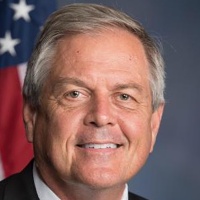
Ralph Norman
Representative
SC
Ralph Norman
Representative
SC
This bill proposes a constitutional amendment to limit the number of terms a member of Congress can serve. Representatives would be limited to 3 terms and Senators to 2 terms, with specific rules for partial terms. Terms served before the amendment's ratification would not be counted. The amendment must be ratified by three-fourths of the states within seven years to be valid.
The Regulations from the Executive in Need of Scrutiny (REINS) Act of 2025 increases congressional accountability by requiring federal agencies to obtain legislative approval for all "major" rules before they can take effect.

Katherine Cammack
Representative
FL
Katherine Cammack
Representative
FL
The Regulations from the Executive in Need of Scrutiny (REINS) Act of 2025 aims to increase federal regulatory accountability by requiring Congress to approve any "major" rule before it can take effect. Under this legislation, rules with a significant economic impact require a joint resolution of approval from both chambers of Congress to become law. By shifting this authority back to the legislative branch, the Act seeks to ensure greater transparency and oversight of the federal rulemaking process.
The "VOICE Restoration Act" would reestablish the Victims of Immigration Crime Engagement (VOICE) Office within US Immigration and Customs Enforcement to support victims of crimes committed by undocumented immigrants by providing resources, assistance, and information. The office would also be required to publish quarterly reports to Congress analyzing the impact of these crimes.
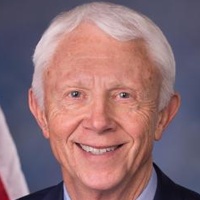
Jack Bergman
Representative
MI
Jack Bergman
Representative
MI
The "Victims Of Immigration Crime Engagement Restoration Act" or the "VOICE Restoration Act" re-establishes the Victims of Immigration Crime Engagement (VOICE) Office within US Immigration and Customs Enforcement to support victims of crimes committed by undocumented immigrants, witnesses, and their legal representatives by providing resources, referrals, and information. It mandates VOICE to offer a toll-free hotline, local contacts, and assistance with custody status updates, as well as requiring quarterly reports to Congress and executive leaders analyzing the impact of crimes committed by undocumented immigrants.
The Stopping Border Surges Act implements stricter asylum eligibility requirements, accelerates deportation timelines for unaccompanied minors, and mandates family detention to deter unauthorized border crossings.

Andy Biggs
Representative
AZ
Andy Biggs
Representative
AZ
The Stopping Border Surges Act proposes comprehensive reforms to U.S. immigration policy by tightening asylum eligibility and accelerating the processing of unaccompanied minors. The bill mandates stricter screening standards, expands detention authority for families, and limits legal protections for those seeking asylum. Ultimately, the legislation aims to deter fraudulent claims and expedite removals through more restrictive border and interior enforcement measures.
The "Ending Catch and Release Act of 2025" amends immigration laws to mandate detention for asylum seekers, expedite removals, and narrow asylum eligibility, effectively ending the practice of releasing individuals into the U.S. while awaiting proceedings. It also prioritizes returning asylum seekers arriving from contiguous territories to those territories for asylum consideration.
Andy Biggs
Representative
AZ
Andy Biggs
Representative
AZ
The "Ending Catch and Release Act of 2025" amends immigration law to mandate the detention of asylum seekers and other inadmissible individuals, preventing their release into the U.S. while awaiting proceedings. It also raises the standard of proof for asylum eligibility and requires the return of asylum seekers arriving from contiguous territories to those territories. The bill aims to expedite the removal process, mandating removal within 72 hours and prohibiting parole or release into the U.S.
The FIND Act prohibits federal agencies from contracting with entities that discriminate against the firearm and ammunition industry, ensuring fair access to government contracts for these businesses. Contractors must certify they do not discriminate against firearm entities, with violations leading to contract termination.
Jack Bergman
Representative
MI
Jack Bergman
Representative
MI
The FIND Act prohibits federal agencies from contracting with entities that discriminate against the firearm and ammunition industry. It requires federal contractors to certify they do not discriminate against firearm entities and prohibits them from awarding subcontracts to entities that do not provide a similar certification. Violations of these clauses will result in contract termination. The act defines "discriminate" as making judgments or refusing/limiting services based on biased criteria, rather than case-by-case evaluations, empirical data, financial risk, or legal non-compliance.