Legislative Activity
Track Michael's sponsored bills, co-sponsored legislation, and voting record
This bill amends the Immigration and Nationality Act to make noncitizens associated with criminal gangs inadmissible and deportable, while mandating their detention and restricting their eligibility for immigration relief.
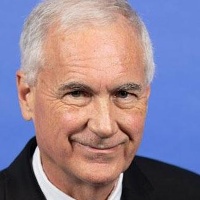
Tom McClintock
Representative
CA
Tom McClintock
Representative
CA
The Deport Alien Gang Members Act amends the Immigration and Nationality Act to establish new grounds for inadmissibility and deportability for noncitizens associated with criminal gangs. The bill authorizes the Secretary of Homeland Security to formally designate criminal organizations, mandates the detention of identified gang members, and restricts their eligibility for various forms of immigration relief.
This bill extends the Rural Community Hospital Demonstration Program for an additional five years and modifies extension criteria for participating hospitals.
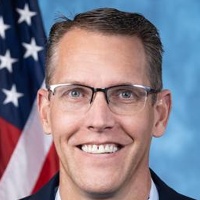
Randy Feenstra
Representative
IA
Randy Feenstra
Representative
IA
This bill, the "Rural Community Hospital Demonstration Program Reauthorization," extends the existing rural community hospital demonstration program for an additional five years, making it a 20-year program. It also updates the criteria for an additional extension period to cover certain hospitals that join the program between late 2024 and early 2027.
This bill expands eligibility for higher rates of regularly scheduled overtime pay to all U.S. Border Patrol agents from grade GS-12 through GS-15.
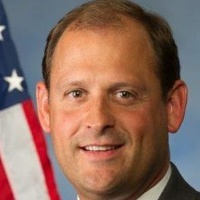
Garland Barr
Representative
KY
Garland Barr
Representative
KY
This act, the Border Patrol Supervisors Retention Act, expands eligibility for higher rates of regularly scheduled overtime pay for U.S. Border Patrol agents. Specifically, it extends these enhanced overtime rates to agents classified from grade GS-12 through GS-15. The goal is to improve retention among supervisory-level Border Patrol personnel.
This bill authorizes the minting and sale of commemorative gold and silver coins to honor the 25th anniversary of the September 11, 2001, terrorist attacks, with surcharges supporting the National September 11 Memorial and Museum.

Dan Goldman
Representative
NY
Dan Goldman
Representative
NY
This bill authorizes the Secretary of the Treasury to mint and issue commemorative gold and silver coins marking the 25th anniversary of the September 11, 2001, terrorist attacks. The coins will honor the victims, first responders, and survivors, with designs selected in consultation with the National September 11 Memorial and Museum. All surcharges from the sale of these coins will be paid directly to the Memorial and Museum to support its operations and maintenance.
This Act mandates that jurisdictions receiving federal grants report data on their use of cashless bail systems and identifies those that allow pre-trial release without cash bail for certain offenses.
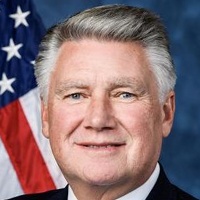
Mark Harris
Representative
NC
Mark Harris
Representative
NC
The Cashless Bail Reporting Act mandates that states and local governments receiving specific federal grants must report annual data on their use of cashless bail systems. This data includes the number of individuals released, subsequent failures to appear, and new arrests while on pretrial release. Furthermore, the Act requires the Attorney General to annually publish a list of jurisdictions that permit pretrial release without cash bail for certain offenses threatening public safety.
This bill establishes a VA Task Force to research, improve healthcare, and set baselines for veterans and service members affected by blast overpressure exposure.
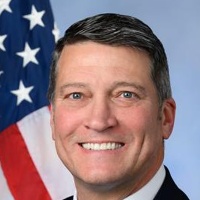
Ronny Jackson
Representative
TX
Ronny Jackson
Representative
TX
This Act establishes the Blast Overpressure Research and Mitigation Task Force within the Department of Veterans Affairs. The Task Force will improve healthcare, align research, and establish baselines for service members and veterans affected by blast overpressure exposure. It is charged with prioritizing research on related conditions and submitting annual reports with recommendations for evaluating service-connected neurological injuries.
This bill allows for year-round sales of E15 gasoline and restructures the Renewable Fuel Standard program by phasing out small refinery exemptions in favor of a 75% compliance obligation reduction starting in 2028.

Adrian Smith
Representative
NE
Adrian Smith
Representative
NE
This bill, the Nationwide Consumer and Fuel Retailer Choice Act of 2025, makes two major changes: it allows for the year-round sale of E15 gasoline and reforms the Renewable Fuel Standard (RFS) for small refineries. The RFS reform phases out existing small refinery exemptions starting in 2028, replacing them with a 75% compliance obligation reduction. The Act also directs the EPA to update fuel infrastructure rules for E15 distribution.
This bill establishes the Combating Organized Retail Crime Act of 2025 to enhance federal prosecution tools against organized retail and supply chain crime and create a DHS-led coordination center to align law enforcement efforts.
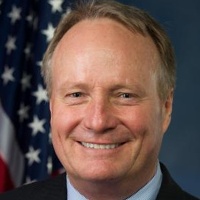
David Joyce
Representative
OH
David Joyce
Representative
OH
The Combating Organized Retail Crime Act of 2025 aims to combat sophisticated, cross-jurisdictional organized retail and supply chain theft. It achieves this by strengthening federal laws regarding money laundering and stolen property offenses, including lowering monetary thresholds for prosecution. Furthermore, the bill establishes a dedicated Center within the Department of Homeland Security to coordinate federal, state, and local enforcement efforts against these criminal organizations.
This act authorizes the use of Department of Homeland Security financial assistance for vehicle security upgrades, including bulletproof windows, for law enforcement use.
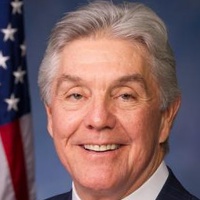
Roger Williams
Representative
TX
Roger Williams
Representative
TX
This act, the "Bulletproof Law Enforcement Vehicles Act," amends the Homeland Security Act of 2002. It requires the Secretary of Homeland Security to allow federal funding to be used for vehicle security upgrades, specifically including the installation of bulletproof windows for law enforcement vehicles.
The Never Fight Alone Act expands veterans' access to community-based mental health and substance use disorder residential treatment when the VA cannot provide timely care, while also restricting the VA's ability to limit community care options.
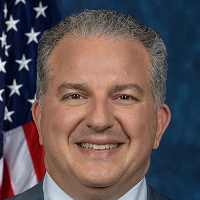
Jimmy Patronis
Representative
FL
Jimmy Patronis
Representative
FL
The Never Fight Alone Act aims to expand veterans' access to community-based mental health and substance use disorder treatment when the VA cannot provide timely residential care. It prohibits the VA from using restrictive wait times to deny eligibility for community care and ensures veterans have a choice among available care options. Furthermore, the bill mandates increased transparency through detailed reporting on community care metrics and requires Congressional approval for future changes to community care access standards.
This Act authorizes the National Guard, upon a governor's request, to protect critical facilities and assets from unmanned aircraft threats.
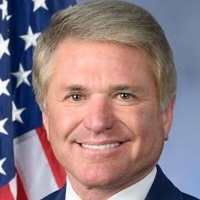
Michael McCaul
Representative
TX
Michael McCaul
Representative
TX
The Guard the Skies Act authorizes the National Guard to protect critical facilities and assets from threats posed by unmanned aircraft (drones). This authority is established at the request of a state's governor and requires consultation with the Secretary of Defense. The bill outlines specific conditions under which National Guard members can be activated and take action against threatening drones.
This bill condemns the multiple assassination attempts against President Donald J. Trump and recognizes the critical mission of the Department of Homeland Security.
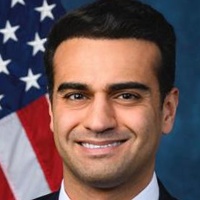
Abraham Hamadeh
Representative
AZ
Abraham Hamadeh
Representative
AZ
This bill strongly condemns the multiple attempted assassinations against President Donald J. Trump, including the attack on April 25, 2026. It commends the heroism of law enforcement and recognizes the critical mission of the Department of Homeland Security. Furthermore, the resolution calls for unity against political violence and the full funding of essential security agencies.
This bill amends the Food and Nutrition Act of 2008 to explicitly include hot rotisserie chicken as an eligible food item under the Supplemental Nutrition Assistance Program (SNAP).
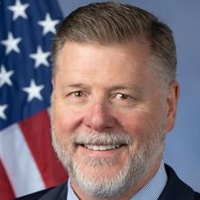
Eric Crawford
Representative
AR
Eric Crawford
Representative
AR
This bill seeks to amend the Food and Nutrition Act of 2008 to update the definition of eligible food items for the Supplemental Nutrition Assistance Program (SNAP). Specifically, it would explicitly add hot rotisserie chicken to the list of items that can be purchased with SNAP benefits. The legislation also includes minor technical formatting updates to the existing law.
This Act repeals the federal beneficial ownership information reporting requirements for domestic persons and entities, limiting them only to foreign individuals and foreign-connected companies, and mandates the deletion of existing domestic data.
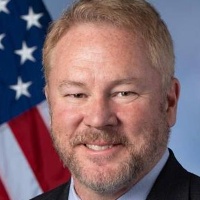
Warren Davidson
Representative
OH
Warren Davidson
Representative
OH
The Repealing Big Brother Overreach Act significantly narrows the federal beneficial ownership information reporting requirements. This legislation limits reporting obligations exclusively to foreign individuals and foreign-connected companies. Furthermore, it mandates the deletion of all previously collected data pertaining to domestic persons and entities.
This bill recognizes the vital contributions of linemen and designates April 18, 2026, as National Lineman Appreciation Day.
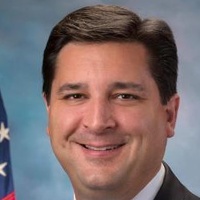
David Rouzer
Representative
NC
David Rouzer
Representative
NC
This bill officially designates April 18, 2026, as "National Lineman Appreciation Day." It recognizes the vital contributions of linemen in maintaining critical energy infrastructure and serving as essential first responders during emergencies. The resolution expresses strong support for these brave men and women who work under dangerous conditions to keep communities safe and powered.
This bill officially renames the United States Postal Service facility in Beaumont, Mississippi, as the Jeremy Malone Post Office.
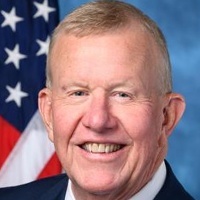
Mike Ezell
Representative
MS
Mike Ezell
Representative
MS
This bill officially renames the United States Postal Service facility located at 825 Highway 198 in Beaumont, Mississippi. Upon enactment, the facility will be known as the Jeremy Malone Post Office. This change will be reflected in all official records and documents referencing the location.
The National Veterans Strategy Act of 2026 mandates the development of standardized metrics and a quadrennial, cross-sector strategy to improve veteran well-being and success across the United States.
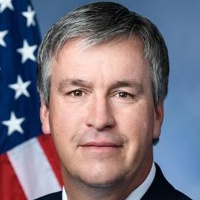
Barry Moore
Representative
AL
Barry Moore
Representative
AL
The National Veterans Strategy Act of 2026 mandates the creation of a comprehensive, quadrennial national strategy to improve veteran well-being across health, economic, and social sectors. By establishing standardized success metrics and aligning resources across federal, state, and private organizations, the bill aims to ensure veterans thrive after military service. The legislation also requires regular reporting to Congress to track progress, identify barriers, and ensure the effective delivery of services.
This Act establishes a federal beautification program for D.C. and creates a commission to recommend actions on public safety and federal immigration enforcement in the District.
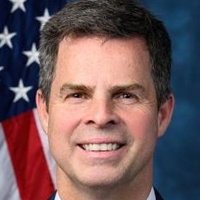
John McGuire
Representative
VA
John McGuire
Representative
VA
This Act establishes a temporary program to beautify and clean up public spaces across the District of Columbia through federal and local coordination. It also creates a temporary commission focused on recommending actions to improve public safety and enhance federal immigration enforcement within D.C. Both the beautification program and the commission will terminate on January 2, 2029.
This bill prohibits federal agencies from banning the use of lead ammunition and tackle on federal lands and waters unless specific, evidence-based criteria and state-level coordination requirements are met.

Robert Wittman
Representative
VA
Robert Wittman
Representative
VA
The Protecting Access for Hunters and Anglers Act prevents federal agencies from banning the use of lead ammunition and tackle on federal lands and waters open to hunting and fishing. Exceptions to this rule are only permitted if specific, site-based field data proves lead is causing a wildlife population decline and the action is approved by or consistent with state wildlife policies.
This act authorizes the transfer of specific federal land parcels from Vicksburg National Military Park to the State of Mississippi to improve public access and visitor experience.
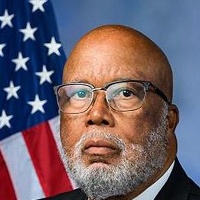
Bennie Thompson
Representative
MS
Bennie Thompson
Representative
MS
The Vicksburg National Military Park Boundary Modification Act authorizes the transfer of two parcels of federal land from the National Park Service to the State of Mississippi. This legislation adjusts the park's boundaries to exclude these areas, which will be repurposed to improve public access and enhance the visitor experience while remaining consistent with the park's educational mission.