The Never Fight Alone Act expands veterans' access to community-based mental health and substance use disorder residential treatment when the VA cannot provide timely care, while also restricting the VA's ability to limit community care options.
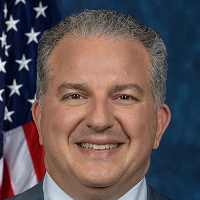
Jimmy Patronis
Representative
FL-1
The Never Fight Alone Act aims to expand veterans' access to community-based mental health and substance use disorder treatment when the VA cannot provide timely residential care. It prohibits the VA from using restrictive wait times to deny eligibility for community care and ensures veterans have a choice among available care options. Furthermore, the bill mandates increased transparency through detailed reporting on community care metrics and requires Congressional approval for future changes to community care access standards.
Never Fight Alone Act Expands Veteran Access to Private Mental Health Care and Limits VA Wait Times
The Never Fight Alone Act is designed to stop the 'waiting game' for veterans seeking mental health or substance use treatment. Specifically, it amends 38 U.S.C. §1703 to mandate that if the VA cannot provide a veteran with a residential treatment spot immediately—or within the standard timeframe for specialty care—the veteran is automatically eligible to go to a private, community-based facility. It effectively removes the VA’s ability to block community care by suggesting alternative VA programs elsewhere, unless the veteran specifically asks for that alternative.
Breaking the 30-Day Barrier
Under Section 3, the bill tackles the reality that a veteran in crisis shouldn't be stuck on a list. If a veteran qualifies for priority admission to a VA Mental Health Residential Rehabilitation Treatment Program but the VA is full, the bill triggers an immediate shift to community care. For someone like a construction worker in a rural area who can't drive three hours to a VA hospital, this means they can access a local, accredited private facility instead of waiting for a bed to open up in a government facility. Section 4 further reinforces this by prohibiting the VA from denying community care eligibility solely because their internal wait-time standards aren't being met; if the care isn't available now, the veteran gets to choose where they go among available options.
Quality Control and Choice
To ensure that 'private' doesn't mean 'subpar,' Section 3(c) requires that any non-VA facility must be state-licensed and accredited by major bodies like the Joint Commission or CARF. This protects veterans from 'fly-by-night' clinics while expanding their options. The bill also puts the power back in the veteran's hands: if there are multiple ways to get treatment, the VA is legally required to let the veteran pick their preferred option. This isn't just about convenience; it’s about making sure a software developer or a retail manager can find a treatment schedule and location that actually fits their life and recovery needs.
Accountability and the 'Lock' on Standards
Sections 5 and 6 are where the bill gets its teeth regarding government oversight. The VA will now have to report exactly how many community care requests were denied and why, including a paper trail of appeals. Perhaps most significantly, Section 6 strips the VA of the power to unilaterally tighten the rules on who gets community care. From now on, if the VA wants to make it harder for veterans to see outside doctors, they have to get a joint resolution from Congress first. This prevents the 'goalposts' from being moved through bureaucratic red tape without a public vote.