This Act authorizes the National Guard, upon a governor's request, to protect critical facilities and assets from unmanned aircraft threats.
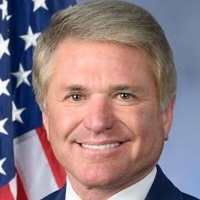
Michael McCaul
Representative
TX-10
The Guard the Skies Act authorizes the National Guard to protect critical facilities and assets from threats posed by unmanned aircraft (drones). This authority is established at the request of a state's governor and requires consultation with the Secretary of Defense. The bill outlines specific conditions under which National Guard members can be activated and take action against threatening drones.
New 'Guard the Skies Act' Authorizes National Guard for Drone Defense, Exempts from Certain Federal Laws
Alright, let's talk about the new 'Guard the Skies Act.' This bill basically gives the National Guard a new job: protecting certain facilities and assets from drones. Think of it like this: if you've got a sensitive area – maybe a power plant, an airport, or a government building – and a drone starts acting suspicious, the Guard could now be authorized to step in and deal with it. It's a pretty significant update to how we handle drone threats.
Drone Patrol: Who's Calling the Shots?
So, how does this new drone defense system roll out? The bill beefs up the consultation process for any actions taken against drones. Currently, the Federal Aviation Administration (FAA) gets a say, but now the Secretary of Defense is officially in the loop. This is especially important if a state governor asks for the National Guard's help under this new authority. Basically, before anyone starts messing with a drone, a lot more high-level folks need to be consulted, ensuring that the Department of Homeland Security isn't just winging it. This means more eyes on the plan, which sounds good on paper for coordination.
Guarding the Guard: New Powers and Protections
Here's where it gets interesting for the National Guard members themselves. The bill creates a new section in the U.S. Code (specifically, Section 130j of Title 10) that lets the Secretary of Defense authorize Guard members to take action against drones threatening facilities. This can only happen at a governor's request for Homeland Security missions. The kicker? These Guard members, when authorized and on duty, will be exempt from certain federal criminal laws related to aircraft and computer fraud. Imagine a situation where a Guard member has to disable a drone that's flying too close to a critical piece of infrastructure. This exemption means they won't face federal charges for, say, interfering with an aircraft or accessing a computer system (the drone's) without authorization. It's designed to give them the legal leeway to do their job without fear of prosecution, which is a big deal for anyone on the ground.
Calling Up the Reserves for Drone Duty
This isn't just about active-duty Guard members. The 'Guard the Skies Act' also makes it easier to call up reserve forces for these drone defense missions. It amends existing law (Section 12304 of Title 10) to explicitly include these counter-drone actions as a valid reason to order selected reserve and Individual Ready Reserve members to active duty, even if there isn't a war or national emergency happening. Plus, it allows for National Guard members to perform training specifically for these new drone interception duties. So, if you're in the reserves, you might find yourself training for or being called up for drone defense, which is a new type of mission for many.
The Real-World Impact: What Does This Mean for You?
For folks living or working near facilities deemed 'critical' – think power plants, data centers, major government hubs, or even large public event spaces – you might see an increased presence of the National Guard, or at least an increased capability to respond to drone threats. This could mean more security, but also potentially more military activity in areas that were previously civilian. If you're a drone hobbyist or operate a drone for commercial purposes, this bill could mean higher stakes if you accidentally (or intentionally) fly too close to a protected area. The bill doesn't explicitly define what 'certain facilities and assets' are, which leaves a bit of a gray area. This vagueness could lead to a wide interpretation of what's protected, potentially expanding the scope of where these new powers apply. While the intent is to protect against malicious drones, the broad authority and the exemptions from federal criminal laws for Guard members raise questions about accountability and potential overreach. It’s a classic trade-off: increased security versus potential impacts on civil liberties and the everyday operations of drone users.