Legislative Activity
Track Sylvia's sponsored bills, co-sponsored legislation, and voting record
This resolution commemorates the annual celebration of Día de los Muertos while urging accountability and humane treatment for those who have died in immigration custody.
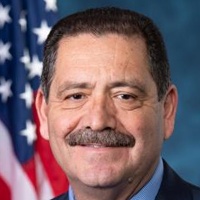
Jesús García
Representative
IL
Jesús García
Representative
IL
This resolution officially recognizes the annual celebration of Día de los Muertos in the United States, honoring its rich cultural significance and traditions of remembrance. It connects the spirit of honoring ancestors to the need for compassion and accountability regarding lives lost in immigration detention. The bill urges federal agencies to protect the dignity and rights of individuals in custody, especially during culturally significant times. Ultimately, it calls for honoring human dignity through remembrance and ensuring humane treatment for all.
This resolution expresses support for recognizing October 26, 2025, as Intersex Awareness Day and advocates for the bodily autonomy and human rights of intersex individuals, particularly by opposing nonconsensual early medical interventions.
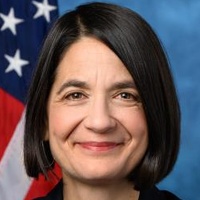
Becca Balint
Representative
VT
Becca Balint
Representative
VT
This resolution expresses the House's support for recognizing October 26th as Intersex Awareness Day and affirms the goals of the observance. It highlights the reality of natural variations in sex characteristics and strongly condemns nonconsensual, irreversible medical procedures performed on intersex infants and children. The bill encourages federal, state, and local entities to promote awareness, ensure culturally sensitive healthcare, and prioritize the bodily autonomy and human rights of intersex individuals.
This act ensures that state and local funds used to keep Head Start and Early Head Start programs running during a federal government shutdown are fully reimbursed.
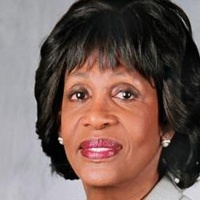
Maxine Waters
Representative
CA
Maxine Waters
Representative
CA
The Head Start Shutdown Protection Act of 2025 ensures that states, local governments, or school districts are reimbursed for any of their own funds used to keep Head Start and Early Head Start programs operational during a lapse in federal appropriations. This legislation protects these vital early childhood education services from disruption caused by government shutdowns. By guaranteeing reimbursement, the Act encourages local entities to maintain program continuity without bearing the financial burden.
This resolution formally recognizes the vital role of Spanish-language media in informing, connecting, and strengthening diverse communities across the United States.
Nanette Barragán
Representative
CA
Nanette Barragán
Representative
CA
This resolution formally recognizes the vital role Spanish-language media plays in informing, educating, and connecting over 41 million Spanish speakers across the United States. It highlights how these outlets strengthen democracy by ensuring broad access to essential information and celebrate the rich cultural contributions of the Latino community. Ultimately, the bill encourages continued support for these crucial media sources nationwide.
This Act mandates that all states must operate the WIC program and guarantees necessary funding through permanent appropriation starting in fiscal year 2026.
Robert Scott
Representative
VA
Robert Scott
Representative
VA
The WIC Benefits Protection Act mandates that all states must operate the Special Supplemental Nutrition Program for Women, Infants, and Children (WIC). This legislation also guarantees permanent, mandatory funding for WIC starting in fiscal year 2026, ensuring the program has the necessary resources annually. Furthermore, it clarifies eligibility language within the program's governing statute.
This bill mandates that the House of Representatives convene daily during a government shutdown, requiring recorded quorum calls with fines for non-attendance.
Jared Moskowitz
Representative
FL
Jared Moskowitz
Representative
FL
This bill mandates that the House of Representatives must convene daily during a government shutdown, limiting their ability to adjourn. It requires recorded quorum calls on session days, imposing escalating fines on members who fail to check in electronically for two consecutive days. These fines must be paid by the member personally, with procedures established for appeals and automatic salary deduction for non-payment.
This resolution declares the need for increased investment in youth mental health and officially recognizes "Youth Mental Health Day" and "Youth Suicide Prevention Day."
Yassamin Ansari
Representative
AZ
Yassamin Ansari
Representative
AZ
This resolution formally acknowledges the critical state of youth mental health in the U.S., citing alarming rates of anxiety, depression, and suicide. It calls for increased investment in mental health support and encourages the designation of specific days to raise awareness. Ultimately, the bill urges federal, state, and local entities to prioritize comprehensive mental health programs for young people.
This resolution officially designates October 8, 2025, as Latina Equal Pay Day to recognize and address the significant wage disparity faced by Latina women compared to White, non-Hispanic men.
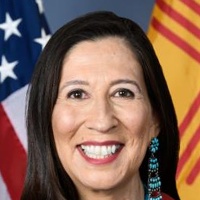
Teresa Leger Fernandez
Representative
NM
Teresa Leger Fernandez
Representative
NM
This resolution officially designates October 8, 2025, as Latina Equal Pay Day to highlight the significant wage disparity faced by Latina workers. It recognizes that Latinas currently earn only about 58 cents for every dollar earned by White, non-Hispanic men, resulting in substantial lifetime earnings loss. The bill calls attention to systemic factors like workplace policies and harassment that contribute to this ongoing economic injustice. Ultimately, Congress reaffirms its commitment to achieving pay equity for all women.
This Act establishes a grant program to fund community alternatives for mental health crisis response, focusing on health-centered dispatch and specialized response teams.
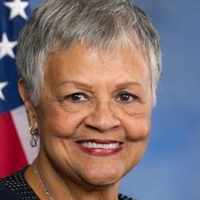
Bonnie Watson Coleman
Representative
NJ
Bonnie Watson Coleman
Representative
NJ
The Mental Health Crisis Response Act of 2025 establishes a new federal grant program to help local governments create health-centered alternatives for responding to mental health emergencies. These funds will support initiatives like integrating mental health professionals into 911 dispatch and streamlining transfers to crisis hotlines. Grantees must report annually on response times, use of force, and diversion to treatment, while the law explicitly preserves existing law enforcement roles.
This bill authorizes the Federal Government to reimburse states for using their own funds to maintain WIC program operations during a lapse in federal appropriations.
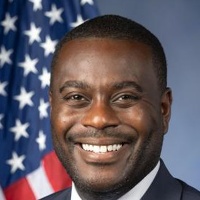
Gabe Amo
Representative
RI
Gabe Amo
Representative
RI
This bill ensures that states are reimbursed by the Federal Government for any state funds they use to maintain essential operations of the Special Supplemental Nutrition Program for Women, Infants, and Children (WIC) during a lapse in federal appropriations. It provides a mechanism for the Federal Government to pay back states that cover WIC costs during a government shutdown. This protects state budgets while keeping vital nutrition assistance running.
This Act establishes a grant program to fund the development and expansion of non-police mental health crisis response teams.
Yassamin Ansari
Representative
AZ
Yassamin Ansari
Representative
AZ
The Mental Health Emergency Responder Act establishes a new federal grant program to help communities develop or expand crisis response systems that prioritize mental health professionals over police involvement. These funds support hiring, training, and integrating specialized co-response teams into 911 and 988 dispatch systems. The program aims to divert individuals in mental health crises away from the criminal justice system, while respecting existing state laws regarding emergency detention.
This Act ensures that members of the Armed Forces, DoD civilian employees, and necessary contractors receive pay and allowances for fiscal year 2026 if a full budget has not been enacted by October 1, 2025.
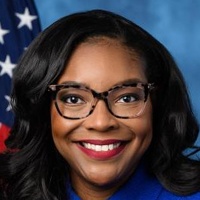
Emilia Sykes
Representative
OH
Emilia Sykes
Representative
OH
The Pay Our Military Act ensures that members of the Armed Forces continue to receive their pay and allowances if a full budget for fiscal year 2026 has not been enacted. This continuing appropriation provides necessary funds for active duty, reserves, and essential civilian support staff. This automatic funding remains in effect until a full appropriation is passed or until January 1, 2027.
This bill ensures federal firefighters receive uninterrupted pay during fiscal year 2026 budget delays and protects them from layoffs during government shutdowns.
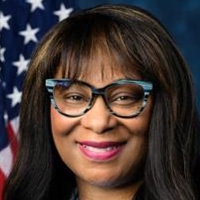
Janelle Bynum
Representative
OR
Janelle Bynum
Representative
OR
The Federal Firefighter Paycheck Protection Act ensures that federal firefighters continue to receive their pay and allowances if Congress delays passing the budget for fiscal year 2026. This legislation also prohibits the reduction in force or layoffs of federal firefighters specifically due to government shutdowns caused by funding lapses. Essentially, this bill protects the paychecks and employment stability of federal firefighters during budget uncertainty.
This Act provides appropriations and mandates contract price adjustments to compensate federal contractor employees for losses incurred due to funding lapses or government shutdowns.
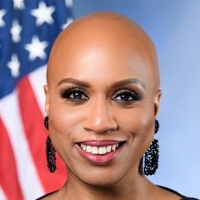
Ayanna Pressley
Representative
MA
Ayanna Pressley
Representative
MA
The Fair Pay for Federal Contractors Act of 2025 ensures that employees of federal contractors are compensated for losses incurred due to government funding lapses or shutdowns. It requires federal agencies to adjust existing contracts to cover reasonable costs associated with furloughs, pay cuts, or mandatory leave taken by contractor employees. The bill appropriates necessary funds to cover these contract price adjustments and mandates public reporting on the compensation provided.
This Act prohibits the Department of Veterans Affairs from discriminating against veterans based on gender identity in healthcare, ensuring access to medically necessary treatments like those for gender dysphoria.
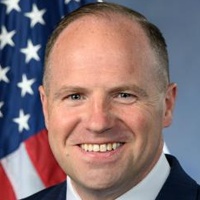
Timothy Kennedy
Representative
NY
Timothy Kennedy
Representative
NY
The Veterans Healthcare Equality Act of 2025 explicitly prohibits the Department of Veterans Affairs (VA) from discriminating against veterans based on gender identity when providing healthcare services. This law mandates that the VA must furnish medically necessary treatments, including those for gender dysphoria, prescribed by a healthcare provider. Furthermore, the VA Secretary is required to provide regular updates to Congress regarding the implementation of these non-discrimination protections.
This bill prohibits active duty military and National Guard members operating under Title 32 from enforcing or assisting in the enforcement of immigration laws.
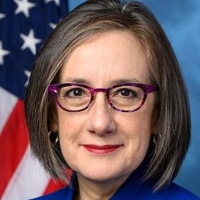
Andrea Salinas
Representative
OR
Andrea Salinas
Representative
OR
The National Guard Proper Use Act prohibits active duty military personnel and National Guard members serving under Title 32 orders from enforcing or assisting in the enforcement of immigration laws. This measure restricts the use of the Armed Forces for domestic immigration enforcement, aligning with existing statutes that govern such deployments.
This Act prohibits most immigration enforcement activities within 1,000 feet of protected emergency response locations unless exigent circumstances exist.
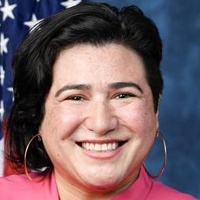
Emily Randall
Representative
WA
Emily Randall
Representative
WA
The Emergency Responder Protection Act establishes a 1,000-foot protected zone around emergency response locations, severely restricting immigration enforcement activities near disaster sites and aid centers. Immigration officers generally cannot conduct enforcement actions within this zone unless facing exigent circumstances, such as imminent risk of death or violence. The bill mandates strict operational rules, annual training for officers, and detailed reporting requirements to the DHS Inspector General and Congress regarding any enforcement actions taken near these protected areas. Violations of this rule may result in the termination of removal proceedings and the inadmissibility of evidence gathered.
This joint resolution directs the President to remove U.S. Armed Forces from hostilities against certain designated groups and states unless Congress authorizes the use of force, while preserving the right to self-defense.
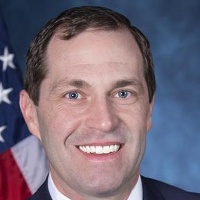
Jason Crow
Representative
CO
Jason Crow
Representative
CO
This joint resolution directs the President to remove U.S. Armed Forces from hostilities initiated after February 20, 2025, against designated terrorist groups or drug trafficking organizations without prior Congressional authorization. It asserts Congress's constitutional power to declare war and finds recent military strikes against vessels lacked proper justification. The bill allows for continued use of forces for self-defense or authorized counternarcotics support, but explicitly states drug trafficking alone does not constitute an armed attack.
This bill mandates that federally funded higher education institutions update their harassment policies to explicitly cover technology-facilitated harassment and establishes a competitive grant program to fund anti-harassment initiatives.
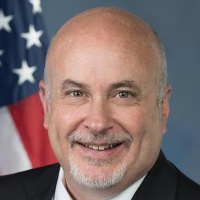
Mark Pocan
Representative
WI
Mark Pocan
Representative
WI
The Tyler Clementi Higher Education Anti-Harassment Act of 2025 mandates that colleges receiving federal funds update their policies to explicitly prohibit and detail procedures for addressing harassment based on protected characteristics, including technology-facilitated abuse. The bill also establishes a competitive grant program, funded up to $50 million annually, to support campus efforts in harassment prevention, training, and support services. This legislation adds new requirements without superseding existing civil rights protections.
This bill establishes a mechanism to ensure the Federal Aviation Administration remains funded and operational during a lapse in appropriations.
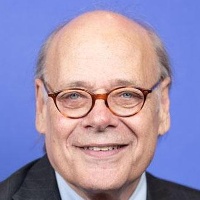
Steve Cohen
Representative
TN
Steve Cohen
Representative
TN
The Aviation Funding Stability Act of 2025 establishes an automatic mechanism to ensure the Federal Aviation Administration (FAA) remains funded during a lapse in appropriations. This allows the FAA to continue essential operations using existing funds from the Airport and Airway Trust Fund until a new budget or continuing resolution is enacted. Funding will cease after 30 days if no new appropriations are passed. This ensures continuity for core FAA programs, including operations, infrastructure, and grants.