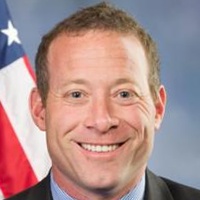
Legislative Activity
Track Josh's sponsored bills, co-sponsored legislation, and voting record
This bill terminates specific prior presidential tariff orders and requires Congressional approval for the President to impose new trade barriers or withdraw existing trade agreement concessions.
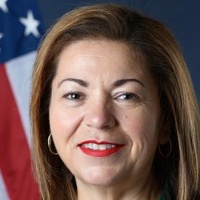
Linda Sánchez
Representative
CA
Linda Sánchez
Representative
CA
This Act immediately terminates specific existing presidential executive orders imposing tariffs. It requires Congressional approval via a fast-tracked joint resolution before the President can impose new trade barriers or withdraw existing trade agreement concessions. This ensures major new trade restrictions require legislative authorization, except in cases involving existing anti-dumping enforcement or specific trade dispute rulings.
This Act mandates the TSA to establish and regularly update strict hygienic guidelines for screening breast milk, formula, and other essential baby liquids during aviation security checks.
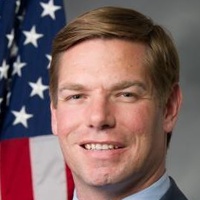
Eric Swalwell
Representative
CA
Eric Swalwell
Representative
CA
The Bottles and Breastfeeding Equipment Screening Enhancement Act mandates the TSA to develop and regularly update strict hygienic guidelines for screening breast milk, formula, and baby drinks at airport security checkpoints. These rules must be created in consultation with maternal health experts to minimize contamination risks during any necessary testing. Furthermore, the Inspector General will audit compliance with these new safety standards within one year of enactment.
This bill establishes the American Family Act, which revamps the Child Tax Credit into a system of refundable monthly advance payments for qualifying children and a separate credit for other dependents.

Rosa DeLauro
Representative
CT
Rosa DeLauro
Representative
CT
The American Family Act fundamentally overhauls the Child Tax Credit by replacing the annual lump sum with a system of advance, refundable monthly payments delivered directly to families. These monthly allowances vary based on the child's age, with higher amounts provided for younger children. The bill also establishes a separate, smaller credit for other dependents and outlines procedures for annual renewal and reconciliation of advance payments when filing taxes.
The Bolstering Research And Innovation Now (BRAIN) Act aims to accelerate brain tumor research, improve patient access to clinical trials and specialized care, and enhance long-term survivor support through new funding, transparency requirements, and public awareness campaigns.
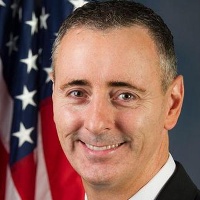
Brian Fitzpatrick
Representative
PA
Brian Fitzpatrick
Representative
PA
The Bolstering Research And Innovation Now (BRAIN) Act aims to significantly advance the fight against brain tumors by increasing research funding and improving patient access to care. This legislation establishes new networks for glioblastoma research, creates a public database for tracking biospecimens, and launches a national awareness campaign about clinical trials. Furthermore, the Act funds pilot programs to improve long-term care for survivors and directs the FDA to ensure brain tumor patients are not unfairly excluded from relevant clinical trials.
The Gas-Operated Semi-Automatic Firearms Exclusion (GOSAFE) Act prohibits the manufacture, sale, and possession of certain gas-operated semi-automatic firearms and large-capacity ammunition feeding devices, while establishing a formal process for firearm determinations and funding buy-back programs.
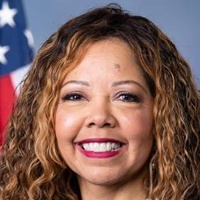
Lucy McBath
Representative
GA
Lucy McBath
Representative
GA
The Gas-Operated Semi-Automatic Firearms Exclusion Act (GOSAFE Act) prohibits the manufacture, sale, and possession of certain gas-operated semi-automatic firearms and large-capacity ammunition feeding devices (over 10 rounds). The bill establishes a formal process managed by the Attorney General and ATF to list prohibited firearms, while grandfathering existing possessions under strict transfer rules. Furthermore, it permits states to use federal Byrne grants for voluntary buy-back programs targeting these newly restricted items. Violations carry significant fines and potential prison sentences.
This bill establishes pilot projects for the Department of Homeland Security to test advanced technologies, including AI, to improve the detection of contraband like fentanyl at U.S. land ports of entry.
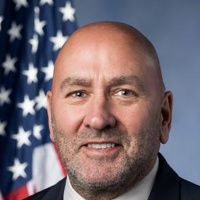
Clay Higgins
Representative
LA
Clay Higgins
Representative
LA
The CATCH Fentanyl Act mandates the Department of Homeland Security to establish pilot projects at land ports of entry to test advanced inspection technologies, including those utilizing Artificial Intelligence. These tests aim to improve the detection of contraband like fentanyl while increasing inspection efficiency. The Secretary must report on the effectiveness of these technologies and provide recommendations for nationwide deployment within five years of enactment.
The Brianna Lieneck Boating Safety Act of 2025 mandates a comprehensive study on recreational vessel operator education and training to evaluate existing programs and recommend minimum federal standards.
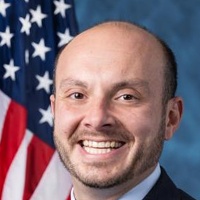
Andrew Garbarino
Representative
NY
Andrew Garbarino
Representative
NY
The Brianna Lieneck Boating Safety Act of 2025 mandates a comprehensive study on recreational vessel operator education and training programs. This report will analyze existing state and federal training standards, course materials, and testing procedures. The goal is to evaluate current reciprocity among states and recommend minimum federal education standards to enhance boater safety.
This act bans bump stocks and similar devices that increase the firing rate of semi-automatic firearms, requiring registration for any previously modified weapons.
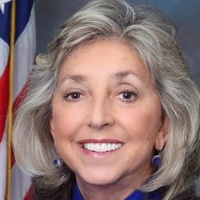
Dina Titus
Representative
NV
Dina Titus
Representative
NV
The Closing the Bump Stock Loophole Act of 2025 seeks to amend federal gun laws by banning devices and modifications that significantly increase the rate of fire of semiautomatic firearms, effectively treating them like machineguns. The bill specifically prohibits the manufacture, sale, or possession of such accessories and modified firearms after 120 days of enactment. Existing owners of previously modified firearms must register them under the National Firearms Act within that same timeframe to legally keep them.
This Act expands Medicare coverage to include audiology services provided directly by qualified audiologists starting in 2027, removing physician supervision and referral requirements.

Gus Bilirakis
Representative
FL
Gus Bilirakis
Representative
FL
The Medicare Audiology Access Improvement Act of 2025 expands Medicare coverage for audiology services, beginning in 2027. This legislation allows qualified audiologists to provide diagnostic and treatment services without physician referral or supervision, as permitted by state law. The bill also specifies payment rates and includes audiologists in coverage for Rural Health Clinics and Federally Qualified Health Centers.
This resolution expresses Congressional support for the "Rise Up for LGBTQI+ Youth in Schools Initiative," urging communities to ensure equal educational opportunity and civil rights protections for all students in K-12 schools.
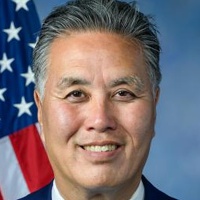
Mark Takano
Representative
CA
Mark Takano
Representative
CA
This resolution expresses strong Congressional support for the "Rise Up for LGBTQI+ Youth in Schools Initiative," urging communities nationwide to ensure equal educational opportunities and civil rights protections for all students. It calls for K-12 schools to become safe and affirming environments, free from discrimination, bullying, and erasure of LGBTQI+ identities. The bill specifically encourages states and local governments to adopt policies that actively protect LGBTQI+ youth from bias and exclusion.
The Raise the Wage Act of 2025 gradually increases the federal minimum wage to \$17.00, phases out subminimum wages for tipped employees and workers with disabilities, and eliminates the subminimum wage for young workers.
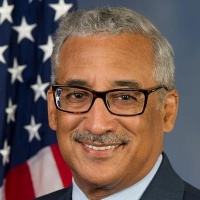
Robert Scott
Representative
VA
Robert Scott
Representative
VA
The Raise the Wage Act of 2025 establishes a phased increase of the federal minimum wage, culminating in a \$17.00 per hour rate five years after enactment, followed by automatic annual adjustments tied to median wage growth. This bill also phases out the lower minimum wage for tipped employees and workers under 20, ensuring they eventually earn the standard federal minimum wage. Furthermore, it sets a schedule to eliminate subminimum wages for individuals with disabilities and prohibits the issuance of new special certificates allowing for lower pay.
This Act establishes a specific P visa category for temporary workers employed by traveling carnivals, circuses, and associated concession providers, while subjecting them to existing H-2B temporary worker regulations.
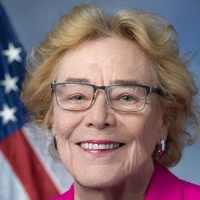
Zoe Lofgren
Representative
CA
Zoe Lofgren
Representative
CA
The Carnivals are Real Entertainment Act establishes a specific P visa pathway for temporary workers employed by traveling carnivals, circuses, and associated concession providers. This new classification ensures essential mobile entertainment staff can enter the U.S. while adhering to existing H-2B temporary worker program regulations. The law mandates that the Secretaries of Homeland Security and Labor develop and finalize the necessary rules within one year of enactment.
This Act strengthens federal enforcement against child exploitation by updating kidnapping definitions, restricting defenses for crimes against minors, creating new offenses for touching minors, and making technical amendments to sexual abuse and civil rights statutes.
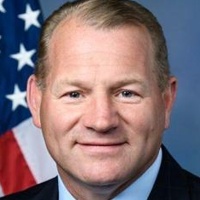
Troy Nehls
Representative
TX
Troy Nehls
Representative
TX
The Strengthening Child Exploitation Enforcement Act updates federal laws concerning kidnapping and sexual abuse of minors. It clarifies kidnapping definitions, bars consent as a defense for offenses against victims under 16 unless reasonable belief of age is proven, and creates a new federal offense for non-consensual touching of minors for sexual gratification. The bill also makes technical amendments to sentencing guidelines and cross-references related to abusive sexual contact.
This bill officially terminates the national emergency declared by the President on April 2, 2025, under Executive Order 14257.
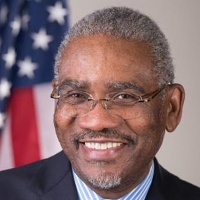
Gregory Meeks
Representative
NY
Gregory Meeks
Representative
NY
This bill officially terminates the national emergency that the President declared on April 2, 2025, under Executive Order 14257. It utilizes the authority of the National Emergencies Act to immediately end the emergency declaration. Consequently, all special powers and authorities activated by that declaration are rescinded.
This Act establishes federal minimum standards for public employee collective bargaining rights, allowing states to maintain their own laws if they meet or exceed these standards, otherwise the Federal Labor Relations Authority will enforce federal rules.
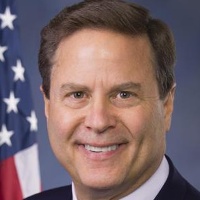
Donald Norcross
Representative
NJ
Donald Norcross
Representative
NJ
The Public Service Freedom to Negotiate Act of 2025 establishes federal minimum standards for collective bargaining rights for public employees across the nation. It requires the Federal Labor Relations Authority (FLRA) to review state laws to ensure they substantially provide these minimum rights, including the right to organize and bargain collectively. If a state fails to meet these standards, the FLRA will administer federal labor relations rules for the uncovered employees. The Act also prohibits strikes or lockouts that would measurably disrupt emergency or public safety services.
This bill mandates a study on the prevalence of liver fluke-related cancer among Vietnam veterans and extends a current limitation on certain pension payments.
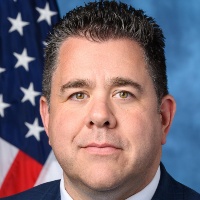
Nicolas LaLota
Representative
NY
Nicolas LaLota
Representative
NY
This Act mandates a comprehensive study, conducted by the VA in partnership with the CDC, to determine the prevalence of cholangiocarcinoma (liver cancer) among veterans who served in the Vietnam theater. The study will compare cancer rates in this veteran population against the general U.S. population and report findings to Congress. Additionally, the bill extends a current limitation on certain veteran pension payments until the end of 2031.
This act authorizes $20 million annually through fiscal year 2030 for the NINDS to supplement research specifically focused on unruptured brain aneurysms across diverse populations.
Brian Fitzpatrick
Representative
PA
Brian Fitzpatrick
Representative
PA
The Ellie Helton, Lisa Colagrossi, Kristen Shafer Englert, Teresa Anne Lawrence, and Jennifer Sedney Focused Research Act, or "Ellies Law," addresses the high incidence and devastating impact of brain aneurysms in the U.S. The bill authorizes $20 million annually from Fiscal Year 2026 through 2030 for the National Institute of Neurological Disorders and Stroke (NINDS). This dedicated funding is specifically intended to supplement existing research efforts focused on unruptured intracranial aneurysms across diverse populations.
The No Tax Breaks for Union Busting Act denies businesses tax deductions for expenses incurred while influencing employees regarding union organization and activities.
Donald Norcross
Representative
NJ
Donald Norcross
Representative
NJ
The No Tax Breaks for Union Busting (NTBUB) Act aims to disallow businesses from deducting federal income taxes for expenses incurred while attempting to influence employees regarding union organization or activities. This change is intended to stop companies from subsidizing anti-union campaigns through tax write-offs. The bill also establishes new, significant reporting requirements and penalties for businesses and third-party consultants who engage in these influence expenditures.
The End Kidney Deaths Act establishes a \$50,000 federal tax credit over five years for individuals who make non-directed living kidney donations between 2027 and 2036.
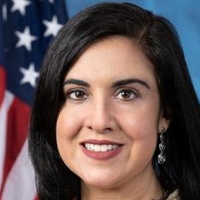
Nicole Malliotakis
Representative
NY
Nicole Malliotakis
Representative
NY
The End Kidney Deaths Act establishes a new federal tax credit for individuals who make non-directed living kidney donations. Eligible donors will receive an annual \$10,000 tax credit for five consecutive years, totaling a potential \$50,000 benefit. This provision is designed to incentivize altruistic donation while ensuring the credit is not considered payment for the organ.
The UNPLUGGED Act of 2025 mandates that public schools establish and enforce policies prohibiting students from possessing or using personal electronic devices, like cell phones, during school hours, while providing exceptions for medical or special needs.
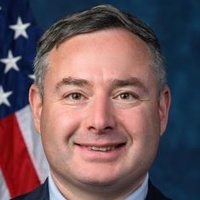
Eugene Vindman
Representative
VA
Eugene Vindman
Representative
VA
The UNPLUGGED Act of 2025 mandates that public schools establish and enforce policies prohibiting students from possessing or using personal electronic devices, such as cell phones, during school hours. This aims to improve academic focus and student well-being by minimizing classroom distractions, cheating, and cyberbullying. States must develop secure storage methods for these devices, though exceptions exist for documented medical or disability-related needs. The Act also establishes federal grants to help schools fund the necessary secure storage infrastructure.