Legislative Activity
Track Josh's sponsored bills, co-sponsored legislation, and voting record
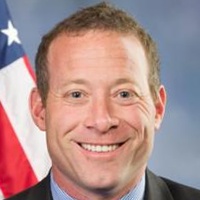
This Act authorizes the Secretary of State to designate foreign countries as "State Sponsors of Unlawful or Wrongful Detention" and outlines congressional oversight and mandatory review of U.S. response tools against such nations.

J. Hill
Representative
AR
J. Hill
Representative
AR
The Countering Wrongful Detention Act of 2025 authorizes the Secretary of State to designate foreign countries as "State Sponsors of Unlawful or Wrongful Detention" if they illegally hold U.S. citizens. This designation triggers mandatory reviews of diplomatic and legal tools to deter such actions. Furthermore, Congress must approve these designations for them to remain in effect beyond six months.
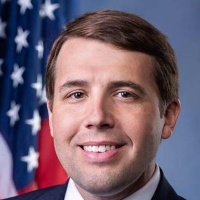
This Act prohibits the use of "panic defenses" in federal court that attempt to excuse or mitigate crimes based on a victim's sexual orientation or gender identity.
Chris Pappas
Representative
NH
Chris Pappas
Representative
NH
The LGBTQ+ Panic Defense Prohibition Act of 2025 bans the use of "panic defenses" in federal court, which attempt to excuse or lessen a defendant's culpability for a crime based on the victim's sexual orientation or gender identity. This legislation recognizes that these outdated defenses rely on prejudice and undermine justice for LGBTQ+ individuals. The Act also requires the Attorney General to report annually on violent federal crimes motivated by bias against LGBTQ+ people.
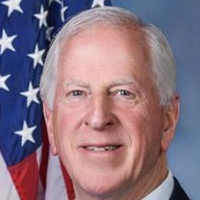
The CONNECT for Health Act of 2025 permanently expands Medicare telehealth access by removing geographic restrictions, increasing practitioner flexibility, bolstering program integrity, and mandating supports for quality remote care delivery.
Mike Thompson
Representative
CA
Mike Thompson
Representative
CA
The CONNECT for Health Act of 2025 significantly expands and permanently secures access to Medicare telehealth services by eliminating outdated geographic restrictions and allowing more practitioners to offer remote care. The bill also strengthens program integrity by dedicating funds for telehealth oversight while clarifying rules around providing necessary technology to patients. Finally, it mandates the creation of tailored educational resources and public reporting to improve quality measurement and transparency in remote care delivery.
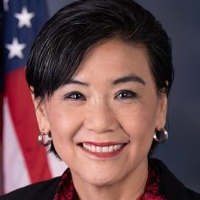
The PRIDE Act of 2025 extends the deadline for certain married couples to file joint tax returns based on past marriage recognition and updates the Internal Revenue Code with gender-neutral language for all married individuals.
Judy Chu
Representative
CA
Judy Chu
Representative
CA
The PRIDE Act of 2025 aims to update the Internal Revenue Code to ensure equal treatment and inclusive language for all married couples. It extends the deadline for certain legally married couples to file amended joint tax returns following past recognition changes. Furthermore, the bill systematically replaces gendered terms like "husband," "wife," and "his" with gender-neutral language such as "spouse" and "individual" across numerous tax provisions. These changes ensure consistent, equitable application of tax law regardless of gender identity.
The Equal Dignity for Married Taxpayers Act updates the Internal Revenue Code by replacing gendered language with gender-neutral terms to ensure consistent and equal application of tax laws for all legally married couples.
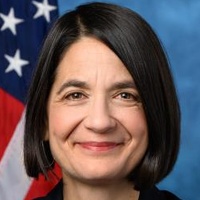
Becca Balint
Representative
VT
Becca Balint
Representative
VT
The Equal Dignity for Married Taxpayers Act modernizes the Internal Revenue Code by replacing gendered language with gender-neutral terms for all legally married couples. This sweeping update ensures consistency across tax rules regarding filing status, deductions, and credits, regardless of the spouses' genders. The bill clarifies that married couples are often treated as a single entity for specific tax purposes. Ultimately, this legislation updates terminology to reflect equal dignity for all married taxpayers.
This bill establishes an Office of LGBTQI Inclusion within the Administration on Aging, mandates data collection on discrimination, and ensures services under the Older Americans Act are accessible and culturally competent for LGBTQI older adults.
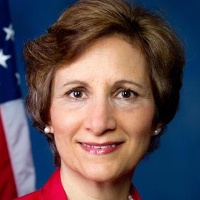
Suzanne Bonamici
Representative
OR
Suzanne Bonamici
Representative
OR
The Ruthie and Connie LGBTQI Elder Americans Act of 2025 aims to improve services and support for older adults who identify as LGBTQI. This bill establishes a new Office of LGBTQI Inclusion within the Administration on Aging and mandates the creation of a National Resource Center on LGBTQI Aging. Furthermore, it updates definitions, ensures eligibility for federal grants, and requires specific data collection on discrimination faced by this population in aging services.
This Act establishes grants to help K-12 schools implement telehealth programs for student mental and behavioral health services, prioritizing high-need and rural areas.
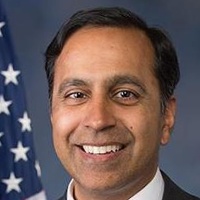
Raja Krishnamoorthi
Representative
IL
Raja Krishnamoorthi
Representative
IL
The Connecting Students with Mental Health Services Act establishes a new grant program to enhance mental and behavioral health support for K-12 students through telehealth services. These grants prioritize funding for schools in high-poverty, rural, or underserved areas to acquire necessary equipment and staff for remote care delivery. The program aims to expand access to mental health services while ensuring strict compliance with student privacy laws.
This Act establishes new federal requirements for corrosion prevention and repair on bridges using certified contractors and qualified training programs, while also making federal funds available for rail bridge corrosion control and mandating a study on weathering steel efficacy.

John Garamendi
Representative
CA
John Garamendi
Representative
CA
The Bridge Corrosion Prevention and Repair Act of 2025 establishes new federal requirements to combat bridge rust and decay on federally funded projects by mandating the use of certified contractors and qualified training programs for corrosion control work. The bill also makes federal grant funding explicitly available for corrosion control work on rail bridges. Furthermore, it directs the Secretary of Transportation to conduct a comprehensive study on the efficacy and maintenance of weathering steel bridges within 18 months.
This act establishes a new federal crime specifically targeting individuals who knowingly defraud veterans or attempt to steal their federal benefits.
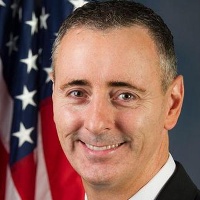
Brian Fitzpatrick
Representative
PA
Brian Fitzpatrick
Representative
PA
The Preventing Crimes Against Veterans Act of 2025 establishes a new federal crime specifically targeting individuals who knowingly defraud veterans or attempt to steal their federal benefits. This legislation creates enhanced penalties, including potential fines and imprisonment up to five years, for those convicted of such schemes. The Act ensures robust legal tools are in place to protect veterans from financial exploitation related to their earned benefits.
This resolution formally recognizes the history, achievements, and ongoing struggles of the LGBTQIA+ community while encouraging the celebration of Pride Month and affirming that LGBTQIA+ rights are human rights.

Al Green
Representative
TX
Al Green
Representative
TX
This resolution formally recognizes the history, achievements, and ongoing struggles of the LGBTQIA+ community in the United States. It serves as a declaration by Congress affirming that LGBTQIA+ rights are human rights and encouraging the celebration of Pride Month. The bill highlights key historical milestones, legal victories, and acknowledges the persistent challenges and violence faced by the community. Ultimately, it commits the U.S. to continuing the pursuit of full equality for all citizens.
The Women’s Health Protection Act of 2025 establishes a federal right to access abortion services before fetal viability and protects the right to travel for care, overriding state restrictions that place burdens on abortion access not imposed on comparable medical procedures.
Judy Chu
Representative
CA
Judy Chu
Representative
CA
The Women’s Health Protection Act of 2025 establishes a federal statutory right to access abortion services, prohibiting medically unnecessary restrictions that impede care before fetal viability. This Act protects the right of patients to travel across state lines to receive reproductive healthcare and allows providers to offer services free from state interference that conflicts with established medical standards. It preempts conflicting state and local laws and provides robust enforcement mechanisms for individuals and the Attorney General to challenge violations.
This Act prohibits states from interfering with or penalizing individuals who provide, receive, or facilitate abortion services that are legal in the state where the service occurs, including interstate travel for such care.

Lizzie Fletcher
Representative
TX
Lizzie Fletcher
Representative
TX
The Ensuring Women’s Right to Reproductive Freedom Act prohibits states from interfering with or retaliating against individuals who provide or receive abortion services that are legal in the state where the service occurs. This protection extends to interstate travel for legal abortion care and the movement of FDA-approved abortion-related drugs across state lines. Individuals harmed by violations can sue in federal court for damages and legal fees.
This Act allows certain investment companies to exclude the fees and expenses of underlying business development companies when reporting total acquired fund costs on their SEC registration statements.
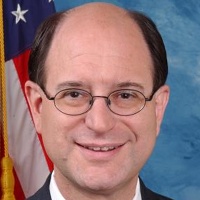
Brad Sherman
Representative
CA
Brad Sherman
Representative
CA
The Access to Small Business Investor Capital Act amends SEC reporting requirements for certain investment companies. This change allows these companies to exclude the indirect fees and expenses incurred from investing in an Acquired Fund, provided that Acquired Fund is a business development company. This simplifies the calculation of total "Acquired Fund Fees and Expenses" disclosed on registration statements.
The HALOS Act of 2025 amends Regulation D to create specific exceptions allowing startups to present investment opportunities at certain sponsored events without violating the general solicitation ban.
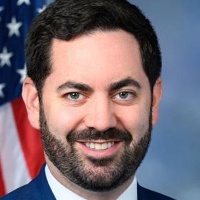
Michael Lawler
Representative
NY
Michael Lawler
Representative
NY
The HALOS Act of 2025 modifies SEC Regulation D to create specific exceptions to the general solicitation ban for private capital raising. This allows qualifying companies to present investment opportunities at events sponsored by approved entities like universities or angel groups. Sponsors must adhere to strict rules regarding advertising, advice, and compensation to ensure compliance. This change focuses only on the presentation phase and does not alter the rules for the actual sale of securities.
This Act prohibits discrimination against qualified individuals with disabilities in all aspects of the organ transplant process, requiring reasonable accommodations and support structures.
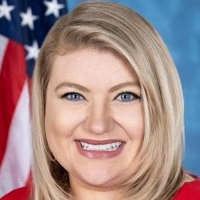
Katherine Cammack
Representative
FL
Katherine Cammack
Representative
FL
The Charlotte Woodward Organ Transplant Discrimination Prevention Act prohibits discrimination against qualified individuals with disabilities in all aspects of the organ transplant process. This legislation ensures that a disability alone cannot be a basis for denying a transplant, referral, or listing. It mandates reasonable modifications and the provision of necessary support, including recognizing support networks, unless the disability presents a medically significant barrier to the transplant itself. The Act ensures these protections apply from initial evaluation through post-transplant care and does not diminish existing state or local protections.
This bill establishes a pilot program to provide grants for training family caregivers of young children with autism or developmental disabilities in essential skills to improve child well-being and community involvement.
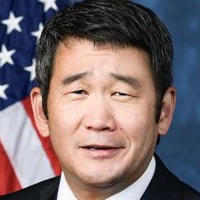
Dave Min
Representative
CA
Dave Min
Representative
CA
The Autism Family Caregivers Act of 2025 establishes a new pilot program to award grants for evidence-based skills training to family caregivers of children with autism or developmental disabilities. This training aims to improve child well-being and community engagement by focusing on communication, daily living skills, and caregiver self-care. The Secretary of Health and Human Services will oversee the program, which requires grantees to establish diverse advisory committees and report annually on program effectiveness. Funding is authorized through fiscal year 2030 to support at least 25 entities across multiple states.
This Act mandates that pharmacies must promptly provide or facilitate access to FDA-approved contraception and related medications, prohibiting discrimination and interference in dispensing these products.
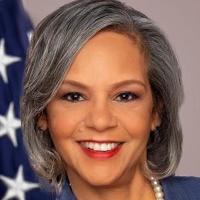
Robin Kelly
Representative
IL
Robin Kelly
Representative
IL
The Access to Birth Control Act establishes federal requirements for pharmacies to ensure timely and non-discriminatory access to FDA-approved contraception and related medications. Pharmacies must immediately dispense in-stock items or promptly refer customers or order out-of-stock products. This law prohibits employee interference, misinformation, or harassment, while also setting penalties for non-compliance.
This Act directs the Secretary of HHS to issue guidance on Medicaid/CHIP coverage for postpartum pelvic health services and establishes a national education campaign on the topic.
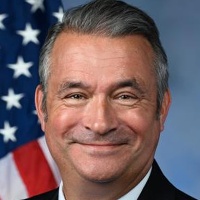
Don Bacon
Representative
NE
Don Bacon
Representative
NE
The Optimizing Postpartum Outcomes Act of 2025 aims to improve women's health after childbirth by clarifying Medicaid/CHIP coverage for essential pelvic health services. It mandates federal guidance for states on covering services like pelvic floor exams and physical therapy, alongside establishing a national education campaign for both providers and new mothers. The bill also directs the GAO to study existing coverage gaps for postpartum women under Medicaid.
This resolution affirms U.S. support for Israel's actions to dismantle Iran's nuclear capabilities and condemns Iran's retaliatory attacks on Israeli civilians.
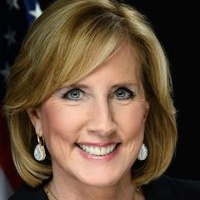
Claudia Tenney
Representative
NY
Claudia Tenney
Representative
NY
This resolution expresses the strong support of the U.S. Congress for Israel's recent military actions aimed at dismantling Iran's nuclear enrichment capabilities. It condemns Iran's advancement toward nuclear weapons and its retaliatory attacks against Israeli civilians. Furthermore, the bill urges Iran to immediately cease all nuclear activities and reaffirms the United States' commitment to Israel's security.
This act establishes regional centers to research, develop, and train for enhanced cybersecurity across the American food and agriculture supply chain.
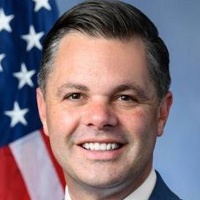
Zachary (Zach) Nunn
Representative
IA
Zachary (Zach) Nunn
Representative
IA
The Cybersecurity in Agriculture Act of 2025 establishes a program to create five Regional Agriculture Cybersecurity Centers. These centers will focus on research, development, and training to secure the nation's food supply chain against cyber threats. The bill authorizes $25 million annually through fiscal year 2030 to fund these university-led initiatives.