Legislative Activity
Track Brett's sponsored bills, co-sponsored legislation, and voting record
This bill authorizes the acquisition of approximately 132 acres of land to expand the Camp Nelson National Monument and officially changes the monument's name to remove the word "Heritage."
Garland Barr
Representative
KY
Garland Barr
Representative
KY
This bill authorizes the Secretary of the Interior to acquire approximately 132 acres of land to expand the boundaries of the Camp Nelson National Monument. Additionally, it officially changes the monument's name by removing the word "Heritage" from its title across all federal documents. This ensures the monument is consistently referred to as the Camp Nelson National Monument.
The Secure Space Act of 2025 prohibits the FCC from granting U.S. satellite licenses or earth station authorizations to entities that provide covered communications equipment or services.
Frank Pallone
Representative
NJ
Frank Pallone
Representative
NJ
The Secure Space Act of 2025 amends existing law to prohibit the FCC from granting satellite licenses, market access, or earth station authorizations to entities that own or control companies providing "covered communications equipment or service." This measure aims to restrict access to U.S. satellite operations for specific foreign-linked entities. The FCC is required to implement the necessary rules within one year of the Act's enactment.
This Act clarifies the duty treatment of whiskies by updating the Harmonized Tariff Schedule and requiring the USITC to add statistical tracking codes for imported whiskies.
Steve Womack
Representative
AR
Steve Womack
Representative
AR
The Duty Drawback Clarification Act updates the U.S. tariff schedule to standardize the classification of whiskies under Chapter 22. This legislation removes an outdated whiskey classification code and requires the U.S. International Trade Commission to add new statistical tracking codes for imports. These changes will take effect 15 days after the Act is officially enacted.
The S-CAP Act of 2025 increases the maximum number of shareholders a business can have to qualify as an S corporation from 100 to 250, effective for tax years beginning after December 31, 2025.
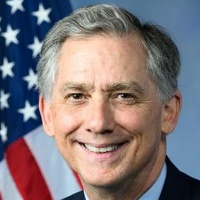
J. Hill
Representative
AR
J. Hill
Representative
AR
The S-CAP Act of 2025 significantly increases the maximum number of shareholders a business can have while qualifying for S corporation tax status, raising the limit from 100 to 250. This change is designed to allow more small businesses to benefit from pass-through taxation. This new 250-shareholder limit will take effect for tax years beginning after December 31, 2025.
The Affordable Housing Credit Improvement Act of 2025 updates state allocation formulas, reforms tenant eligibility and credit determination rules, and enhances assistance for Native American and rural housing projects.
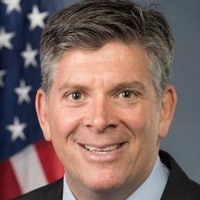
Darin LaHood
Representative
IL
Darin LaHood
Representative
IL
The Affordable Housing Credit Improvement Act of 2025 updates federal housing tax credit allocations to reflect current economic realities and boosts minimum state allotments. It reforms tenant eligibility rules to stabilize tenancy and enhance protections for vulnerable residents, including victims of abuse. The bill also provides disaster relief for property owners, increases incentives for housing the extremely low-income, and directs greater resources toward Native American and rural housing needs. Finally, it streamlines administrative processes and signals a future focus on data transparency and discouraging restrictive local zoning.
This Act imposes sweeping, mandatory sanctions, tariffs, and investment prohibitions on the Russian Federation and its affiliates until Russia negotiates a lasting peace with Ukraine.
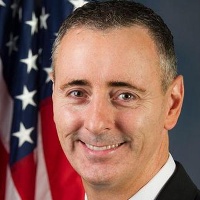
Brian Fitzpatrick
Representative
PA
Brian Fitzpatrick
Representative
PA
The Sanctioning Russia Act of 2025 imposes sweeping economic penalties on the Russian Federation in response to its aggression against Ukraine. This legislation mandates severe, immediate sanctions against key Russian officials, financial institutions, and energy sector entities, including asset freezes and trade prohibitions. Furthermore, the Act dramatically increases import duties on Russian goods and requires the President to review and reimpose these measures until Russia negotiates a lasting peace with Ukraine.
This bill establishes a non-legislative Select Committee in the House of Representatives to investigate the operations and networks of Mexican drug cartels and report findings and policy suggestions.

Dan Crenshaw
Representative
TX
Dan Crenshaw
Representative
TX
This bill establishes the Select Committee to Defeat the Mexican Drug Cartels, a non-legislative investigative body within the House of Representatives. The committee will be composed of up to 21 members tasked with investigating the operations and networks of Mexican drug cartels and the government responses to them. While it cannot pass laws, the committee must report its findings and policy suggestions to the House and relevant committees by specific deadlines, with final reports made public by the end of 2026.
The SHORT Act redefines "firearm" to exclude certain collector's items, eliminates disparate federal treatment of short-barreled rifles and shotguns, preempts state and local registration/tax burdens on these items, and mandates the destruction of certain existing NFA records.
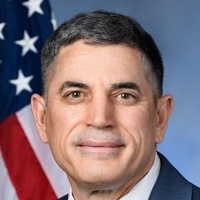
Andrew Clyde
Representative
GA
Andrew Clyde
Representative
GA
The SHORT Act aims to reform federal firearms regulations by redefining what constitutes a "firearm" for tax purposes, largely excluding antique or collector's items. It eliminates disparate federal treatment for short-barreled rifles and shotguns used lawfully and preempts state and local governments from imposing special taxes or registration requirements on these specific weapons. Furthermore, the bill mandates the destruction of certain existing federal registration and transfer records related to defined firearms.
This bill establishes national reciprocity for concealed carry permits, allowing individuals legally permitted to carry in their home state to carry a handgun in any other state that allows concealed carry.
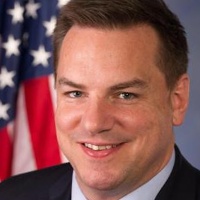
Richard Hudson
Representative
NC
Richard Hudson
Representative
NC
The Constitutional Concealed Carry Reciprocity Act of 2025 establishes a national standard for carrying concealed handguns across state lines. This act allows individuals legally permitted to carry in their home state to carry concealed in any other state that allows its residents to carry concealed firearms. The law does not override private property restrictions or prohibitions on government property, but it provides protections and legal recourse for those traveling in compliance with the new federal standard.
The Fair and Open Competition Act of 2025 prohibits the federal government from requiring or penalizing bidders or contractors on federally funded construction projects based on their agreement or non-agreement with labor unions.
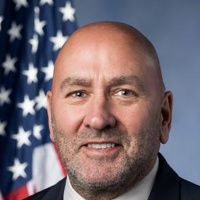
Clay Higgins
Representative
LA
Clay Higgins
Representative
LA
The Fair and Open Competition Act of 2025 ensures fair competition on federally funded construction projects by prohibiting the government from requiring or penalizing bidders based on union agreements. This legislation aims to keep federal agencies neutral in labor relations while promoting cost savings and opening opportunities for all businesses. Exceptions to this neutrality rule are strictly limited to specific public health, safety, or national security emergencies.
This bill allows investors to defer taxes on capital gain dividends from mutual funds when those dividends are automatically reinvested until the shares are sold or the investor passes away.
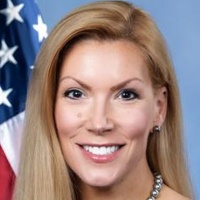
Beth Van Duyne
Representative
TX
Beth Van Duyne
Representative
TX
This bill, the Generating Retirement Ownership through Long-Term Holding Act, allows individual investors to defer paying taxes on capital gain dividends from mutual funds if those dividends are automatically reinvested into more fund shares. Taxes on these deferred gains are only due when the investor sells the shares or upon death. This provision aims to encourage long-term investment in mutual funds by providing immediate tax relief on reinvested earnings.
The TAP Promotion Act mandates a standardized, one-hour presentation on available VA benefits during mandatory preseparation counseling for service members.
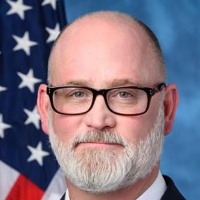
Derrick Van Orden
Representative
WI
Derrick Van Orden
Representative
WI
The TAP Promotion Act mandates a standardized, one-hour presentation on available VA benefits during mandatory preseparation counseling for service members. This presentation must be developed and approved by the Secretary of Veterans Affairs in consultation with recognized Veterans Service Organizations (VSOs). The goal is to ensure separating service members are fully informed of their entitlements and how VSOs can assist with filing claims.
The Veterans Readiness and Employment Transparency Act of 2025 improves outreach and transparency for VA training and rehabilitation programs for veterans with service-connected disabilities.
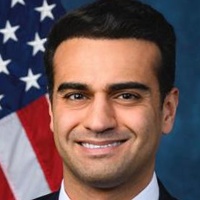
Abraham Hamadeh
Representative
AZ
Abraham Hamadeh
Representative
AZ
The Veterans Readiness and Employment Transparency Act of 2025 aims to improve outreach by the Department of Veterans Affairs (VA) for training and rehabilitation programs for veterans with service-connected disabilities by establishing a dedicated phone number and contact information on regional office websites. It also mandates monthly Q&A sessions between VA employees and school certifying officials, as well as in-person briefings at educational institutions. The Act requires the Secretary to submit an annual report on vocational rehabilitation program extensions and approve or reject extension requests within 30 days.
The "Federal Firearms Licensee Protection Act of 2025" increases penalties for stealing firearms from licensed dealers, manufacturers, or importers, especially during burglaries or robberies, and clarifies related definitions.
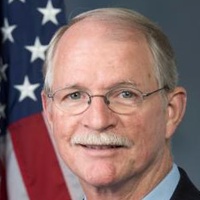
John Rutherford
Representative
FL
John Rutherford
Representative
FL
The "Federal Firearms Licensee Protection Act of 2025" increases penalties for stealing firearms from licensed dealers. It sets stricter punishments, including up to 20 years in prison, for violating laws related to firearm theft. The act also mandates minimum prison sentences of 3 years for burglaries and 5 years for robberies targeting licensed firearm businesses.
The "Roberto Clemente Commemorative Coin Act" directs the Treasury to mint coins in 2027 honoring Roberto Clemente, with surcharges benefiting the Roberto Clemente Foundation.
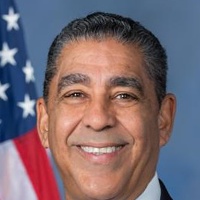
Adriano Espaillat
Representative
NY
Adriano Espaillat
Representative
NY
The Roberto Clemente Commemorative Coin Act directs the Department of Treasury to mint and issue gold, silver, and half-dollar coins in 2027 to commemorate the life and legacy of Roberto Clemente. The coins' designs will represent Clemente's life, including his baseball achievements and humanitarian work. Surcharges from the coin sales will benefit the Roberto Clemente Foundation, supporting their educational programs, youth sports initiatives, disaster relief efforts, and historic preservation projects. The Act ensures that the coin program will not incur any net cost to the United States government.
To award a Congressional Gold Medal to the 761st Tank Battalion, the first Black soldiers to serve in an American armored unit, for their valor and crucial contributions to the Allied victory in Europe.
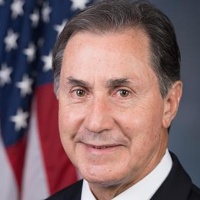
Gary Palmer
Representative
AL
Gary Palmer
Representative
AL
This bill authorizes the Speaker of the House and the President pro tempore of the Senate to award a Congressional Gold Medal to the 761st Tank Battalion, also known as the "Black Panthers," in recognition of their courageous service and crucial contributions during World War II. The medal will be given to the National Museum of African American History and Culture for display, honoring the 761st as the first Black soldiers to serve in an American armored unit and their significant role in the Allied victory in Europe. The bill also allows for the creation and sale of bronze duplicates of the medal to support the United States Mint Public Enterprise Fund.
This resolution condemns the Iranian regime’s terrorism and human rights abuses while affirming support for the Iranian people’s right to establish a democratic, secular, and non-nuclear republic.
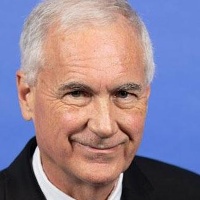
Tom McClintock
Representative
CA
Tom McClintock
Representative
CA
This resolution condemns the Iranian regime for its ongoing human rights abuses, state-sponsored terrorism, and regional instability. It expresses strong support for the Iranian people's struggle for a democratic, secular, and non-nuclear republic. Furthermore, the bill advocates for international accountability for the regime's crimes and calls for the protection of Iranian political refugees.
The "Protect and Serve Act of 2025" establishes federal penalties for intentionally causing serious harm or death to law enforcement officers because of their position, under certain circumstances, and requires Attorney General certification for federal prosecution in many cases.
John Rutherford
Representative
FL
John Rutherford
Representative
FL
The "Protect and Serve Act of 2025" creates federal offenses for intentionally causing serious injury or death to law enforcement officers because of their status as officers. It sets penalties including imprisonment and fines, with increased penalties if death results or if kidnapping or attempted killing is involved. Federal prosecution requires certification from the Attorney General, based on a request from the state or if it is in the public interest to ensure substantial justice. The act defines "law enforcement officer" and "State" for the purposes of the new offenses.
This bill adds the Secretary of Agriculture to the Committee on Foreign Investment in the United States (CFIUS) and requires CFIUS to review agricultural land transactions, especially those involving entities from China, North Korea, Russia, or Iran.
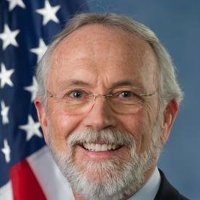
Dan Newhouse
Representative
WA
Dan Newhouse
Representative
WA
The "Protecting American Agriculture from Foreign Adversaries Act of 2025" adds the Secretary of Agriculture to the Committee on Foreign Investment in the United States (CFIUS) for agricultural matters. It mandates CFIUS review of agricultural land transactions, particularly those involving entities from China, North Korea, Russia, or Iran, to safeguard American agriculture. This ensures scrutiny of foreign investments in agricultural land and related industries, addressing potential threats to national security. The requirements for a specific country will end if that country is removed from the list of foreign adversaries in section 791.4 of title 15, Code of Federal Regulations.
Prohibits the purchase of real estate near U.S. federal lands by agents or businesses associated with the government of the People's Republic of China with 25% or more equity interest.
Dan Newhouse
Representative
WA
Dan Newhouse
Representative
WA
The "No American Land for Communist China Act" prohibits the President from allowing individuals or entities associated with the Chinese government from purchasing real estate near covered federal lands. Covered lands include those managed by the Departments of Interior, Defense, Agriculture (Forest Service), and Energy, as well as Indian country. This restriction applies to entities with at least 25% equity interest held by Chinese government-affiliated individuals or businesses. The Act defines "United States" broadly to include states, territories, and other U.S. possessions.