
Legislative Activity
Track Kirsten's sponsored bills, co-sponsored legislation, and voting record
The Paycheck Fairness Act strengthens equal pay protections by enhancing enforcement, restricting the use of salary history in hiring, and funding negotiation skills training to close gender-based wage gaps.
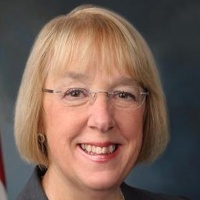
Patty Murray
Senator
WA
Patty Murray
Senator
WA
The Paycheck Fairness Act aims to strengthen protections against sex-based wage discrimination and close the gender pay gap. It enhances enforcement by tightening employer defenses for pay disparities, expanding anti-retaliation protections, and increasing penalties for violations. The bill also mandates new data collection by the EEOC and establishes grant programs to support negotiation skills training.
This resolution honors Dr. Mary Edwards Walker's life and legacy as a pioneering female surgeon, advocate for women's rights, and Medal of Honor recipient for her service during the Civil War.

Marsha Blackburn
Senator
TN
Marsha Blackburn
Senator
TN
This resolution honors the life and legacy of Dr. Mary Edwards Walker, a pioneering female surgeon during the Civil War who received the Medal of Honor for her meritorious service. It recognizes her contributions to medicine, her advocacy for women's rights, and her embodiment of service, courage, and resilience as a U.S. hero. The resolution also commits to preserving her story to inspire future generations to pursue justice and equality.
The Putting Veterans First Act of 2025 seeks to protect military-affiliated federal employees, stabilize and increase transparency at the VA, and strengthen procedural fairness and support for the federal workforce.
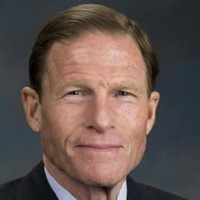
Richard Blumenthal
Senator
CT
Richard Blumenthal
Senator
CT
The Putting Veterans First Act of 2025 is a comprehensive bill designed to support military-affiliated federal employees by reversing past unfair employment actions and establishing new procedural safeguards against future disciplinary actions. It also imposes significant limitations, increased transparency, and accountability measures across the Department of Veterans Affairs (VA) regarding personnel actions, office closures, and contracting. Furthermore, the Act strengthens protections, mental health support, and employment assistance for civil servants while mandating extensive public reporting on VA operations and staffing.
This Act expands the Work Opportunity Tax Credit to include employers who hire military spouses.
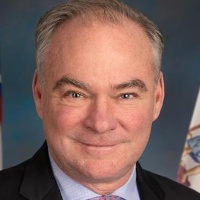
Timothy Kaine
Senator
VA
Timothy Kaine
Senator
VA
The Military Spouse Hiring Act amends the Work Opportunity Tax Credit (WOTC) to include military spouses as eligible hires. This allows employers to claim the tax credit for hiring individuals certified as spouses of active-duty military personnel. The provision applies to wages paid for individuals hired after the Act's enactment date.
This bill establishes the Dairy Nutrition Incentive Program to encourage SNAP recipients to purchase more nutrient-rich dairy products through point-of-sale incentives administered by eligible entities.

Amy Klobuchar
Senator
MN
Amy Klobuchar
Senator
MN
The Dairy Nutrition Incentive Program Act of 2025 establishes a new program to encourage households receiving SNAP benefits to purchase more naturally nutrient-rich dairy products through point-of-sale incentives. The Secretary of Agriculture will award grants to eligible entities to run these projects, prioritizing those that maximize direct incentives for participants. The law mandates rigorous, independent evaluation of all projects to scientifically measure the impact on dairy purchases, with required reporting to Congress.
The GENIUS Act of 2025 establishes a comprehensive federal framework for the issuance, reserve requirements, supervision, and bankruptcy treatment of payment stablecoins while clarifying their status outside of securities and commodities laws.
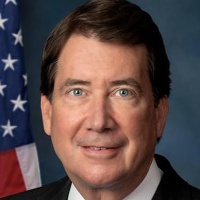
Bill Hagerty
Senator
TN
Bill Hagerty
Senator
TN
The GENIUS Act of 2025 establishes a comprehensive federal framework for regulating "payment stablecoins," defining who can issue them and mandating strict 1:1 reserve requirements backed by safe, liquid assets. This legislation grants primary federal regulators authority to license, supervise, and enforce rules on issuers, while also clarifying that these specific stablecoins are neither securities nor commodities. Furthermore, the Act prioritizes consumer protection by ensuring stablecoin holders have super-priority claims in bankruptcy proceedings and sets standards for international interoperability.
The Major Richard Star Act allows veterans with combat-related disabilities to receive both military retired pay and veteran's disability compensation without reduction.
Richard Blumenthal
Senator
CT
Richard Blumenthal
Senator
CT
The Major Richard Star Act allows veterans with combat-related disabilities to receive both veteran's disability compensation and military retired pay concurrently, without reduction. This act amends Title 10 of the United States Code to ensure that disability retirees with combat-related disabilities are not subject to reductions in retired pay due to receiving veteran's disability compensation. These changes will take effect the first day of the month following the enactment of the Act.
The Safe Schools Improvement Act mandates that states receiving federal funding establish clear anti-bullying policies, reporting systems, and evidence-based intervention methods to create safer learning environments for all students.
Timothy Kaine
Senator
VA
Timothy Kaine
Senator
VA
The Safe Schools Improvement Act aims to combat bullying and harassment in schools by requiring states that accept federal funding to establish clear anti-bullying policies, define prohibited conduct based on protected characteristics, and implement systems for reporting and tracking incidents. This legislation mandates that local districts inform all stakeholders about prohibited conduct and establish formal complaint processes. Furthermore, the bill requires regular state and federal evaluations to assess the effectiveness of these measures in reducing harmful behavior while respecting existing non-discrimination laws and free speech rights.
The Stop Comstock Act aims to modernize and streamline federal laws concerning obscene materials by removing outdated and redundant language from criminal and tariff codes.

Tina Smith
Senator
MN
Tina Smith
Senator
MN
The Stop Comstock Act aims to modernize and streamline federal laws concerning obscene materials. This legislation removes outdated and overly broad language, such as "indecent" and "immoral," from various sections of the U.S. Code and the Tariff Act. The bill focuses on technical clean-up to clarify existing statutes regarding the distribution and importation of materials.
The REDI Act allows medical and dental interns and residents to defer principal and interest payments on their student loans during their training programs.

Jacky Rosen
Senator
NV
Jacky Rosen
Senator
NV
The Resident Education Deferred Interest (REDI) Act allows medical and dental interns and residents to defer payments on their student loans during their training programs. This deferment specifically prevents principal payments and stops interest from accruing on the loan balance while the borrower is in residency or an internship. This ensures that medical professionals can focus on their training without accruing additional debt.
This bill prohibits the shackling and mandates the release of pregnant and postpartum noncitizens in immigration custody, except in extraordinary circumstances, while ensuring humane treatment and comprehensive medical care.
Patty Murray
Senator
WA
Patty Murray
Senator
WA
The Stop Shackling and Detaining Pregnant Women Act aims to significantly restrict the detention of pregnant and postpartum noncitizens in immigration custody. It mandates immediate testing for pregnancy upon intake and establishes a strong presumption against detention unless extraordinary, case-by-case public safety risks are proven. Furthermore, the bill strictly limits the use of physical restraints on pregnant detainees and requires comprehensive medical care, including reproductive health services, alongside detailed public reporting on detention statistics and restraint incidents.
This bill limits the application of the Religious Freedom Restoration Act (RFRA) when federal anti-discrimination, labor, funding, and equal access laws are being enforced, and clarifies that RFRA can only be used to challenge government actions in litigation.
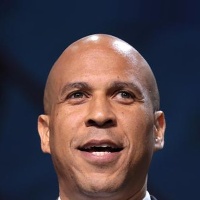
Cory Booker
Senator
NJ
Cory Booker
Senator
NJ
The Do No Harm Act amends the Religious Freedom Restoration Act (RFRA) to ensure that federal anti-discrimination, labor, and equal access laws take precedence over religious freedom claims in specific circumstances. This legislation clarifies that RFRA protections cannot be used to override requirements in federal contracts or agreements involving government funding. Furthermore, the Act explicitly limits the application of RFRA to challenges against government actions, precluding its use in private litigation between non-governmental parties.
Designates March 6, 2025, as "National Slam the Scam Day" to raise awareness and promote education to prevent government imposter and other pervasive scams.
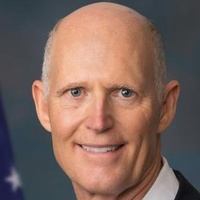
Rick Scott
Senator
FL
Rick Scott
Senator
FL
This resolution designates March 6, 2025, as "National Slam the Scam Day" to combat government imposter scams and other pervasive scams. It aims to raise awareness and promote education to protect individuals, especially older adults, from financial losses and identity theft. The resolution encourages reporting scams and supports the efforts of law enforcement, consumer groups, and financial institutions in preventing these scams. It also honors those who are actively fighting against government imposter scams.
The Richard L. Trumka Protecting the Right to Organize Act of 2025 significantly strengthens worker rights by overhauling the NLRA to impose stricter penalties on employers, redefine joint employment, protect striking workers, and mandate binding arbitration for first contracts.
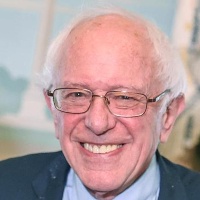
Bernard Sanders
Senator
VT
Bernard Sanders
Senator
VT
The Richard L. Trumka Protecting the Right to Organize Act of 2025 significantly strengthens the National Labor Relations Act to bolster worker organizing rights and impose stricter penalties on employers who violate labor laws. It redefines joint employment, makes it harder to classify workers as independent contractors, and bans class action waivers. The bill also establishes mandatory arbitration for first contracts and allows employees to sue employers directly for serious unfair labor practices.
The HELP Copays Act mandates that financial assistance provided by third parties for prescription drug costs must count toward a patient's deductible, copayments, and out-of-pocket limits.

Roger Marshall
Senator
KS
Roger Marshall
Senator
KS
The HELP Copays Act mandates that financial assistance provided by third parties, such as non-profits or drug manufacturers, must count toward a patient's deductible, copayment, and out-of-pocket maximums. This change ensures that patient cost-sharing requirements are met even when external aid is used to cover prescription drug costs. The new rules generally apply to plan years beginning on or after January 1, 2026.
This Act establishes a mandatory, expedited process, including binding arbitration, to speed up the negotiation and finalization of a first collective bargaining agreement after a union is certified.
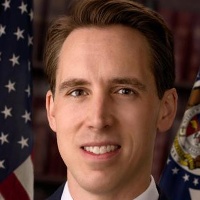
Joshua Hawley
Senator
MO
Joshua Hawley
Senator
MO
The Faster Labor Contracts Act aims to significantly speed up the process for newly unionized employees to secure their first collective bargaining agreement. It establishes mandatory timelines for negotiations, requiring mediation and, if necessary, binding arbitration if a deal is not reached within a set period. This legislation is designed to prevent lengthy delays that often undermine the unionization process.
The Child Care Workforce Act establishes a pilot program to provide grants to states and tribes to supplement the wages of eligible child care workers to improve retention, quality, and access to care.
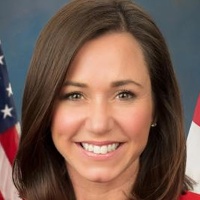
Katie Britt
Senator
AL
Katie Britt
Senator
AL
The Child Care Workforce Act establishes a pilot program to address child care shortages by providing federal grants to States, Tribes, and Tribal organizations. These funds are specifically designated to supplement the wages of eligible child care workers to improve recruitment, retention, and overall service quality. The Secretary of Health and Human Services will oversee the program, evaluate its impact on staffing and access to care, and report findings to Congress.
This Act significantly expands employer childcare tax credits, increases the tax exclusion for dependent care assistance programs, and introduces a new, refundable tax credit for household and dependent care expenses.
Katie Britt
Senator
AL
Katie Britt
Senator
AL
The Child Care Availability and Affordability Act aims to lower childcare costs for families and incentivize employers to offer benefits. It significantly expands the employer tax credit for providing childcare and increases the tax-free exclusion amount for employee Dependent Care Assistance Programs (DCAPs). Furthermore, the bill introduces a new, refundable tax credit for working families based on their household and dependent care expenses.
The Social Security Expansion Act increases Social Security benefits, changes cost-of-living adjustments, extends benefits to student children, raises payroll taxes on high earners, taxes investment gains, and establishes a new Social Security Trust Fund.
Bernard Sanders
Senator
VT
Bernard Sanders
Senator
VT
The Social Security Expansion Act aims to increase Social Security benefits across the board, including increased cost-of-living adjustments, expanded eligibility for students, and a higher minimum benefit for low-income earners. To fund these expansions, the bill raises payroll taxes on earnings above $250,000 and increases taxes on investment gains. It also establishes a new "Social Security Trust Fund" to manage the program's finances.
This act mandates that Federal Employees Health Benefits (FEHB) plans must cover a comprehensive range of fertility treatments, including preservation, assisted insemination, IVF, and related services.

Tammy Duckworth
Senator
IL
Tammy Duckworth
Senator
IL
The Family Building FEHB Fairness Act mandates that Federal Employee Health Benefit (FEHB) plans must cover a comprehensive range of fertility treatments. This coverage includes services such as egg and sperm preservation, various forms of assisted insemination, in vitro fertilization (IVF), and related medications and donor services. This expansion of benefits aims to provide essential reproductive healthcare access for federal employees and their families.