Legislative Activity
Track Russell's sponsored bills, co-sponsored legislation, and voting record
This Act mandates that hotels and short-term rentals must clearly display the total, all-inclusive price upfront in all advertisements to prevent hidden fees.
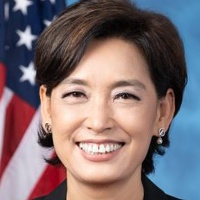
Young Kim
Representative
CA
Young Kim
Representative
CA
The Hotel Fees Transparency Act of 2025 mandates that hotels and short-term rentals must prominently display the total, all-inclusive price upfront in all advertisements, excluding only government taxes and optional fees. This new federal standard is designed to eliminate hidden fees by requiring the advertised price to reflect the base rate plus all mandatory service charges. The Federal Trade Commission (FTC) and State Attorneys General will enforce these rules against deceptive pricing practices.
This act prohibits the destruction of broadband internet access service facilities by expanding federal law to protect all such infrastructure, regardless of who operates it.
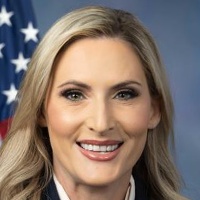
Laurel Lee
Representative
FL
Laurel Lee
Representative
FL
The Stopping the Theft and Destruction of Broadband Act of 2025 strengthens federal law to explicitly prohibit the destruction of broadband internet access service facilities. This update broadens protection beyond defense-related infrastructure to cover any privately or publicly operated broadband service. The Act provides a clear definition of what constitutes broadband internet access service under federal protection.
The Deliver for Veterans Act expands VA payment authority to cover adaptive vehicle shipping costs for eligible veterans and extends a limitation on certain pension payments.
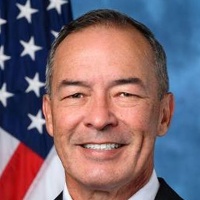
James (Jim) Moylan
Representative
GU
James (Jim) Moylan
Representative
GU
The Deliver for Veterans Act updates how the Department of Veterans Affairs supports eligible veterans by authorizing the VA to cover the full shipping costs for adaptive vehicles, in addition to the purchase price. This legislation also extends the expiration date for a specific limitation on certain veteran pension payments from late 2031 to March 2032.
This bill establishes strict deadlines for states to count ballots and certify federal election results, with penalties for non-compliance unless specific emergency exceptions apply.
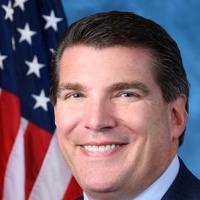
Jay Obernolte
Representative
CA
Jay Obernolte
Representative
CA
The Election Results Accountability Act establishes strict, new deadlines for states to count and officially certify the results of federal elections. States must release initial results within 72 hours and finalize certification within two weeks of poll closure. Penalties for missing these deadlines include the loss of federal election assistance funds, unless the delay is due to specific, agreed-upon emergencies or technical issues.
The POWER Act of 2025 establishes a temporary, income-limited tax credit of up to \$500 for qualified homeowners in disaster-prone areas who purchase an emergency generator.
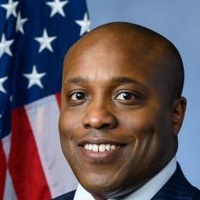
Wesley Hunt
Representative
TX
Wesley Hunt
Representative
TX
The POWER Act of 2025 establishes a new, temporary tax credit of up to $500 for individuals who purchase an emergency generator for their primary residence. To qualify, homeowners must have experienced at least two major disasters in their area within the last five years and personally received federal assistance for one of those events. The credit amount is subject to phase-out based on the taxpayer's modified adjusted gross income.
The PEACE Act mandates comprehensive education, training, fellowships, and advisory support within the State Department to promote understanding and implementation of the Abraham Accords and other normalization agreements with Israel.
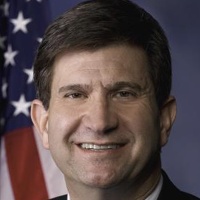
Bradley Schneider
Representative
IL
Bradley Schneider
Representative
IL
The PEACE Act mandates comprehensive education and training for State Department personnel regarding the Abraham Accords and other normalization agreements with Israel. It establishes an advisory board, composed of members selected by Congressional leadership, to guide curriculum development for these programs. Furthermore, the bill requires the Secretary of State to develop and report annually on a strategy for integrating this specialized training and implementing diplomatic fellowships with partner nations.
This Act mandates the designation of specific Iranian-aligned groups as Foreign Terrorist Organizations (FTOs) and requires the imposition of corresponding sanctions.
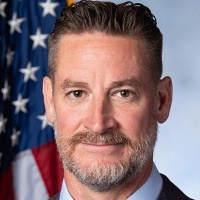
W. Steube
Representative
FL
W. Steube
Representative
FL
The Iranian Terror Prevention Act mandates the swift designation of specific Iranian-linked groups as Foreign Terrorist Organizations (FTOs) by the Secretary of State. It requires the President to impose existing sanctions on these designated groups and any affiliated entities within 60 days of enactment. Furthermore, the bill establishes ongoing reporting requirements to Congress regarding designations and the application of sanctions.
This Act permits 501(c)(3) organizations to make political campaign statements within the ordinary course of their tax-exempt activities, provided the cost is de minimis.
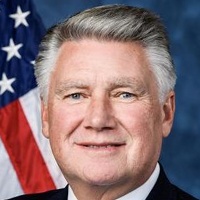
Mark Harris
Representative
NC
Mark Harris
Representative
NC
The Free Speech Fairness Act amends tax law to allow 501(c)(3) organizations to make political campaign statements without jeopardizing their tax-exempt status. This protection applies only if the statement is made as part of the organization's ordinary course of activities and incurs only a de minimis (trivial) cost. This ensures non-profits can speak on political matters related to their mission without penalty, provided spending remains minimal.
This Act prohibits state and local governments from imposing excise taxes on the sale of firearms, ammunition, or related parts in interstate or foreign commerce.
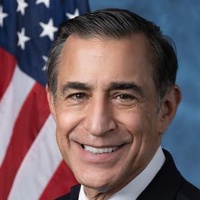
Darrell Issa
Representative
CA
Darrell Issa
Representative
CA
The Freedom from Unfair Gun Taxes Act of 2025 prohibits state and local governments from imposing excise taxes on the sale of firearms, ammunition, or firearm parts. This restriction specifically targets taxes levied on sales that involve interstate or foreign commerce. The Act explicitly preserves existing federal laws, such as the Pittman-Robertson Wildlife Restoration Act.
The SHORT Act redefines "firearm" to exclude certain collector's items, eliminates disparate federal treatment of short-barreled rifles and shotguns, preempts state and local registration/tax burdens on these items, and mandates the destruction of certain existing NFA records.
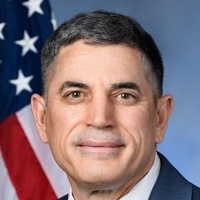
Andrew Clyde
Representative
GA
Andrew Clyde
Representative
GA
The SHORT Act aims to reform federal firearms regulations by redefining what constitutes a "firearm" for tax purposes, largely excluding antique or collector's items. It eliminates disparate federal treatment for short-barreled rifles and shotguns used lawfully and preempts state and local governments from imposing special taxes or registration requirements on these specific weapons. Furthermore, the bill mandates the destruction of certain existing federal registration and transfer records related to defined firearms.
This Act limits the FCC's authority to prohibit state and federal correctional facilities from using authorized cellphone jamming systems within their premises under specific operational and funding conditions.
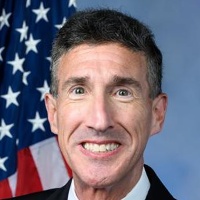
David Kustoff
Representative
TN
David Kustoff
Representative
TN
The Cellphone Jamming Reform Act of 2025 limits the FCC's authority to prohibit the use of cell phone jamming systems within jails and prisons. This legislation specifically permits state and federal correctional facilities to deploy jamming technology to block communications involving inmates or contraband devices. Any facility using these systems must adhere to strict operational limits, ensure state funding for state-run systems, and coordinate with local public safety officials beforehand.
This Act permits tax-exempt charities to fund collegiate housing and infrastructure projects for college social or athletic organizations without jeopardizing their charitable status, provided the housing primarily serves full-time students.
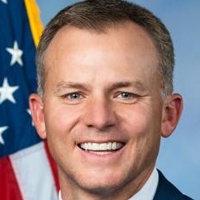
Blake Moore
Representative
UT
Blake Moore
Representative
UT
The Collegiate Housing and Infrastructure Act of 2025 permits qualifying charities to provide grants to college social or athletic organizations specifically for collegiate housing and infrastructure projects without jeopardizing their tax-exempt status. This legislation clarifies that such grants remain eligible for donor deductions, provided the housing primarily serves full-time students. The Act specifically excludes funding for physical fitness facilities from these provisions.
The No Harm Act prohibits the use of federal funds for sex-trait altering medical treatments for minors and establishes legal recourse for violations, parental consent requirements, and conscience protections for providers.
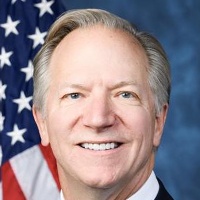
Robert Onder
Representative
MO
Robert Onder
Representative
MO
The No Harm Act prohibits the use of federal funds for sex-trait altering medical treatments for minors. It establishes strict parental consent requirements for such treatments in schools and allows civil lawsuits against entities that violate these prohibitions. Furthermore, the bill grants healthcare providers a broad right of conscience to refuse participation in these procedures without penalty.
This bill establishes national reciprocity for concealed carry permits, allowing individuals legally permitted to carry in their home state to carry a handgun in any other state that allows concealed carry.
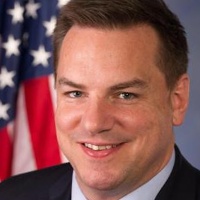
Richard Hudson
Representative
NC
Richard Hudson
Representative
NC
The Constitutional Concealed Carry Reciprocity Act of 2025 establishes a national standard for carrying concealed handguns across state lines. This act allows individuals legally permitted to carry in their home state to carry concealed in any other state that allows its residents to carry concealed firearms. The law does not override private property restrictions or prohibitions on government property, but it provides protections and legal recourse for those traveling in compliance with the new federal standard.
This Act prohibits performing an abortion solely because an unborn child has been diagnosed with Down syndrome and establishes penalties and civil actions for violations.
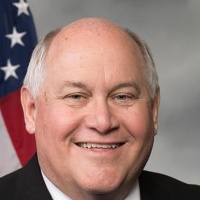
Ron Estes
Representative
KS
Ron Estes
Representative
KS
The Protecting Individuals with Down Syndrome Act prohibits performing an abortion solely because an unborn child has been diagnosed with Down syndrome. This law establishes criminal penalties for providers who violate the prohibition and allows civil lawsuits to be brought by qualified relatives. It also requires medical professionals to report suspected violations.
This bill prohibits healthcare providers from using savings obtained through the 340B drug pricing program to fund sex reassignment surgeries or hormone treatments for transgender individuals.
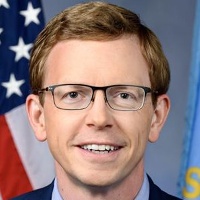
Dusty Johnson
Representative
SD
Dusty Johnson
Representative
SD
The No 340B Savings for Transgender Care Act prohibits healthcare providers participating in the 340B drug pricing program from using their savings to pay for sex reassignment surgeries or hormone treatments for transgender individuals. This legislation specifically restricts the use of discounted outpatient drug savings for gender transition-related medical services.
This act exempts surplus broiler hatching eggs sold to egg breakers from a specific current shell egg rule while mandating a new regulation for their handling and temperature control.
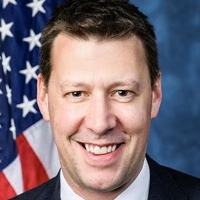
Josh Riley
Representative
NY
Josh Riley
Representative
NY
The Lowering Egg Prices Act of 2025 aims to reduce costs by streamlining the handling of surplus broiler hatching eggs sold to commercial egg breakers for processing into liquid egg products. This bill exempts these specific surplus eggs from certain current shell egg regulations. It also mandates the creation of a new rule within 180 days to establish appropriate temperature and time limits for holding these eggs before processing.
This act permanently establishes a 7-year recovery period for the depreciation of motorsports entertainment complexes for tax purposes.
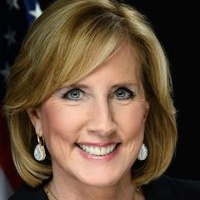
Claudia Tenney
Representative
NY
Claudia Tenney
Representative
NY
The Motorsports Fairness and Permanency Act of 2025 makes permanent a significant tax benefit for motorsports entertainment complexes. This legislation ensures these large venues can continue to use an accelerated 7-year recovery period for depreciating their building costs. By removing the previous expiration date, the Act provides long-term financial certainty for the industry.
The Fair and Open Competition Act of 2025 prohibits the federal government from requiring or penalizing bidders or contractors on federally funded construction projects based on their agreement or non-agreement with labor unions.
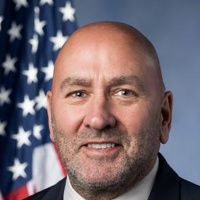
Clay Higgins
Representative
LA
Clay Higgins
Representative
LA
The Fair and Open Competition Act of 2025 ensures fair competition on federally funded construction projects by prohibiting the government from requiring or penalizing bidders based on union agreements. This legislation aims to keep federal agencies neutral in labor relations while promoting cost savings and opening opportunities for all businesses. Exceptions to this neutrality rule are strictly limited to specific public health, safety, or national security emergencies.
This bill authorizes the Secretary of Homeland Security to exchange approximately 160 acres of federal land near the Federal Law Enforcement Training Centers in Artesia, New Mexico, for approximately 160 acres of non-federal land owned by Caza Ranches LLC.
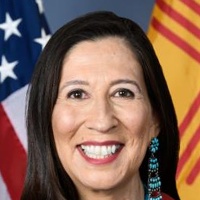
Teresa Leger Fernandez
Representative
NM
Teresa Leger Fernandez
Representative
NM
This bill authorizes the Secretary of Homeland Security to exchange approximately 160 acres of Federal land near the Federal Law Enforcement Training Centers in Artesia, New Mexico, for an equal value of approximately 160 acres of non-Federal land owned by Caza Ranches LLC. The exchange aims to consolidate property for the Centers' training mission, with all associated costs split equally between the parties. Upon completion, the acquired private land will become part of the Centers, and the transferred Federal land will be officially removed from the Centers' boundaries.