Legislative Activity
Track Russell's sponsored bills, co-sponsored legislation, and voting record
This Act prohibits lawsuits claiming discrimination based solely on the unintended, disproportionate statistical effect (disparate impact) of employment or housing practices.
Brandon Gill
Representative
TX
Brandon Gill
Representative
TX
The Restoring Equal Opportunity Act aims to eliminate "disparate-impact liability" across major federal laws. This bill prohibits lawsuits claiming discrimination based solely on the unintended, disproportionate negative effect of a rule or practice. Consequently, it removes the ability to challenge employment and housing practices unless discriminatory intent can be proven. The Act also nullifies specific prior regulatory approvals related to civil rights enforcement.
This resolution formally condemns the violent attack on the U.S. Border Patrol facility in McAllen, Texas, on July 7, 2025, while expressing support for law enforcement personnel.
Mónica De La Cruz
Representative
TX
Mónica De La Cruz
Representative
TX
This resolution formally condemns the violent attack on the U.S. Border Patrol facility in McAllen, Texas, on July 7, 2025. It expresses support for the injured agents and reaffirms Congress's strong backing for the dedicated men and women of the Border Patrol. The bill emphasizes that such violence against law enforcement is unacceptable and undermines national security efforts.
This Act mandates that VA medical staff promptly certify the deaths of veterans who died from natural causes within 48 hours to expedite burial and survivor benefits.
Tom Emmer
Representative
MN
Tom Emmer
Representative
MN
The Veteran Burial Timeliness and Death Certificate Accountability Act addresses significant delays in obtaining death certificates for veterans who die from natural causes, often due to VA medical staff delays. This bill mandates that VA medical providers must certify a veteran's death within 48 hours or allow the local medical examiner to step in. Furthermore, the VA must annually report on its compliance with this new timely certification requirement.
This bill authorizes the creation and sale of commemorative coins for the 2028 Los Angeles and 2034 Salt Lake City Olympic and Paralympic Games to help fund the events, with all surcharges going to the respective organizing committees after covering production costs.
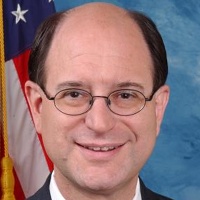
Brad Sherman
Representative
CA
Brad Sherman
Representative
CA
This Act authorizes the Secretary of the Treasury to mint and sell special commemorative coins for the 2028 Los Angeles Olympic and Paralympic Games and the 2034 Salt Lake City Winter Olympic and Paralympic Games. The coins will feature designs celebrating American athletes and the Games themselves. All surcharges collected from the sale of these coins will be directed to the respective organizing committees to help fund the events and related youth sports programs. The entire program must be conducted at no cost to the U.S. Government.
The SAMS Act of 2025 codifies several existing Executive Orders related to critical minerals into permanent federal law.
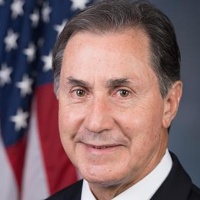
Gary Palmer
Representative
AL
Gary Palmer
Representative
AL
The SAMS Act of 2025 codifies several previous Executive Orders into permanent law, specifically focusing on policies related to critical minerals. This action elevates existing presidential directives concerning these vital resources to the full force and effect of statutory law. The bill ensures the long-term legal standing of established critical mineral supply chain strategies.
This bill mandates detailed reporting and public transparency for federal spending, enhances data sharing across agencies to prevent improper payments, and strengthens verification processes for government disbursements.
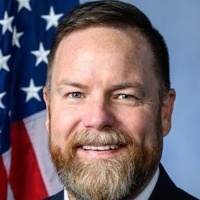
Aaron Bean
Representative
FL
Aaron Bean
Representative
FL
This bill mandates increased transparency and verification for all federal government spending by requiring agencies to report detailed payment information to the Treasury. It enhances program integrity by granting the Treasury access to new hire and tax data to prevent and recover improper payments. Agencies must also verify recipient bank accounts before disbursement, with exceptions allowed only for sensitive national security or law enforcement operations.
This bill mandates quarterly rebates from manufacturers of selected drugs based on the difference between standard Medicare payment rates and the negotiated Maximum Fair Price, while adjusting beneficiary coinsurance accordingly.
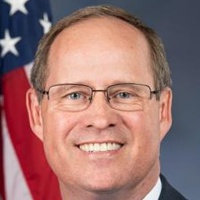
Gregory Murphy
Representative
NC
Gregory Murphy
Representative
NC
This bill, the Protecting Patient Access to Cancer and Complex Therapies Act, establishes a new mandatory rebate system for manufacturers of certain drugs selected for Maximum Fair Price (MFP) negotiation under Medicare. Manufacturers must pay quarterly rebates based on the difference between the standard Medicare payment and the lower negotiated MFP for units sold under Part B. These changes also adjust beneficiary coinsurance calculations to reflect the lower MFP, ensuring patient out-of-pocket costs are based on the negotiated price.
The SAFER at the Border Act restricts the Secretary of Homeland Security's authority to parole certain individuals, including known or suspected terrorists and special interest aliens, into the United States.
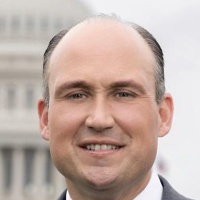
Nicholas Langworthy
Representative
NY
Nicholas Langworthy
Representative
NY
The Safeguarding Americans From Extremist Risk (SAFER) at the Border Act aims to enhance national security by establishing clear definitions for "known terrorist," "special interest alien," and "suspected terrorist." This legislation significantly restricts the Secretary of Homeland Security's authority to use parole for individuals arriving at the border. Specifically, it prohibits parole for anyone identified as a terrorist, a national security risk, or inadmissible due to terrorism-related activities.
The STRONG Act doubles the maximum loan amounts available for both SBA 7(a) small business loans and development company loans to support national growth.
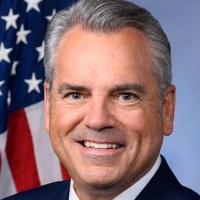
Mark Alford
Representative
MO
Mark Alford
Representative
MO
The Supporting Trade and Rebuilding Opportunity for National Growth Act, or STRONG Act, significantly increases the maximum loan amounts available through key Small Business Administration (SBA) programs. Specifically, it doubles the maximum size for standard 7(a) loans from $\$3.75$ million to $\$7.5$ million. Additionally, the bill raises the maximum loan amount for development company loans from $\$5$ million to $\$10$ million. These changes aim to provide greater capital access for small business growth and development.
The Protect RAIL Act makes non-citizens inadmissible to the U.S. and deportable if they commit or conspire to commit crimes involving theft or tampering with goods shipped across state or international lines.

Paul Gosar
Representative
AZ
Paul Gosar
Representative
AZ
The Protect RAIL Act amends immigration law to prevent non-citizens convicted of or admitting to crimes involving the theft or tampering of goods shipped across state or international lines from entering the United States. Furthermore, this bill makes non-citizens already in the U.S. deportable if they have committed such offenses related to interstate or foreign shipments.
The LEDGER Act mandates the establishment of a comprehensive, government-wide system to track and record the exact destination and availability period of every federal expenditure.
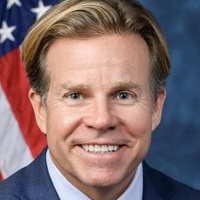
Mike Haridopolos
Representative
FL
Mike Haridopolos
Representative
FL
The LEDGER Act mandates the creation of a comprehensive, centralized system managed by the Secretary of the Treasury to track every expenditure made by all branches of the U.S. Government. This new system must detail exactly where federal funds are spent and how long those funds were available for obligation. The goal is to significantly enhance the traceability and transparency of government spending.
This bill mandates a formal review by the Secretary of State, Attorney General, and Secretary of the Treasury to determine if the Council on American-Islamic Relations (CAIR) meets the criteria for designation as a foreign terrorist organization.
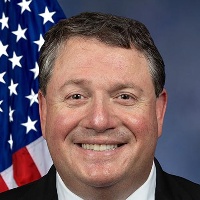
Randall Fine
Representative
FL
Randall Fine
Representative
FL
This bill, the Designate CAIR as a Terrorist Organization Act, directs the Secretary of State, Attorney General, and Secretary of the Treasury to formally review the Council on American-Islamic Relations (CAIR) to determine if it meets the criteria for designation as a foreign terrorist organization. The legislation cites numerous findings regarding CAIR's alleged historical and ongoing ties to designated terrorist entities like Hamas. Congress requires a report detailing whether CAIR is officially designated following this mandated review.
This bill prohibits individuals convicted of assaulting a law enforcement officer or committing a felony during a riot that destroyed a small business from receiving Small Business Administration assistance.
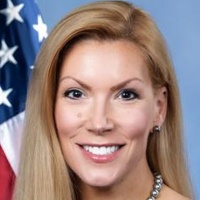
Beth Van Duyne
Representative
TX
Beth Van Duyne
Representative
TX
The Stop Funding Rioters Act prohibits individuals convicted of assaulting a law enforcement officer or committing a felony during a riot that resulted in the destruction of a small business from receiving assistance from the Small Business Administration (SBA). This legislation specifically bars those with such convictions from accessing SBA loans, grants, or other program benefits.
This act ensures that time spent receiving outpatient observation services in a hospital counts toward the required 3-day inpatient stay for Medicare coverage of skilled nursing facility services.
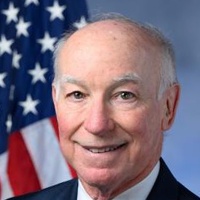
Joe Courtney
Representative
CT
Joe Courtney
Representative
CT
The Improving Access to Medicare Coverage Act of 2025 ensures that time spent receiving outpatient observation services in a hospital counts toward the required 3-day inpatient stay needed to qualify for Medicare coverage of skilled nursing facility (SNF) services. This change effectively removes a significant barrier to accessing post-hospital care for many Medicare beneficiaries. The Secretary of HHS is authorized to implement this rule immediately.
This resolution strongly condemns the rise in ideologically motivated attacks against Jewish individuals in the U.S., including the recent Boulder assault, and reaffirms the House's commitment to combating antisemitism and political violence.
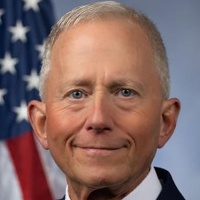
Jefferson Van Drew
Representative
NJ
Jefferson Van Drew
Representative
NJ
This resolution strongly condemns the recent rise in ideologically motivated attacks targeting Jewish individuals and institutions across the United States, including the violent assault in Boulder, Colorado. The House of Representatives reaffirms its commitment to combating antisemitism and politically motivated violence in all its forms. It calls for thorough investigation and prosecution of such incidents and urges all sectors of society to speak out against hate.
The SKIM Act mandates stricter sentencing guidelines for credit card and identity misuse crimes and requires a report on federal and local cooperation to combat access device fraud.
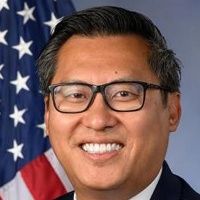
Vince Fong
Representative
CA
Vince Fong
Representative
CA
The SKIM Act, or Stopping Klepto-card and Identity Misuse Act, mandates stricter sentencing guidelines for crimes involving counterfeit or stolen credit and debit cards, ensuring a minimum offense level for such offenses. It also requires the Attorney General and Secretary of Homeland Security to report to Congress on federal and local cooperation in combating access device fraud. This legislation aims to increase penalties and improve coordination against identity and payment card misuse.
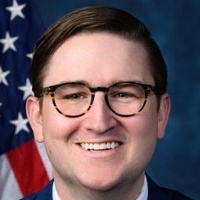
This bill restricts the Secretary of Homeland Security's authority to grant immigration parole to a case-by-case basis for urgent humanitarian reasons or significant public benefit, imposes annual caps, and allows states to sue over perceived abuses.
Addison McDowell
Representative
NC
Addison McDowell
Representative
NC
This bill, the Preventing the Abuse of Immigration Parole Act, aims to drastically restrict the Secretary of Homeland Security's authority to grant immigration parole. It mandates that parole decisions must be made strictly on a case-by-case basis for urgent humanitarian reasons or significant public benefit. Furthermore, the legislation imposes an annual cap on parole grants starting in FY 2029 and grants states the authority to sue the Secretary over perceived misuse of this authority.
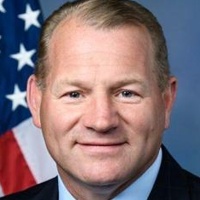
This Act establishes grants for families of homicide victims killed by certain unlawfully present aliens or drug traffickers and creates a new DHS office to support victims of crimes committed by inadmissible or unlawfully present aliens.
Troy Nehls
Representative
TX
Troy Nehls
Representative
TX
The Justice for Angel Families Act establishes new federal grants to compensate families of homicide victims killed by certain unlawfully present aliens or drug traffickers, covering medical, funeral, and emotional distress-related wage costs. Additionally, the bill creates a new Victims of Immigration Crime Engagement Office within DHS to provide proactive support, resources, and updates to victims of crimes committed by removable aliens. This office will operate a dedicated hotline and report annually to Congress on its impact and victim demographics.
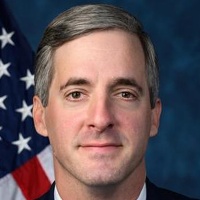
This bill significantly increases mandatory minimum prison sentences for non-citizens who commit crimes after entering the U.S. illegally or after previous removal.
Brad Knott
Representative
NC
Brad Knott
Representative
NC
The Punishing Illegal Immigrant Felons Act of 2025 significantly increases prison sentences for non-citizens who commit crimes after entering the U.S. illegally or after being previously removed. This legislation mandates substantial minimum prison terms—including an additional five years for illegal entry followed by a felony conviction and a new ten-year minimum for re-entry after deportation coupled with a crime. The bill aims to impose much harsher penalties on undocumented immigrants who commit serious offenses.
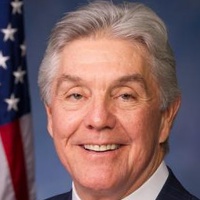
This bill prohibits the Small Business Administration from facilitating voter registration and restricts recipients of SBA assistance from engaging in such activities.
Roger Williams
Representative
TX
Roger Williams
Representative
TX
The Business over Ballots Act reaffirms that the Small Business Administration's (SBA) primary mission is solely to support small businesses. This legislation explicitly prohibits the SBA from engaging in or facilitating voter registration activities. Furthermore, it mandates that all new contracts and existing assistance agreements must restrict recipients from using SBA funds for voter registration efforts.