Legislative Activity
Track Russell's sponsored bills, co-sponsored legislation, and voting record
This act mandates the inclusion of a citizenship question on future decennial censuses and requires that only U.S. citizens be counted when apportioning congressional representation and electoral votes.
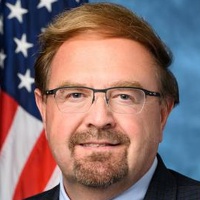
Charles (Chuck) Edwards
Representative
NC
Charles (Chuck) Edwards
Representative
NC
The Equal Representation Act of 2025 mandates the inclusion of a citizenship question on the decennial census starting in 2030. This legislation requires that the population counts used for apportioning seats in the House of Representatives and determining electoral votes exclude non-citizens. The bill ensures that representation is based solely on the count of U.S. citizens within each state.
This resolution formally denounces socialism based on its historical association with totalitarianism, mass death, and economic failure, affirming the foundational principles of individual liberty and property rights.

Maria Salazar
Representative
FL
Maria Salazar
Representative
FL
This Concurrent Resolution formally denounces the ideology of socialism based on its historical outcomes. It asserts that socialist principles have consistently led to totalitarian regimes, mass atrocities, and economic collapse worldwide. The resolution contrasts these failures with the founding principles of the United States, concluding with a statement opposing the implementation of socialist policies domestically.
This bill authorizes the awarding of the Congressional Gold Medal to Charles "Charlie" James Kirk in recognition of his life, service, and dedication to the United States.
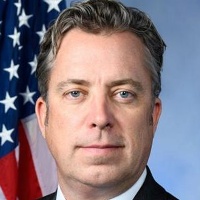
Andrew Ogles
Representative
TN
Andrew Ogles
Representative
TN
The Charlie Kirk Congressional Gold Medal Act authorizes the posthumous award of the Congressional Gold Medal to Charles "Charlie" Kirk in recognition of his life, service, and dedication to the United States. The bill honors his legacy as the founder of Turning Point USA and his commitment to promoting traditional American values, faith, and civil discourse.
This bill mandates a comprehensive threat assessment and strategic plan from the Secretary of Homeland Security regarding the criminal organization Tren de Aragua's impact on U.S. border security.
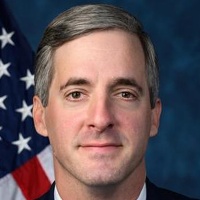
Brad Knott
Representative
NC
Brad Knott
Representative
NC
This Act requires the Secretary of Homeland Security to conduct a comprehensive border threat assessment on the criminal organization Tren de Aragua. Following this assessment, the Secretary must submit a strategic plan detailing how to counter the identified threats along the nation's borders. The legislation aims to enhance security by focusing federal efforts against this specific transnational criminal organization.
This bill authorizes the posthumous award of a Congressional Gold Medal to Major Thomas D. Howie for his extraordinary heroism during the Battle of Normandy.
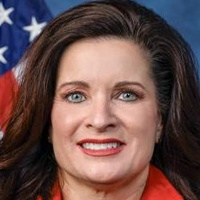
Sheri Biggs
Representative
SC
Sheri Biggs
Representative
SC
This bill authorizes the posthumous award of a Congressional Gold Medal to Major Thomas D. Howie for his extraordinary bravery and leadership during the Battle of Normandy. The medal will be presented to his next of kin before being permanently displayed at The Citadel Museum. The Treasury Secretary is also authorized to strike and sell bronze duplicates of the medal.
This resolution honors the service and sacrifice of America's veterans and reaffirms the nation's commitment to supporting them and their families.
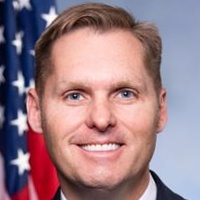
Michael Guest
Representative
MS
Michael Guest
Representative
MS
This resolution honors the service and sacrifice of America's veterans on Veterans Day, 2025, recognizing the history of the observance from Armistice Day. It affirms the nation's deep commitment to supporting the over 15 million veterans and their families. The resolution calls upon the public to observe Veterans Day and ensure veterans continue to receive the services they deserve.
This resolution condemns the persecution of Christians in Nigeria and supports decisive U.S. action to end the existential threat they face.
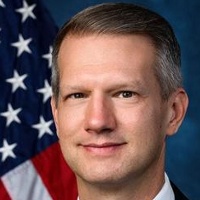
Riley Moore
Representative
WV
Riley Moore
Representative
WV
This resolution condemns the severe, ongoing persecution and mass killing of Christians in Nigeria by terrorist groups and militants. It criticizes the Nigerian government for failing to protect its Christian citizens and for enforcing blasphemy laws. Finally, Congress stands ready to support decisive action, including sanctions, to end this existential threat and calls for direct humanitarian aid to victims.
This Act establishes new regulations and serial number requirements for tableting and encapsulating machines and their critical parts to combat illicit drug manufacturing.
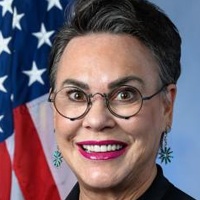
Harriet Hageman
Representative
WY
Harriet Hageman
Representative
WY
The Fight Illicit Pill Presses Act amends the Controlled Substances Act to regulate equipment used in illicit drug manufacturing. This legislation requires manufacturers and distributors of tableting and encapsulating machines, and their critical parts, to apply permanent serial numbers to these items. The bill also prohibits the removal or alteration of these required serial numbers.
This bill revokes tax-exempt status under section 501(c)(3) for the Council on American-Islamic Relations and any organization found to have ties to terrorism.
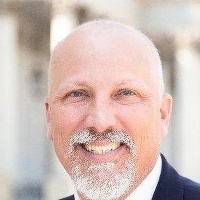
Chip Roy
Representative
TX
Chip Roy
Representative
TX
This bill, the "No Tax Exemptions For Terror Act," proposes to revoke the tax-exempt status under section 501(c)(3) of the Internal Revenue Code for the Council on American-Islamic Relations and any other organization found to have ties to terrorism or terrorist organizations. This change would apply to all future taxable years.
This bill ensures that essential firearm-related government operations, such as background checks and export license processing, continue during a government shutdown.
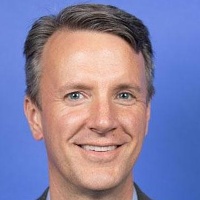
Ben Cline
Representative
VA
Ben Cline
Representative
VA
The Firearm Access During Shutdowns Act ensures that essential firearm-related government operations continue without interruption during a federal shutdown. This legislation specifically mandates the continuation of the FBI's NICS background check system and related processing at the ATF, Department of Commerce, and Department of State. By deeming these functions essential for protecting life and property, the bill prevents delays in firearm transfers and export licensing during lapses in appropriations.
This bill mandates the public online disclosure of identifying information and photographs for every individual receiving a final order of removal.
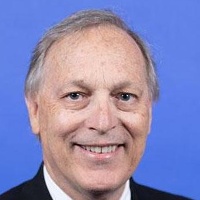
Andy Biggs
Representative
AZ
Andy Biggs
Representative
AZ
The Deportation Disclosure Act mandates that the Department of Homeland Security publicly post identifying information for every individual who receives a final order of removal. This information, including name, photograph, aliases, and last known state of residence, must be published on the DHS website. This aims to increase transparency regarding final deportation orders.
This bill denies or revokes all immigration benefits for individuals adhering to Sharia law, making them inadmissible or deportable without judicial review.
Chip Roy
Representative
TX
Chip Roy
Representative
TX
The Preserving a Sharia-Free America Act aims to prohibit any individual who adheres to Sharia law from receiving immigration benefits, visas, or admission into the United States. This legislation mandates the denial or revocation of immigration status for adherents, making them inadmissible or deportable. Furthermore, any false statements regarding Sharia adherence to federal officials will result in severe immigration penalties, and all related determinations are explicitly barred from judicial review.
This Act modernizes recreational fishing data collection, mandates regular stock assessments, and increases transparency in fishery management decisions.
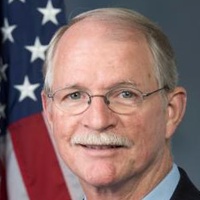
John Rutherford
Representative
FL
John Rutherford
Representative
FL
The Fisheries Data Modernization and Accuracy Act of 2025 aims to significantly improve the reliability and utility of U.S. fisheries data. It mandates reforms to the recreational data collection program (MRIP) by establishing an independent review process when data accuracy falls below set standards. The bill also empowers states to develop and implement their own data collection programs, shifting the federal reliance away from the MRIP baseline. Finally, it requires the establishment of a regular schedule for updating crucial fish stock assessments and promotes the use of independent, external scientific surveys in federal management decisions.
This constitutional amendment prohibits members of Congress from receiving compensation during any period of a government shutdown.
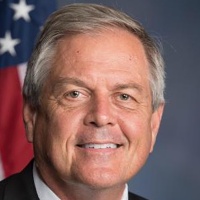
Ralph Norman
Representative
SC
Ralph Norman
Representative
SC
This proposed constitutional amendment would prohibit members of Congress from receiving any compensation for the duration of a government shutdown. If Congress fails to pass necessary funding, Senators and Representatives will not be paid until the government is fully operational again. The amendment also grants Congress the authority to enact laws to enforce this provision.
This Act prohibits federal crime-fighting grants to state and local jurisdictions that restrict cash bail for serious offenses or have cut police budgets without a justifiable, across-the-board shortfall.
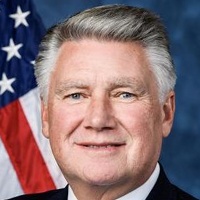
Mark Harris
Representative
NC
Mark Harris
Representative
NC
The No Funding for Lawless Jurisdictions Act restricts federal crime-fighting grants to state and local governments that limit cash bail for serious offenses or release convicted felons on personal recognizance. Furthermore, jurisdictions that cut their police budgets in the preceding year are ineligible for these funds, unless the cut was part of a fair, government-wide budget reduction. This legislation aims to ensure federal support only goes to jurisdictions maintaining traditional public safety and law enforcement funding standards.
This act streamlines the Nuclear Regulatory Commission's licensing process by allowing permits and licenses to be issued without mandatory hearings unless requested, and by updating procedural requirements for various nuclear facility applications.
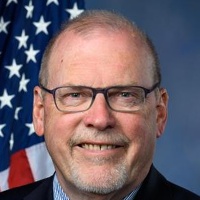
H. Griffith
Representative
VA
H. Griffith
Representative
VA
The Efficient Nuclear Licensing Hearings Act streamlines the Nuclear Regulatory Commission's (NRC) process for issuing certain nuclear facility permits and licenses. This legislation allows the NRC to issue permits without automatically holding a full hearing if no affected party requests one. It also updates procedures to favor informal hearings when they are held and modifies timing requirements for license issuance.
This resolution honors the life and legacy of Charles "Charlie" James Kirk, condemns his assassination as political violence, and calls for a renewed commitment to civil discourse and American founding principles.

Mike Johnson
Representative
LA
Mike Johnson
Representative
LA
This resolution honors the life and legacy of Charles "Charlie" James Kirk, founder of Turning Point USA. It strongly condemns his assassination as an act of political violence. The bill calls for a renewed national commitment to civil discourse and the founding principles of the United States.
This Act prohibits U.S. courts and arbitrators from enforcing any foreign law, including Sharia law, if doing so would violate fundamental rights guaranteed by the U.S. or State Constitutions.
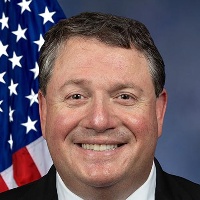
Randall Fine
Representative
FL
Randall Fine
Representative
FL
The No Shari’a Act ensures that U.S. courts rely exclusively on Federal and State laws when making decisions. This legislation prohibits courts and arbitrators from enforcing any foreign law, including Sharia law, if doing so would violate fundamental constitutional rights. The Act is designed to prevent foreign legal codes from undermining the established constitutional protections guaranteed to all Americans.
This Act expands integrated cross-border law enforcement operations, particularly with Canada, and enhances legal protections and cooperation mechanisms for U.S. and foreign law enforcement personnel working together internationally.
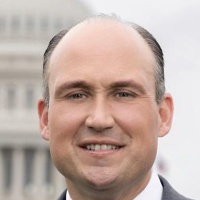
Nicholas Langworthy
Representative
NY
Nicholas Langworthy
Representative
NY
The Integrated Cross-Border Law Enforcement Operations Expansion Act encourages the Secretary of Homeland Security to enhance joint law enforcement operations with Canada across land, air, and sea borders. This legislation also grants authority to establish agreements that provide legal protections to designated foreign law enforcement officers working alongside U.S. Customs officials. Furthermore, it allows for the stationing of U.S. law enforcement personnel overseas and the acceptance of foreign personnel in the U.S. for cooperative security missions.
This Act mandates that abortion providers inform women about the possibility of reversing the effects of the first abortion pill and requires the Department of Health and Human Services to provide accessible online resources on the reversal process.
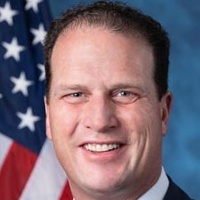
August Pfluger
Representative
TX
August Pfluger
Representative
TX
The Second Chance at Life Act of 2025 establishes new federal requirements for abortion providers offering chemical abortions involving two drugs. These rules mandate that doctors inform women about the possibility of reversing the effects of the first pill, mifepristone, at least 24 hours in advance. The law also requires specific signage in clinics and directs the Department of Health and Human Services to create an accessible, privacy-focused website detailing reversal information. Finally, it creates a pathway for civil lawsuits against providers who knowingly violate these new informed consent and disclosure mandates.